

P0304 on 2017-2019 Kia Forte: Cylinder 4 Misfire Causes & Fixes
For a 2017-2019 Kia Forte, a P0304 code is most often caused by a faulty ignition coil or a worn spark plug in cylinder 4. This is a well-documented issue, with multiple Kia Technical Service Bulletins (TSBs) recommending the replacement of all four coils or a crucial engine software update to correct misfire detection logic. Many owners report replacing coils every 30,000-40,000 miles.
- P0304 on a 2017-2019 Forte is very commonly an ignition issue.
- Always start diagnosis by swapping the ignition coil from cylinder 4 to another cylinder. This is a fast, free, and effective test.
- If the coil isn't the problem, swap the spark plug next.
- Be aware that multiple TSBs exist. Before paying for expensive repairs, check with a Kia dealer to see if your car needs a free or low-cost software update.
- Due to the known issues, if one coil or plug fails, it is wise to replace all four to prevent future misfires in other cylinders.
What's Unique About the 2017-2019 Kia FORTE

The 2.0L MPI 'Nu' engine in the 2017-2019 Kia Forte is known for premature ignition coil failures, which are the primary cause of a P0304 code. Kia has issued multiple Technical Service Bulletins (TSBs) for this specific problem. TSB #TSBENG181_R1 (SA321) directly addresses faulty ignition coils and their internal RFI springs. Other TSBs point to cracked spark plugs from the factory (TSB #TSBENG186) and, importantly, flawed ECU software that can falsely detect misfires, requiring a dealer-installed update (TSBs #TSB_ENG208_R2, #TSBENG204_R1). Owner forums are filled with reports of repeated coil failures on this platform.
Diagnostic Flowchart

Tap your situation to follow the diagnostic path that matches what you're seeing on this vehicle.
Generation note: This range covers two Forte generations: the end of the second generation (2017-2018, YDm) and the start of the third (2019, BD). The primary engine in most trims is the 2.0L 'Nu' MPI four-cylinder. TSBs have been issued that cover models in both generations, indicating similar ignition system issues can occur across them.
Symptoms You May Notice
- Rough or shaky idle, sometimes feeling like the car will stall.
- Hesitation or stumbling during acceleration.
- Flashing or solid Check Engine Light.
- Noticeable loss of engine power and sluggishness.
- Engine may try to stall at stops or randomly drop RPMs at idle.
- Increased fuel consumption.
- A smell of raw gasoline from the exhaust.
- Replacing only the spark plug when the ignition coil is the actual cause (or vice-versa).
- Replacing fuel injectors before properly diagnosing the ignition system (coils and plugs), which is far more common on this platform.
- Replacing parts without first checking with a dealer if a simple ECU software update (like TSB #TSB_ENG208_R2 or #TSBENG204_R1) is available and applicable.
- Using cheap, low-quality aftermarket ignition coils or spark plugs, which can fail quickly and cause the problem to return.
Most Likely Causes

- Faulty Ignition Coil or RFI Spring 🔴 High Probability This is the most common cause. Kia issued TSB #TSBENG181_R1 (also known as Service Action SA321) for 2017-2018 Forte 2.0L MPI engines, recommending the replacement of all four ignition coils if a P030x code is present. The bulletin points to a known issue with the coils or their internal Radio Frequency Interference (RFI) springs. Owners on forums report these coils failing repeatedly, sometimes as often as every 30-40k miles.
How to confirm: The standard DIY diagnostic is to swap the ignition coil from cylinder 4 with another cylinder (e.g., cylinder 1). Cylinder 4 is the cylinder furthest from the serpentine belts on the driver's side of the engine. Clear the codes with a scanner and drive the vehicle. If the code changes to P0301, the ignition coil is confirmed to be faulty.
Typical fix: Replace the faulty ignition coil. Per TSB #TSBENG181_R1 and general best practice, it is highly recommended to replace all four coils at once to prevent future failures. Also replace the spark plugs at the same time if they are due.
Est. part cost: $55-$125 per coil - Worn or Defective Spark Plug 🔴 High Probability TSB #TSBENG186 points to a batch of spark plugs on some 2018 models where the porcelain insulator may have cracked during manufacturing, causing misfires. Even without a defect, a worn or fouled spark plug is a very common cause. Some owners have solved a persistent P0304 simply by switching from aftermarket plugs back to OEM NGK plugs.
How to confirm: After ruling out the ignition coil, swap the spark plug from cylinder 4 with another cylinder (e.g., cylinder 2). If the code changes to P0302, the spark plug is the culprit. Visually inspect the removed spark plug for wear, carbon fouling, oil, or fine cracks in the white porcelain insulator.
Typical fix: Replace the faulty spark plug. It is best practice to replace all four spark plugs at the same time to ensure consistent performance and prevent stress on the new ignition coils.
Est. part cost: $25-$80 for a set of four Iridium plugs - Outdated Engine Control Module (ECM) Software 🟡 Medium Probability Kia released TSBs #TSB_ENG208_R2 (for 2017-2018) and #TSBENG204_R1 (for 2019) describing an ECU logic improvement to fix issues where misfire codes are incorrectly triggered, especially on a cold start. This means the misfire might be a software glitch rather than a hardware failure. One owner reported a dealer update was only a temporary fix, suggesting it should be paired with a hardware check.
How to confirm: This must be confirmed by a Kia dealership or a qualified shop with access to Kia's diagnostic system (KDS). They can check your vehicle's current software ROM ID against the versions listed in the TSBs to see if an update is available for your VIN.
Typical fix: A Kia dealer will reflash the ECM with the updated software. This is often performed as a "Service Action" and may be free if the vehicle is under warranty. If other issues are present, parts may still need to be replaced.
Est. part cost: $0 (if covered by a service action) to $150-$250 for labor at a dealership. - Clogged or Faulty Fuel Injector ⚪ Low Probability
How to confirm: If swapping the coil and plug doesn't isolate the issue, the fuel injector is a possible, though less common, suspect. An injector's electrical resistance can be checked with a multimeter; a reading between 8 and 16 Ohms is typical for the high-impedance injectors used in these MPI engines. A more involved test is to swap the injector from cylinder 4 to another cylinder, but this requires disassembling the fuel rail and is more labor-intensive.
Typical fix: Replace the faulty fuel injector. The OEM part number for the 2.0L MPI engine is typically 35310-2J000. It's often recommended to have all injectors professionally cleaned and tested at the same time.
Est. part cost: $50-$150 per injector
Rare But Worth Checking
- Low Engine Compression: This indicates a more serious internal engine problem, such as a leaking valve, worn piston rings, or a bad head gasket. A compression test is the definitive diagnostic step. One forum user with a persistent P0304 after replacing parts was advised to perform a compression test next.
- Vacuum Leak: A leak in the intake manifold gasket or a vacuum hose near cylinder 4 can lean out the air-fuel mixture and cause a misfire. This would typically be accompanied by a hissing sound and possibly other lean-related codes. A smoke test is the best way to find a vacuum leak.
- Carbon Buildup on Intake Valves: While more common on GDI (Gasoline Direct Injection) engines, MPI engines can also suffer from carbon buildup on the intake valves over time, which can disrupt airflow into the cylinder and cause a misfire, especially on cold starts.
Diagnosis Steps
- Read the code with an OBD-II scanner and confirm P0304 is present. Note any other codes and check freeze frame data if available.
- Identify Cylinder 4: On the 2.0L engine, the cylinders are numbered 1-2-3-4, starting from the passenger side (belt side) and moving to the driver's side (transmission side). Cylinder 4 is closest to the driver.
- Swap the ignition coil from cylinder 4 to cylinder 1. Clear the codes and run the engine. If the code changes to P0301, the coil is bad.
- If the code remains P0304, swap the spark plug from cylinder 4 to cylinder 2. Clear codes and run the engine. If the code changes to P0302, the spark plug is bad.
- If the code remains P0304, inspect the ignition coil connector and wiring for damage, corrosion, or looseness.
- Contact a Kia dealer with your VIN to see if TSBs #TSB_ENG208_R2, #TSBENG204_R1, or #TSBENG181_R1 apply to your vehicle. An ECU update may be required.
- If ignition and software are ruled out, inspect the fuel injector on cylinder 4. Check its resistance with a multimeter or consider swapping it with another cylinder.
- Perform an engine compression test on all cylinders and compare the readings to check for mechanical issues like bad rings or valves.
- Perform a smoke test to check for vacuum leaks around the intake manifold, especially near the runner for cylinder 4.
Parts You'll Likely Need
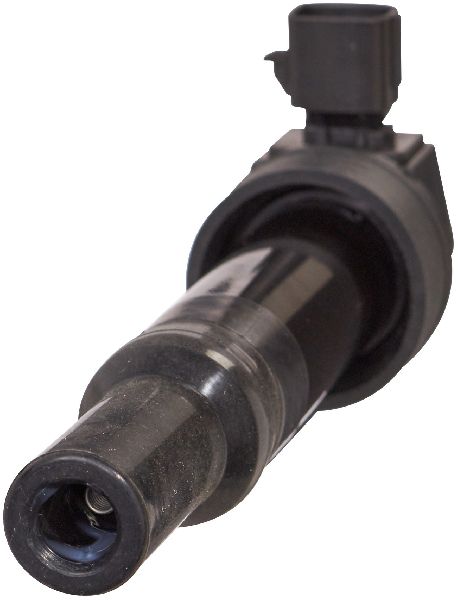
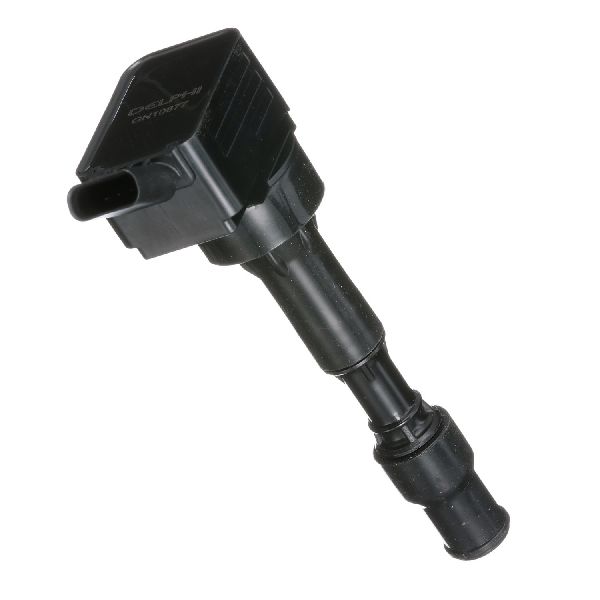
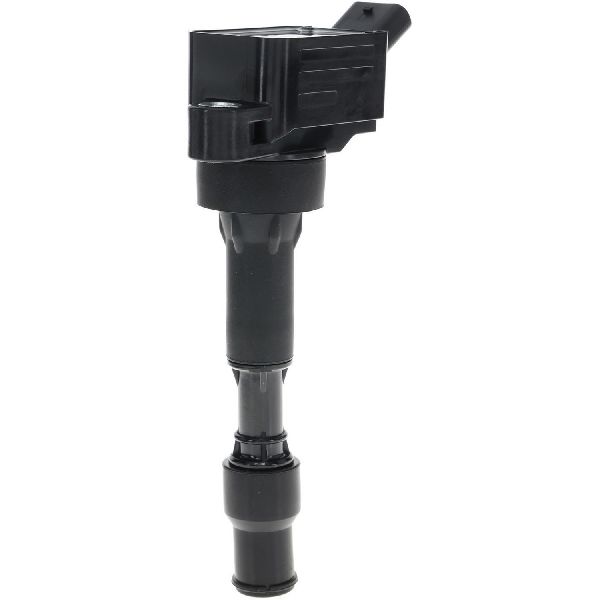
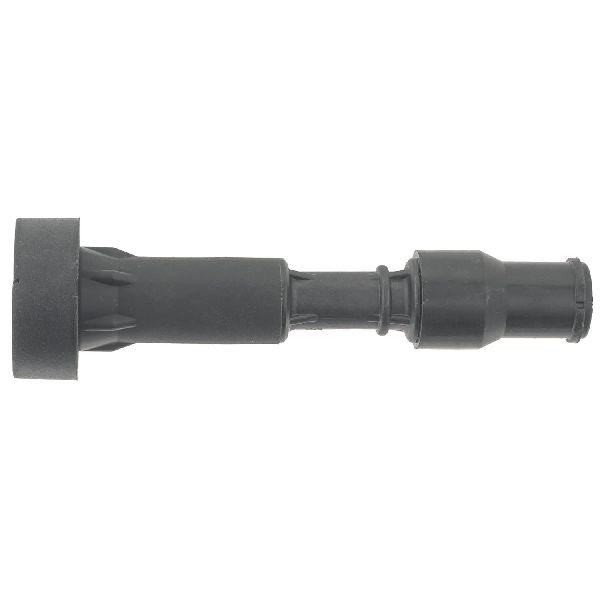
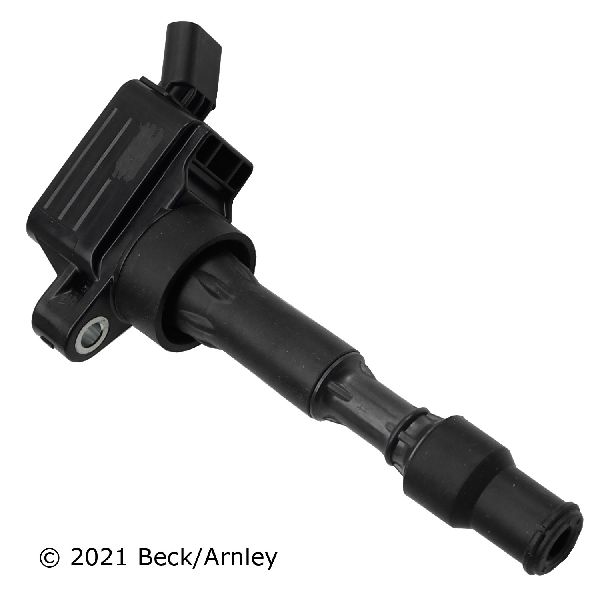
- Ignition Coil
(OEM #27300-2E000)— This is the most common failure part for a P0304 code on this vehicle, as documented by Kia's own service bulletins and extensive owner reports.
Trusted brands: Kia (OEM), NGK, Denso, Delphi, Mando
OEM price range: $80-$145
Aftermarket price range: $55-$125
Related Codes That Often Appear With This One
- P0300 — This code means 'Random/Multiple Cylinder Misfire Detected.' If the cause of the P0304 is severe or intermittent, or if other coils/plugs are also failing, it can be flagged as a P0300 as well.
- P0301, P0302, P0303 — If you see other specific cylinder misfire codes alongside P0304, it points to a problem affecting multiple cylinders. This could be a bad batch of fuel, a major vacuum leak, low fuel pressure, or multiple failing ignition coils as is common on this vehicle.
Technical Service Bulletins (TSBs) & Recalls

- TSBENG181_R1 / SA321
- TSBENG186
- TSB_ENG208_R2 / SA285 / SA378
- TSBENG204_R1
- TSBENG165R1
Platform-Specific Known Issues
- TSB #TSBENG181_R1 (SA321): Affects 2017-2018 Forte 2.0L MPI models. Recommends replacing all four ignition coils if a P030x code is stored due to known defects.
- TSB #TSBENG186: Affects certain 2018 Forte models. Points to cracked spark plug porcelain from the factory, requiring replacement of all four plugs.
- TSB #TSB_ENG208_R2 (SA285/SA378): Affects 2017-2018 Forte models. Provides an ECU software update to improve misfire detection logic, especially for cold start misfires.
- TSB #TSBENG204_R1: Affects 2019 Forte models. Also provides an ECU software update for misfire detection logic.
- Repeated Failures: Owners report that even replacement OEM ignition coils (made by YURA) can fail prematurely, leading some to try high-quality aftermarket brands like NGK or Delphi.
Mechanic-Grade Diagnostic Values
- Spark Plug Torque — expected: 25 N.m. Failure: N/A - This is an installation specification.
- Ignition Coil Hold-Down Bolt Torque — expected: 11 N.m. Failure: N/A - This is an installation specification.
- Spark Plug Gap — expected: 0.044 inches (typically pre-gapped). Failure: An incorrect gap can cause a weak spark and misfires.
- Fuel Injector Resistance (MPI Engine) — expected: 8 - 16 Ohms. Failure: A reading outside this range indicates a faulty injector coil winding.
Hidden / Shadow Codes Worth Checking
- Mode 6, Test ID $A2-$A5: This is not a trouble code, but a diagnostic function. Test IDs $A2, $A3, $A4, and $A5 correspond to misfire counts for cylinders 1, 2, 3, and 4 respectively. A high count on Test ID $A5 can confirm the P0304 before the check engine light becomes constant. (see via An advanced OBD-II scanner capable of viewing Mode 6 test data.)
Scan Tool Commands That Help
- Kia GDS (or advanced aftermarket scanner): Power Balance Test — Use this when a misfire is felt at idle but the cause is unclear. The tool disables one cylinder at a time. A good cylinder will cause a significant RPM drop when disabled; a misfiring cylinder will cause little to no change, confirming it's the source of the problem.
- OBD-II Scanner with Live Data: Live Misfire Counter — Monitor the live misfire count for cylinder 4 while driving under different conditions (idle, acceleration, cruise) to see when the misfire occurs. This can help differentiate between a load-based fuel issue and a constant ignition problem.
Wiring & Ground Locations
- Ignition Coil Ground — Commonly grounded to the cylinder head or engine block. Look for a ground strap or a bolt on the engine block where multiple black wires are terminated.. A poor ground for the ignition system can cause a weak spark, leading to intermittent or constant misfires across one or more cylinders.
- ECM/Main Chassis Ground — Often found in the engine bay on the inner fender or firewall, or potentially under the dashboard near the fuse panel.. A compromised main ground can cause a wide range of electrical issues, including incorrect sensor readings and erratic behavior from the Engine Control Module (ECM), potentially leading to false misfire detection.
- Ignition Coil Connector — Directly on top of each ignition coil. It is a plastic connector with a push-tab lock.. The connector or its wiring can become brittle from heat, causing a poor connection to the coil. Wiggling the connector while the engine is running may induce or change the misfire, indicating a connection issue.
Real Owner Repair Stories
- YouTube channel 'Wrenching Ryan' (2016 Kia Forte (similar 2.0L Nu engine)) — Rough running and a P0304 check engine light.
❌ Tried (didn't work) Swapping the ignition coil from cylinder 4 to cylinder 1; the misfire code did not follow the coil.
✅ What actually fixed it The technician then swapped the spark plug from cylinder 4 to cylinder 2. The code changed to P0302, confirming the spark plug was the faulty component. Replacing the spark plug resolved the issue. - YouTube channel 'Daring Motors' (Kia Forte (unspecified year, similar engine bay)) — Check engine light with a cylinder misfire code (P0303 in the video, but the diagnostic process is identical for P0304).
❌ Tried (didn't work) Visual inspection of the spark plug showed no obvious defects.
✅ What actually fixed it The technician swapped the ignition coil from the misfiring cylinder (3) to another cylinder (4). After clearing codes and running the engine, the code reappeared as P0304, following the coil. Replacing the faulty ignition coil fixed the misfire. - ScannerDanner Forum (2017 Kia Forte) — Persistent P0304 misfire.
❌ Tried (didn't work) Replacing spark plugs., Replacing fuel injectors., Swapping coil packs., A dealer-performed ECU software update (TSB) provided only a temporary fix for 'about 5 minutes'.
✅ What actually fixed it The final fix was not posted by the user, but the diagnostic path after all common parts were replaced and the software update failed was to investigate the specific TSB for faulty RFI springs inside the ignition coils (TSBENG181). This highlights that even with an ECU update, a hardware fault with the coils themselves can be the ultimate root cause.
OEM Part Supersession History
27300-2E000→27300-2E601— The new part number is specified in TSBs (like SA321/TSBENG181_R1) to address the known premature failure and RFI spring issues in the original coils on 2017-2018 2.0L MPI engines.
Heads up: While the original part may physically fit, the updated part number should be used to ensure the factory fix for the known coil issue is implemented.
Model Year Variations Within This Range
- 2017-2018 vs. 2019: The 2017-2018 models are the second generation (YD) Forte, typically with a 6-speed automatic transmission. The 2019 model is the third generation (BD) which, while using a similar 147hp 2.0L engine, pairs it with a new IVT (Intelligent Variable Transmission). This difference in powertrain requires different ECU software, which is why Kia issued separate TSBs for misfire logic updates: TSB #TSB_ENG208_R2 for 2017-2018 models and TSB #TSBENG204_R1 for 2019 models.
Used OEM Parts in Stock


New Aftermarket Parts Available


The information in this article is provided for general reference and educational purposes only. Vehicle specifications, procedures, and part compatibility can vary by production date, trim level, and region. Always consult your vehicle's factory service manual and verify part numbers before purchasing or performing repairs. Safety-critical components such as airbags, seat belts, and braking systems should be installed by a qualified professional.
- Kia FORTE:
- 🛍️ Shop This Part
- What's Unique About the 2017-2019 Kia FORTE
- Diagnostic Flowchart
- Symptoms You May Notice
- Most Likely Causes
- Rare But Worth Checking
- Diagnosis Steps
- Parts You'll Likely Need
- Related Codes That Often Appear With This One
- Technical Service Bulletins (TSBs) & Recalls
- Platform-Specific Known Issues
- Mechanic-Grade Diagnostic Values
- Hidden / Shadow Codes Worth Checking
- Scan Tool Commands That Help
- Wiring & Ground Locations
- Real Owner Repair Stories
- OEM Part Supersession History
- Model Year Variations Within This Range
- 🎟️ Get 5% Off