

P0304 on 2014-2019 Jeep Cherokee: Cylinder 4 Misfire Causes and Fixes
P0304 means cylinder 4 is misfiring. On both the 2.4L and 3.2L engines, the most common cause is a failed ignition coil or a worn spark plug. For the 2.4L, oil leaking from the valve cover gasket into the spark plug well is a very frequent root cause. A DIY replacement of the coil and plug for cylinder 4 costs around $40-$90 and is a likely fix.
- P0304 on a 2014-2019 Cherokee is a misfire in cylinder 4.
- The most likely cause is a bad ignition coil or a worn/fouled spark plug.
- A simple diagnostic is to swap the ignition coil from cylinder 4 to another cylinder and see if the code follows the coil.
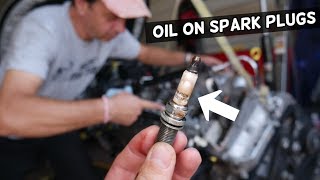
- On 2.4L models, check for oil in the spark plug well, as a leaking valve cover gasket is a very common cause of this code.
- Do not drive if the check engine light is flashing to avoid expensive catalytic converter damage.
What's Unique About the 2014-2019 Jeep CHEROKEE

The 2014-2019 Cherokee (KL generation) primarily uses two engines: the 2.4L 'Tigershark' I4 and the 3.2L 'Pentastar' V6. On the 2.4L engine, P0304 is very often linked to oil-fouled spark plugs due to a leaking valve cover gasket, which allows oil to pool in the spark plug tubes. This engine is also known for excessive oil consumption due to piston ring issues, which can foul plugs internally. For the 3.2L V6, while standard ignition component failure is common, a rarer but notable cause for a persistent misfire can be a failed rocker arm or lifter, a known issue in the Pentastar engine family. Multiple Technical Service Bulletins (TSBs) also indicate that misfire codes can sometimes be resolved with a PCM software update from the dealer.
Diagnostic Flowchart

Tap your situation to follow the diagnostic path that matches what you're seeing on this vehicle.
Symptoms You May Notice
- Rough running engine or rough idle.
- Check Engine Light is on and may be flashing.
- Hesitation or stumbling during acceleration.
- Reduced engine power and sluggish acceleration.
- Extended engine crank times.
- Unpleasant fuel smell from the exhaust.
- Increased fuel consumption.
- Replacing the oxygen sensor. While a faulty O2 sensor can cause general running issues and an incorrect air-fuel mixture, it will not typically cause a single-cylinder misfire code like P0304.
- Replacing the catalytic converter. A persistent, flashing-CEL misfire will destroy a catalytic converter by dumping raw fuel into it, but a bad converter does not cause the initial misfire.
Most Likely Causes


- Faulty Ignition Coil 🔴 High Probability Coil-on-plug systems are common failure points on most modern engines. Heat and vibration lead to internal winding failure over time. On the 2.4L, oil saturation from a leaking valve cover gasket frequently destroys the coil boot and the coil itself.
How to confirm: The easiest method is to swap the ignition coil from cylinder 4 with another cylinder (e.g., cylinder 2). Clear the codes and drive the vehicle. If the code changes to P0302, the ignition coil is faulty.
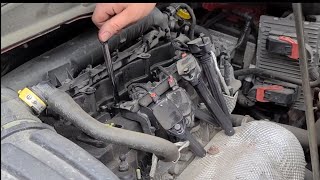
Typical fix: Replace the faulty ignition coil. 🎬 Watch: Step-by-step spark plug and coil pack replacement guide. It is held in by a single 10mm bolt. If oil was present, the valve cover gasket must also be replaced.
Est. part cost: $30-$70 - Worn or Fouled Spark Plug 🔴 High Probability On the 2.4L engine, excessive oil consumption can foul spark plugs, causing misfires. On both engines, spark plugs are a normal wear item and require regular replacement. The 2.4L Tigershark requires an Iridium plug with a 0.047-inch gap.
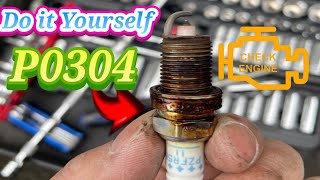
How to confirm: Remove the spark plug from cylinder 4 and inspect it. Look for heavy carbon buildup, oil contamination, or a worn electrode. Compare it to a new plug.
Typical fix: Replace the spark plug. If one is worn, it is best practice to replace all plugs at the same time.
Est. part cost: $10-$25 per plug - Leaking Valve Cover Gasket / Spark Plug Tube Seal 🔴 High Probability This is an extremely common issue on the 2.4L Tigershark engine. The spark plug tube seals, which are integrated into the valve cover gasket assembly, become hard and brittle, allowing oil to fill the spark plug wells. This saturates the ignition coil boot and shorts the spark, causing a misfire.
How to confirm: When you remove the ignition coil from cylinder 4, check for liquid engine oil on the coil boot and down in the spark plug well. A burning oil smell is also a common symptom.
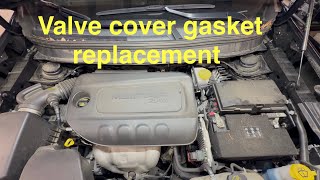
Typical fix: Replace the valve cover gasket and spark plug tube seals. This is often sold as a kit. It is critical to clean all oil out of the spark plug tube before installing the new coil and plug.
Est. part cost: $40-$80 for the gasket set - Faulty Fuel Injector 🟡 Medium Probability Injectors can become clogged with fuel deposits or fail electrically over time, preventing the correct amount of fuel from reaching the cylinder.
How to confirm: A professional can perform a fuel injector balance test. A DIY method involves listening to the injector with a mechanic's stethoscope to ensure it's clicking, or swapping it with another cylinder's injector (a more involved job).
Typical fix: Replace the faulty fuel injector.
Est. part cost: $50-$120
Rare But Worth Checking
- Low Engine Compression: A mechanical issue like a burnt valve, worn piston rings, or a failed head gasket can cause a persistent misfire that doesn't resolve with ignition or fuel part swaps. A compression test is needed to confirm this.
- PCM Software Update Needed: Multiple TSBs from Jeep indicate that various misfire codes, including P0304, can be caused by software glitches. If common hardware has been replaced without success, a dealer may need to reflash the PCM.
- Failed Rocker Arm (3.2L V6): The Pentastar engine family can suffer from failed rocker arms that dislodge or have worn bearings, preventing the valve from opening correctly and causing a misfire. This often presents as a cold-start misfire with a ticking noise.
- Faulty PCV Valve (2.4L I4): The PCV valve is integrated into the valve cover. If it sticks open, it can create a vacuum leak, leading to misfire codes. Since it's part of the valve cover, it's typically replaced during a valve cover gasket job.
Diagnosis Steps
- Confirm the code with an OBD-II scanner. Note if the Check Engine Light is flashing, which indicates a severe misfire.
- Identify Cylinder 4. On the 2.4L I4, it's the cylinder closest to the transmission (driver's side). On the 3.2L V6, it's the middle cylinder on the bank closest to the radiator (front bank).
- Inspect for Oil in Spark Plug Well (2.4L Engine). Before swapping parts, pull the ignition coil for cylinder 4. If there is engine oil on the boot or in the tube, the valve cover gasket has failed and is the most likely cause.
- Swap the Ignition Coil. If no oil is present, swap the coil from cylinder 4 with the coil from cylinder 2. Clear the codes and run the engine. If the code returns as P0302, the coil is bad. This is the most effective diagnostic step.
- Inspect the Spark Plug. If the code did not move, remove the spark plug from cylinder 4. Check for a worn electrode, heavy carbon deposits, or oil fouling. If it looks bad, replace it. It's best practice to replace all plugs if they are near their service interval.
- Check the Fuel Injector. If the misfire remains on cylinder 4, the issue may be the fuel injector. Listen for a steady clicking sound from the injector with a stethoscope. Check the wiring connector for damage or rodent activity.
- Perform a Compression Test. If ignition and fuel components seem okay, a mechanical problem is possible. A compression test will check the health of the cylinder's piston rings and valves. Low compression points to a serious internal issue.
- Check for TSBs. If diagnosis is difficult, consult a dealer or search online for TSBs applicable to your VIN. A PCM software update may be the required fix, especially if multiple misfire codes are present.
Parts You'll Likely Need
- Ignition Coil
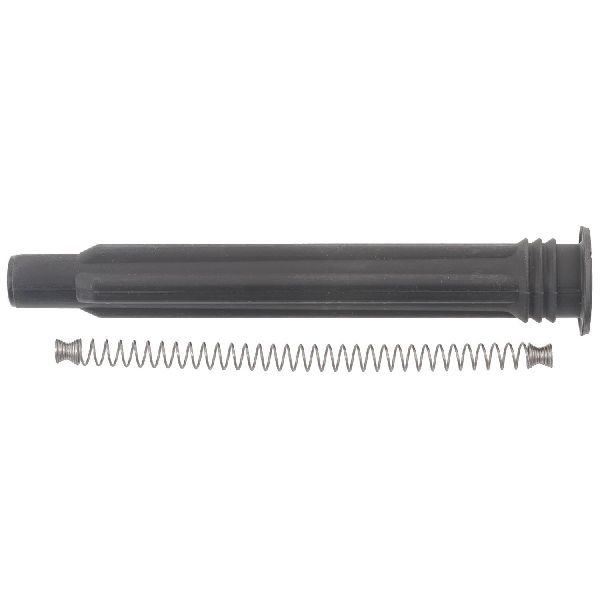
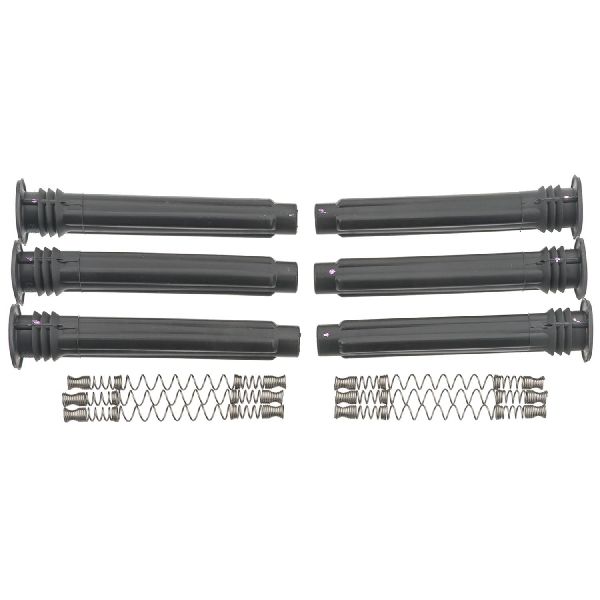
(OEM #68242286AB (for 2.4L Tigershark))— This is the most frequent point of failure for a single-cylinder misfire. An owner complaint to the NHTSA (ODI #11282501) for a 2017 Cherokee with P0304 was resolved by replacing the ignition coil boot kit.
Trusted brands: Mopar, NGK, Delphi, Mishimoto
OEM price range: $50-$90
Aftermarket price range: $30-$70 - Spark Plug
(OEM #SP149125AF (Mopar Iridium for 3.2L V6))— Spark plugs are a routine maintenance item and can become worn or fouled, especially on the 2.4L engine which is prone to oil consumption.
Trusted brands: NGK, Champion, Denso
OEM price range: $15-$25
Aftermarket price range: $8-$18 - Valve Cover Gasket Kit
(OEM #5047756AB (for 2.4L Tigershark))— Specifically for the 2.4L engine, oil leaking into the spark plug tubes is a very common cause of misfires. The kit includes the main gasket and spark plug tube seals.
Related Codes That Often Appear With This One
- P0300 — If multiple cylinders are misfiring randomly, P0300 (Random/Multiple Cylinder Misfire) will be stored along with the specific cylinder code(s). This can point to a systemic issue like a vacuum leak or low fuel pressure.
- P0301, P0302, P0303, etc. — These codes indicate misfires in other cylinders. Seeing them together with P0304 points to a systemic issue like low fuel pressure, a large vacuum leak, or a required software update as noted in TSBs #18-110-20 and #08-027-20.
- P0456 — A small EVAP system leak code is sometimes seen alongside misfire codes, as noted in TSB #18-004-16 REV. A. This could be coincidental or related to a software issue addressed by a PCM flash.
Technical Service Bulletins (TSBs) & Recalls
- Addresses multiple misfire codes (P0300-P0304) and extended crank/no-start conditions. The likely fix is a PCM software update.
- Addresses rough running and multiple misfire codes (P0300-P0304). For the 2.4L engine, this TSB may involve replacing only the ignition coil boots.
- For 2.4L engines built before Jan 2018, this TSB specifically addresses misfire codes by replacing the ignition coil boots.
- Bundles multiple misfire codes with an EVAP leak code (P0456), suggesting a PCM software update can resolve a range of seemingly unrelated DTCs.
Platform-Specific Known Issues
- NHTSA Technical Service Bulletin #18-110-20 mentions P0304 in conjunction with other misfire codes and potential extended crank or no-start conditions, often fixed with a PCM flash.
- NHTSA TSB #08-027-20 also groups P0304 with other misfire codes as a cause for a rough running engine, sometimes addressed by replacing only the ignition coil boots on the 2.4L engine.
- An owner of a 2017 Cherokee reported to the NHTSA (ODI #11282501) that a P0304 code was fixed by replacing the ignition coil boot kit under warranty.
- TSB #18-033-16 (referenced in NHTSA ODI #11282501 context) addresses P0304 on 2.4L engines by replacing ignition coil boots for vehicles built before Jan 06, 2018.
- The 2.4L Tigershark engine has a well-documented oil consumption problem due to piston rings, which can lead to oil-fouled spark plugs and misfires.
Mechanic-Grade Diagnostic Values
- Fuel Pressure (2.4L & 3.2L Engines) — expected: 58 psi +/- 5 psi (400 kPa +/- 34 kPa). Failure: Pressure significantly below 53 psi may indicate a weak fuel pump or clogged filter. Pressure that drops quickly after the pump primes could indicate a bad check valve or leaking injector.
- Fuel Pressure (Alternate Spec) — expected: 55-61 PSI (for 2.4L FWD models). Failure: Pressure outside this range points to a fuel delivery issue.
Scan Tool Commands That Help
- wiTECH (or wiTECH 2.0): ECU Flash / Reprogramming — Used by dealers to apply software updates to the Powertrain Control Module (PCM). TSBs #18-110-20, #08-027-20, and others indicate that PCM software improvements can resolve unexplained misfire codes.
- wiTECH (or wiTECH 2.0): Live Data Monitoring — To monitor misfire counters for individual cylinders in real-time. This helps confirm if the misfire is constant or intermittent and if it moves to another cylinder after swapping components like ignition coils.
- wiTECH (or wiTECH 2.0): Actuator Tests — To command the fuel injector for cylinder 4 to open and close, allowing a technician to listen for the injector's clicking sound and confirm it is receiving a signal from the PCM.
Wiring & Ground Locations
- Engine Dipstick Tube Stud Ground — On older Jeep platforms (like the XJ), a critical ground point for multiple engine sensors, including the ignition system and injectors, was located on the engine dipstick tube mounting stud.. While specific to the KL platform, the principle remains: a poor engine block to chassis ground can cause erratic behavior in the ignition and fuel systems, leading to misfires. Checking and cleaning the main engine ground strap is a crucial step for any electrical diagnosis.
- Firewall to Engine Ground Strap — A braided or insulated ground strap connecting the engine block/cylinder head to the vehicle's firewall.. This is a primary ground path for the engine. Corrosion or a loose connection here can cause a voltage drop to components like the PCM or ignition coils, potentially causing misfires.
Real Owner Repair Stories
- Jeep Cherokee Forum user (2012 Grand Cherokee (WK2) with Pentastar engine (similar architecture to 3.2L)) — Intermittent P0304 code with no noticeable mechanical problems or rough running. Light would come on more frequently with short-distance driving.
❌ Tried (didn't work) Replaced spark plugs, Swapped ignition coils, Used premium gasoline, Used injector cleaner additives
✅ What actually fixed it A compression test revealed low compression on cylinder 4 (3 bar vs. 5-6 bar on others). A subsequent leakdown test confirmed pressure loss when valves were closed, pointing to a mechanical issue like carbon buildup on a valve seat or a burnt valve, requiring cylinder head service. - Reddit user in r/MechanicAdvice (2015 Jeep Cherokee 2.4L) — Persistent P0304 code.
❌ Tried (didn't work) Replaced all 4 spark plugs, Interchanged coil packs, Checked all related fuses
✅ What actually fixed it The user did not post a final fix, but other mechanics in the thread strongly suggested performing a compression test, with the likely cause being a burned valve or another mechanical compression issue, as ignition and fuel swaps had failed to resolve the single-cylinder misfire.
When the Usual Fixes Don't Work
- In one documented case involving a similar Pentastar engine, a persistent P0304 code that was not resolved by replacing spark plugs or swapping coils was ultimately diagnosed as a mechanical failure. A compression test showed significantly lower pressure in the misfiring cylinder. The root cause was determined to be a valve sealing issue, likely from carbon buildup or a failing valve, which required more invasive engine repair. This highlights that while ignition components are the most common cause, a persistent single-cylinder misfire warrants a mechanical compression test before replacing more expensive parts.
OEM Part Supersession History
5047756AA→5047756AB— This is the valve cover gasket for the 2.4L engine, which is a very common failure point leading to oil in the spark plug wells and misfires. Part numbers are often superseded to reflect minor manufacturing improvements or material changes to improve longevity.
Model Year Variations Within This Range
- 2019: For the 2019 model year, Jeep introduced an all-new 2.0L direct-injection turbocharged I4 engine as an option. This engine produces 270 hp and 295 lb-ft of torque. The 2.4L I4 and 3.2L V6 remained available. The exterior styling was also significantly refreshed for 2019.
Helpful Videos
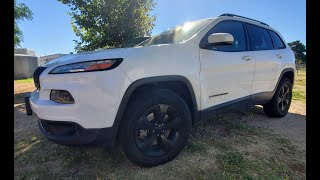
Used OEM Parts in Stock


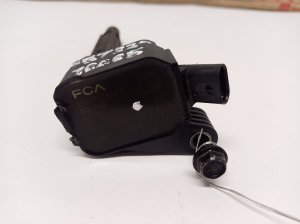
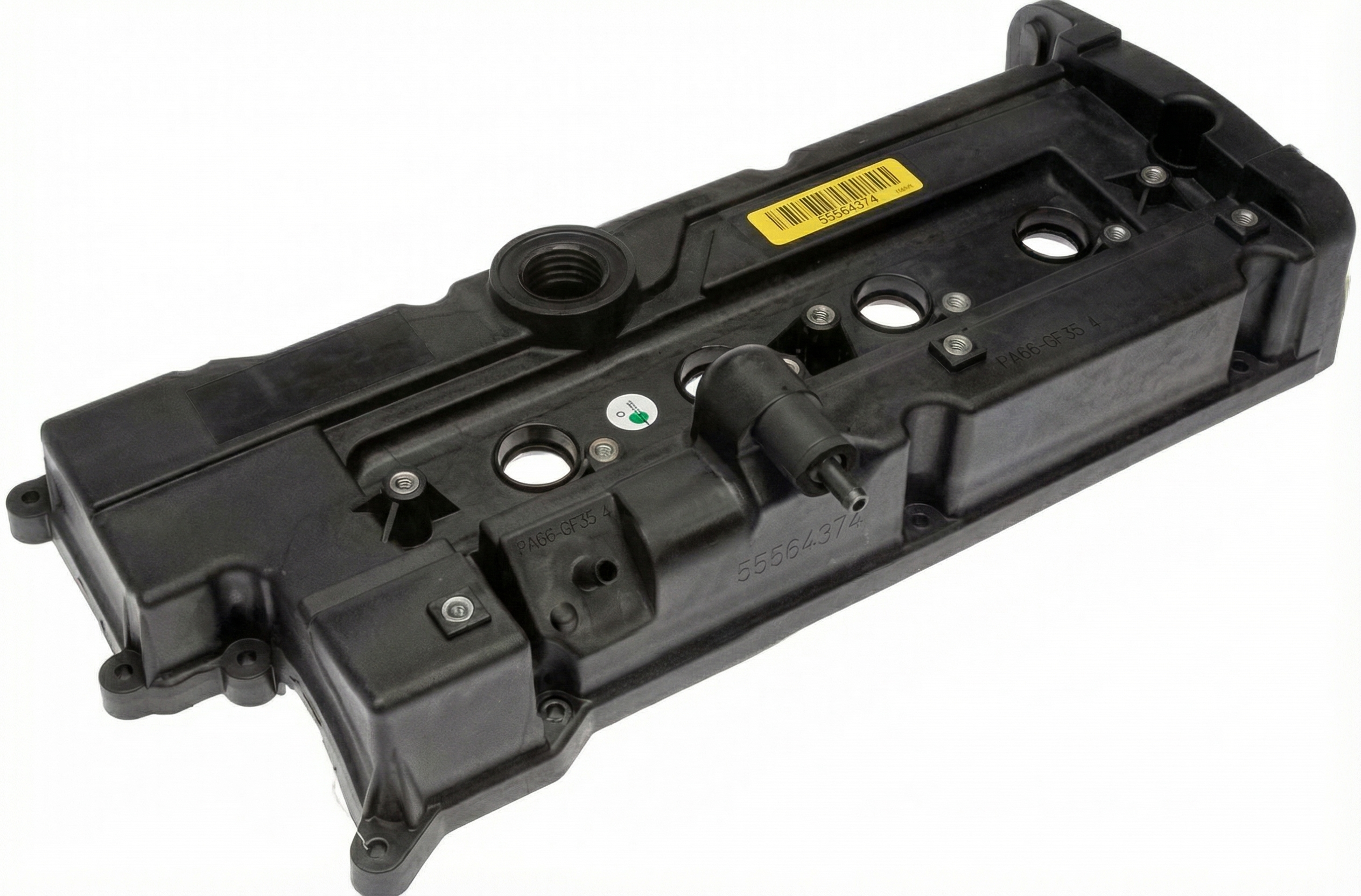
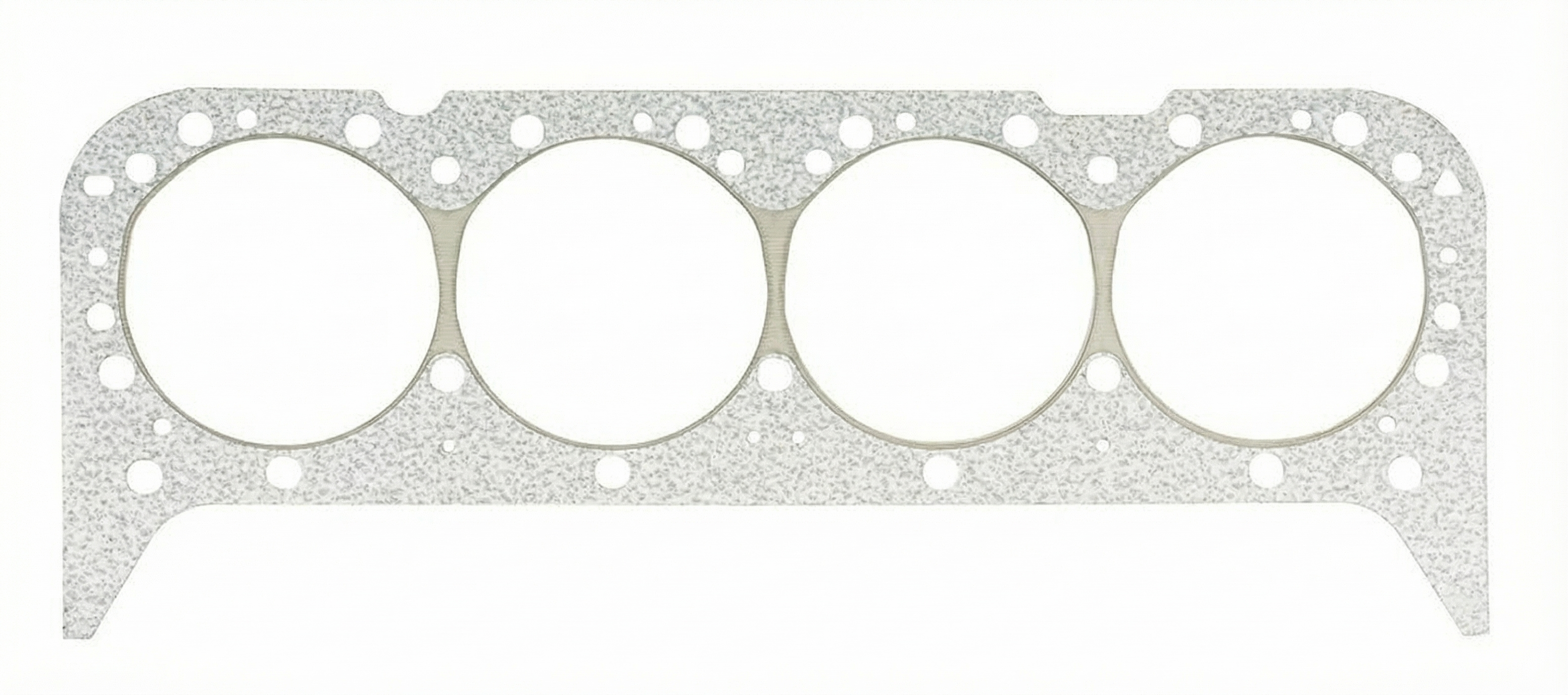
New Aftermarket Parts Available
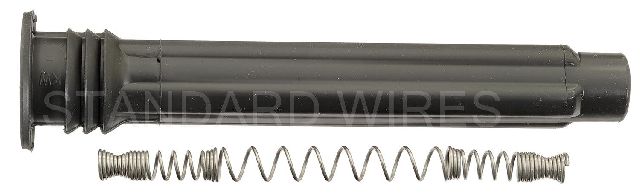
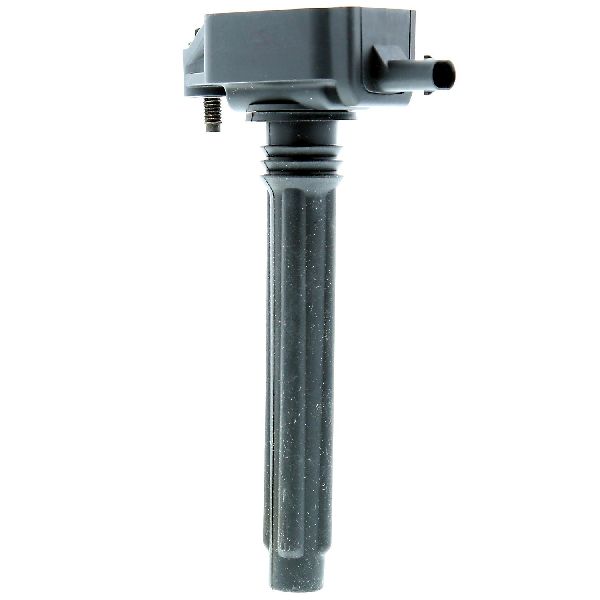
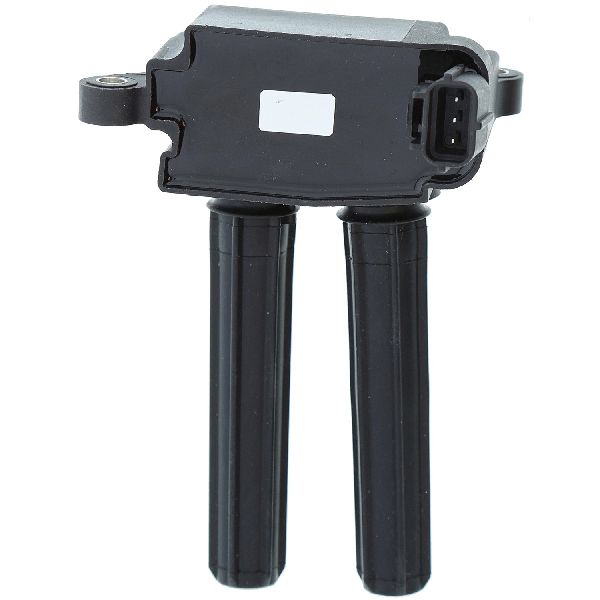


The information in this article is provided for general reference and educational purposes only. Vehicle specifications, procedures, and part compatibility can vary by production date, trim level, and region. Always consult your vehicle's factory service manual and verify part numbers before purchasing or performing repairs. Safety-critical components such as airbags, seat belts, and braking systems should be installed by a qualified professional.
- Jeep CHEROKEE:
- 🎬 Helpful Videos
- 🛍️ Shop This Part
- What's Unique About the 2014-2019 Jeep CHEROKEE
- Diagnostic Flowchart
- Symptoms You May Notice
- Most Likely Causes
- Rare But Worth Checking
- Diagnosis Steps
- Parts You'll Likely Need
- Related Codes That Often Appear With This One
- Technical Service Bulletins (TSBs) & Recalls
- Platform-Specific Known Issues
- Mechanic-Grade Diagnostic Values
- Scan Tool Commands That Help
- Wiring & Ground Locations
- Real Owner Repair Stories
- When the Usual Fixes Don't Work
- OEM Part Supersession History
- Model Year Variations Within This Range
- 🎟️ Get 5% Off