

P0304 on 2010-2014 Jaguar XK: Cylinder 4 Misfire Causes and Fixes
P0304 on a 2010-2014 Jaguar XK signifies a misfire in cylinder 4. The most common cause is a faulty ignition coil or a worn-out spark plug. A clogged or failing fuel injector is also a strong possibility on the 5.0L direct-injection engine, an issue noted in multiple Jaguar Technical Service Bulletins. Diagnosis typically starts by swapping the ignition coil from cylinder 4 to another cylinder to see if the fault follows.
- P0304 is a misfire on cylinder 4, which on a 2010-2014 XK is the second cylinder from the front on the passenger side.
- The most likely cause is a bad ignition coil or spark plug. The easiest way to diagnose a bad coil is to swap it with one from another cylinder and see if the code follows.
- Due to a manufacturer TSB, a clogged fuel injector is a significant possibility on this specific engine.
- Do not drive the vehicle if the Check Engine Light is flashing, as this can cause rapid and expensive damage to the catalytic converter.
What's Unique About the 2010-2014 Jaguar XK
The 2010-2014 Jaguar XK uses the 5.0L AJ133 V8 engine, which features a Gasoline Direct Injection (GDI) fuel system. While ignition components are a frequent cause of misfires on any engine, this platform is particularly susceptible to fuel injector issues. Jaguar has issued Technical Service Bulletins (e.g., SSM-63697, JTB00321NAS1) specifically mentioning that poor fuel quality can lead to clogged injectors and cause misfire codes like P0304. Furthermore, these GDI engines can be prone to carbon buildup on the back of the intake valves, which can disrupt airflow and cause misfires, though this is reported less frequently on the AJ133 than on some German counterparts. Early production 5.0L engines also had known issues with timing chain tensioners and guides, which could lead to misfires, often across an entire bank.
Diagnostic Flowchart
Tap your situation to follow the diagnostic path that matches what you're seeing on this vehicle.
Symptoms You May Notice
- Flashing or solid Check Engine Light
- Rough idle or engine vibration, especially at a stop.
- Hesitation or stumbling during acceleration
- Noticeable loss of engine power
- Reduced fuel economy
- Fuel smell from the exhaust.
- Hard starting
- Replacing oxygen sensors. O2 sensors report on the combustion process; they do not typically cause a single-cylinder misfire.
- Replacing the catalytic converter. A misfire can damage a catalytic converter, but a bad converter will not cause a P0304 code. A clogged converter would typically cause a loss of power and other codes.
Most Likely Causes
- Faulty Ignition Coil 🔴 High Probability Coil-on-plug systems are common failure points on modern engines due to constant exposure to heat and vibration. A very common related failure is a leaking valve cover gasket, which allows engine oil to seep into the spark plug tubes, soaking the coil boot and causing it to swell and fail.
How to confirm: Swap the ignition coil from cylinder 4 with another cylinder (e.g., cylinder 2). Clear the codes and run the engine. If the code changes to P0302, the ignition coil is the culprit. Visually inspect the old coil for cracks, melting, or a swollen, oil-soaked boot.
Typical fix: Replace the faulty ignition coil. It is often recommended to replace all 8 coils and spark plugs at the same time for preventative maintenance, especially on higher mileage vehicles.
Est. part cost: $40-$120 per coil - Worn or Fouled Spark Plug 🔴 High Probability Spark plugs are a regular maintenance item with a finite lifespan. They can become worn or fouled with carbon, oil (from a leaking valve cover gasket), or fuel, leading to a weak or inconsistent spark.
How to confirm: After confirming the ignition coil is good, remove the spark plug from cylinder 4. Inspect it for a worn electrode, carbon buildup, oil fouling, or a cracked insulator. Compare it to a new plug to gauge wear.
Typical fix: Replace the spark plug. It is best practice to replace all 8 spark plugs as a set to ensure consistent performance and avoid future misfires.
Est. part cost: $15-$30 per plug - Clogged or Faulty Fuel Injector 🟡 Medium Probability The direct injection system on the 5.0L V8 is sensitive to fuel quality. Jaguar TSB SSM-63697 directly links misfire codes to poor fuel quality or contaminants causing restricted injector flow. Forum discussions frequently cite injector failure as a cause for misfires on the AJ133 engine, sometimes affecting an entire bank of cylinders. Injectors can also become seized in the cylinder head, requiring a special tool for removal.
How to confirm: If the coil and spark plug are good, the injector is a prime suspect. A professional can perform an injector balance test using a tool like the Jaguar SDD. For a DIY diagnosis, you can swap the injector from cylinder 4 with another cylinder (a much more involved job than swapping a coil) and see if the misfire code follows.
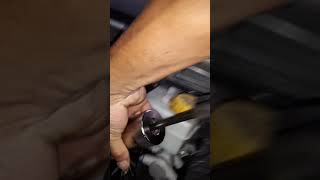
Typical fix: Replace the faulty fuel injector. This is an advanced job as the injectors can seize in the cylinder head and require a special slide hammer tool (JLR-310-197) 🎬 See how to remove a seized injector from the head. for removal. It is often recommended to replace all four injectors on the same bank at the same time.
Est. part cost: $100-$250 per injector
Rare But Worth Checking
- Low Engine Compression: While less common for a single-cylinder misfire, internal engine issues like a worn piston ring, bad valve, or a leaking head gasket can cause a loss of compression, leading to a persistent misfire. A compression test and a cylinder leak-down test can diagnose this.
- Vacuum Leak: A leak in the intake manifold gasket or a vacuum hose near the runner for cylinder 4 could lean out the mixture enough to cause a misfire. This would often affect adjacent cylinders as well and may be accompanied by a lean code (P0171/P0174). On rare occasions, the plastic intake manifold itself can crack.
- Carbon Buildup on Intake Valves: As a direct-injection engine, the AJ133 does not spray fuel over the intake valves, which can allow carbon deposits from the PCV system to build up over time. While not as severe as on some other GDI engines, significant buildup can restrict airflow into the cylinder and cause misfires, especially on cold starts. This typically requires manual cleaning (walnut blasting).
- Timing Chain Issue: Early (2010-2012) AJ133 engines are known for issues with timing chain tensioners and guides. While this usually causes misfires across an entire bank (P0302, P0304, P0306, P0308), it could potentially manifest as a single cylinder misfire in its early stages.
Diagnosis Steps
- Read the code with an OBD-II scanner to confirm P0304 is present and check for other codes like P0316 or other cylinder misfires.
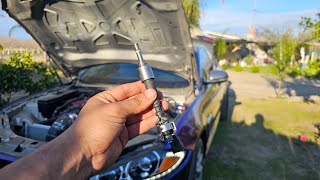
- Identify cylinder 4. On the Jaguar 5.0L V8, the passenger side bank (Bank 2 in the US) is numbered 2, 4, 6, 8 from front to back. Cylinder 4 is the second one from the front on the passenger side. 🎬 Watch this quick video on diagnosing and fixing an AJ133 misfire.
- Swap the ignition coil from cylinder 4 with the coil from cylinder 2. Clear the codes, start the engine, and see if the misfire code moves to P0302. If it does, the coil is faulty.
- If the code remains P0304, inspect the spark plug from cylinder 4. Check the spark plug well for oil, which indicates a leaking valve cover gasket that must be replaced. If no oil is present, inspect the plug for wear, damage, or fouling. Replace if in any doubt.
- If the coil and plug are confirmed good, the problem likely lies with the fuel injector or wiring. Inspect the electrical connector for the cylinder 4 injector and coil for damage or corrosion.
- Listen to the cylinder 4 fuel injector with a mechanic's stethoscope; it should have a regular, audible clicking sound. Compare it to a known good cylinder.
- As a first, simple step for a suspected injector issue, use a high-quality fuel system cleaner with Polyetheramine (PEA), such as BG 44K or Redline SI-1, as recommended by Jaguar's TSB and owner forums.
- If the problem persists, a definitive diagnosis may require swapping the fuel injector with another cylinder (an advanced task) or performing a professional injector balance test.
- If all ignition and fuel components check out, perform a compression test and cylinder leak-down test to rule out mechanical engine problems like bad valves or piston rings.
Parts You'll Likely Need
- Ignition Coil
(OEM #AJ811378)— This is the most common failure point for a single-cylinder misfire on most modern engines. Also cross-references to Land Rover part LR010687.
Trusted brands: Bosch, NGK, Denso, Standard Motor Products (UF618)
OEM price range: $90-$130
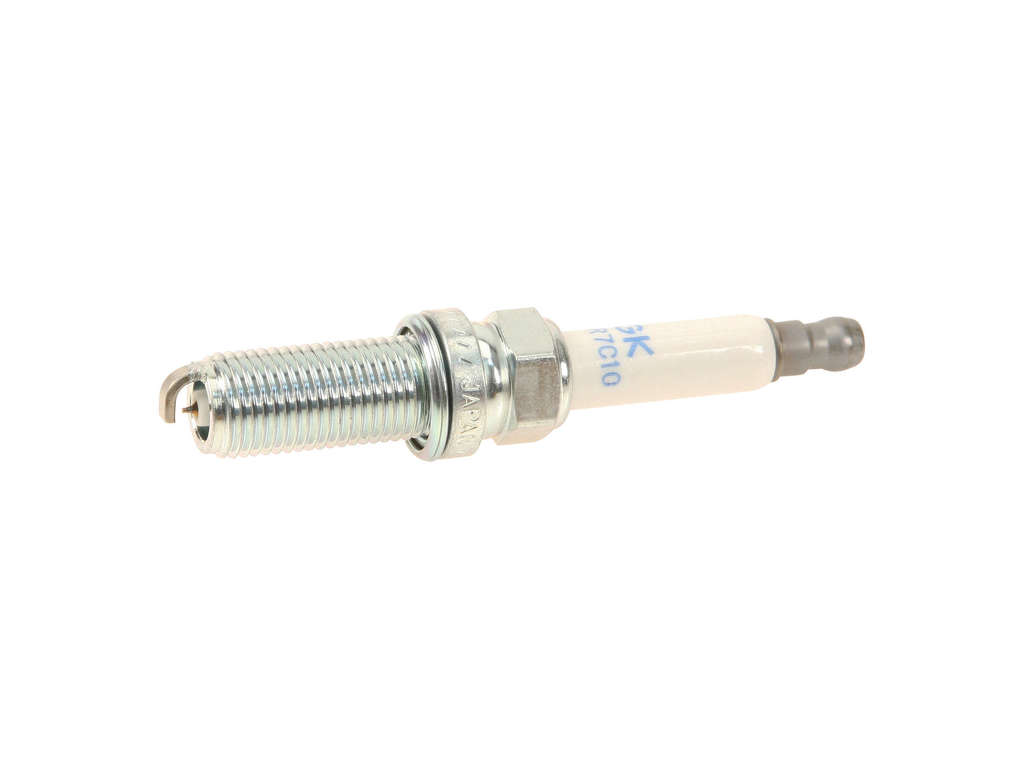
Aftermarket price range: $40-$80 - Spark Plug
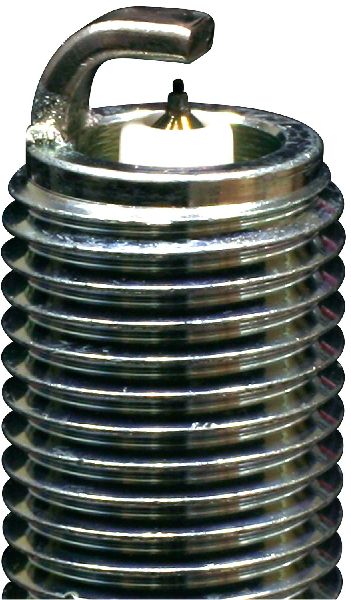
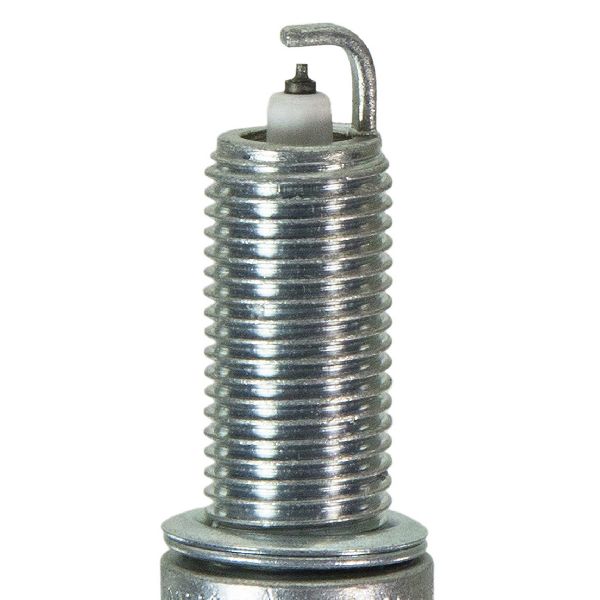
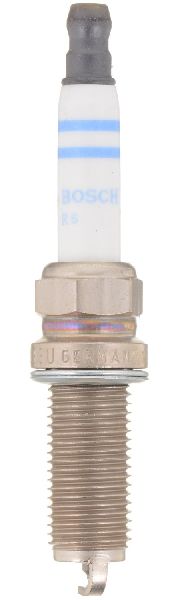
(OEM #C2P17593 (Often NGK ILKAR7C10))— A worn or fouled spark plug is the second most common cause and is a standard maintenance item.
Trusted brands: NGK, Bosch
OEM price range: $20-$30
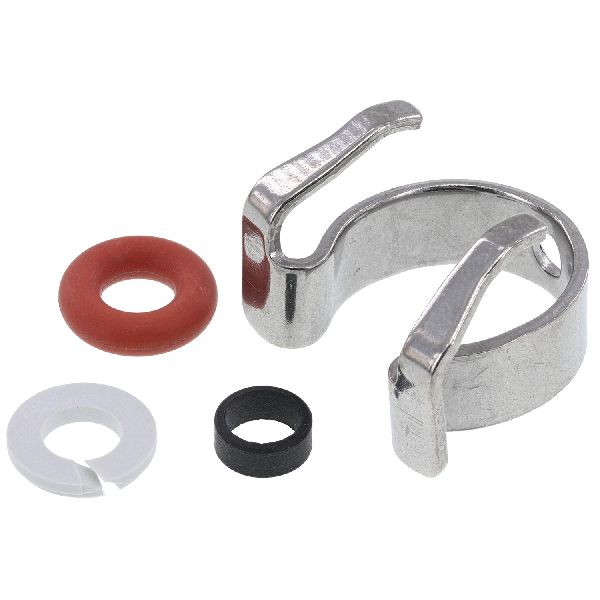
Aftermarket price range: $15-$25 - Fuel Injector
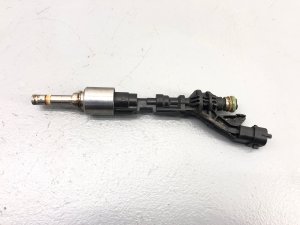
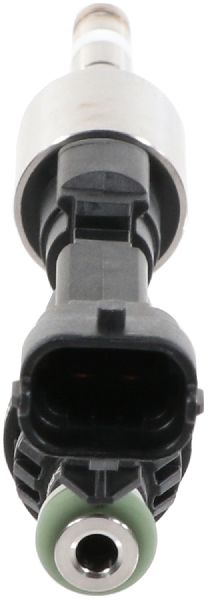
(OEM #C2D24386)— A known issue on the 5.0L direct-injection engine, often linked to fuel quality as per TSB SSM-63697. The Bosch equivalent part number is 0261500298.
Trusted brands: Bosch, Jaguar (OEM)
OEM price range: $300-$415
Aftermarket price range: $100-$250
Related Codes That Often Appear With This One
- P0316 — This code means 'Misfire Detected on Startup (First 1000 Revolutions)'. It frequently appears with a specific cylinder misfire code like P0304 to indicate when the misfire is occurring. On the AJ133, this combination can strongly point towards a fuel injector issue.
- P0300 — This code for 'Random/Multiple Cylinder Misfire' may appear if the problem (like a fuel delivery issue or vacuum leak) is beginning to affect other cylinders intermittently.
- P0302, P0306, P0308 — If other misfire codes on the same bank (Bank 2) appear alongside P0304, it could indicate a more systemic problem like a clogged catalytic converter on that bank, a failing high-pressure fuel pump for that bank, or a timing chain issue.
Technical Service Bulletins (TSBs) & Recalls
- SSM-63697: States that misfire codes may be stored due to poor fuel quality or fuel contaminants affecting the fuel injector flow rate.
- JTB00321NAS1: Supersedes earlier bulletins, reiterating that misfires can be caused by clogged injectors and outlining diagnostic procedures.
- JTB00533NAS1: Addresses hard starting and cold-start misfires (including P0316) caused by a fuel injection calibration issue, fixed with a PCM software update.
Platform-Specific Known Issues
- TSB SSM-63697 & JTB00321NAS1: Jaguar noted that misfire codes (P0301-P0308) can be caused by poor fuel quality or fuel contaminants. The TSB suggests that if no other cause is found, clogged injectors are likely. The initial action is often a fuel system cleaning before part replacement.
- Seized Fuel Injectors: The direct injectors on the 5.0L V8 are known to seize in the cylinder head due to carbon buildup and corrosion, making removal very difficult. A special slide hammer tool (JLR-310-197) is often required. Some owners have fabricated their own pullers or used zip ties to gain leverage in the tight engine bay.
- Injector Bank Failure: It is not uncommon for multiple injectors on the same bank (e.g., cylinders 2, 4, 6, 8) to fail or become restricted around the same time, leading to multiple misfire codes on one side of the engine.
Mechanic-Grade Diagnostic Values
- High-Pressure Fuel System Pressure (Direct Injection) — expected: Initial start-up pressure around 1450 PSI, leveling out to ~800 PSI at idle. Can reach up to 2900 PSI under high demand.. Failure: Pressure that is significantly lower than commanded pressure, or pressure that drops to zero, will trigger a limp mode (Restricted Performance) and can cause misfires. This often sets a P0087 code.
- Low-Pressure Fuel System Pressure (In-Tank Pump) — expected: Approximately 55-75 PSI feeding the high-pressure pumps.. Failure: Low pressure from the in-tank pump will starve the high-pressure pumps, leading to low high-side pressure and misfires under load.
- Engine Ground Strap Voltage Drop — expected: Well under 0.5V (500mV) when cranking the engine. The measurement is taken between the negative battery terminal and various grounding points on the engine block.. Failure: A reading higher than 0.5V indicates a poor ground connection, which can cause a wide range of electrical issues, including weak spark and misfires.
Scan Tool Commands That Help
- Jaguar SDD (Symptom Driven Diagnostics): Data Logger / Live Data — To monitor live misfire counts per cylinder, and to check commanded vs. actual fuel pressure for both the low and high-pressure systems. This is critical for distinguishing a fuel delivery problem from an ignition or mechanical issue.
- Jaguar SDD (Symptom Driven Diagnostics): Power Balance Test — While not explicitly named 'Power Balance' in all versions, SDD allows for the deactivation of individual fuel injectors to observe the corresponding drop in engine RPM. If deactivating cylinder 4 causes no change in idle quality, it confirms that cylinder is not contributing power.
- Jaguar SDD (Symptom Driven Diagnostics): High-Pressure Fuel Pump (HPFP) Test — To specifically test the functionality of the high-pressure fuel pumps when a P0087 code is present alongside misfire codes, or when fuel pressure is suspected to be low under load.
Wiring & Ground Locations
- Engine Ground Strap — On the driver's side (US), it is a braided strap that connects the gearbox bell housing to the vehicle's body/chassis, located just behind the catalytic converter.. This is the main ground connection for the engine. Corrosion or looseness of this strap can cause insufficient grounding for the ignition coils, leading to a weak spark and intermittent misfires that are difficult to diagnose. Visual inspection for corrosion is critical.
- Cylinder 4 Ignition Coil Wiring — The ignition coil for cylinder 4 is on the top left (passenger side in US) of the engine, second from the front. The Engine Control Module (ECM) is located in the left rear of the engine compartment.. Damage to the wiring harness or corrosion at the connector for the coil or the ECM can interrupt the signal, preventing the coil from firing. A visual inspection of the harness where it might rub against other components is recommended.
Real Owner Repair Stories
- Jaguar Forums user Cee Jay (2012 XKR, 64,000 miles) — Sudden loss of power, barely able to idle, died multiple times. Codes P0300, P0302, P0304, P0306, P0308 (misfires on all of Bank 2).
❌ Tried (didn't work) Initial thought was a clogged catalytic converter, but that was considered unlikely at the mileage.
✅ What actually fixed it The final resolution was not explicitly stated in the provided snippets, but the user was proceeding with diagnosis using the Jaguar SDD software, suspecting a fuel injector rail issue or a Cam Position Sensor failure, as the problem affected the entire bank.
"I Checked Everything" — The Actual Cause
- In one documented case on a similar Jaguar V8, a persistent rough idle and misfire-like symptoms that did not respond to spraying starter fluid (similar to a smoke test for finding leaks) was ultimately caused by a cracked plastic intake manifold. The crack was internal or in a location not easily reached by the spray, leading to a misdiagnosis until the manifold was removed and inspected.
OEM Part Supersession History
AJ811378 (Ignition Coil)→AJ813989, C2Z18784— Standard part revision and improvement by the manufacturer.C2D24386 (Fuel Injector)→C2D45732, C2D55183, LR079542— Part revisions to improve reliability or address known issues.C2Z28428 (Timing Chain Tensioner)→AJ813898— Redesign to prevent premature wear and failure of the timing chain guides.
Model Year Variations Within This Range
- 2010-~2012: Early AJ133 engines used timing chain guides made of a softer aluminum material. The steel plunger of the tensioner could wear a groove into the guide over time, leading to slack in the timing chain, which could cause misfires. A revised guide with a steel contact point was introduced around 2012-2013.
- Early production (approx. 2010-2011): Some very early 5.0L engines used a timing chain system from supplier Tsubaki with a 6.35mm pitch, which was later changed to an INA system with an 8mm pitch. The components (chains, guides, tensioners) are not interchangeable.
Helpful Videos
Used OEM Parts in Stock

New Aftermarket Parts Available

The information in this article is provided for general reference and educational purposes only. Vehicle specifications, procedures, and part compatibility can vary by production date, trim level, and region. Always consult your vehicle's factory service manual and verify part numbers before purchasing or performing repairs. Safety-critical components such as airbags, seat belts, and braking systems should be installed by a qualified professional.
- Jaguar XK:
- 🎬 Helpful Videos
- 🛍️ Shop This Part
- What's Unique About the 2010-2014 Jaguar XK
- Diagnostic Flowchart
- Symptoms You May Notice
- Most Likely Causes
- Rare But Worth Checking
- Diagnosis Steps
- Parts You'll Likely Need
- Related Codes That Often Appear With This One
- Technical Service Bulletins (TSBs) & Recalls
- Platform-Specific Known Issues
- Mechanic-Grade Diagnostic Values
- Scan Tool Commands That Help
- Wiring & Ground Locations
- Real Owner Repair Stories
- "I Checked Everything" — The Actual Cause
- OEM Part Supersession History
- Model Year Variations Within This Range
- 🎟️ Get 5% Off