

P0304 on 2009-2015 Honda Pilot: Cylinder 4 Misfire Causes & Fixes
P0304 on a 2009-2015 Honda Pilot indicates a misfire in cylinder 4. This is most frequently caused by spark plug fouling due to excessive oil consumption from the Variable Cylinder Management (VCM) system. The official fix, detailed in Honda TSB A13-082, ranges from a PCM software update and new spark plugs to a more involved piston ring replacement. Many owners opt to install an aftermarket VCM disabling device to prevent recurrence.
- P0304 on a 2009-2015 Pilot is not just a random misfire; it's very likely related to the engine's VCM system.
- Always inspect the spark plug from cylinder 4 first. An oil-fouled plug is a strong indicator of the VCM-related issue.
- A simple diagnostic step is to swap the ignition coil from cylinder 4 to another cylinder to see if the misfire code follows it.
- Be aware of Honda's Technical Service Bulletins (TSBs), especially A13-082, which detail a known piston ring issue that causes these misfires.
- While a DIYer can handle spark plug and coil replacement, the ultimate fix for a recurring P0304 might be a piston ring job, which is a major repair best left to professionals.
What's Unique About the 2009-2015 Honda PILOT

The 2009-2015 Honda Pilot is equipped with the J35Z4 3.5L V6 engine, which features a Variable Cylinder Management (VCM) system designed to improve fuel economy by deactivating cylinders under light load. However, this system, specifically the VCM-2 version, is a known source of problems. It can cause the piston rings on the deactivated cylinders (1-4) to align, leading to excessive oil consumption. This oil fouls the spark plugs, directly causing misfire codes like P0304. This issue was so widespread that it led to a class-action lawsuit (Soto, et al. v. American Honda Motor Co., Inc.) and Honda issuing Technical Service Bulletins (TSBs) and a warranty extension to address the problem.
Diagnostic Flowchart

Tap your situation to follow the diagnostic path that matches what you're seeing on this vehicle.
Symptoms You May Notice
- Rough idle or engine shaking
- Noticeable loss of power and acceleration
- Flashing or solid Check Engine Light
- Hesitation during acceleration
- Increased fuel consumption
- Smell of unburned fuel from the exhaust
- Engine vibration, especially when VCM engages/disengages
- VSA (Vehicle Stability Assist) warning light may illuminate along with the check engine light.
- Replacing only the ignition coil without inspecting the spark plug. The underlying cause is often a fouled plug, which can stress and damage a new coil if not addressed.
- Repeatedly replacing spark plugs without addressing the root VCM issue. This becomes a cycle of replacing plugs every few thousand miles until either the piston rings are replaced or a VCM disabler is installed.
Most Likely Causes

- Fouled Spark Plugs (due to VCM issue) 🔴 High Probability The VCM system's tendency to cause oil blow-by past the piston rings is the primary reason for spark plug fouling in cylinders 1-4. This is a well-documented issue and the most common cause of a P0304. Honda TSB A13-082 directly links spark plug fouling to P0301-P0304 codes. An inspection will typically reveal a black and oily plug.
How to confirm: Remove the spark plug from cylinder 4 (front bank, driver's side) and inspect it. A fouled plug will be black, oily, or have heavy carbon deposits, in contrast to a healthy plug which has a light brown insulator tip.
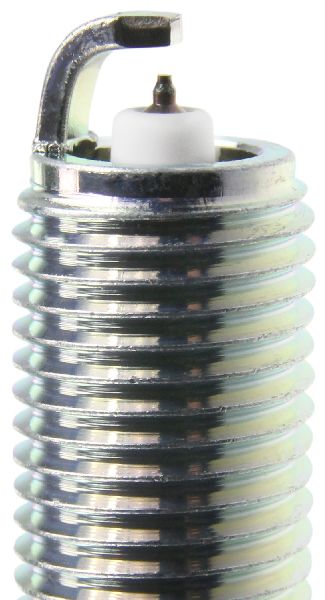
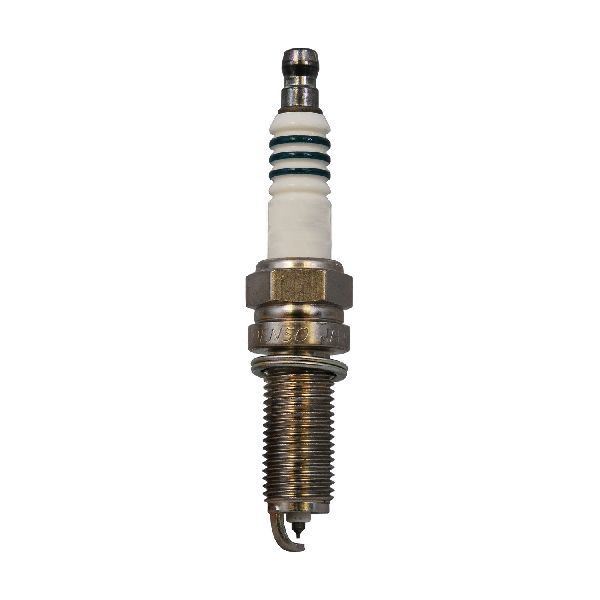
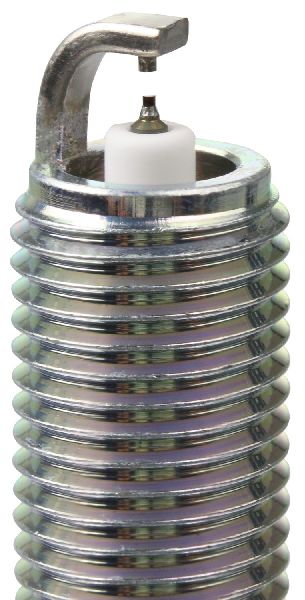
Typical fix: Replace the fouled spark plug(s), typically NGK or Denso Iridium plugs are recommended. For 2009-2011 models, a PCM software update was the first step per TSB A13-082. If the problem persists or for a permanent solution, many owners install a VCM disabling device ('VCM Muzzler', 'VCMTuner II', 'S-VCM Controller') to prevent the system from activating.
Est. part cost: $15-$30 per spark plug - Piston Ring Failure 🟡 Medium Probability As a direct result of the VCM design, the piston rings on cylinders 1-4 can rotate and align, allowing oil to enter the combustion chamber, causing chronic spark plug fouling and misfires. This was the central issue in the class-action lawsuit and is the subject of TSB A13-082.
How to confirm: A wet compression test and a cylinder leak-down test on cylinder 4 are required. Significantly low compression that improves when a small amount of oil is added to the cylinder points to a piston ring issue.
Typical fix: This is a major engine repair that involves cleaning the pistons and replacing the piston rings on the affected bank of cylinders (1-4). This repair was covered under a warranty extension for 8 years with unlimited mileage from the original purchase date.
Est. part cost: $150-$300 for piston ring set and required gaskets - Faulty Ignition Coil 🟡 Medium Probability Ignition coils are a common wear item on any modern vehicle. Heat and vibration can cause them to fail over time, and a fouled spark plug can put extra stress on the coil.
How to confirm: Swap the ignition coil from cylinder 4 with another cylinder (e.g., cylinder 5, which is on the rear bank). Clear the codes and drive the vehicle. If the misfire code changes to P0305, the ignition coil is faulty.
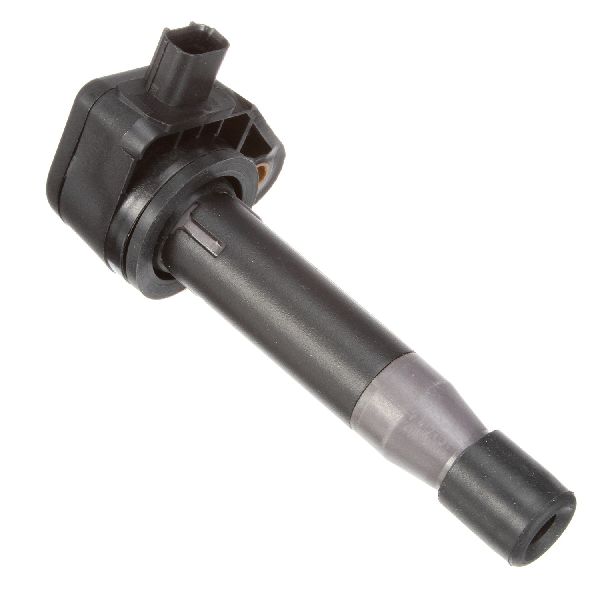
Typical fix: Replace the faulty ignition coil. The OEM part number is typically 30520-RN0-A01.
Est. part cost: $50-$150 - Clogged or Faulty Fuel Injector ⚪ Low Probability While less common than VCM or ignition issues, fuel injectors can become clogged or fail, preventing proper fuel delivery and causing a misfire.
How to confirm: Swap the fuel injector from cylinder 4 with another cylinder. If the misfire follows the injector, it is the cause. This is more labor-intensive than swapping a coil. A technician can also perform a fuel injector balance test.
Typical fix: Replace the faulty fuel injector. Sometimes professional cleaning can restore function.
Est. part cost: $70-$200
Rare But Worth Checking
- Needs Valve Adjustment:
Diagnosis Steps
- Read the code with an OBD-II scanner and check for any other pending or stored codes. Note freeze frame data if available.
- Note if the Check Engine Light is solid or flashing. A flashing light indicates a severe misfire requiring immediate attention to prevent catalytic converter damage.
- Visually inspect the engine bay for any obvious issues like disconnected vacuum hoses or damaged wiring.
- Remove and inspect the spark plug from cylinder 4. Look for signs of heavy carbon buildup or oil fouling. A black, wet plug is a strong indicator of the VCM issue.
- If the plug is fouled, replace it. Consider replacing all plugs on the front bank (1-4) for good measure.
- Swap the ignition coil from cylinder 4 to cylinder 5. Clear the codes and drive to see if the code changes to P0305. If it does, the coil is bad.
- If the misfire remains on cylinder 4, the issue is likely fuel-related or mechanical.
- Check the wiring and connector for the fuel injector on cylinder 4 for any visible damage.
- If ignition and fuel delivery seem okay, perform a compression test (both dry and wet) and a cylinder leak-down test. A significantly lower reading in cylinder 4 points towards a mechanical problem like worn piston rings or a valve issue.
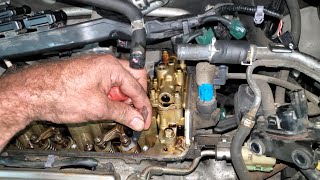
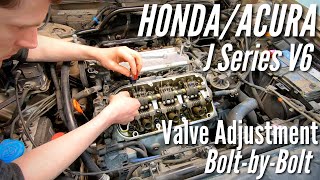
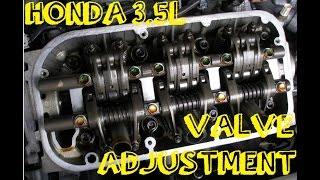
- If the vehicle has over 100,000 miles and the history is unknown, consider checking valve clearances. 🎬 Watch: How to perform a valve lash adjustment on this engine.
Parts You'll Likely Need
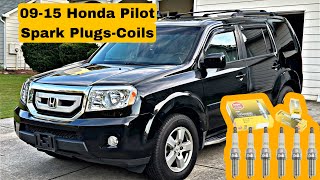
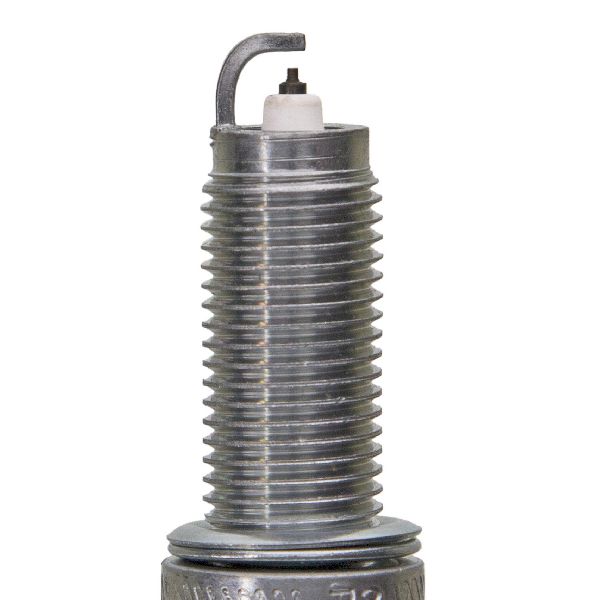
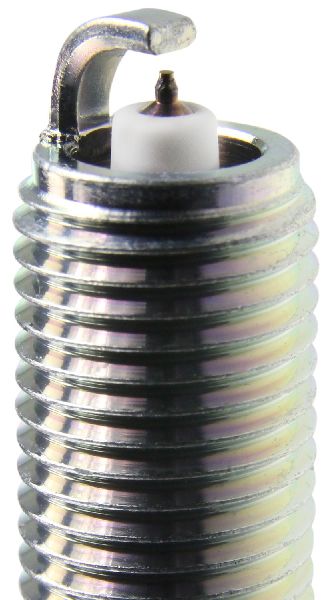
- Spark Plug
(OEM #12290-R70-A01 (NGK ILZKR7B11) or 12290-R71-L01 (NGK DILZKR7A11G) depending on year.)— Often fouled by oil due to the VCM issue, making it the most common failure point for a P0304 code on this vehicle.
Trusted brands: NGK, Denso
OEM price range: $20-$35
Aftermarket price range: $10-$25 - Ignition Coil
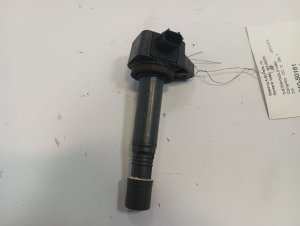
(OEM #30520-RN0-A01)— A standard failure item that can cause a misfire on a single cylinder. A fouled plug can also cause premature coil failure.
Trusted brands: Honda Genuine, Hitachi, Denso
OEM price range: $100-$150
Aftermarket price range: $50-$90 - Piston Ring Set — The ultimate fix for the chronic VCM-related oil consumption and misfire issue, as documented in Honda TSBs. This is a major repair.
Trusted brands: Honda Genuine
OEM price range: $150-$250
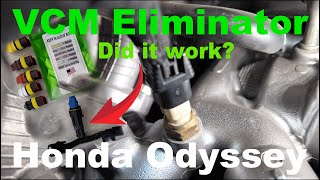
Aftermarket price range: $80-$150 - VCM Disabler / Muzzler
(OEM #N/A (Aftermarket only))— A popular preventative and corrective measure installed by owners to disable the VCM system, stopping the root cause of oil consumption and spark plug fouling.
Trusted brands: VCMTuner, S-VCM Controller, VCMuzzler II
OEM price range: N/A
Aftermarket price range: $90-$140
Related Codes That Often Appear With This One
- P0300 — If the misfire condition is intermittent or affects multiple cylinders, a P0300 (Random/Multiple Cylinder Misfire Detected) may be stored alongside P0304.
- P0301, P0302, P0303 — The VCM-related oil fouling issue affects the entire front bank of cylinders (1, 2, 3, and 4). It is very common to see a combination of these codes together, as they are all explicitly mentioned in TSB A13-082.
- VSA System Warning — A misfire can cause the engine to run rough, which can be interpreted by the Vehicle Stability Assist (VSA) system as a potential traction problem, triggering the VSA warning light. Addressing the engine misfire will typically resolve the VSA light.
Technical Service Bulletins (TSBs) & Recalls
- A13-082: The primary TSB for this issue. It explicitly states that P0301-P0304 codes can be caused by piston rings rotating and aligning, leading to spark plug fouling. It outlines the warranty extension and the two-step repair procedure (software update for 2009-11, then piston ring replacement if needed; direct ring replacement for 2012-13).
- A26-002: A later TSB that also mentions misfire DTCs P0301-P0304 as a potential issue related to engine problems.
Platform-Specific Known Issues
- Variable Cylinder Management (VCM) System: The primary specific issue for this vehicle. The VCM system deactivates cylinders 1-4 to save fuel, but this can lead to oil migrating past the piston rings, fouling spark plugs, and causing misfires. This was the subject of a class-action lawsuit (Soto, et al. v. American Honda Motor Co., Inc.) and resulted in Honda extending the warranty and issuing TSBs.
- Warranty Extension & TSBs: Honda issued TSB A13-082 to address this problem. The warranty was extended to 8 years from the original purchase date with no mileage limitation for this specific issue. The repair procedure depends on the model year. 2009-2011 models first receive a PCM software update and new spark plugs. If the issue returns, or for 2012-2013 models from the start, the fix involves a more extensive repair of cleaning pistons and replacing the piston rings on the affected cylinders.
- Community Solution - VCM Muzzler: A large number of owners on forums like Piloteers.org and Reddit have successfully resolved recurring misfire issues by installing an aftermarket VCM disabling device. These devices trick the ECU into thinking the engine hasn't reached operating temperature, which prevents the VCM from activating, thereby stopping the oil consumption problem at its source.
Mechanic-Grade Diagnostic Values
- Fuel Pressure at Idle — expected: 380-430 kPa (55-63 psi) for 2009-2011 models; 390-440 kPa (57-64 psi) for 2012-2015 models.. Failure: Pressure below the specified range may indicate a weak fuel pump or clogged filter.
- Valve Clearance (Cold Engine) — expected: Intake: 0.20-0.24 mm (0.008-0.009 in); Exhaust: 0.28-0.32 mm (0.011-0.013 in).. Failure: Clearance outside of this range, especially tight exhaust valves, can cause compression loss and misfires.
- Ignition Coil Primary Resistance — expected: Approximately 0.7 to 1.1 ohms.. Failure: A reading significantly outside this range, or an open circuit, indicates a faulty coil.
- Ignition Coil Secondary Resistance — expected: Approximately 5.9 to 7.1 kOhms, but can range up to 19 kOhms depending on the specific coil version.. Failure: An open circuit (infinite resistance) or a reading far outside the expected range points to a failed coil.
Hidden / Shadow Codes Worth Checking
- Mode $06 Misfire Counts: Even without a stored P0304 code, a professional scan tool can access Mode $06 data to see raw misfire counts for each cylinder. This can help identify an intermittent misfire on cylinder 4 before it's frequent enough to trigger the check engine light. (see via Use a scan tool with Mode $06 capabilities. Look for Test ID (TID) $A2 through $A7 for cylinders 1-6 respectively. A non-zero value for cylinder 4 (TID $A5) indicates misfires have occurred.)
Scan Tool Commands That Help
- Honda HDS (or advanced aftermarket scanner): Misfire Count Live Data — This is the most direct way to confirm an active misfire. A technician can watch the live data for cylinder 4 and see the misfire count increase in real-time as the engine runs, confirming the issue without having to wait for a code to set.
- Honda HDS (or advanced aftermarket scanner): Power Balance Test / Injector Cut-off — This function allows a technician to disable one cylinder at a time. When cylinder 4 is disabled, if there is no change in engine RPM or sound, it confirms that cylinder was not contributing power, pinpointing the misfire location.
Wiring & Ground Locations
- Cylinder 4 Ignition Coil & Injector — Cylinder 4 is on the front bank (closest to the radiator), on the driver's side of the engine.. Correctly identifying cylinder 4 is the first step for any hands-on diagnosis like swapping coils or inspecting plugs.
- G101 (Engine Ground) — Located on the top front of the engine, typically on or near the thermostat housing.. This is a primary ground for the PCM and various engine sensors. A poor connection at G101 can cause erratic sensor readings and phantom misfires that are difficult to diagnose.
- Injectors 4, 5, & 6 — Located on the top of the left cylinder bank (front bank).. Provides a physical location for checking the wiring and connector for the cylinder 4 fuel injector.
Real Owner Repair Stories
- Honda-Tech forum user Martyv66 (2015 Honda Pilot, 100k miles) — Check engine light on and off repeatedly, codes for misfire in cylinders 5 & 6, and sometimes cylinder 4, especially when cold.
❌ Tried (didn't work) 100k mile service including timing belt, Swapping spark plugs and coils, New fuel injectors, Valve adjustment
✅ What actually fixed it The user was advised by another forum member that the symptoms (fouled plugs on VCM-active cylinders) were classic for the VCM issue and that a 'VCM muzzler' would likely solve the problem by preventing the system from activating and causing oil seepage. - Reddit user r/MechanicAdvice (2006 Honda Pilot) — Multiple misfire codes including P0304, P0300, P0301, P0303, P0305, P0306. VSA light and triangle also on. Found oil on cylinder 5 spark plug.
❌ Tried (didn't work) Oil change, New spark plugs, New coil boots/springs, New EGR valve, New PCV valve
✅ What actually fixed it The final resolution was not posted, but a top comment suggested the catalytic converter on that bank might be clogged, a known issue for that J-series generation, or that the coil for the oily plug was now dead from prolonged exposure. The recommended next step was to swap coils to see if the misfire followed.
OEM Part Supersession History
30520-RN0-A01→30520-RN0-S01— Standard part revision by the manufacturer.
Heads up: The parts are interchangeable. 30520-RN0-S01 is the currently supplied service part.
Model Year Variations Within This Range
- 2009-2011: Honda TSB A13-082 specifies a PCM software update as the initial step for these earlier models to help control the VCM-related oil consumption issue. This update was not specified for the 2012-2015 models, which may have received the updated logic from the factory.
- 2009-2015: A special adapter (Part # 07AAJ-S6MA150) is required to connect a standard fuel pressure gauge to the fuel line for testing.
Helpful Videos
Used OEM Parts in Stock
New Aftermarket Parts Available

The information in this article is provided for general reference and educational purposes only. Vehicle specifications, procedures, and part compatibility can vary by production date, trim level, and region. Always consult your vehicle's factory service manual and verify part numbers before purchasing or performing repairs. Safety-critical components such as airbags, seat belts, and braking systems should be installed by a qualified professional.
- Honda PILOT:
- 🎬 Helpful Videos
- 🛍️ Shop This Part
- What's Unique About the 2009-2015 Honda PILOT
- Diagnostic Flowchart
- Symptoms You May Notice
- Most Likely Causes
- Rare But Worth Checking
- Diagnosis Steps
- Parts You'll Likely Need
- Related Codes That Often Appear With This One
- Technical Service Bulletins (TSBs) & Recalls
- Platform-Specific Known Issues
- Mechanic-Grade Diagnostic Values
- Hidden / Shadow Codes Worth Checking
- Scan Tool Commands That Help
- Wiring & Ground Locations
- Real Owner Repair Stories
- OEM Part Supersession History
- Model Year Variations Within This Range
- 🎟️ Get 5% Off