

P0304 on 2008-2015 Honda Odyssey: Cylinder 4 Misfire Causes and Fixes
On a 2008-2015 Honda Odyssey, code P0304 is almost always a spark plug in cylinder 4 that has been fouled by oil. This is a well-documented symptom of a larger issue with the Variable Cylinder Management (VCM) system causing piston ring problems. The simplest fix is a new spark plug, but the underlying issue may require new piston rings, a repair covered by Honda's extended warranty. Many owners install a 'VCM Muzzler' to disable the system and prevent recurrence.
- P0304 on a 2008-2015 Odyssey is almost always caused by an oil-fouled spark plug in cylinder 4.
- The root cause is a design issue with the Variable Cylinder Management (VCM) system that leads to oil consumption by damaging piston rings.
- Check if your vehicle is covered by Honda's warranty extension (TSB 13-081) for a free dealer repair of the piston rings.
- A quick fix is to replace the spark plug in cylinder 4.
- For a long-term DIY solution, many owners install a 'VCM Muzzler' to disable the system and prevent future plug fouling.
What's Unique About the 2008-2015 Honda ODYSSEY

This era of Honda Odyssey with the 3.5L V6 engine uses a fuel-saving technology called Variable Cylinder Management (VCM). This system deactivates certain cylinders, including cylinders 1-4, during light-load conditions. 🎬 Watch: Everything you need to know about how VCM works. An unintended consequence is that the piston rings on these deactivated cylinders can become stuck with carbon or align, allowing oil to seep into the combustion chamber and foul the spark plugs. This has been such a widespread problem that Honda settled a class-action lawsuit (Soto, et al. v. American Honda Motor Co., Inc.) and issued warranty extensions (TSB 13-081) related to this exact issue, which specifically causes codes P0301 through P0304.
Diagnostic Flowchart

Tap your situation to follow the diagnostic path that matches what you're seeing on this vehicle.
Generation note: This range covers the end of the third generation (2008-2010, RL3/RL4) and the start of the fourth generation (2011-2015, RL5). Both generations use a 3.5L V6 engine with VCM (VCM-2) and are known to suffer from the oil consumption and spark plug fouling issue that triggers P0304.
Symptoms You May Notice

- Check Engine Light (CEL) is on or flashing
- Rough or shaky idle
- Engine hesitation or stumbling during acceleration
- Noticeable loss of power
- Reduced fuel economy
- Smell of unburned gasoline from the exhaust
- Excessive Oil Consumption between oil changes.
- Replacing only the ignition coil without inspecting the spark plug. The plug is the most common failure point due to oil fouling.
- Replacing fuel injectors when the issue is oil fouling of the spark plug.
- Assuming the engine needs a complete replacement when the piston ring service or VCM deactivation would solve the problem.
Most Likely Causes

- Fouled Spark Plug in Cylinder 4 🔴 High Probability As documented in NHTSA complaints and Honda's own service bulletins, the VCM system can cause oil to contaminate and ruin the spark plug in cylinder 4. This is the most common immediate failure part.
How to confirm: Remove the ignition coil and spark plug from cylinder 4. The plug will likely be black, sooty, and wet with oil.
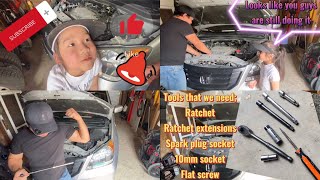
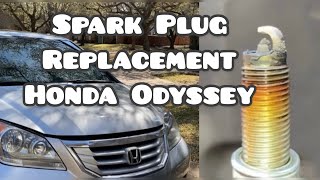
Typical fix: Replace the spark plug. 🎬 See this walkthrough for replacing spark plugs on your Odyssey. This is often a temporary fix if the underlying piston ring issue is not addressed. Many owners report the problem returning within months.
Est. part cost: $15-$30 - Worn/Stuck Piston Rings 🔴 High Probability This is the root cause of the fouled spark plugs. The VCM system's operation can cause piston rings to align or get stuck with carbon deposits, leading to excessive oil consumption. This was the subject of the Soto v. Honda class-action lawsuit and subsequent warranty extension from Honda.
How to confirm: This is difficult to confirm without engine disassembly. Persistent spark plug fouling in cylinders 1-4 is the strongest indicator. A cylinder leak-down or compression test may also point to a ring issue.
Typical fix: The official Honda repair involves cleaning the pistons and replacing the piston rings on the affected cylinders (front bank, 1-4). Honda issued a warranty extension for this specific repair. Many owners also install a 'VCM Muzzler' or 'VCM Tuner' device to permanently disable the VCM system and prevent the issue from recurring. This is a widely documented long-term solution in owner forums.
Est. part cost: $200-$500 for parts, but labor is extensive. - Failed Ignition Coil 🟡 Medium Probability
How to confirm: Swap the ignition coil from cylinder 4 with one from another cylinder (e.g., cylinder 5). Clear the codes and drive the vehicle. If the code changes to P0305, the ignition coil is faulty.
Typical fix: Replace the failed ignition coil.
Est. part cost: $40-$100 - Faulty Fuel Injector ⚪ Low Probability
How to confirm: This is more complex and may require a professional. It involves listening for injector operation, checking electrical signals, or swapping injectors between cylinders.
Typical fix: Replace the faulty fuel injector.
Est. part cost: $50-$150
Rare But Worth Checking
- Clogged EGR Passages:
- Incorrect Valve Clearance:
Diagnosis Steps
- Read the trouble codes with an OBD-II scanner. Confirm P0304 and check for P0300-P0303.
- Inspect the spark plug from cylinder 4. It is very likely to be black, sooty, and wet with oil. If so, replace it.
- If the plug looks clean, swap the ignition coil from cylinder 4 with cylinder 5. Clear the codes and see if the misfire moves to cylinder 5 (P0305). If it does, the coil is bad.
- If the plug was fouled, and a new plug fixes the issue temporarily, the root cause is almost certainly the VCM-related piston ring issue.
- Check your vehicle's VIN for eligibility under Honda's warranty extension for this problem (Service Bulletins 13-081, 25-061). Contact a Honda dealer with your VIN.
- As a long-term preventative measure, strongly consider installing a VCM deactivation device ('VCM Muzzler' or 'VCM Tuner'). Many owners report this permanently solves the oil consumption and plug fouling issue.
- After repairs, perform an oil change. Some owners recommend using a can of Seafoam or similar cleaner in the gas tank to help clean deposits.
Parts You'll Likely Need
- Spark Plug
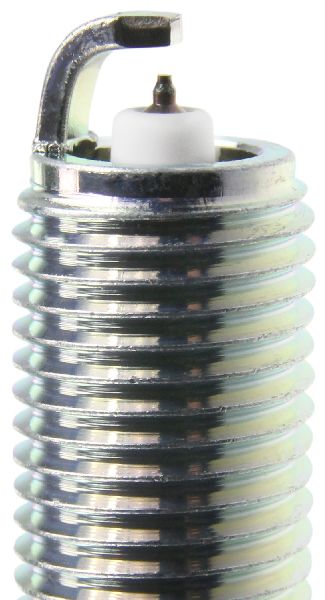
(OEM #12290-R71-L01 (NGK DILZKR7A11G))— This is the most common part to fail due to oil fouling from the VCM/piston ring issue.
Trusted brands: NGK, Denso
OEM price range: $25-$35
Aftermarket price range: $15-$25 - Ignition Coil
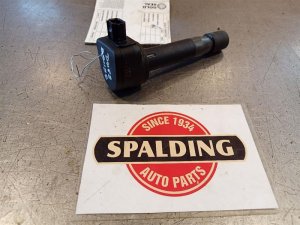
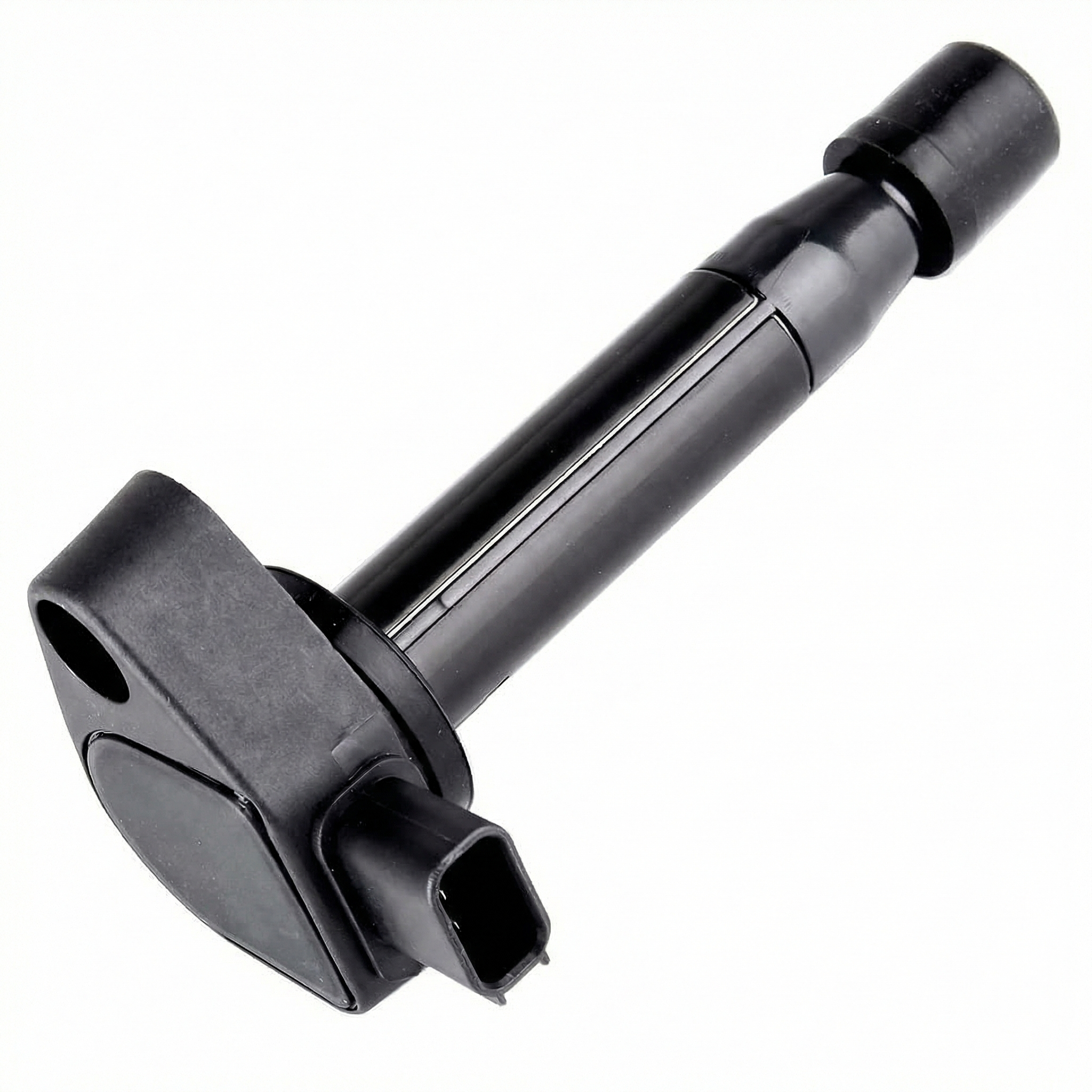
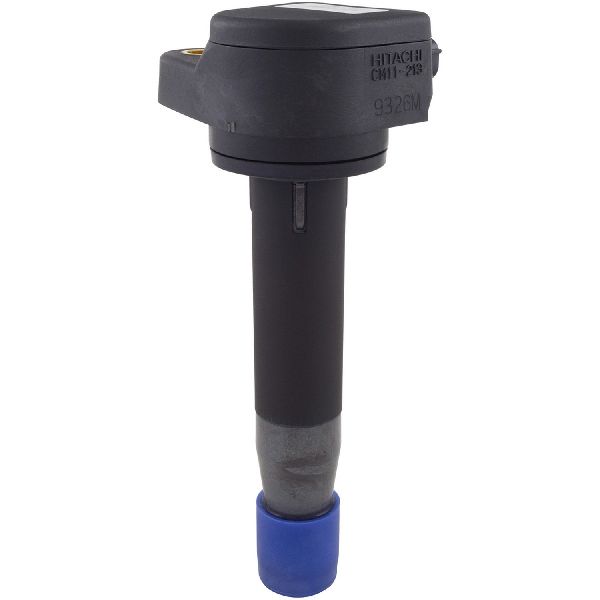
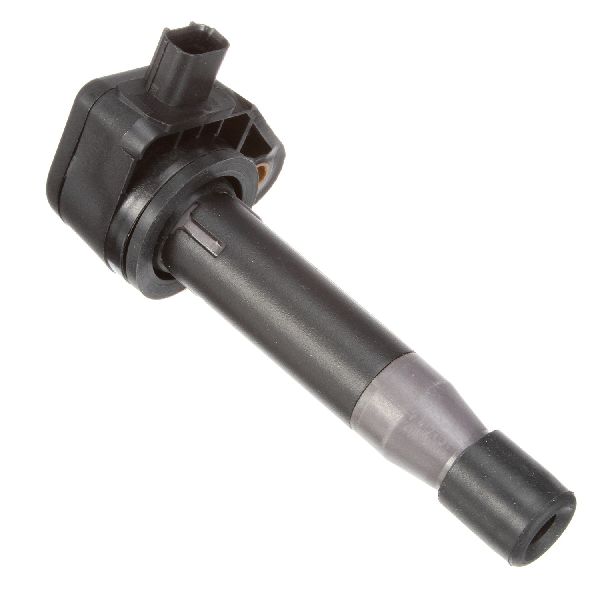
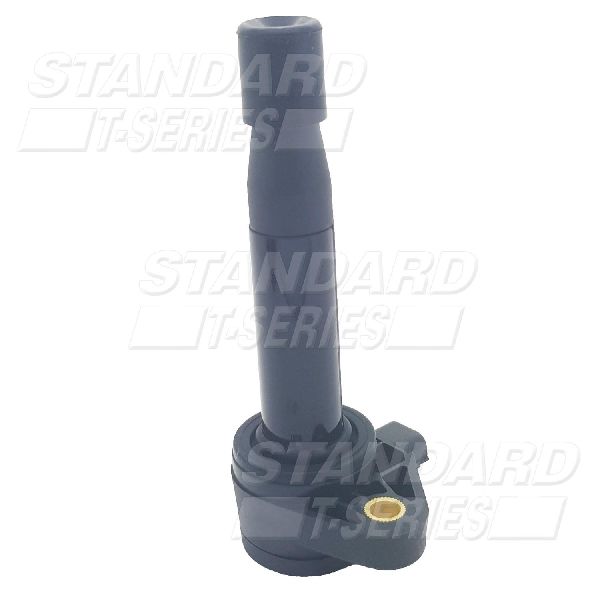
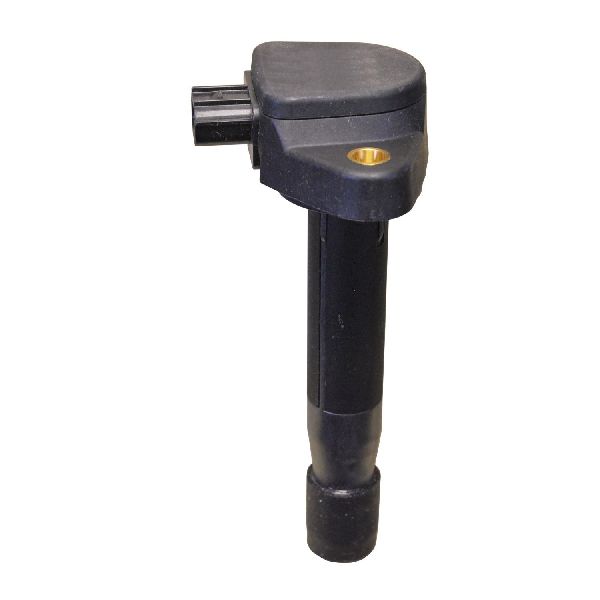
(OEM #30520-R70-A01 (superseded by 30520-R70-S01))— A standard ignition system component that can fail and cause a misfire. It is less likely to be the cause than the spark plug.
Trusted brands: Honda (Hitachi), Denso, NGK
OEM price range: $90-$125
Aftermarket price range: $40-$80 - VCM Disabling Device — An aftermarket part that prevents the VCM system from activating, thereby stopping the root cause of the oil consumption and spark plug fouling. Highly recommended by the owner community.
Trusted brands: VCMuzzler II, S-VCM Controller, VCMTuner II
OEM price range: N/A
Aftermarket price range: $100-$150 - Piston Ring Set
(OEM #13011-RCJ-A02 (Verify with dealer))— This is the component that fails due to the VCM issue, leading to oil consumption and fouled plugs. The repair is extensive and involves engine disassembly, typically performed by a dealer under warranty.
Trusted brands: Honda Genuine
OEM price range: $100-$200
Aftermarket price range: $50-$100
Related Codes That Often Appear With This One
- P0300 — Indicates a random/multiple cylinder misfire. It may appear if the misfire is intermittent or affecting other cylinders as well, which is common with the VCM issue.
- P0301, P0302, P0303 — These codes indicate misfires in cylinders 1, 2, and 3. The VCM issue commonly affects the front bank of cylinders (1-4), so seeing these codes together is very common and points directly to the known piston ring problem.
Technical Service Bulletins (TSBs) & Recalls
- A13-081 / 13-081: 'Warranty Extension: MIL Comes On With DTCs P0301 Through P0304'. This is the primary bulletin detailing the VCM piston ring issue and the extended warranty repair procedure as a result of the class-action lawsuit. It covers diagnosis, a PCM software update for 2011 models, and the piston ring replacement procedure.
- 25-061: 'Warranty Extension: 2013–16 Odyssey MIL Comes on with DTCs P0301 thru P0304'. A later bulletin that extended the warranty coverage for this specific issue on newer models until January 31, 2026, regardless of mileage.
Platform-Specific Known Issues
- VCM-Induced Piston Ring Failure: Honda acknowledged that on certain V6 engines with VCM, "the piston rings on certain cylinders may rotate and align which can lead to spark plug fouling." This directly causes codes P0301-P0304. As one owner reported to the NHTSA, this is a known issue where "pistons rings on certain cylinders my [sic] rotate and align which can lead to spark plug fowling [sic]." [ODI #11528073]
- Warranty Extension (Service Bulletin 13-081 & 25-061): Due to the Soto v. Honda class-action lawsuit, American Honda extended the powertrain warranty to cover this specific failure. The original extension covered repairs for 8 years from the original purchase date with no mileage limitation. Later bulletins like 25-061 further extended coverage for certain model years to a specific date. The repair involves a software update (for some models), cleaning pistons, and replacing piston rings.
- Real Owner Repair Story: A user on Reddit with a 2013 Odyssey reported constant spark plug fouling and high oil consumption around 200,000 miles. After replacing plugs and coils did not solve the issue, they installed a VCM disabling device. Th
Mechanic-Grade Diagnostic Values
- Fuel Pressure (at idle) — expected: 390-440 kPa (57-64 psi). Failure: Pressure below this range can indicate a weak fuel pump or clogged filter, causing lean misfires. Pressure above this range can indicate a faulty regulator.
- Valve Clearance (engine cold) — expected: Intake: 0.20-0.24 mm (0.008-0.009 in) Exhaust: 0.28-0.32 mm (0.011-0.013 in). Failure: Clearance that is too tight (especially on the exhaust side) can prevent the valve from fully closing, causing a loss of compression and leading to a misfire. Loose clearance will typically cause a ticking noise.
- Ignition Coil Primary Winding Resistance — expected: 0.49—0.57 ohms (at 68°F / 20°C). Failure: A reading outside this range indicates a faulty primary coil winding.
- Ignition Coil Secondary Winding Resistance — expected: 9.5—11.1 kOhms. Failure: A reading outside this range indicates a faulty secondary coil winding.
Hidden / Shadow Codes Worth Checking
- Mode $06, Test ID ~$53: Mode $06 data can reveal misfire counts for each specific cylinder, even if the counts are not yet high enough to trigger a Check Engine Light or a standard P030x code. This allows a technician to see which cylinder is misfiring intermittently. The Test ID (TID) or Component ID (CID) for cylinder-specific misfires is often designated as $53 on many vehicles. (see via A professional scan tool or a quality consumer OBD-II scanner with Mode $06 capability is required. The data is presented as raw counts and must be compared against a maximum allowable value.)
Scan Tool Commands That Help
- Honda Diagnostic System (HDS): CKP Pattern Clear — This function erases the learned crankshaft position sensor pattern from the PCM. It is used after repairing a misfire or replacing the CKP sensor to force the system to relearn the pattern.
- Honda Diagnostic System (HDS): PCM Reset — This is a more comprehensive reset than a standard DTC clear. It erases DTCs, freeze data, readiness codes, and other learned data. It should be used after significant repairs to return the PCM to a baseline state.
Wiring & Ground Locations
- Engine/Transmission Ground Strap — A braided ground cable connecting the transmission housing to the vehicle's chassis frame, typically on the driver's side of the engine bay.. This is a primary ground path for the engine and its sensors. Corrosion or a break in this strap can cause a host of electrical issues, including weak spark or erratic sensor readings, which can lead to misfires. A 2011 Odyssey owner documented a completely corroded cable causing issues.
- G101 — A main body ground point. On a 2012 Odyssey, it is referenced in wiring diagrams related to the transmission range switch. The exact location can vary but is typically on the chassis near the engine compartment or under the dash.. A poor G101 ground can cause issues with any component that uses it as a reference, potentially including the PCM or ignition system components, leading to difficult-to-diagnose electrical faults and misfires.
Real Owner Repair Stories
- Reddit user 'Schwatster' on r/HondaOdyssey (2013 Honda Odyssey LX, 130k miles) — After a battery replacement, the engine ran rough with a blinking check engine light. Codes P0302 and P0306 were present.
❌ Tried (didn't work) Replaced all spark plugs, Swapped ignition coils between cylinders, Replaced crankshaft position sensor (this did clear a separate crank sensor code)
✅ What actually fixed it The owner took it to a shop, who informed them the issue was that the idle air relearn procedure had not completed. The fix was to let the engine idle for approximately 5 minutes, which allows the computer to reset the air intake rate. The owner had been hesitant to let it run that long with a flashing CEL, but this resolved the persistent misfire codes.
OEM Part Supersession History
30520-R70-A01→30520-R70-S01— Standard part revision by the manufacturer. The new part number is the current replacement for the original.
Heads up: The parts are interchangeable; 30520-R70-S01 is the correct service replacement for 30520-R70-A01.
Model Year Variations Within This Range
- 2008-2011: For the VCM-related piston ring issue, these earlier models may require a PCM software update as the first step of the repair outlined in Honda's TSBs. If the misfire returns after the update, then the mechanical piston ring replacement is performed.
- 2012-2015: These later models were equipped with the updated PCM software from the factory. Therefore, for the VCM-related misfire issue, diagnosis proceeds directly to mechanical inspection (spark plugs) and potential piston ring replacement, skipping the initial software update step.
Helpful Videos
Used OEM Parts in Stock
New Aftermarket Parts Available

The information in this article is provided for general reference and educational purposes only. Vehicle specifications, procedures, and part compatibility can vary by production date, trim level, and region. Always consult your vehicle's factory service manual and verify part numbers before purchasing or performing repairs. Safety-critical components such as airbags, seat belts, and braking systems should be installed by a qualified professional.
- Honda ODYSSEY:
- 🎬 Helpful Videos
- 🛍️ Shop This Part
- What's Unique About the 2008-2015 Honda ODYSSEY
- Diagnostic Flowchart
- Symptoms You May Notice
- Most Likely Causes
- Rare But Worth Checking
- Diagnosis Steps
- Parts You'll Likely Need
- Related Codes That Often Appear With This One
- Technical Service Bulletins (TSBs) & Recalls
- Platform-Specific Known Issues
- Mechanic-Grade Diagnostic Values
- Hidden / Shadow Codes Worth Checking
- Scan Tool Commands That Help
- Wiring & Ground Locations
- Real Owner Repair Stories
- OEM Part Supersession History
- Model Year Variations Within This Range
- 🎟️ Get 5% Off