

P0304 on 2010-2017 GMC Terrain: Cylinder 4 Misfire Causes and Fixes
On a 2010-2017 GMC Terrain, P0304 is a cylinder 4 misfire. If you have the 2.4L engine, the most likely cause is an oil-fouled spark plug due to excessive oil consumption, a known issue with this engine. Start by inspecting the spark plug and ignition coil on cylinder 4. For the V6, causes are more standard, including ignition components or carbon buildup. A simple coil and plug replacement is under $100 for DIY on the 2.4L.
- P0304 means cylinder 4 is misfiring. On the 2.4L GMC Terrain, this is very often caused by a spark plug fouled with engine oil.
- Before buying any parts, check your engine oil level. If it's low, you may have the common oil consumption problem.
- The easiest first diagnostic step is to swap the ignition coil from cylinder 4 to another cylinder to see if the misfire code follows it.
- Do not ignore a flashing check engine light, as it signals a severe misfire that can quickly damage your expensive catalytic converter.
- If you have the 2.4L engine and find yourself constantly adding oil, the misfire is likely a symptom of the larger piston ring problem and will return until the root cause is addressed.
What's Unique About the 2010-2017 Gmc TERRAIN

The 2010-2017 Terrain, particularly with the 2.4L Ecotec engine, is widely known for excessive oil consumption caused by faulty piston ring design. This single issue is the root cause for many P0304 codes on this vehicle, as the burning oil quickly fouls spark plugs, leading directly to misfires. This problem is so prevalent that GM issued special coverage programs (like #14159 and #16118) to replace the pistons and rings on affected vehicles. Another critical issue on the 2.4L is the Positive Crankcase Ventilation (PCV) system; in cold weather, moisture can freeze in the PCV pipes, causing excessive crankcase pressure that can blow out the rear main seal. While standard ignition failures can occur, the oil consumption and PCV issues make mechanical causes much more probable on the 2.4L engine. In contrast, the 3.0L and 3.6L V6 engines are direct-injected and more prone to misfires caused by carbon buildup on the intake valves, a condition addressed in GM TSB PIP5163D.
Diagnostic Flowchart

Tap your situation to follow the diagnostic path that matches what you're seeing on this vehicle.
Symptoms You May Notice

- Rough or vibrating idle
- Hesitation or stumbling during acceleration
- Flashing Check Engine Light
- Reduced engine power
- Poor fuel economy
- Smell of unburned gasoline from the exhaust
- Engine sounds louder or rougher than usual
- Replacing only the ignition coil when the underlying issue is a constantly fouling spark plug due to oil consumption. The new plug will soon fail as well.
- Replacing the catalytic converter for a P0420 code that is a *result* of the P0304 misfire, not the cause.
- On a V6, replacing coils and plugs when the issue is heavy carbon buildup on the intake valves, which requires a chemical cleaning or walnut blasting service.
Most Likely Causes

- Worn or Oil-Fouled Spark Plug 🔴 High Probability On the 2.4L engine, excessive oil consumption due to piston ring issues is common, leading to rapid and severe spark plug fouling. On V6 models, standard wear is the more likely reason.
How to confirm: Remove the spark plug from cylinder 4. Inspect it for black, oily residue, heavy carbon buildup, or a worn electrode. A brand new plug can even be fouled in a few hundred miles if oil consumption is severe.
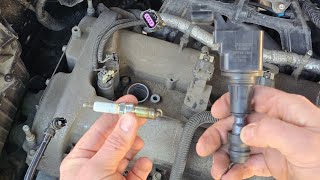
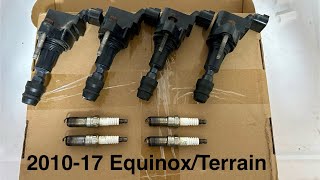
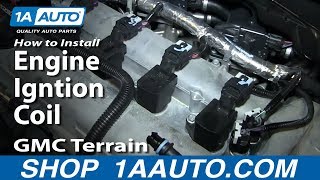
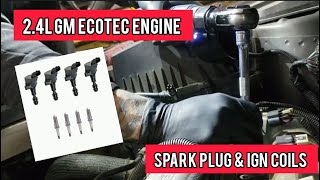
Typical fix: Replace the spark plug in cylinder 4. It is highly recommended to replace all four (or six for V6) spark plugs 🎬 Watch: Step-by-step spark plug and coil replacement for the 2.4L engine. at the same time with pre-gapped plugs.
Est. part cost: $10-$25 per plug - Failing Ignition Coil 🔴 High Probability Ignition coils are a common wear item. Heat and vibration cause them to fail over time.
How to confirm: Swap the ignition coil from cylinder 4 with another cylinder (e.g., cylinder 1). Clear the codes and drive the vehicle. If the code changes to P0301, the ignition coil is faulty. This is a definitive test.
Typical fix: Replace the faulty ignition coil. It is often wise to replace them in pairs or as a full set if they are original and high-mileage.
Est. part cost: $40-$80 - Excessive Oil Consumption (2.4L Engine) 🟡 Medium Probability A known defect with the original piston rings causes oil to enter the combustion chamber. This not only fouls plugs but can lead to more severe mechanical issues like timing chain stretch.
How to confirm: Monitor oil levels closely; consumption of more than one quart per 2,000 miles is a strong indicator. A compression or leak-down test can confirm poor ring sealing.
Typical fix: The official GM fix is to replace the pistons and piston rings with updated parts. This is a major engine repair. GM had special coverage programs (#14159, #16118) for this, which may now be expired.
Est. part cost: $500-$1500+ for parts and significant labor - Clogged or Faulty Fuel Injector ⚪ Low Probability
How to confirm: If swapping the coil and plug doesn't solve the issue, the injector is a suspect. A professional can perform a fuel injector balance test. A DIY method is to listen for a consistent clicking sound from the injector with a mechanic's stethoscope. You can also swap injectors between cylinders, similar to an ignition coil swap, but this is more labor-intensive.
Typical fix: Replace the fuel injector for cylinder 4. It's also recommended to replace the Teflon seal.
Est. part cost: $70-$150
Rare But Worth Checking
- Stretched Timing Chain (2.4L Engine): Often a direct consequence of the oil consumption issue. Low oil levels cause the chain and guides to wear prematurely, leading to incorrect camshaft timing and misfires. This is often accompanied by a rattling noise on startup and codes like P0014 or P0016.
- Carbon Buildup on Intake Valves (V6 Engines): The 3.0L and 3.6L direct injection (GDI) engines do not spray fuel over the intake valves, allowing carbon deposits to build up over time. This can restrict airflow or prevent the valves from sealing properly, causing misfires, especially on a cold start. GM issued TSB PIP5163D to address this, recommending an engine decarboning procedure.
- Internal Mechanical Failure: In rare cases, a misfire can be caused by a loss of compression from a bad valve, damaged piston, or a failing head gasket. A compression test is needed to diagnose this. TSB PIP5163D also notes that severe cases of catalytic converter failure can cause debris to be sucked back into the engine, scoring cylinder walls.
- Cracked Exhaust Manifold (2.4L Engine): The exhaust manifold on the 2.4L engine is known to crack, especially near the oxygen sensor bung. This introduces unmetered air into the exhaust stream, causing the upstream O2 sensor to read a false lean condition. The ECM then incorrectly adds fuel, which can foul plugs and cause misfires, along with an exhaust smell in the cabin.
- Clogged/Frozen PCV System (2.4L Engine): The PCV orifice, located in the intake manifold between cylinders 2 and 3, can become clogged with sludge or freeze in cold weather. This increases crankcase pressure, which can force oil past seals and rings, fouling plugs and potentially blowing out the rear main seal. 🎬 See how a clogged PCV leads to rear main seal failure. GM issued Special Coverage 14882 to address this.
Diagnosis Steps
- Check the engine oil level. If it is low, top it off and note it. This is a critical first step for the 2.4L engine.
- Use an OBD-II scanner to confirm P0304 and check for any other pending or stored codes. Check freeze-frame data to see the conditions (engine temp, RPM) when the misfire occurred.
- Locate cylinder 4. On the 2.4L I4, it's the cylinder on the passenger side. On the V6s, it's the middle cylinder on the rear bank against the firewall, which requires removing the intake manifold for access.
- Visually inspect the wiring and connector for the ignition coil and fuel injector on cylinder 4.
- Swap the ignition coil from cylinder 4 with another cylinder (e.g., cylinder 1). Clear the codes and see if the misfire code moves to the new cylinder (P0301). If it does, the coil is bad. 🎬 Watch this guide to troubleshoot and confirm a cylinder 4 misfire.
- If the misfire remains on cylinder 4, remove the spark plug. Inspect it for signs of wear, damage, or oil/carbon fouling. Replace if necessary, ensuring it is gapped correctly.
- If the coil and plug are good, the next likely culprits are the fuel injector or a mechanical issue.
- Perform a compression test on cylinder 4 to rule out base engine mechanical problems like bad rings or valves. Low compression points to a serious internal issue.
- If compression is good, the fuel injector on cylinder 4 is the most likely remaining cause. Consider a professional fuel system cleaning or injector replacement.
- For V6 engines, if all else fails, investigate carbon buildup on the intake valves as a potential cause.
- On 2.4L engines, inspect the exhaust manifold for cracks, which are a known issue causing misfires.
Parts You'll Likely Need
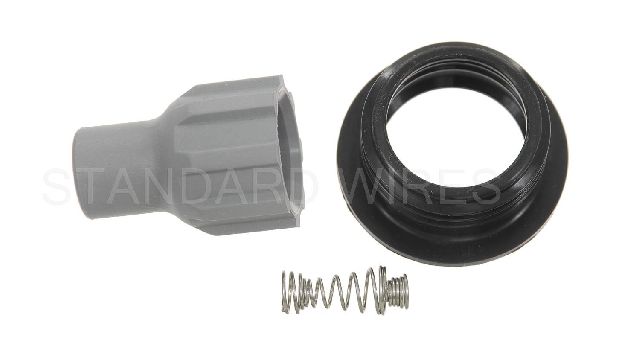
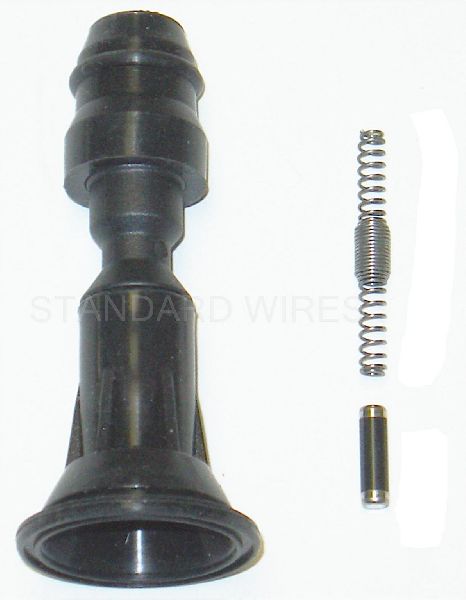
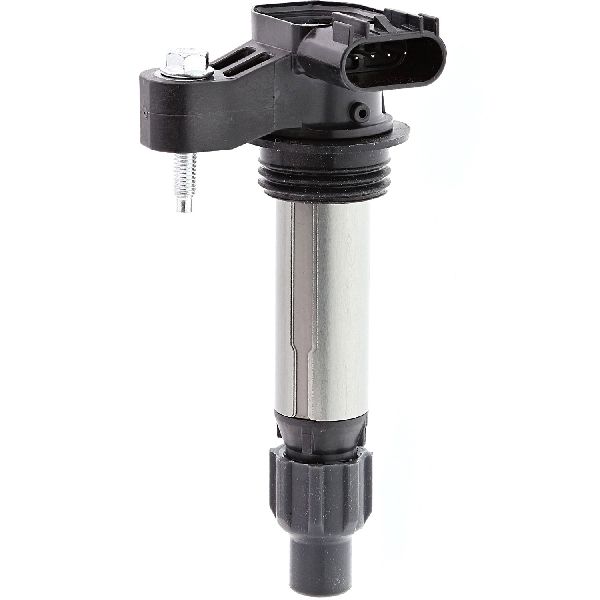
- Ignition Coil
(OEM #12638824 (also D522C))— A primary point of failure in the ignition system and a very common cause for a single-cylinder misfire.
Trusted brands: ACDelco, Delphi, NGK
OEM price range: $60-$90
Aftermarket price range: $35-$60 - Spark Plug
(OEM #41-108 (Iridium))— A standard maintenance item that wears out. On the 2.4L engine, it is frequently fouled by oil, making it the most common cause of P0304.
Trusted brands: ACDelco, NGK, Denso
OEM price range: $15-$25
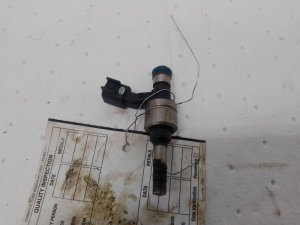
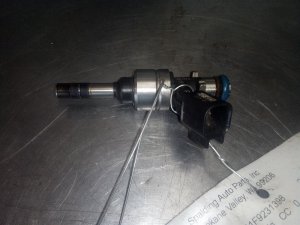
Aftermarket price range: $8-$15 - Fuel Injector
(OEM #12633784)— Can become clogged or fail electronically, preventing the correct amount of fuel from reaching cylinder 4. Less common than ignition issues but a frequent culprit after plugs and coils are ruled out.
Trusted brands: ACDelco, Bosch, Hitachi
OEM price range: $100-$150
Aftermarket price range: $60-$100
Related Codes That Often Appear With This One
- P0300 — If the underlying cause, like a stretched timing chain, severe oil fouling, or a vacuum leak, begins to affect multiple cylinders, a random misfire code (P0300) will appear alongside the specific cylinder code.
- P0014 — This code ('Camshaft Position B - Timing Over-Advanced') is a strong indicator of a stretched timing chain, a common issue on the 2.4L engine that can cause misfires.
Technical Service Bulletins (TSBs) & Recalls
- Special Coverage Adjustment #16118 / #14159: Addresses excessive engine oil consumption on 2010-2012 models (and others) with the 2.4L engine due to piston ring wear. It extended the warranty to 7.5-10 years or 120,000 miles for piston and ring replacement, which is a primary root cause of P0304 on these engines.
- PIP5163D (Supersedes PIP5029A): Addresses engine misfires (P0300-P0306) on direct-injected engines, including the Terrain's 2.4L, 3.0L, and 3.6L, caused by heavy carbon deposits on intake and/or exhaust valves. Recommends a chemical cleaning procedure.
- PIP3333C: A general bulletin for intermittent engine misfires (including P0304) that advises following standard diagnostics, indicating that the cause may not always be a simple component failure.
Platform-Specific Known Issues
- Excessive Oil Consumption (2.4L Engine): Models from 2010-2013 are particularly notorious for defective piston rings that lead to high oil consumption (over 1 quart per 2,000 miles), which fouls spark plugs and can cause P0304. GM acknowledged this with special coverage programs.
Mechanic-Grade Diagnostic Values
- Ignition Coil Primary Resistance — expected: 0.4 to 2.0 ohms. Failure: A reading outside this range indicates a fault in the coil's primary windings.
- Ignition Coil Secondary Resistance — expected: 6,000 to 10,000 ohms (6k-10k Ω). Failure: Readings significantly outside this range, or an open circuit (infinite resistance), point to a failed secondary winding.
- Crankcase Pressure Test (2.4L PCV System Check) — expected: Negative pressure (vacuum) at 1500 RPM.. Failure: If a manometer gauge indicates zero or positive pressure when the engine RPM is raised, the PCV orifice in the intake manifold is plugged.
Scan Tool Commands That Help
- GDS2/Tech2: Misfire Graphic — To view live and historical misfire counts for each cylinder. This helps confirm if the misfire is exclusively on cylinder 4 or if other cylinders are also misfiring intermittently, which might not be enough to set their own codes but could indicate a broader problem.
- GDS2/Tech2: Injector Balance Test — After ruling out ignition components, this function can be used to command each injector to fire for a set duration and measure the corresponding pressure drop, identifying a weak or clogged injector on cylinder 4.
Wiring & Ground Locations
- G103 — On the 2012/2013 models, located on the left front of the engine compartment, under the battery.. This ground serves multiple components, and a poor connection here can cause difficult-to-diagnose electrical issues that may affect the ignition or fuel systems.
- G105 — On the 2.4L engine, located at the rear of the engine. On the 3.0L, at the left rear of the engine.. This is a primary engine ground. A loose or corroded connection at G105 can cause erratic behavior from sensors and actuators, including ignition coils, potentially leading to misfire codes.
- Ignition Coil Connector — Directly on top of each ignition coil.. The 4-pin connector provides power, ground, and the trigger signal from the ECM. Check for 12V+ on the pink wire with the key on. A faulty connection or damaged wire here will directly cause a misfire on the corresponding cylinder.
OEM Part Supersession History
12638824→D522C (Service Part Number)— This is the standard GM/ACDelco part number transition where an engineering number (12638824) is referenced by a service part number (D522C) for ordering.
Heads up: ACDelco D522C has been superseded by part number 25206788, but D522C is still widely available and correct for this application.
Model Year Variations Within This Range
- 2010-2012 vs 2013-2017 (V6 Models): The optional V6 engine was changed for the 2013 model year. 2010-2012 models used the 3.0L LF1 V6. From 2013-2017, this was replaced by the more powerful 3.6L LFX V6, which features a different cylinder head design, fuel pump, and injectors.
- 2010-2013 (2.4L Models): These earlier model years are most affected by the oil consumption issue due to piston ring design. While later models can still consume oil, the problem was most prevalent in this range, leading to GM's Special Coverage Adjustment #14882 for the plugged PCV orifice which is often a related problem.
Helpful Videos

![How to Fix P0304 Engine Code in 3 Minutes [2 DIY Methods / Only $4.33]](https://img.youtube.com/vi/i7ubv6oYJlI/mqdefault.jpg)


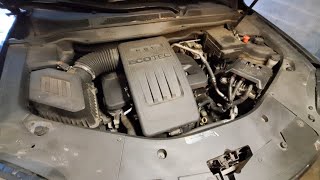
Used OEM Parts in Stock


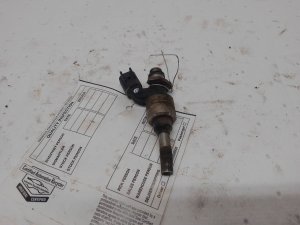
New Aftermarket Parts Available


The information in this article is provided for general reference and educational purposes only. Vehicle specifications, procedures, and part compatibility can vary by production date, trim level, and region. Always consult your vehicle's factory service manual and verify part numbers before purchasing or performing repairs. Safety-critical components such as airbags, seat belts, and braking systems should be installed by a qualified professional.
- Gmc TERRAIN:
- 🎬 Helpful Videos
- 🛍️ Shop This Part
- What's Unique About the 2010-2017 Gmc TERRAIN
- Diagnostic Flowchart
- Symptoms You May Notice
- Most Likely Causes
- Rare But Worth Checking
- Diagnosis Steps
- Parts You'll Likely Need
- Related Codes That Often Appear With This One
- Technical Service Bulletins (TSBs) & Recalls
- Platform-Specific Known Issues
- Mechanic-Grade Diagnostic Values
- Scan Tool Commands That Help
- Wiring & Ground Locations
- OEM Part Supersession History
- Model Year Variations Within This Range
- 🎟️ Get 5% Off