

P0304 on 2021-2025 Ford Mustang: Cylinder 4 Misfire Causes and Fixes
P0304 indicates a misfire in cylinder 4. On 2.3L EcoBoost engines, this is commonly due to a faulty spark plug or ignition coil, sometimes related to water intrusion in the spark plug well. For 2021-2022 5.0L V8 models, a PCM software update may be required per Ford TSB 22-2464. A simple diagnostic is to swap the ignition coil from cylinder 4 with another cylinder to see if the code follows the coil.
- P0304 signifies a misfire in cylinder 4.
- For 2.3L EcoBoost engines, the most likely cause is a bad spark plug or ignition coil.
- For 2021-2022 5.0L V8 engines, check with a dealer about TSB 22-2464 for a potential software fix.
- The easiest and cheapest first diagnostic step is to swap the ignition coil from cylinder 4 with another cylinder.
- Driving for an extended period with a misfire can cause expensive damage to your catalytic converter.
What's Unique About the 2021-2025 Ford MUSTANG

For the 2021-2025 Mustang, the cause of a P0304 code is often engine-specific. Ford has issued Technical Service Bulletins (TSBs) that point directly to common issues. For the 2.3L EcoBoost engine, TSBs indicate that spark plugs and ignition coils are frequent culprits. [TSB SSM 53971, TSB SSM 52630] This issue is shared with other 2.3L EcoBoost platforms like the Ford Ranger, where water intrusion into the #4 spark plug well is a known problem. Conversely, for 2021-2022 Mustangs with the 5.0L V8, a misfire code like P0304 can be caused by a software issue within the PCM, requiring a dealer-performed update rather than a part replacement. [TSB 22-2464, 11, 24]
Diagnostic Flowchart
Tap your situation to follow the diagnostic path that matches what you're seeing on this vehicle.
Generation note: The 2021-2025 year range covers two Mustang generations: the end of the S550 (2021-2023) and the beginning of the S650 (2024-2025). The provided TSBs address issues in both generations, with specific bulletins for the 2.3L EcoBoost engine in 2024 models and for the 5.0L V8 in 2021-2022 models.
Symptoms You May Notice
- Rough or shaky idle
- Hesitation or stumbling during acceleration
- Noticeable loss of engine power
- Flashing or solid Check Engine Light
- Smell of unburned fuel from the exhaust
- Difficulty starting the engine
- Replacing the fuel injector before thoroughly testing the spark plug and ignition coil.
- Replacing catalytic converters when the misfire is the root cause of the converter failure, not the other way around.
- Forgetting to check for applicable TSBs, especially the PCM reflash for 2021-2022 5.0L models, leading to unnecessary parts replacement.
Most Likely Causes

- Faulty Ignition Coil 🔴 High Probability Ford TSB #SSM 53971 specifically calls out ignition coils as a potential cause for misfires on the 2.3L EcoBoost engine. On platform mates like the Ford Ranger with the same engine, water intrusion into the rearmost spark plug well is a common reason for coil failure.
How to confirm: Swap the ignition coil from cylinder 4 with another cylinder (e.g., cylinder 3). Clear the codes and drive the vehicle. If the code changes to P0303, the ignition coil is faulty. Inspect the spark plug well for any signs of water or corrosion before installing a new coil.
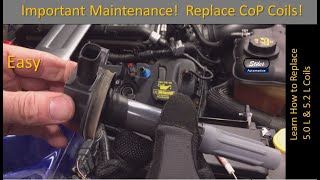
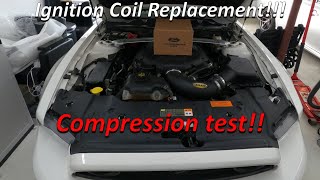
Typical fix: Replace the faulty ignition coil. It's often recommended to replace the corresponding spark plug at the same time and apply dielectric grease to the new coil boot 🎬 See this walkthrough for replacing ignition coils on 5.0L engines. to seal out moisture.
Est. part cost: $40-$80 - Worn or Fouled Spark Plug 🔴 High Probability TSBs #SSM 53971 and #SSM 52630 identify spark plugs as a primary cause of misfires in 2.3L EcoBoost engines. Direct injection engines can be harder on spark plugs, and incorrect spark plug gap is a common issue, especially on modified vehicles.
How to confirm: After confirming the coil is good, remove the spark plug from cylinder 4. Inspect it for wear, carbon fouling, oil, or damage to the porcelain. Compare it to a plug from another cylinder. Ensure the gap is correct per manufacturer specifications.
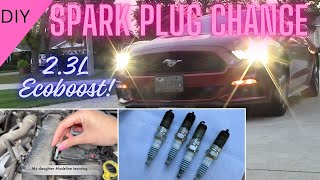
Typical fix: Replace the spark plug in cylinder 4. It is best practice to replace all spark plugs as a set 🎬 Watch: Step-by-step spark plug replacement for the 2.3L EcoBoost engine. if they are near the end of their service life.
Est. part cost: $15-$30 per plug - PCM Software Glitch (5.0L V8) 🟡 Medium Probability TSB #22-2464 applies to 2021-2022 Mustangs with the 5.0L engine and states that various misfire codes, including P0304, can be caused by PCM software strategies. This is a widely acknowledged fix that requires dealer intervention.
How to confirm: A Ford dealership can check if your vehicle's PCM software is up to date by checking your VIN against TSB 22-2464. This is necessary if ignition components have been ruled out.
Typical fix: The dealership will reprogram the Powertrain Control Module (PCM) to the latest software version using the Ford Diagnosis and Repair System (FDRS).
Est. part cost: $0 (if under warranty), or approx. 1 hour of dealer labor ($150-$250) if not. - Faulty Fuel Injector ⚪ Low Probability Direct injection fuel injectors operate under high pressure and can become clogged or fail electronically over time. While less common than ignition faults, it's the next logical component to check.
How to confirm: If swapping the coil and plug doesn't solve the issue, the fuel injector is a likely suspect. This can be confirmed by swapping the injector with another cylinder, but this is a more involved job. A noid light can also be used to check if the injector is receiving an electrical signal.
Typical fix: Replace the faulty fuel injector. This often requires removing the fuel rail.
Est. part cost: $70-$150
Rare But Worth Checking
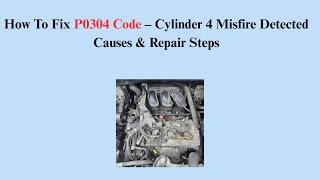
- Vacuum Leak: A vacuum leak near the intake runner for cylinder 4 could lean out the air/fuel mixture enough to cause a misfire on only that cylinder, though it's less common than ignition issues. This can be diagnosed with a smoke machine. 🎬 Watch: A helpful guide on troubleshooting P0304 misfire causes.
- Internal Engine Mechanical Issue: In rare cases, a loss of compression from a bad valve, worn piston ring, or a leaking head gasket can cause a persistent P0304. This would be confirmed with a manual compression test and/or a cylinder leak-down test. A user on Mustang6G.com reported a P0304 code that was ultimately traced to low compression.
Diagnosis Steps

- Read the trouble codes with an OBD-II scanner and note any other codes present, such as P0300, P0316, or P0354.
- Check the freeze frame data to see the engine conditions (RPM, load, temperature) when the misfire occurred.
- For 2.3L EcoBoost, visually inspect the spark plug well for cylinder 4 (rearmost) for any signs of water, oil, or corrosion.
- Swap the ignition coil from cylinder 4 to an adjacent cylinder (like cylinder 3). Clear the codes and drive the vehicle to see if the misfire code returns and has moved to the new cylinder (e.g., P0303). If it does, the ignition coil is the problem.
- If the misfire remains on cylinder 4, perform the same swap test with the spark plug. If the code moves, the spark plug is bad.
- If the coil and plug are good, inspect the wiring and connector for the ignition coil and fuel injector on cylinder 4 for any damage or looseness.
- For 2021-2022 5.0L models, if ignition components are good, contact a Ford dealer to check if TSB 22-2464 (PCM reprogram) applies to your vehicle.
- If all else fails, a fuel injector test (e.g., with a noid light) or a mechanical engine compression test is necessary to check for fuel delivery or internal engine problems.
Parts You'll Likely Need
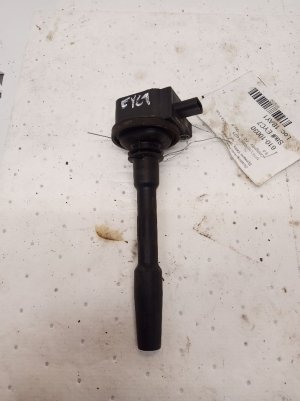
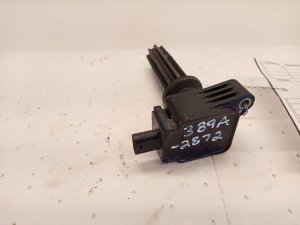
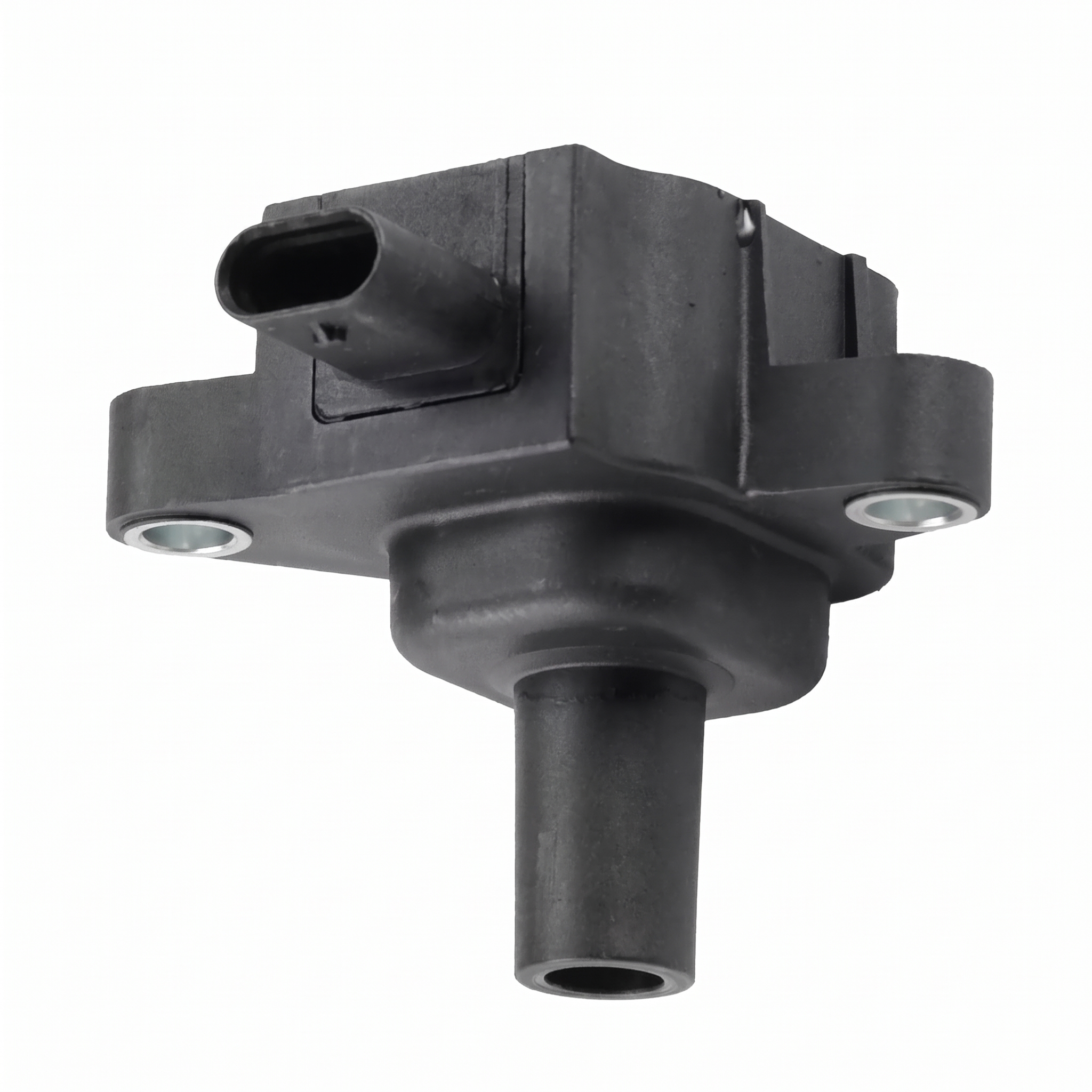
- Ignition Coil (Coil-on-Plug)
(OEM #DG-567 (for some 2.3L EcoBoost applications, verify by VIN))— This is a very common failure point for misfires and is specifically mentioned in a TSB for the 2.3L EcoBoost engine. [TSB SSM 53971, 8, 16]
Trusted brands: Motorcraft, NGK, Denso
OEM price range: $60-$90
Aftermarket price range: $40-$70 - Spark Plug
(OEM #SP-597 / SP-597-X (for some 2.3L EcoBoost applications, verify by VIN))— Spark plugs are a regular maintenance item and can wear out, causing a weak spark. TSBs for the 2.3L EcoBoost point to spark plugs as a likely cause. [TSB SSM 53971, TSB SSM 52630, 15, 19]
Trusted brands: Motorcraft, NGK, Bosch
OEM price range: $20-$35
Aftermarket price range: $15-$25
Related Codes That Often Appear With This One
- P0300 — If the misfire is intermittent or affects other cylinders, a P0300 (Random/Multiple Cylinder Misfire) may be stored alongside P0304.
- P0316 — This code indicates a misfire was detected within the first 1,000 engine revolutions on startup. It often appears with a specific cylinder misfire code like P0304, as seen in owner forum posts.
- P0354 — This code points specifically to a fault in the ignition coil 'D' (Cylinder 4) primary or secondary circuit. If you see this with P0304, it strongly suggests the ignition coil or its wiring is the problem.
Technical Service Bulletins (TSBs) & Recalls

- SSM 53971: Addresses engine misfires on 2024 2.3L EcoBoost models, pointing to spark plugs or ignition coils.
- TSB 22-2464: Pertains to 2021-2022 5.0L models where misfire codes can be caused by PCM software, requiring a reflash.
- SSM 52630: Notes misfires on 2024 2.3L EcoBoost engines, advising inspection of spark plugs.
Platform-Specific Known Issues
- 2.3L EcoBoost Misfires: TSB #SSM 53971 and #SSM 52630 note that 2024 models with the 2.3L engine can exhibit misfire codes (P0301-P0304) due to spark plugs and/or ignition coils. Water intrusion into the #4 spark plug well is also a known issue on this engine in other platforms like the Ranger.
- 5.0L V8 Misfires: TSB #22-2464 indicates that on 2021-2022 Mustangs with the 5.0L engine, a wide range of misfire codes (P0300-P0308) can be triggered by PCM software issues and may require a dealer reprogram.
- 5.0L V8 Track Use Misfire: Some owners of 5.0L Mustangs, particularly Mach 1 models, have reported getting a P0304 code specifically during high-RPM, wide-open-throttle use at a racetrack, which does not occur on the street.
Mechanic-Grade Diagnostic Values
- 5.0L V8 Low-Pressure Fuel System (Port Injection) — expected: 40 - 80 PSI. Failure: Pressure significantly below 40 PSI could indicate a weak low-pressure fuel pump.
- 5.0L V8 High-Pressure Fuel System (Direct Injection) — expected: Can exceed 2,000 PSI under load.. Failure: Inability to reach or maintain high pressure under load, viewable on a scan tool, points to a high-pressure fuel pump issue.
- Ignition Coil Primary Winding Resistance — expected: ~0.3 - 1.0 Ohms (general Ford spec). Failure: A reading of OL (open loop/infinite resistance) or significantly outside the expected range indicates a failed primary coil winding.
- Ignition Coil Secondary Winding Resistance — expected: ~6.5 - 11.5 kOhms (general Ford spec). Failure: A reading of OL or far outside this range suggests a failed secondary coil winding.
Hidden / Shadow Codes Worth Checking
- Mode 6, Test ID $A5 (Cylinder 4 Misfire Data): This is not a DTC, but a diagnostic monitor that counts misfire events per cylinder during a drive cycle. It can show misfires occurring even if they aren't frequent enough to set a P0304 code. (see via Requires an advanced scan tool or software like FORScan. The tool will display a value for the test, and if it exceeds the calibrated threshold, a fault is registered.)
Scan Tool Commands That Help
- Ford IDS/FDRS, FORScan: Power Balance Test — This function graphically displays the power contribution of each cylinder, allowing a technician to visually confirm that cylinder 4 is underperforming compared to the others in real-time.
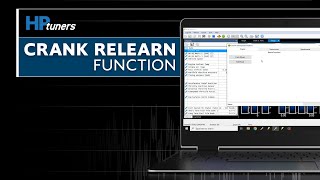
- Ford IDS/FDRS, high-level scan tools: Crankshaft Position Profile Correction (Crank Relearn) — This service function is required after replacing a crankshaft, flywheel, or sometimes even a clutch. Failure to perform the relearn can cause the PCM to misinterpret crankshaft speed variations, leading to false misfire codes like P0304.
Wiring & Ground Locations
- Ford Factory Wiring Diagram Manual — Vehicle-specific manual, e.g., Part #FCS-12121-22 for the 2022 Mustang.. This is the authoritative source for locating the exact ground points (e.g., G104, G105 on the engine block), connector pinouts for the cylinder 4 ignition coil and fuel injector, and harness routing paths to check for chafing or damage, which are essential for diagnosing electrical faults.
Real Owner Repair Stories
- Mustang6G.com forum user (2018 Mustang GT (S550)) — P0304 and P0307 misfire codes appeared immediately after a clutch, flywheel, and short shifter installation. The car would misfire around 3000-4000 RPM.
❌ Tried (didn't work) The shop initially just cleared the codes.
✅ What actually fixed it The issue was resolved by performing a 'cam/crank relearn' procedure with a high-level scan tool. The PCM needed to adapt to the new flywheel to correctly monitor for misfires. - YouTube user 'Mustang Connection' (2004 Mustang Mach 1 (4.6L V8)) — Rough running and Service Engine Soon light with code P0304.
❌ Tried (didn't work) Initially considered a crankshaft sensor based on another code that appeared.
✅ What actually fixed it The problem was fixed by replacing the ignition coil on cylinder 4 and all 8 spark plugs. The owner noted the old spark plug from cylinder 4 was corroded, suspecting water had gotten into the spark plug well.
OEM Part Supersession History
DG-567→DG-588 (in some cases)— Manufacturer part updates for performance or reliability.
Heads up: While DG-567 is listed for 2.3L EcoBoost applications, it's critical to always verify the correct part number by VIN. Some sources indicate DG-588 may supersede DG-567, but compatibility must be confirmed before purchase.
Model Year Variations Within This Range
- 2024-2025 (S650 Generation): The 2024+ models represent the S650 generation, featuring a revised 2.3L EcoBoost and the 4th generation 5.0L Coyote V8. TSB #SSM 53971 is specific to the 2024 2.3L engine, indicating potential new or different issues compared to the previous S550 generation.
- 2021-2022 (S550 Generation): TSB #22-2464 is specific to 2021-2022 5.0L V8 models, suggesting the PCM software issue causing misfires was addressed in later model years or is unique to the software calibration of those years.
Helpful Videos


We Have This Part in Stock

The information in this article is provided for general reference and educational purposes only. Vehicle specifications, procedures, and part compatibility can vary by production date, trim level, and region. Always consult your vehicle's factory service manual and verify part numbers before purchasing or performing repairs. Safety-critical components such as airbags, seat belts, and braking systems should be installed by a qualified professional.
- Ford MUSTANG:
- 🎬 Helpful Videos
- 🛍️ Shop This Part
- What's Unique About the 2021-2025 Ford MUSTANG
- Diagnostic Flowchart
- Symptoms You May Notice
- Most Likely Causes
- Rare But Worth Checking
- Diagnosis Steps
- Parts You'll Likely Need
- Related Codes That Often Appear With This One
- Technical Service Bulletins (TSBs) & Recalls
- Platform-Specific Known Issues
- Mechanic-Grade Diagnostic Values
- Hidden / Shadow Codes Worth Checking
- Scan Tool Commands That Help
- Wiring & Ground Locations
- Real Owner Repair Stories
- OEM Part Supersession History
- Model Year Variations Within This Range
- 🎟️ Get 5% Off