

P0304 on 2016-2018 Fiat 500X: Cylinder 4 Misfire Causes and Fixes
P0304 on a 2016-2018 Fiat 500X indicates a misfire in cylinder 4. The most common causes are a faulty ignition coil or a worn spark plug. Oil leaking into the spark plug tube from a bad valve cover gasket is also a frequent and well-documented issue on this engine that damages the coil and plug. Always check the engine oil level, as low oil can cause the MultiAir system to malfunction and trigger this code.
- P0304 on a 2016-2018 Fiat 500X is a misfire on cylinder 4, the cylinder closest to the transmission.
- The most likely culprits are a bad ignition coil or spark plug.
- Before replacing parts, check the spark plug tube for oil. If oil is present, the valve cover gasket set must be replaced to prevent a repeat failure.
- Always check the engine oil level. Low or incorrect oil can cause misfires on this specific engine due to its MultiAir valve system.
- A simple diagnostic step is to swap the ignition coil from cylinder 4 to another cylinder to see if the misfire code follows the coil.
What's Unique About the 2016-2018 Fiat 500X
The 2016-2018 Fiat 500X primarily uses the 2.4L Tigershark engine, which features Fiat's MultiAir technology. This system uses engine oil pressure to hydraulically actuate the intake valves. Because of this design, misfire issues like P0304 can sometimes be caused by problems beyond typical spark plugs and coils, such as low or dirty engine oil, which can affect valve operation and lead to misfires. Additionally, oil leaks from the valve cover gasket into the spark plug wells are a widely known issue across all vehicles with this engine, which can saturate and destroy ignition coils, causing this specific code.
Diagnostic Flowchart
Tap your situation to follow the diagnostic path that matches what you're seeing on this vehicle.
Symptoms You May Notice
- Rough running engine, especially at idle. [⭐ MANUFACTURER TSB #08-027-20, 1]
- Hesitation or stumbling during acceleration.
- Flashing or solid Check Engine Light.
- Reduced engine power.
- Decreased fuel economy.
- Smell of raw fuel from the exhaust.
- Audible ticking noise from the top of the engine, which can sometimes indicate a MultiAir system problem.
- Replacing only the spark plug or coil when the spark plug tube is full of oil. The oil will quickly ruin the new parts, and the misfire will return. The root cause (leaking valve cover gasket) must be fixed.
Most Likely Causes
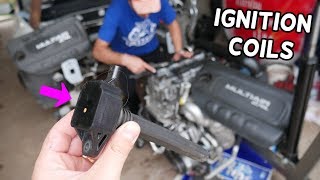
- Faulty Ignition Coil or Boot 🔴 High Probability Coil-on-plug systems are a common failure point. Oil leaking from the valve cover gasket can saturate the coil boot and cause it to fail. TSB #08-027-20 specifically addresses this issue by replacing just the coil boots, suggesting the seal itself is a weak point.
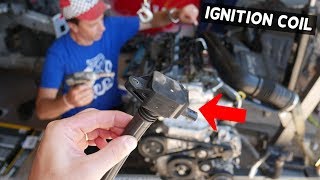
How to confirm: Swap the ignition coil from cylinder 4 with another cylinder (e.g., cylinder 3). Clear the codes and drive the vehicle. If the code changes to P0303, the ignition coil is faulty.
Typical fix: Replace the failed ignition coil (68242286AA) or, more economically, try replacing just the ignition coil boots first using a kit (68420587AA) as suggested by the TSB. If oil was present, you must also replace the valve cover gasket set.
Est. part cost: $15-$30 (Boot Kit), $40-$80 (Coil) - Worn or Oil-Fouled Spark Plug 🔴 High Probability
How to confirm: After ruling out the coil, remove the spark plug from cylinder 4. Inspect it for wear (worn electrode), carbon fouling, or oil contamination. The correct gap should be approximately 1.0mm-1.1mm. Compare it to a plug from another cylinder.
Typical fix: Replace the spark plug. The recommended OEM plug is an NGK LZFR5C-11 or equivalent. It is best practice to replace all four spark plugs at the same time to maintain consistent performance.
Est. part cost: $10-$25 per plug - Leaking Valve Cover / Spark Plug Tube Seals 🔴 High Probability This is an extremely common issue on the 2.4L Tigershark engine across all platforms. The seals around the spark plug tubes degrade and harden from heat, allowing engine oil to fill the well, which then damages the ignition coil and spark plug, causing a misfire.
How to confirm: When you remove the ignition coil for cylinder 4, look for liquid engine oil in the spark plug tube and on the coil boot. This is a definitive sign of a failed gasket/seal.
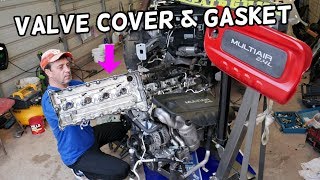
Typical fix: Replace the valve cover gasket and the spark plug tube seals (often sold as a set, Mopar #68194923AB or Fel-Pro #VS50906R). 🎬 Watch: Step-by-step valve cover and gasket replacement guide. Thoroughly clean all oil out of the tube before installing the new spark plug and coil.
Est. part cost: $40-$120 for a gasket set - MultiAir Actuator ('Brick') Failure Medium-low Probability While less common than ignition parts, the MultiAir actuator assembly can fail for a specific cylinder, causing a persistent P0304. This is a known, albeit expensive, failure point on the 2.4L engine.
How to confirm: This is a strong possibility if the misfire persists after replacing the plug and coil, and especially if codes P1064 (Cylinder 4 Oil Supply Solenoid Valve Stuck) or P106B are present. Diagnosis may require an advanced scan tool to monitor actuator performance or test the solenoid.
Typical fix: Replace the entire MultiAir actuator assembly (OEM Part #5047980AE). This is a complex job often best left to a professional.
Est. part cost: $800-$1300 - Clogged or Faulty Fuel Injector ⚪ Low Probability
How to confirm: This is more difficult to diagnose. A professional can perform a fuel injector balance test. A DIY method involves listening to the injector with a mechanic's stethoscope to ensure it's clicking, or swapping it with another cylinder, though this is more labor-intensive. You can also measure the resistance across the injector pins; it should be around 12 ohms and consistent with the other injectors.
Typical fix: Replace the faulty fuel injector.
Est. part cost: $50-$150
Rare But Worth Checking
- Low Engine Oil or Incorrect Oil Type: The MultiAir system relies on specific oil pressure and viscosity (0W-20 full synthetic) to function. The 2.4L Tigershark is known for oil consumption issues. If the oil level is low, it can starve the MultiAir system, causing erratic valve operation and misfires that mimic other issues. Always check the oil level and type first.
- Low Cylinder Compression: Internal engine problems like a burnt valve, worn piston rings, or a bad head gasket can cause a loss of compression, resulting in a misfire. A compression test is needed to diagnose this. Oil on the spark plug could also be a sign of internal engine issues if the valve cover gasket is not leaking.
Diagnosis Steps
- Read the code using an OBD-II scanner to confirm P0304 and check for any other codes, especially P1064 or P106B.
- Check the engine oil level and confirm it is the correct type (full synthetic 0W-20). Top up if low.
- Remove the ignition coil from cylinder 4. Inspect the spark plug well for any liquid engine oil. Oil presence confirms a leaking valve cover gasket.
- If no oil is present, swap the ignition coil from cylinder 4 to cylinder 3. Clear the codes and run the engine to see if the misfire code changes to P0303. If it does, the coil is bad.
- If the misfire remains on cylinder 4, inspect the spark plug. Remove it and check for signs of wear, fouling, or damage. Ensure the gap is correct (1.0mm-1.1mm).
- If the coil and plug are good, check the wiring and connector to the fuel injector on cylinder 4 for damage.
- If the above steps do not identify the issue, more advanced diagnostics are needed, such as a fuel injector balance test, a cylinder compression test, or specific tests for the MultiAir system, especially if P1064/P106B are present.
Parts You'll Likely Need
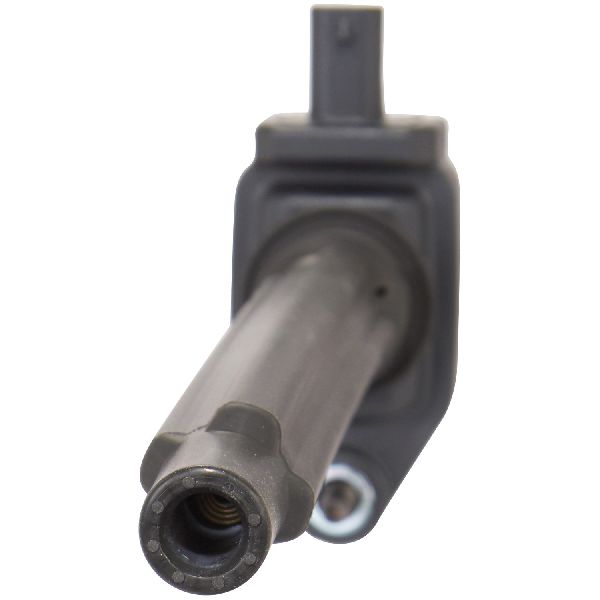
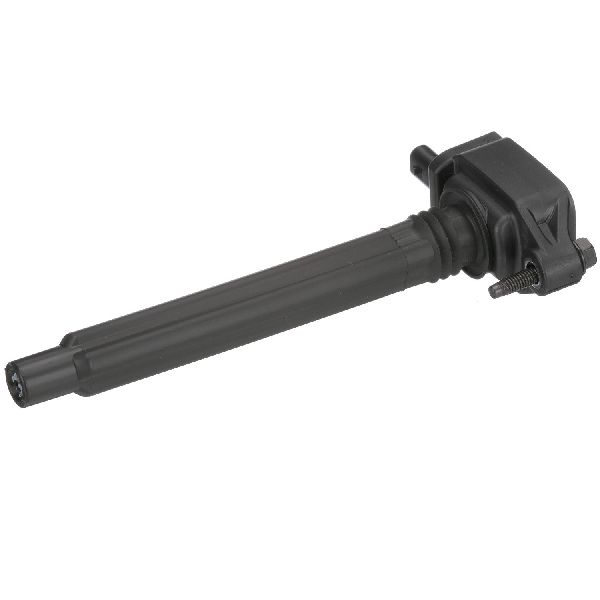
- Ignition Coil
(OEM #68242286AA)— This is one of the most common failure items for a single-cylinder misfire. It is often damaged by oil contamination from a leaking gasket.
Trusted brands: Mopar, NGK, Delphi, Bosch
OEM price range: $60-$100
Aftermarket price range: $40-$80 - Spark Plug
(OEM #NGK LZFR5C-11)— Spark plugs are a routine maintenance item and can wear out or be fouled by oil, causing a weak spark and misfires.
Trusted brands: NGK, Champion
OEM price range: $15-$25
Aftermarket price range: $10-$20 - Valve Cover Gasket Set
(OEM #68194923AB)— Required if oil is found in the spark plug wells. The gasket set includes the main perimeter gasket and the spark plug tube seals, which are the common point of failure on the 2.4L engine.
Trusted brands: Mopar, Fel-Pro
OEM price range: $70-$120
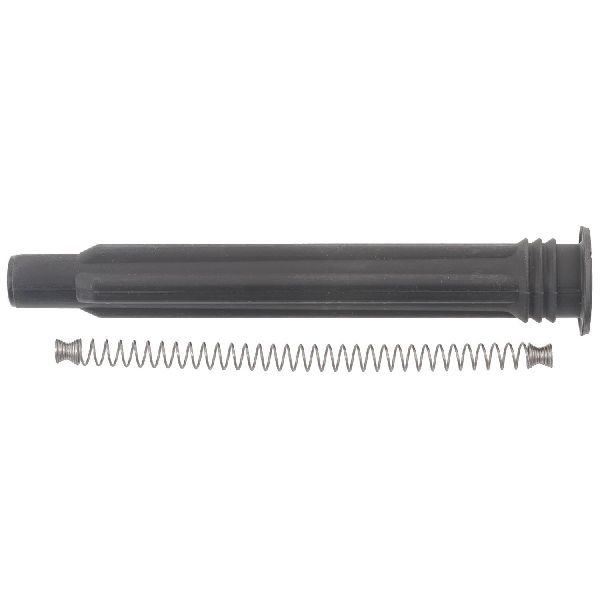
Aftermarket price range: $40-$80 - Ignition Coil Boot Kit
(OEM #68420587AA)— A cost-effective first step per TSB 08-027-20, which suggests the boot seal itself is often the failure point, especially if no oil is present.
Trusted brands: Mopar
OEM price range: $25-$40
Aftermarket price range: $15-$30
Related Codes That Often Appear With This One
- P0300 — If the misfire condition is intermittent or affects multiple cylinders, a P0300 (Random/Multiple Cylinder Misfire) may be stored alongside P0304. [⭐ MANUFACTURER TSB #08-027-20, 32]
- P0301, P0302, P0303 — These codes indicate misfires in other cylinders. Seeing them together can point to a systemic issue like a vacuum leak, low fuel pressure, or an issue requiring a software update as mentioned in TSB #08-027-20.
- P1064, P106B — These codes point directly to a fault with the Cylinder 4 Oil Supply Solenoid, which is part of the MultiAir actuator. If you see these with P0304, a failed MultiAir 'brick' is the most likely cause.
Technical Service Bulletins (TSBs) & Recalls
- Bulletin #08-027-20: Addresses multiple misfire DTCs (P0300-P0304) and rough running. The prescribed fix is to replace all four ignition coil insulating boots, suggesting the boot/seal is a primary failure point.
Platform-Specific Known Issues
- A known Technical Service Bulletin (TSB #08-027-20) exists for multiple cylinder misfire codes (P0300-P0304) which may be resolved by replacing the ignition coil boots. This TSB applies to the 2.4L engine and suggests the boot-to-head seal is a primary weak point.
Mechanic-Grade Diagnostic Values
- Ignition Coil Primary Resistance — expected: 0.56 - 0.68 Ohms. Failure: A reading outside this range indicates a faulty coil.
- Ignition Coil Secondary Resistance — expected: 7.8 - 9.6 kOhms. Failure: A reading outside this range indicates a faulty coil.
- Fuel Injector Resistance — expected: Approximately 12 Ohms. Failure: A reading that is significantly different from the other injectors, or an open/short circuit, indicates a failed injector.
- MultiAir Actuator Solenoid Resistance — expected: 0.2 - 1.0 Ohms. Failure: An open circuit or a reading outside this very low range indicates a failed solenoid within the actuator brick, requiring replacement of the entire assembly.
Scan Tool Commands That Help
- Witech (or equivalent advanced scan tool): Cam/Crank Variation Relearn — This procedure must be performed after replacing major powertrain components like the MultiAir actuator ('brick') or camshaft sensors to ensure the PCM has the correct baseline sensor data.
- Witech (or equivalent advanced scan tool): Active test on cylinder oil supply solenoid — This command can be used to directly test the function of a specific solenoid within the MultiAir actuator. If the solenoid for cylinder 4 does not respond or clicks weakly compared to others, it confirms a failure within the 'brick'.
Wiring & Ground Locations
- Main Engine/Battery Ground — The main ground strap from the battery negative terminal attaches to a stud on the vehicle's frame, located directly underneath the battery and its tray.. While not a direct cause of a single-cylinder misfire, a poor ground connection can cause a wide range of erratic electrical and communication errors across the vehicle. Ensuring this connection is clean and tight is a crucial basic step in any electrical diagnosis.
Real Owner Repair Stories
- Reddit user on r/dodgedart (2014 Dodge Dart 2.4L, 110,000 km) — Misfire on cylinder 2 (P0302) on cold start, especially after an oil change. The misfire would go away for the rest of the day after the car warmed up.
❌ Tried (didn't work) Swapping spark plugs, Swapping coil packs, Compression test (was good)
✅ What actually fixed it The issue was ultimately diagnosed as a failing MultiAir actuator ('brick'), which had to be replaced. The shop cited infrequent oil changes as a possible cause, despite the owner having records of regular maintenance. - YouTube channel 'Lakes Automotive Diagnostics' (2014 Dodge Dart 2.4L) — No start, no compression, multiple MultiAir-related codes (P103B, P1043, P1069) and a misfire on cylinder 3 (P0303).
❌ Tried (didn't work) Repairing a broken electrical connector on the MultiAir brick. The car ran for a short time then died with no compression.
✅ What actually fixed it The entire MultiAir actuator assembly ('brick') was replaced with a used unit. After replacement and a 10-mile test drive, the vehicle ran smoothly with no misfires.
OEM Part Supersession History
5047980AA, 5047980AB, 5047980AC, 5047980AD→5047980AE— Standard part revision and improvement by the manufacturer.
Heads up: While the parts may be physically similar, it is critical to use the latest revision (5047980AE) for this vehicle to ensure compatibility with any software updates and for improved reliability.
Model Year Variations Within This Range
- 2018: For the 2018 model year, the Fiat 500X received the updated Uconnect 4 infotainment system as standard, which included Apple CarPlay and Android Auto. This change does not directly affect the P0304 code but is a notable difference within the 2016-2018 range.
Helpful Videos
Used OEM Parts in Stock

New Aftermarket Parts Available


The information in this article is provided for general reference and educational purposes only. Vehicle specifications, procedures, and part compatibility can vary by production date, trim level, and region. Always consult your vehicle's factory service manual and verify part numbers before purchasing or performing repairs. Safety-critical components such as airbags, seat belts, and braking systems should be installed by a qualified professional.
- Fiat 500X:
- 🎬 Helpful Videos
- 🛍️ Shop This Part
- What's Unique About the 2016-2018 Fiat 500X
- Diagnostic Flowchart
- Symptoms You May Notice
- Most Likely Causes
- Rare But Worth Checking
- Diagnosis Steps
- Parts You'll Likely Need
- Related Codes That Often Appear With This One
- Technical Service Bulletins (TSBs) & Recalls
- Platform-Specific Known Issues
- Mechanic-Grade Diagnostic Values
- Scan Tool Commands That Help
- Wiring & Ground Locations
- Real Owner Repair Stories
- OEM Part Supersession History
- Model Year Variations Within This Range
- 🎟️ Get 5% Off