

P0304 on 2019-2023 Dodge Challenger: Cylinder 4 Misfire Causes and Fixes
P0304 indicates a misfire on cylinder 4. On a 2019-2023 Dodge Challenger, this is most often caused by a faulty ignition coil or a worn spark plug. Swapping the ignition coil from cylinder 4 to another cylinder is a common and effective no-cost diagnostic step. For V8 HEMI engines, listen for a ticking sound, as this could signal a more severe lifter/camshaft issue.
- P0304 signifies a misfire in cylinder 4, which is most commonly caused by a bad ignition coil or spark plug.
- A simple, no-cost diagnostic test is to swap the ignition coil from cylinder 4 with another cylinder to see if the misfire code follows the coil.
- Do not ignore a flashing check engine light, as this indicates a severe misfire that can quickly destroy your expensive catalytic converter.
- For V8 HEMI models, be aware that a persistent P0304 accompanied by a ticking sound can be a symptom of a more serious internal engine problem with the camshaft and lifters.
- Cylinder 4 is in a different location depending on your engine: it's the middle cylinder on the driver's side for the 3.6L V6, and the second cylinder from the front on the passenger's side for the V8s.
What's Unique About the 2019-2023 Dodge CHALLENGER
For the Dodge Challenger, a P0304 code is typically a straightforward ignition issue. However, engine-specific patterns exist. On the V8 HEMI engines (5.7L, 6.4L), a persistent misfire accompanied by a ticking noise can be an early warning of a more serious and well-documented lifter and camshaft failure. On the 3.6L Pentastar V6, a similar ticking noise with a misfire may point towards a failing rocker arm bearing, another known issue with this engine family. While less common than a bad coil or plug, these possibilities mean owners should pay close attention to engine noises when this code appears.
Diagnostic Flowchart
Tap your situation to follow the diagnostic path that matches what you're seeing on this vehicle.
Symptoms You May Notice
- Rough or shaky idle.
- Hesitation or stumbling during acceleration.
- Noticeable loss of engine power.
- The Check Engine Light is on and steady (or flashing in severe cases).
- A smell of raw gasoline from the exhaust.
- Reduced fuel economy.
- Engine stalling or difficulty starting.
- Unusual engine noises like knocking or pinging.
- Replacing the oxygen (O2) sensors. O2 sensors report on the composition of exhaust gases; they do not typically cause a single-cylinder misfire.
- Replacing the catalytic converter. A misfire can damage a catalytic converter, but the converter itself is not the cause of the misfire code.
Most Likely Causes
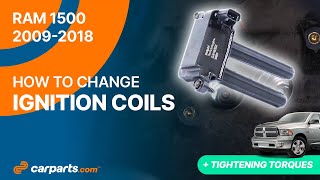
- Faulty Ignition Coil 🔴 High Probability Coil-on-plug systems are common failure points on modern engines due to constant exposure to high heat cycles in the engine bay. This is the most frequent cause of a single-cylinder misfire. 🎬 Watch: How to replace the ignition coils on a HEMI engine.
How to confirm: Swap the ignition coil from cylinder 4 with one from another cylinder (e.g., cylinder 2). Clear the codes and drive. If the misfire code changes to P0302, the ignition coil is the culprit. This is a widely recommended first diagnostic step.
Typical fix: Replace the faulty ignition coil. Many technicians recommend replacing the corresponding spark plug at the same time.
Est. part cost: $50-$100 - Worn or Fouled Spark Plug 🔴 High Probability Spark plugs are a regular maintenance item. The 5.7L HEMI V8 uses two spark plugs per cylinder (16 total), increasing the chance of a single plug failing over time. Incorrect spark plug gaps can also be a cause, as noted in TSB 09-016-24 for 6.2L engines.
How to confirm: After ruling out the ignition coil, remove the spark plug from cylinder 4. Inspect it for wear, carbon buildup, oil fouling, or damage to the electrode. Compare it to a new plug.
Typical fix: Replace the spark plug. It is best practice to replace all spark plugs at once for even performance, especially if they are near the end of their service life.
Est. part cost: $10-$25 per plug - Defective Fuel Injector 🟡 Medium Probability Fuel injectors can become clogged with deposits over time or fail electronically, preventing the correct amount of fuel from reaching cylinder 4. This can sometimes be intermittent, making diagnosis difficult.
How to confirm: Listen to the injector with a mechanic's stethoscope; it should make a consistent clicking sound. You can also test the injector's resistance with a multimeter or swap it with another cylinder's injector, though this is more labor-intensive. A forum user on a Hellcat forum reported a dealer replacing only injector #4 to fix a P0304, though the problem later returned, highlighting the potential for tricky diagnoses.
Typical fix: Replace the faulty fuel injector.
Est. part cost: $70-$150
Rare But Worth Checking
- Camshaft/Lifter Failure (HEMI V8 engines): This is a known issue on HEMI engines, often called the 'Hemi tick'. A failed lifter roller can seize and grind down the camshaft lobe, causing a persistent misfire that won't be fixed by ignition or fuel parts. If you hear a loud ticking noise from the engine along with the misfire, this should be investigated immediately to prevent further engine damage.
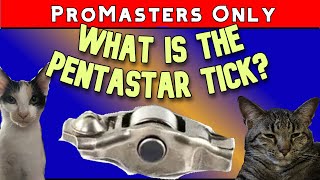
- Rocker Arm Failure (3.6L Pentastar V6 engine): On the V6 engine, a ticking noise accompanied by a misfire often points to a failed rocker arm bearing. The needle bearings in the rocker arm can fail, causing excessive play and improper valve lift, leading to a misfire. A visual inspection of the valvetrain is necessary to confirm this. 🎬 See this breakdown of the Pentastar V6 ticking noise and fix.
- Intake Manifold Gasket Leak: A vacuum leak near the intake runner for cylinder 4 can lean out the air-fuel mixture and cause a misfire. This can be diagnosed with a smoke test by a professional.
- Low Engine Compression: A mechanical issue like a burnt valve, damaged piston, or worn piston rings can cause a loss of compression in cylinder 4. This requires a mechanical compression test to confirm and often leads to significant engine repair.
Diagnosis Steps
- Read the code with an OBD-II scanner to confirm P0304 and check for any other codes.
- Identify the location of cylinder #4. On the 3.6L V6, it is the middle cylinder on the driver's side. On the V8 HEMI engines, it is the second cylinder from the front on the passenger's side.
- Listen for unusual engine noises. A distinct ticking could point to a valvetrain issue (lifter on V8, rocker arm on V6) and should prompt a more in-depth mechanical inspection.
- Swap the ignition coil from cylinder 4 with an adjacent, easily accessible cylinder (like cylinder 2 on the V6 or cylinder 6 on the V8).
- Clear the codes and test drive the vehicle. If the code returns as a misfire on the cylinder you moved the coil to (e.g., P0302 or P0306), the ignition coil is faulty and needs replacement.
- If the P0304 code returns, the coil is likely good. Move on to the spark plug. Remove and inspect the spark plug in cylinder 4. If it's worn, fouled, or damaged, replace it. If the vehicle has high mileage, consider replacing all of them.
- If the misfire persists, inspect the wiring and connector for the fuel injector and ignition coil on cylinder 4 for any damage or corrosion.
- Listen to the fuel injector on cylinder 4 with a mechanic's stethoscope or a long screwdriver. It should have a steady, audible clicking sound. Compare it to the sound of an adjacent injector.
- If ignition and fuel delivery seem okay, a compression test is the next step to check for mechanical engine problems like bad valves or piston rings.
- If a ticking noise was present, a visual inspection of the valvetrain (camshafts, lifters, rocker arms) may be necessary.
Parts You'll Likely Need
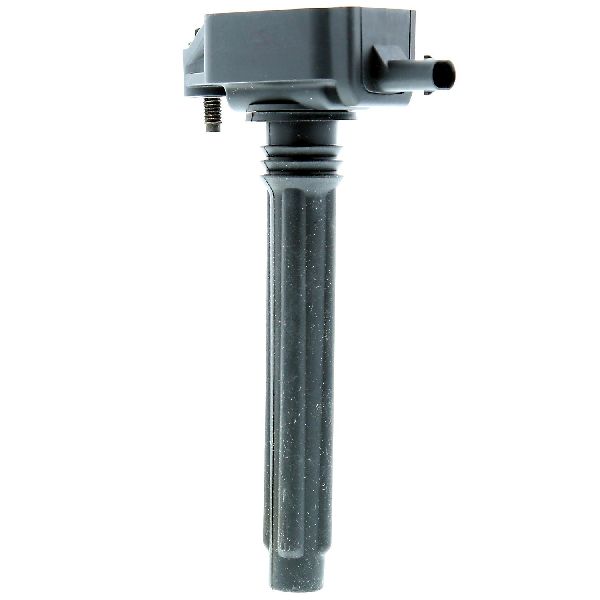
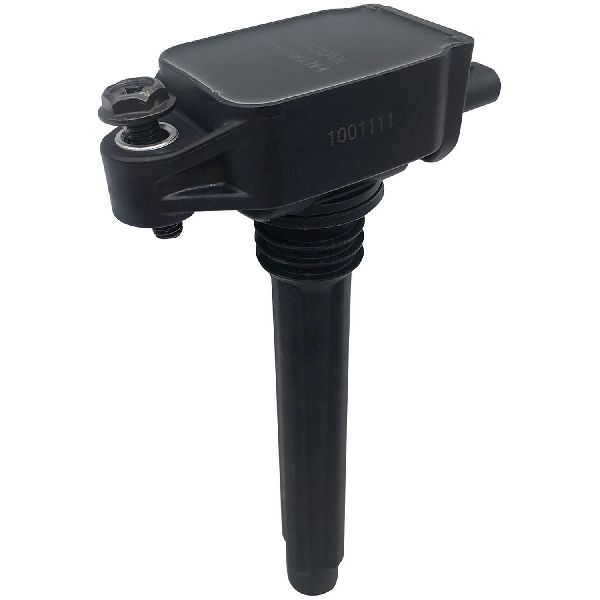
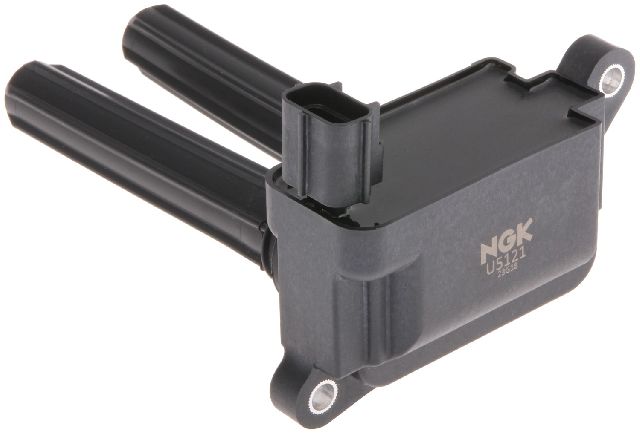
- Ignition Coil
(OEM #68238603AA)— This is the most common cause of a single-cylinder misfire and is the easiest part to diagnose via swapping. This part number supersedes 68060346AA, 56029129AF, 56029129AB, and 56029129AA.
Trusted brands: Mopar, Bosch, NGK, Duralast, Denso
OEM price range: $60-$90
Aftermarket price range: $40-$70 - Spark Plug
(OEM #SP149125AF)— Spark plugs are a maintenance item that wear out over time. A fouled or worn plug is a very common cause of misfires. This part number is for the 3.6L V6 and supersedes SP149125AE, SP149125AD, 05149125AE, and 5149125AD. HEMI engines use different plugs.
Trusted brands: NGK, Champion, Bosch, Autolite
OEM price range: $15-$25
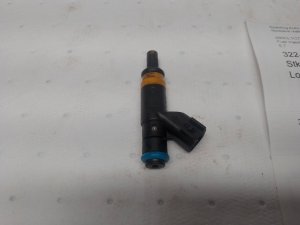
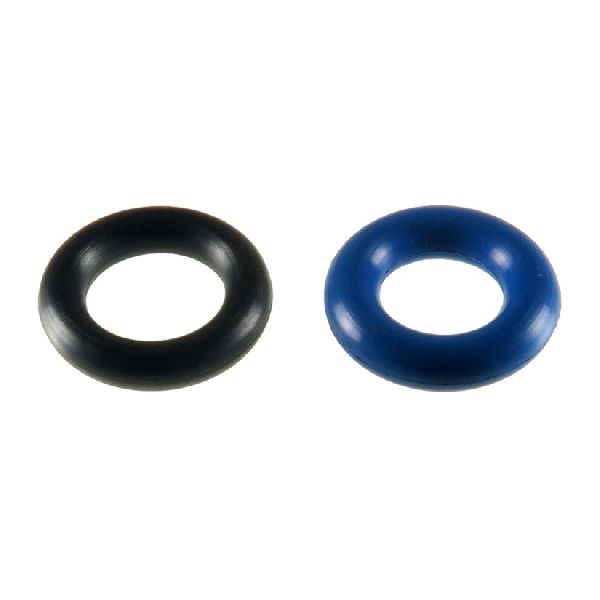
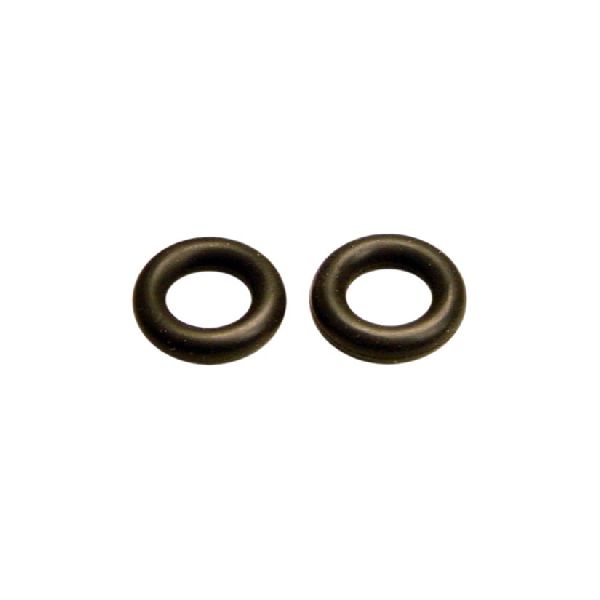
Aftermarket price range: $8-$18 - Fuel Injector
(OEM #5149168AI)— Less common than ignition parts, but a clogged or failed injector will prevent fuel from reaching the cylinder, causing a misfire.
Trusted brands: Mopar, Bosch, Standard Motor Products
OEM price range: $100-$150
Aftermarket price range: $70-$110
Related Codes That Often Appear With This One
- P0300 — If the misfire is severe or intermittent, or if the underlying cause (like a vacuum leak or low fuel pressure) begins to affect other cylinders, a P0300 (Random/Multiple Cylinder Misfire) code may appear alongside P0304.
- P0430 — This code (Catalyst System Efficiency Below Threshold Bank 2) can appear if the P0304 misfire has been ignored for too long. Unburnt fuel from cylinder 4 overheats and damages the catalytic converter on Bank 2 (the side with cylinder 4).
- P3425 — On HEMI V8 engines with Multi-Displacement System (MDS), this code (Cylinder 4 Deactivation/Intake Valve Control Circuit) can appear with P0304, pointing directly to a problem with the MDS solenoid for cylinder 4.
Technical Service Bulletins (TSBs) & Recalls
- 18-035-26 - Lists P0304 as a possible DTC related to an engine issue, often resolved with a PCM software update.
- 1400322REVA - Lists P0304 as a possible DTC related to a fuel system issue.
- 09-016-24 - For 6.2L engines, advises checking and re-gapping spark plugs to resolve misfires including P0304.
Platform-Specific Known Issues
- TSB 09-016-24 applies to 2023 models with the 6.2L Supercharged engine and suggests that misfire codes (including P0304) can be caused by an incorrect spark plug gap. The fix involves checking and re-gapping the plugs, not necessarily replacing them.
- TSBs 18-035-26 and 1400322REVA are general bulletins that list P0304 among many other misfire codes. They often relate to PCM software updates that improve misfire detection logic or address other system faults that could indirectly cause a misfire.
Mechanic-Grade Diagnostic Values
- Ignition Coil Primary Resistance — expected: 0.4 to 2.0 ohms. Failure: A reading outside of this range indicates a faulty primary winding in the coil.
- Ignition Coil Secondary Resistance — expected: 6,000 to 10,000 ohms (6.0k-10.0k Ω). Failure: A reading outside of this range suggests the coil's secondary winding has failed.
- Short Term/Long Term Fuel Trims — expected: -5% to +5%. Failure: Consistently high positive values on the bank with cylinder 4 can indicate a vacuum leak, while high negative values can indicate a leaking injector.
- Fuel Injector Control Circuit — expected: Pin 11 on the PCM connector is the driver for the cylinder 4 injector.. Failure: After verifying the wiring harness is intact, a fault on this circuit points to an internal PCM issue.
Hidden / Shadow Codes Worth Checking
- Live Misfire Counters: This is not a stored DTC but live data showing the number of misfire events per cylinder in real-time. It helps determine the severity and frequency of the misfire on cylinder 4 compared to others. (see via A dealer-level scan tool like wiTECH or an advanced aftermarket scanner with Mode 6 capabilities is required to view this data.)
Scan Tool Commands That Help
- wiTECH or advanced bidirectional scanner: Cylinder Power Balance Test / Injector Kill Test — This function allows a technician to deactivate individual cylinders one by one. When cylinder 4 is deactivated, if there is no change in engine RPM or smoothness, it confirms that cylinder 4 was not contributing power, isolating the issue to that cylinder.
Wiring & Ground Locations
- Cylinder 4 Injector Control — Pin 11 of the Powertrain Control Module (PCM) connector. The PCM is typically located in the engine bay.. This is the specific pin that sends the signal to fire the fuel injector for cylinder 4. Testing for a signal here can differentiate between a wiring problem, a failed injector, or a failed PCM driver.
- Engine Block Ground — A braided strap or thick wire running from the engine block or cylinder head to the vehicle's frame or firewall.. A poor engine ground can cause weak spark across all cylinders, but it can sometimes manifest as an intermittent misfire on one cylinder before affecting others. It is a crucial connection for the entire ignition system.
- G101 — Right front of the engine compartment.. This is a primary ground point in the engine bay that can affect various sensors and modules. Corrosion or a loose connection here can cause erratic behavior.
Real Owner Repair Stories
- Challenger SRT Forum (Dodge Challenger SRT (year not specified)) — Persistent P0304 check engine light.
❌ Tried (didn't work) Clearing the code multiple times., Replacing only the fuel injector for cylinder 4.
✅ What actually fixed it The issue was not resolved by replacing the injector, and the car was returned to the dealer for further diagnosis with Chrysler's "Star" technical assistance. This highlights that a P0304 can be a complex issue that is not always a simple part swap.
Model Year Variations Within This Range
- 2019-2023: The 3.6L Pentastar V6, 5.7L HEMI V8, and 6.4L HEMI V8 have different cylinder layouts and known mechanical failure patterns (rocker arms on V6, lifters on V8s) that can cause this code, as noted in the 'why_this_platform_is_different' section.
Helpful Videos
Used OEM Parts in Stock




New Aftermarket Parts Available


The information in this article is provided for general reference and educational purposes only. Vehicle specifications, procedures, and part compatibility can vary by production date, trim level, and region. Always consult your vehicle's factory service manual and verify part numbers before purchasing or performing repairs. Safety-critical components such as airbags, seat belts, and braking systems should be installed by a qualified professional.
- Dodge CHALLENGER:
- 🎬 Helpful Videos
- 🛍️ Shop This Part
- What's Unique About the 2019-2023 Dodge CHALLENGER
- Diagnostic Flowchart
- Symptoms You May Notice
- Most Likely Causes
- Rare But Worth Checking
- Diagnosis Steps
- Parts You'll Likely Need
- Related Codes That Often Appear With This One
- Technical Service Bulletins (TSBs) & Recalls
- Platform-Specific Known Issues
- Mechanic-Grade Diagnostic Values
- Hidden / Shadow Codes Worth Checking
- Scan Tool Commands That Help
- Wiring & Ground Locations
- Real Owner Repair Stories
- Model Year Variations Within This Range
- 🎟️ Get 5% Off