

P0304 on 2011-2017 Chrysler 200: Cylinder 4 Misfire Causes and Fixes
P0304 indicates a misfire on cylinder 4. On the Chrysler 200, this is most often caused by a bad ignition coil or a worn spark plug. For 2011-2013 models with the 3.6L V6, it can also be a sign of a more serious cylinder head issue covered by a manufacturer warranty extension (X56). Later 3.6L models can suffer from failed rocker arms, also causing misfires.
- P0304 is a misfire on cylinder 4. The most common fixes are replacing the ignition coil and/or spark plug.
- A flashing check engine light is serious. Avoid driving to prevent expensive damage to your catalytic converter.
- If you have a 2011-2013 Chrysler 200 with the 3.6L V6, this code could indicate a serious cylinder head problem that may be covered by an extended warranty (X56).
- The easiest diagnostic step is to swap the cylinder 4 ignition coil with one from another cylinder to see if the misfire code follows the coil.
What's Unique About the 2011-2017 Chrysler 200

For the 2011-2017 Chrysler 200, the cause of a P0304 code differs significantly between the two available engines. While both can suffer from common ignition or fuel system faults, the 3.6L Pentastar V6 in 2011-2013 models is known for a specific defect. A problem with the left cylinder head could cause misfires on cylinders 2, 4, and 6, which led Chrysler to issue a 10-year/150,000-mile warranty extension (X56) for this exact issue. The 2.4L I4 engine, on the other hand, is more prone to standard issues like faulty ignition coils, spark plugs, or a bad PCV valve causing a vacuum leak. Later 3.6L V6 engines (post-2013) are known to develop a 'Pentastar Tick' caused by failing rocker arms, which can also lead to a P0304 code.
Diagnostic Flowchart

Tap your situation to follow the diagnostic path that matches what you're seeing on this vehicle.
Generation note: The 2011-2017 range covers two generations of the Chrysler 200: the first (JS) from 2011-2014 and the second (UF) from 2015-2017. The most significant vehicle-specific issue, the 3.6L V6 cylinder head problem, primarily affects the first generation (2011-2013 models). Standard causes like ignition coils and spark plugs apply to both generations. The second generation UF models with the 2.4L 'Tigershark' engine are noted for potential oil consumption issues which can foul spark plugs.
Symptoms You May Notice
- Rough or shaking idle.
- Hesitation or stumbling during acceleration.
- Noticeable loss of engine power.
- Flashing or solid Check Engine Light.
- Reduced fuel economy.
- Foul, gassy odor from the exhaust.
- Engine ticking noise (especially on 3.6L V6 models).
- Replacing oxygen sensors. O2 sensor codes can sometimes appear alongside misfire codes, but the misfire is usually the root cause, not the sensor.
Most Likely Causes

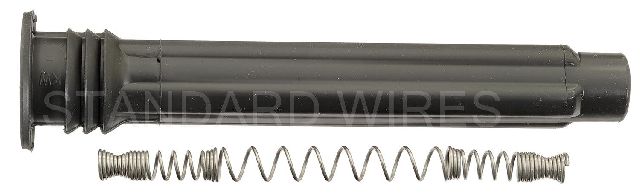
- Faulty Ignition Coil 🔴 High Probability Coil-on-plug systems are common failure points due to constant heat cycles. This is a frequent cause of single-cylinder misfires on both the 2.4L and 3.6L engines. Oil leaking from a failed valve cover gasket's spark plug tube seal can also saturate the coil boot and cause failure.
How to confirm: Swap the ignition coil from cylinder 4 with another cylinder (e.g., cylinder 2). Clear the codes and drive. If the code changes to P0302, the ignition coil is faulty. Visually inspect the coil and spark plug well for oil contamination.
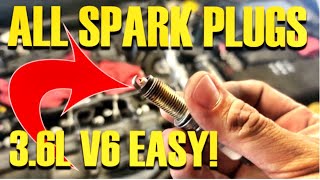
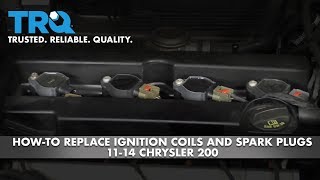
Typical fix: Replace the faulty ignition coil. If oil was present, the valve cover gasket and tube seals must also be replaced. It is often recommended to replace all coils if they are original 🎬 See this walkthrough for replacing coils and plugs on 2011-2014 models. and high-mileage.
Est. part cost: $40-$90 - Worn or Fouled Spark Plug 🔴 High Probability Spark plugs are a regular maintenance item. An incorrect gap, carbon fouling, or oil contamination from a leaking valve cover gasket or excessive oil consumption (on 2.4L engines) can cause a misfire.
How to confirm: After confirming the coil is good, remove the spark plug from cylinder 4. Inspect it for wear, damage, or fouling (black, sooty, or oily deposits). Compare it to a new plug.
Typical fix: Replace the spark plug. It is best practice to replace all spark plugs at the same time to ensure even performance, especially if they are near the end of their service life.
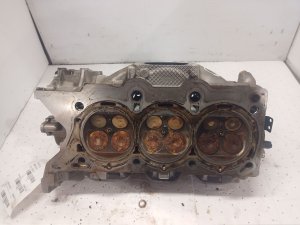
Est. part cost: $10-$25 per plug - Defective Left Cylinder Head (2011-2013 3.6L V6 Only) 🟡 Medium Probability Early 3.6L Pentastar V6 engines had a manufacturing defect in the left cylinder head that led to excessive valve seat wear and loss of compression, causing misfires on cylinders 2, 4, and/or 6. This was addressed by TSB #09-002-14 Rev. B and warranty extension X56.
How to confirm: If ignition and fuel system checks pass, a cylinder leak-down test is required. A leakage of 25% or more on cylinders 2, 4, or 6 confirms the issue as per the TSB.
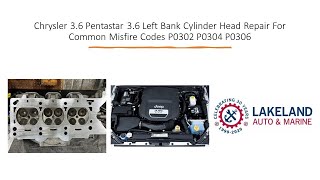
Typical fix: Replacement of the left cylinder head assembly with an updated part (part number ending in AC or later). 🎬 Watch this detailed guide on the 3.6L V6 cylinder head repair. This repair should be covered if the vehicle falls under the warranty extension criteria (10 years/150,000 miles from in-service date).
Est. part cost: $800-$1500 - Clogged or Faulty Fuel Injector ⚪ Low Probability Fuel injectors can become clogged with deposits over time, preventing the correct amount of fuel from being delivered to cylinder 4. Water contamination in fuel can also cause injector issues.
How to confirm: Listen to the injector with a mechanic's stethoscope; it should have a consistent clicking sound. For a definitive test, you can swap the injector with another cylinder, but this is more labor-intensive.
Typical fix: Replace the faulty fuel injector. Sometimes a professional fuel system cleaning can resolve minor clogs.
Est. part cost: $50-$120
Rare But Worth Checking
- Failed Rocker Arm / Lifter (3.6L V6): A common issue on the Pentastar V6 is a failed rocker arm bearing, which creates a distinct 'ticking' noise. If left unaddressed, the failed rocker can damage the camshaft lobe, leading to a loss of valve lift and causing a misfire code like P0304. This is a more common issue on post-2013 models but can occur on any 3.6L.
- Intake Manifold Gasket Leak: A vacuum leak near the intake runner for cylinder 4 can lean out the air/fuel mixture and cause a misfire. A smoke test is the best way to diagnose this.
- Faulty PCV Valve (2.4L I4): On the 2.4L engine, a PCV valve stuck open can create a significant vacuum leak, leading to rough idling and misfire codes. This is an inexpensive and often overlooked part.
- Low Compression (Mechanical Engine Damage): Beyond the specific V6 cylinder head issue, other problems like a worn piston ring, damaged valve, or a blown head gasket can cause a loss of compression and a persistent P0304 code.
Diagnosis Steps
- Read the trouble codes with an OBD-II scanner and check for any other pending or stored codes.
- If you have a 3.6L V6, check if codes P0302 or P0306 are also present, which would point towards the cylinder head issue.
- Listen for a rhythmic ticking noise from the top of the engine (valve cover area), which could indicate a failing rocker arm on the 3.6L V6.
- Swap the ignition coil from cylinder 4 to a different cylinder (e.g., cylinder 2). Clear the codes and run the engine. If the code moves to P0302, the coil is bad.
- If the code remains P0304, inspect the spark plug from cylinder 4 for wear, fouling, or oil contamination. If it's fouled, replace it. If oil is present, inspect the valve cover gasket tube seals.
- If the code still remains P0304, inspect the wiring and connector for the cylinder 4 ignition coil and fuel injector for any damage or corrosion.
- Listen to the cylinder 4 fuel injector with a stethoscope to ensure it is clicking. Compare the sound to an adjacent injector.
- For 3.6L V6 models (especially 2011-2013), if the above steps do not find the fault, perform a cylinder compression test and a leak-down test. Leakage over 25% indicates the cylinder head needs replacement per TSB #09-002-14.
- For 2.4L I4 models, inspect the PCV valve to ensure it is not stuck open, which would cause a vacuum leak.
Parts You'll Likely Need
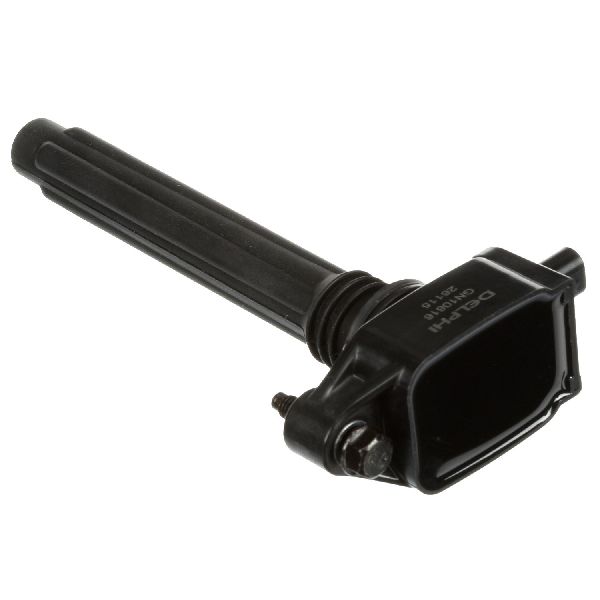
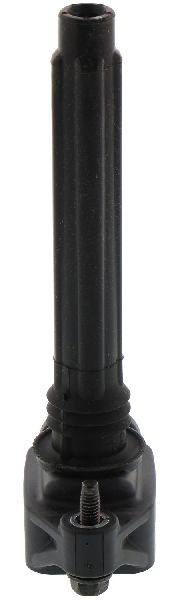
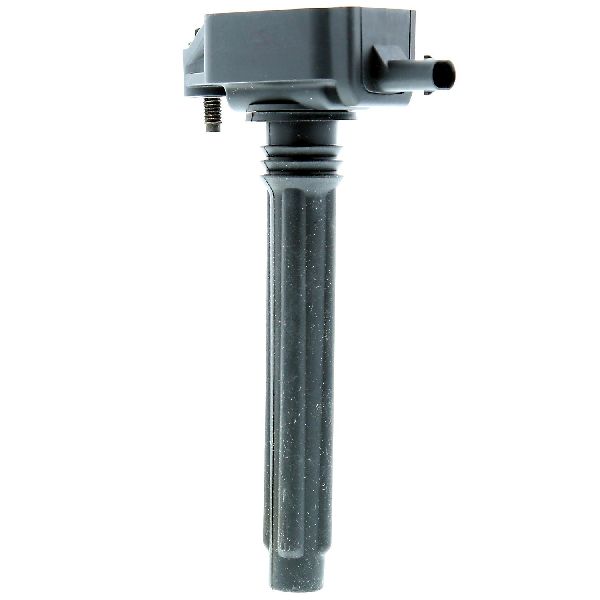
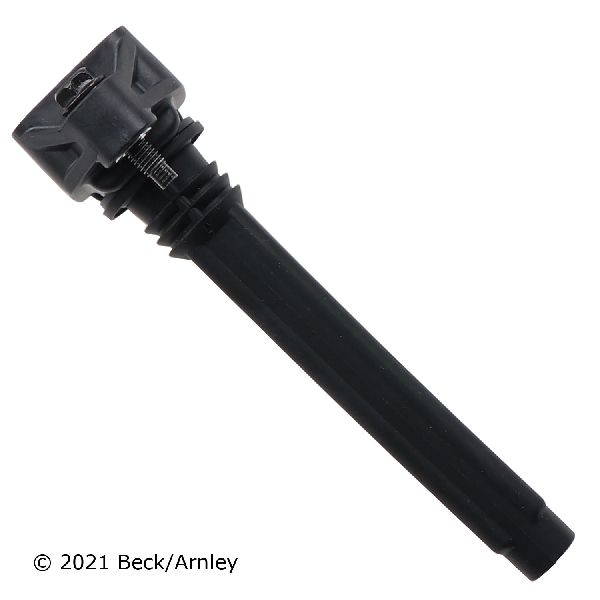
- Ignition Coil
(OEM #5149168AJ)— This is the most common cause of a single-cylinder misfire and is a straightforward part to replace during diagnosis.
Trusted brands: Mopar, NGK, Denso, Delphi
OEM price range: $80-$120
Aftermarket price range: $40-$75 - Spark Plug
(OEM #SP149125AD)— As a primary ignition component and a routine wear item, a faulty spark plug is a very common cause for P0304.
Trusted brands: NGK, Champion, Denso
OEM price range: $15-$25
Aftermarket price range: $8-$18 - Left Cylinder Head Assembly (3.6L V6)
(OEM #68141353AC)— For 2011-2013 3.6L V6 models, this is the definitive fix for misfires caused by the known casting defect. The 'AC' revision supersedes earlier problematic versions like 'AA' and 'AB'.
Trusted brands: Mopar
OEM price range: $1000-$1500
Aftermarket price range: $700-$1100 (Remanufactured)
Related Codes That Often Appear With This One
- P0300 — If the misfire is intermittent or affects other cylinders, a P0300 (Random/Multiple Cylinder Misfire) code may be stored alongside P0304. This is common with the cylinder head and rocker arm issues.
- P0302, P0306 — On 3.6L V6 models, seeing P0304 with P0302 and/or P0306 strongly points to the known left cylinder head issue, as these are the three cylinders on that bank.
Technical Service Bulletins (TSBs) & Recalls

- 09-002-14 Rev. B: MIL Illumination for P0300, P0302, P0304, or P0306 due to excessive cylinder leakage, requiring cylinder head replacement under the X56 Warranty Extension.
- Warranty Bulletin D-14-12: Details the X56 10-year/150,000-mile extended warranty for the left cylinder head on affected 2011-2013 3.6L vehicles.
- 08-027-20: Notes that P0304 can be set along with other misfire codes and may be related to rough running conditions.
- 18-102-16: A PCM software update that may address various DTCs, including misfire codes. This should be checked to see if it applies to the vehicle before extensive mechanical repairs.
Platform-Specific Known Issues
- 3.6L V6 Left Cylinder Head Failure (2011-2013): A significant issue for early Pentastar engines where a defect in the left cylinder head (affecting cylinders 2, 4, 6) causes loss of compression and misfires. Chrysler issued Technical Service Bulletin #09-002-14 Rev. B and warranty extension X56 (10 years/150,000 miles) to address this.
Mechanic-Grade Diagnostic Values
- Long Term Fuel Trim — expected: -5% to +5%. Failure: Consistently over +/- 10% on one bank can indicate a vacuum leak or other air/fuel mixture issue on that bank.
- Ignition Coil Primary Resistance — expected: Approximately 0.5 to 1.5 ohms. Failure: A reading outside of the specified range indicates a faulty coil.
Hidden / Shadow Codes Worth Checking
- Mode $06 Misfire Counters (e.g., TID $53, CID $01-$0C): The PCM continuously counts misfire events for each cylinder, even if they don't reach the threshold to set a P030x code. Accessing this data can reveal intermittent misfires or confirm which cylinder is the problem when only a P0300 (random misfire) code is present. (see via A professional-grade scan tool or some advanced consumer OBD-II apps that support Mode $06 data display.)
Scan Tool Commands That Help
- wiTECH (or other professional scanner): OBD II Monitors > 'Which cylinder is misfiring' — This function is invaluable when a P0300 (Random Misfire) is present without a specific cylinder code. It displays live misfire counts for all cylinders, allowing the technician to pinpoint the problematic one.
- Advanced Scan Tool (e.g., Autel, Snap-on): Cylinder Power Balance Test / Injector Kill Test — This bidirectional test allows the user to deactivate one cylinder at a time (by cutting fuel or spark). When a healthy cylinder is deactivated, the engine RPM will drop noticeably. When the misfiring cylinder (e.g., cylinder 4) is deactivated, there will be little or no change in RPM, confirming it's the source of the problem.
Wiring & Ground Locations
- Engine Wiring Diagrams — Vehicle-wide. A persistent P0304 after replacing the coil, plug, and injector could be caused by a break or short in the wiring harness between the PCM and the component, or a poor ground connection. Access to professional wiring diagrams (e.g., via ALLDATA or Mopar TechAuthority) is necessary to trace the specific circuit for the cylinder 4 ignition coil (and injector) and check for voltage, continuity, and proper grounding at the PCM connector.
Real Owner Repair Stories
- YouTube diagnostic demonstration (General example, applicable to Chrysler 200) — Rough idle and a specific cylinder misfire code (e.g., P0304).
❌ Tried (didn't work) Replacing spark plugs did not resolve the issue.
✅ What actually fixed it The technician swapped the ignition coil from the misfiring cylinder (e.g., cylinder 4) with a known good coil from another cylinder (e.g., cylinder 2). After clearing the codes and restarting the engine, the misfire code changed to P0302. This definitively proved the ignition coil was the faulty component. A new coil installed on cylinder 4 resolved the problem.
OEM Part Supersession History
68141353AA, 68141353AB→68141353AC— The original 'AA' and 'AB' revisions of the left cylinder head for the 3.6L V6 were prone to premature valve seat wear, causing the misfires addressed by TSB #09-002-14. The 'AC' revision is the updated, corrected part.
Heads up: CRITICAL: When installing a new head, Mopar warns that 'Cylinder Heads Are Shipped WITHOUT Oil Gallery Bolts/Plugs, Bolt/Plug Kit 68154699AA MUST Be Used Or Trouble Codes Will Be Set.' Failure to install this kit will lead to incorrect oil pressure and new diagnostic trouble codes.
Model Year Variations Within This Range
- 2015-2017: The 2.4L I4 engine is the 'Tigershark' MultiAir, which is fundamentally different from the 2.4L 'World Engine' in 2011-2014 models. The Tigershark is known for potential oil consumption issues due to piston ring design. It also has a very specific oil requirement of 0W-20 synthetic; using thicker oil can disrupt the hydraulic MultiAir valve actuation system and potentially cause performance issues, including misfires.
Helpful Videos
Used OEM Parts in Stock
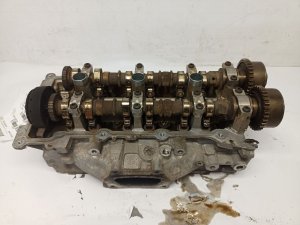


New Aftermarket Parts Available


The information in this article is provided for general reference and educational purposes only. Vehicle specifications, procedures, and part compatibility can vary by production date, trim level, and region. Always consult your vehicle's factory service manual and verify part numbers before purchasing or performing repairs. Safety-critical components such as airbags, seat belts, and braking systems should be installed by a qualified professional.
- Chrysler 200:
- 🎬 Helpful Videos
- 🛍️ Shop This Part
- What's Unique About the 2011-2017 Chrysler 200
- Diagnostic Flowchart
- Symptoms You May Notice
- Most Likely Causes
- Rare But Worth Checking
- Diagnosis Steps
- Parts You'll Likely Need
- Related Codes That Often Appear With This One
- Technical Service Bulletins (TSBs) & Recalls
- Platform-Specific Known Issues
- Mechanic-Grade Diagnostic Values
- Hidden / Shadow Codes Worth Checking
- Scan Tool Commands That Help
- Wiring & Ground Locations
- Real Owner Repair Stories
- OEM Part Supersession History
- Model Year Variations Within This Range
- 🎟️ Get 5% Off