

P0304 on 2010-2017 Chevrolet Suburban: Cylinder 4 Misfire Causes and Fixes
P0304 on a 2010-2017 Suburban indicates a misfire in cylinder 4. The most common causes are a bad spark plug, ignition coil, or spark plug wire. A more serious, but known, issue for these engines is a failed Active Fuel Management (AFM) lifter, which is a more complex and costly repair often requiring camshaft replacement.
- P0304 means cylinder 4 is misfiring.
- Start your diagnosis with the simple and cheap fixes: check the spark plug wire, swap the ignition coil with another cylinder, and inspect the spark plug.
- Listen for a ticking noise. A tick combined with a P0304 misfire strongly suggests a more serious internal engine problem, likely a failed AFM lifter.
- Do not ignore a flashing check engine light, as it signals a severe misfire that can quickly damage your catalytic converter.
- Due to the known AFM lifter issues, a persistent P0304 that isn't solved by new plugs/coils/wires may require professional mechanical diagnosis.
What's Unique About the 2010-2017 Chevrolet SUBURBAN

The V8 engines in this generation of Suburban feature Active Fuel Management (AFM), which deactivates cylinders (including cylinder 4) to improve fuel economy. This system, while beneficial for efficiency, introduces a common failure point: the AFM lifters. A collapsed or stuck AFM lifter is a well-documented cause for a persistent P0304 code on these trucks, often accompanied by a ticking noise. This is a more severe issue than typical ignition component failures and can lead to camshaft damage if not addressed.
Diagnostic Flowchart

Tap your situation to follow the diagnostic path that matches what you're seeing on this vehicle.
Generation note: This range covers two Suburban generations: the 10th (2010-2014, Gen IV engines) and the 11th (2015-2017, Gen V EcoTec3 engines). Both generations use V8 engines with Active Fuel Management (AFM) and are susceptible to similar ignition and lifter issues. The 2015-2017 models feature the newer EcoTec3 direct-injection engines, which can also have issues with carbon buildup on intake valves or high-pressure fuel system components that might contribute to misfires.
Symptoms You May Notice
- Rough or shaky idle
- Engine hesitation or stumbling during acceleration
- Noticeable loss of power
- Flashing or solid Check Engine Light
- Smell of unburned fuel from the exhaust
- Engine ticking or tapping noise, especially if related to a lifter. This noise occurs at half the speed of the engine's RPM.
- Service StabiliTrak and/or Traction Control lights illuminating on the dash along with the CEL.
- Replacing only the spark plug when the ignition coil or wire is the actual problem.
- Replacing ignition and fuel components repeatedly when the underlying cause is a mechanical AFM lifter failure.
- Assuming a ticking noise is a simple exhaust leak when it is the classic sign of a failing lifter.
Most Likely Causes

- Worn or Fouled Spark Plug 🔴 High Probability Spark plugs are a routine maintenance item. Oil fouling on the plug for cylinder 4 can be an early indicator of other issues like a failing valve seal or piston ring issues related to AFM oil consumption.
How to confirm: Remove the spark plug from cylinder 4 and inspect it for wear, carbon fouling, or oil deposits. A worn plug will have an eroded electrode. A wet, fuel-smelling plug indicates a lack of spark, while a black, oily plug points to internal engine issues.
Typical fix: Replace the spark plug. It's best practice to replace all 8 spark plugs at the same time with the specified Iridium plugs to ensure longevity.
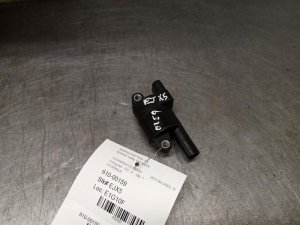
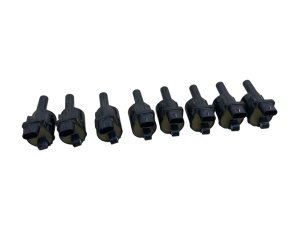
Est. part cost: $10-$25 per plug - Faulty Ignition Coil 🔴 High Probability Heat and vibration can cause the coil-on-plug units to fail over time, leading to a weak or non-existent spark.
How to confirm: Swap the ignition coil from cylinder 4 with another cylinder (e.g., cylinder 2, the front-most on the passenger side). Clear the codes and drive the vehicle. If the code changes to P0302, the ignition coil is faulty. 🎬 Watch: Quick DIY methods to fix a P0304 engine code.
Typical fix: Replace the failed ignition coil. It is a simple, single-bolt replacement.
Est. part cost: $45-$110 - Bad Spark Plug Wire 🟡 Medium Probability A GM Technical Service Bulletin (TSB #PIP4819A) specifically calls out loose spark plug wires as a cause for misfires on 2010-2013 models. The boots can lose their grip on the coil or plug, causing a poor connection.
How to confirm: Visually inspect the wire for damage, corrosion, or a loose connection at the coil and spark plug. Ensure it 'clicks' into place on both ends. A spark tester can also be used to verify spark delivery through the wire.
Typical fix: Replace the spark plug wire. It is often recommended to replace the full set.
Est. part cost: $50-$90 for a set - Failed Active Fuel Management (AFM) Lifter 🟡 Medium Probability The AFM lifters on these GM V8s are a notorious failure point. Cylinders 1, 4, 6, and 7 are the AFM cylinders. The lifter can become mechanically collapsed or stuck due to internal pin damage or oil aeration, preventing the valve from opening and causing a persistent misfire on cylinder 4.
How to confirm: This is a complex diagnosis. It often presents with a distinct ticking noise from the valve cover area. A mechanic can perform a cylinder balance test or disable AFM with a scan tool to see if the misfire changes. Ultimately, it requires removing the valve cover to inspect valve train movement and check for a bent pushrod or a rocker arm that is loose or not moving.
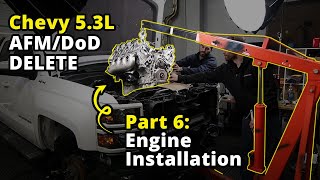
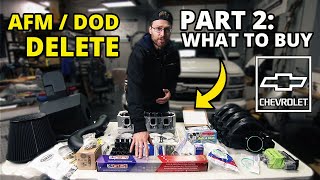
Typical fix: Requires replacing the faulty lifter(s), the lifter guide, and often the camshaft if it has been damaged by the failed lifter. Many owners and shops opt to perform a full 'AFM delete' at this time, replacing all AFM components with standard parts and reprogramming the ECM to disable the system. 🎬 Watch: How AFM lifters fail and why owners choose deletes.
Est. part cost: $300-$800+ for parts, with full AFM delete kits costing more. - Clogged or Faulty Fuel Injector ⚪ Low Probability On 2015-2017 models with direct injection, injectors can become clogged. On all models, an injector can fail electrically or mechanically.
How to confirm: Swap the fuel injector from cylinder 4 with another cylinder. If the misfire code follows the injector, it is the cause. This is more labor-intensive than swapping a coil. A professional can also test injector flow rates or resistance.
Typical fix: Replace the faulty fuel injector. For direct injection models (2015+), this is a more involved job.
Est. part cost: $50-$150 for port injection, $100+ for direct injection
Rare But Worth Checking
- Intake Manifold Gasket Leak: A vacuum leak near the cylinder 4 runner can lean out the air/fuel mixture and cause a misfire. A smoke test is the best way to confirm.
- Bent Pushrod or Broken Valve Spring: A mechanical failure in the valvetrain, often a direct consequence of a collapsed AFM lifter, can cause a complete loss of compression and a severe misfire. A visual inspection under the valve cover is required.
- Low Engine Compression: Caused by worn piston rings or a problem with the cylinder head valves (e.g., valve leakage). A compression test on cylinder 4 will identify this.
- Carbon Buildup on Intake Valves: Specific to the 2015-2017 EcoTec3 direct injection engines. Carbon can build up on the back of the intake valves, restricting airflow and causing misfires. This requires manual cleaning, such as walnut blasting.
Diagnosis Steps
- Read the codes with an OBD-II scanner to confirm P0304 and check for any other codes (e.g., P0300, P0521). Note the freeze frame data.
- Inspect the spark plug wire for cylinder 4 (passenger side, second from front). Ensure it's securely connected and not damaged, as noted in TSB #PIP4819A.
- Swap the ignition coil from cylinder 4 with an adjacent, easily accessible cylinder (like #2 or #6). Clear the codes, run the engine, and see if the misfire code moves to the new cylinder. If it does, the coil is bad.
- If the misfire does not move, remove and inspect the spark plug from cylinder 4. Look for signs of wear, oil, or carbon fouling. A heavily fouled plug warrants further investigation even if replaced.
- If ignition components are good, listen for a distinct ticking or tapping noise from the passenger side valve cover area, which strongly indicates a lifter problem.
- Perform a compression test on cylinder 4 to rule out mechanical issues like bad rings or valves. A reading significantly lower than other cylinders indicates a serious problem.
- If compression is good, consider a fuel system issue. Swap the fuel injector with another cylinder to confirm if it's faulty (more advanced).
- For persistent issues, especially with a ticking noise, professional diagnosis of the AFM system is required. This involves removing the valve cover to inspect the pushrods, rocker arms, and valve springs for proper movement.
Parts You'll Likely Need
- Ignition Coil
(OEM #ACDelco D514A (or superseding #12699382) for 2010-2014 models; ACDelco 12699383 for 2015-2017 models.)— A very common failure point for misfires. Swapping coils is a primary diagnostic step. - Spark Plug
(OEM #ACDelco 41-110 (Iridium) for 2010-2014 5.3L; ACDelco 41-166 (Iridium) for 2015-2017 5.3L.)— A standard maintenance item and a frequent cause of single-cylinder misfires. - AFM Lifter
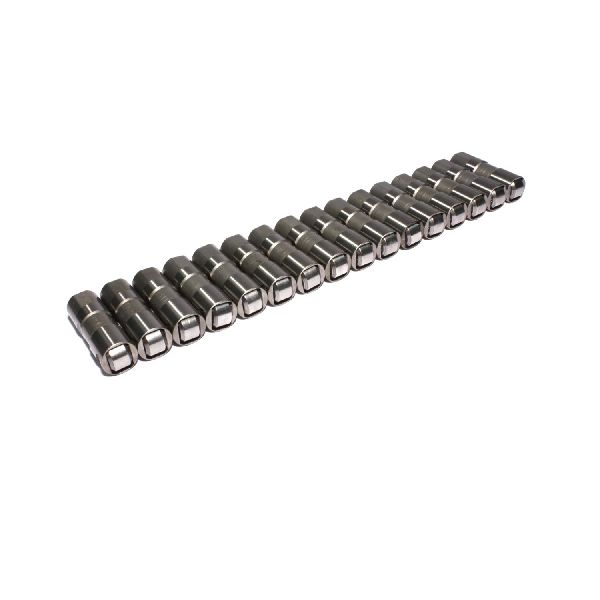
(OEM #12639516 (superseded by 12740071))— A known high-failure part on AFM-equipped engines causing persistent misfires. - Valve Lifter Oil Manifold (VLOM)
(OEM #12698755 (Gen IV) or 12697806 (Gen V))— Often replaced along with the AFM lifters as it controls the oil flow that actuates them and can be a point of failure.
Related Codes That Often Appear With This One
- P0300 — This is a 'Random Misfire' code. It often appears alongside a specific cylinder misfire code like P0304 when the misfire is severe or intermittent enough to be detected across multiple cylinders, or if the root cause (like a failing AFM system) begins to affect other cylinders.
- P0521 — Engine Oil Pressure Sensor Performance. Issues with oil pressure can be a contributing factor to AFM lifter failure, so this code may appear in conjunction with a lifter-related misfire.
- P0171/P0174 — System Too Lean. If the misfire is caused by a vacuum leak or a clogged fuel injector, the ECM may also detect a lean condition on one or both engine banks.
Technical Service Bulletins (TSBs) & Recalls
- PIP4819A
- 19-NA-219
Platform-Specific Known Issues

- TSB #PIP4819A: Engine Misfire: For 2010-2013 models, this bulletin specifically mentions that engine misfires (including P0304) can be caused by spark plug wires with loose fitting terminals. Technicians are instructed to inspect and replace any loose wires.
- TSB #19-NA-219: Engine Misfire/Tick Noise: This bulletin addresses various engine noises and misfires (P0300-P0308) and lists potential causes including a worn camshaft lobe, sticking valve, or a collapsed AFM lifter, confirming this is a known issue to GM.
- Owner Experience: AFM Lifter Failure is the Real Culprit: Numerous owners on forums like TahoeYukonForum.com and Reddit report chasing a P0304 code by replacing plugs, wires, and coils, only to find the persistent misfire was caused by a failed AFM lifter, often accompanied by a ticking sound and StabiliTrak warnings.
- AFM Delete as a Permanent Fix: Due to the high failure rate of AFM lifters, many owners who experience a failure choose to perform an 'AFM Delete'. This involves mechanically removing the AFM hardware (lifters, valley cover, camshaft) and reprogramming the computer. While costly, it is seen as a permanent solution to prevent recurrence.
Mechanic-Grade Diagnostic Values
- Fuel Pressure (2010-2014 Gen IV, Port Injection) — expected: 55-62 psi (385-425 kPa) with key on, engine off.. Failure: Pressure significantly below this range can cause lean misfires.
- Low-Pressure Fuel Pump (2015-2017 Gen V, Direct Injection) — expected: 84-90 psi.. Failure: Pressure below this range will starve the high-pressure pump.
- High-Pressure Fuel Rail (2015-2017 Gen V, Direct Injection) — expected: Can range from 2,000 to 2,800 PSI, depending on engine load.. Failure: Inability to reach target pressure under load indicates a failing high-pressure fuel pump.
- Fuel Injector Resistance (2010-2014 Gen IV, Port Injection) — expected: Approximately 11-14 Ohms.. Failure: A reading significantly outside this range, or a variance of more than 1 Ohm compared to other injectors, indicates a faulty injector coil.
- Fuel Injector Resistance (2015-2017 Gen V, Direct Injection) — expected: Approximately 1-3 Ohms.. Failure: A reading significantly higher (e.g., 40 Ohms) or an open circuit (OL) indicates a failed injector.
- Ignition Coil Resistance — expected: Specific Ohm values are not commonly published by GM for diagnosis.. Failure: This part is most reliably diagnosed by swapping the coil with a known-good cylinder and seeing if the misfire code follows.
Hidden / Shadow Codes Worth Checking
- Mode $06, OBDIMID $A5: Provides access to the raw misfire counter data for cylinder 4. TID $0B shows the exponentially weighted moving average for the last 10 drive cycles, while TID $0C shows the count for the current drive cycle. (see via Requires a professional-grade scan tool capable of displaying Mode $06 data. The tool may translate the hex data automatically or require manual lookup.)
Scan Tool Commands That Help
- GDS2 / Professional Scan Tool: Cylinder Power Balance Test — Use this test to confirm a weak cylinder when a P0304 is present. The tool deactivates cylinder 4 (and others for comparison) and measures the drop in RPM. A small or non-existent RPM drop for cylinder 4 confirms it is not contributing power correctly.
- GDS2 / Professional Scan Tool: AFM System Disable — To diagnose a suspected AFM lifter issue. A technician can command the AFM system off. If the misfire on cylinder 4 disappears when the system is disabled (forcing all 8 cylinders to be active), it strongly points to a failed AFM lifter on that cylinder.
- GDS2 / Professional Scan Tool: Fuel Injector Balance Test — This test commands each injector to fire for a specific duration and measures the corresponding drop in fuel pressure, allowing comparison of flow between injectors to identify a clogged or restricted one.
Wiring & Ground Locations
- G102 — Located at the left rear of the engine.. This is the ground point for all 8 ignition coils. A poor connection here could cause weak spark and misfires on multiple cylinders, potentially including cylinder 4.
- G103 / G104 — Typically found on the cowl in the engine compartment, often above the brake booster, or on the front of the engine block as part of the main battery negative cable harness.. These are primary grounds for the Engine Control Module (ECM). A faulty ECM ground can cause a wide range of erratic engine behavior, including false misfire detection.
- Frame Grounds — Located on the frame behind both front wheels.. On 2015+ models, these grounds are in a location prone to corrosion from tire splash. Poor grounding here can affect various systems, including the fuel pump module.
Real Owner Repair Stories
- Chevrolet-Forum.com user 'Pull Up Now!' (2016 Chevrolet Silverado 5.3L with 56,000 miles) — Ticking noise from engine only in V8 mode, which then stopped and was replaced by a rough running engine and flashing P0304 code.
❌ Tried (didn't work) Initial self-diagnosis using a stethoscope pointed to cylinder 4.
✅ What actually fixed it Dealer confirmed a failed AFM lifter. The repair involved replacing a broken lifter and a broken pushrod. The camshaft was not damaged. The final cost was $3,500. The owner later installed a $50 AFM disabler device to prevent recurrence. - Reddit user 'theschmiller' (2016 Chevrolet Suburban LT Sport with 148,000 miles) — Lifter failure on an AFM cylinder (Cylinder 7 in this case).
❌ Tried (didn't work) Considering trading the vehicle in as-is.
✅ What actually fixed it A trusted shop quoted $6,900 to replace the top end and all timing components. The discussion recommended performing a full AFM delete with an aftermarket kit and reprogramming the computer rather than just replacing the failed OEM parts. - GMTNation.com forum user (2005 GMC Envoy 5.3L (similar AFM engine)) — P0304 misfire, lurching, and knocking noise after a long drive.
❌ Tried (didn't work) The dealer replaced only the passenger side lifters, against the owner's request to do both sides.
✅ What actually fixed it The problem reoccurred. The story highlights that the root cause is often the VLOM (Valve Lifter Oil Manifold) and that a partial repair (only replacing one bank of lifters) is a common misstep that leads to repeat failures. A complete repair should include the VLOM and all AFM lifters.
"I Checked Everything" — The Actual Cause
- For the 2010-2014 models with port injection, a P0304 misfire accompanied by a raw fuel smell could be caused by a leaking fuel pressure regulator diaphragm. A technician found that pulling the vacuum line off the regulator revealed liquid fuel being sucked directly into the intake manifold, causing a rich misfire specifically on cylinders near that vacuum port. A smoke test for vacuum leaks would appear clean because the leak is internal to a component.
OEM Part Supersession History
12639516 (also 12569256, 12571595, 12645725)→12740071— Updated design for the AFM/DOD (Active Fuel Management/Displacement on Demand) hydraulic roller lifter to improve reliability.
Heads up: When replacing failed AFM lifters, it is highly recommended to replace all AFM lifters (and often the standard lifters) as a set with the latest part number to prevent repeat failures.
Model Year Variations Within This Range
- 2010-2014 (Gen IV): Uses a port fuel injection system with fuel pressure around 55-62 psi. Fuel injectors have a resistance of ~11-14 Ohms. The Valve Lifter Oil Manifold (VLOM) is typically part number 12571609 or 12698755.
- 2015-2017 (Gen V EcoTec3): Uses a direct injection fuel system with a low-pressure pump (84-90 psi) and a high-pressure pump (2000-2800 psi). Fuel injectors have a very low resistance of ~1-3 Ohms. The VLOM is part number 12697806. These engines are more susceptible to carbon buildup on intake valves.
Helpful Videos
![How to Fix P0304 Engine Code in 3 Minutes [2 DIY Methods / Only $4.33]](https://img.youtube.com/vi/i7ubv6oYJlI/mqdefault.jpg)
Used OEM Parts in Stock

New Aftermarket Parts Available

The information in this article is provided for general reference and educational purposes only. Vehicle specifications, procedures, and part compatibility can vary by production date, trim level, and region. Always consult your vehicle's factory service manual and verify part numbers before purchasing or performing repairs. Safety-critical components such as airbags, seat belts, and braking systems should be installed by a qualified professional.
- Chevrolet SUBURBAN:
- 🎬 Helpful Videos
- 🛍️ Shop This Part
- What's Unique About the 2010-2017 Chevrolet SUBURBAN
- Diagnostic Flowchart
- Symptoms You May Notice
- Most Likely Causes
- Rare But Worth Checking
- Diagnosis Steps
- Parts You'll Likely Need
- Related Codes That Often Appear With This One
- Technical Service Bulletins (TSBs) & Recalls
- Platform-Specific Known Issues
- Mechanic-Grade Diagnostic Values
- Hidden / Shadow Codes Worth Checking
- Scan Tool Commands That Help
- Wiring & Ground Locations
- Real Owner Repair Stories
- "I Checked Everything" — The Actual Cause
- OEM Part Supersession History
- Model Year Variations Within This Range
- 🎟️ Get 5% Off