

P0304 on 2010-2017 Chevrolet Equinox: Cylinder 4 Misfire Causes and Fixes
P0304 indicates a misfire in cylinder 4. On the 2.4L Equinox, this is frequently caused by a spark plug fouled by excessive oil consumption, a known issue with this engine covered under GM Special Coverage 14882. For all engines, a bad ignition coil is also a very common culprit. Expect to spend $15-$50 for a new spark plug and coil. A flashing check engine light indicates a severe misfire that can damage the catalytic converter and requires immediate attention.
- P0304 is a misfire on cylinder 4. On the 2.4L Equinox, this is most often due to an oil-fouled spark plug.
- The easiest first diagnostic step is to swap the ignition coil from cylinder 4 with another cylinder to see if the misfire follows the coil.
- If you have the 2.4L engine, you must check your oil level regularly. Excessive consumption is the root cause of many misfire issues on this platform.
- Driving with a flashing Check Engine Light can quickly destroy your catalytic converter, leading to a much more expensive repair.
What's Unique About the 2010-2017 🎬 Watch: Top 5 common issues and long-term reliability overview Chevrolet EQUINOX

The 2010-2017 Equinox was available with a 2.4L 4-cylinder or V6 engines (3.0L or 3.6L). The 2.4L Ecotec engine is widely known for excessive oil consumption due to piston ring issues. This oil burning frequently fouls the spark plugs, leading directly to misfire codes like P0304. GM issued several Technical Service Bulletins (TSBs) and a special coverage program (14882) to address this. While V6 models can also experience misfires from typical causes like ignition coils or injectors, the oil consumption issue makes the 2.4L engine uniquely prone to this specific failure pattern. The V6 engines, particularly the 3.6L which replaced the 3.0L in 2013, are more prone to misfires caused by stretched timing chains.
Diagnostic Flowchart

Tap your situation to follow the diagnostic path that matches what you're seeing on this vehicle.
Symptoms You May Notice

- Rough or shaking idle
- Hesitation or stumbling during acceleration
- Noticeable loss of engine power
- Flashing or solid Check Engine Light
- Reduced fuel economy
- Smell of unburned gasoline from the exhaust
- Service Stabilitrak warning light may appear alongside the Check Engine Light.
- Replacing only the spark plug on a 2.4L engine without acknowledging the underlying oil consumption issue. The new plug will likely foul again quickly.
- Replacing the catalytic converter for a P0420 code when the root cause is a persistent misfire (like P0304) that is dumping unburned fuel into the exhaust.
- Replacing the ECM. One owner on a forum reported a dealer incorrectly diagnosed a bad ECM for a P0304 on a 3.0L V6, which did not solve the problem.
Most Likely Causes

- Fouled or Worn Spark Plug 🔴 High Probability On the 2.4L engine, excessive oil consumption is a known issue that causes oil to foul the spark plugs, preventing a proper spark. On all engines, spark plugs are a normal wear item. Carbon buildup on direct injection engines can also foul plugs.
How to confirm: Remove the spark plug from cylinder 4 and inspect it. Look for heavy, black, oily deposits (oil fouling), wetness (fuel fouling), or a worn-down center electrode.
Typical fix: Replace the spark plug. If oil fouling is present on a 2.4L, consider replacing all four plugs and addressing the root cause of oil consumption (piston rings, PCV system). Use of high-quality Iridium plugs like ACDelco 41-108 is recommended.
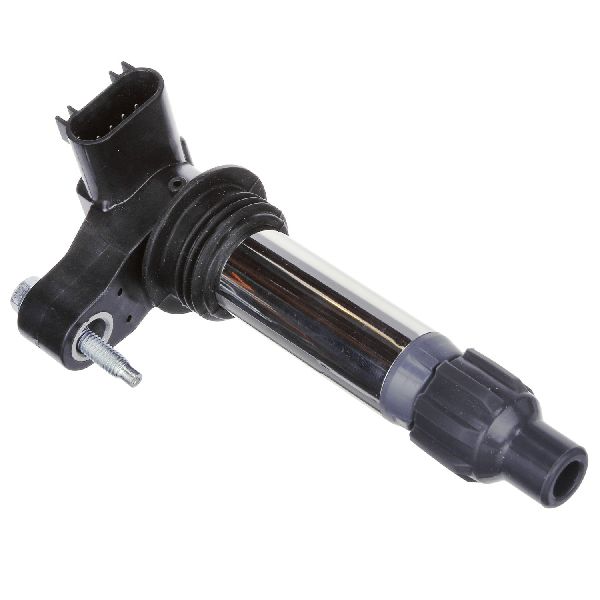
Est. part cost: $10-$25 - Failed Ignition Coil 🔴 High Probability Ignition coils are a common failure point on most modern vehicles as they age due to heat cycles and vibration.
How to confirm: Swap the ignition coil from cylinder 4 with another cylinder (e.g., cylinder 1). Clear the codes and drive the vehicle. If the code changes to P0301, the ignition coil is faulty. This is a definitive diagnostic step.
Typical fix: Replace the failed ignition coil. It is often recommended to replace the corresponding spark plug at the same time.
Est. part cost: $40-$75 - Excessive Oil Consumption (2.4L Engine) 🔴 High Probability The 2.4L Ecotec engine has a known design issue with low-tension piston rings that allows oil to enter the combustion chamber. This was the subject of GM Special Coverage #14882 and TSB 13-06-01-003D.
How to confirm: Monitor oil levels frequently. Consumption greater than 1 quart per 2,000 miles is considered excessive by GM. A visual inspection of the spark plug from cylinder 4 will likely show heavy, black, oily deposits. A compression or leak-down test can confirm poor ring sealing.
Typical fix: The correct, long-term repair involves replacing the pistons and rings with updated parts. A less effective, short-term fix is frequent spark plug replacement. Some owners attempt to free stuck rings with piston soak products. Addressing a clogged PCV orifice is also critical.
Est. part cost: $1,500-$4,000+ for piston/ring replacement - Clogged or Faulty Fuel Injector 🟡 Medium Probability These engines use direct injection, and injectors can become clogged with carbon over time, affecting the fuel spray pattern and volume.
How to confirm: After ruling out spark plugs and coils, the fuel injector is a likely cause. An advanced scan tool can perform a cylinder balance test. Swapping injectors between cylinders is also a valid diagnostic step, but it is significantly more labor-intensive than swapping coils as it involves depressurizing the high-pressure fuel system.
Typical fix: Replace the faulty fuel injector and its seal. It is often recommended to replace all injectors on that bank at the same time.
Est. part cost: $50-$150
Rare But Worth Checking
- Low Engine Compression: This indicates a serious internal engine problem. A compression test is needed to confirm. On the 2.4L, this is often due to the oil consumption issue wearing out the piston rings. On the V6 engines, it could be a burnt valve due to carbon buildup.
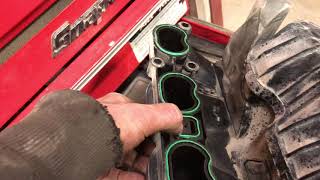
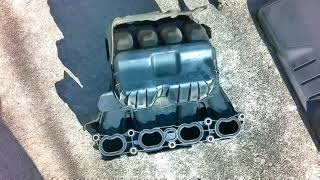
- Clogged PCV Orifice (2.4L Engine): A clogged Positive Crankcase Ventilation (PCV) orifice in the intake manifold is a very common issue on the 2.4L engine. It increases crankcase pressure, which can force oil past the piston rings (worsening oil consumption) and blow out seals like the rear main seal. GM issued Special Coverage 14882 for this. Cleaning the orifice is a common DIY repair.
- Stretched Timing Chain (V6 Engines): While more likely to cause a random misfire code (P0300), a stretched timing chain on the 3.0L and 3.6L V6 engines can sometimes manifest as a single cylinder misfire before worsening. A rattling noise on startup is a key symptom. Checking cam/crank correlation with a scan tool can help diagnose this.
- Intake Manifold Vacuum Leak: A leak in the intake manifold gasket near cylinder 4 can lean out the air/fuel mixture and cause a misfire. A smoke test is the most effective way to find a vacuum leak.
Diagnosis Steps
- Read the trouble codes with an OBD-II scanner and note any other codes present. A flashing check engine light indicates a severe misfire.
- On a 2.4L engine, check the engine oil level immediately. Very low oil is a strong indicator of the oil consumption issue.
- Swap the ignition coil from cylinder 4 to a different cylinder (e.g., cylinder 2). Clear the codes and see if the misfire code moves to P0302. If it does, the coil is bad.
- If the misfire remains on cylinder 4, move the spark plug from cylinder 4 to another cylinder. If the code follows the plug, the spark plug is the issue.
- Inspect the old spark plug from cylinder 4. If it's black and oily (especially on a 2.4L engine), suspect excessive oil consumption is the root cause.
- If spark components are good, check the fuel injector. Listen for a clicking sound with a mechanic's stethoscope or use a 'noid light' to verify it's receiving an electrical signal. Swapping injectors is possible but difficult.
- Perform an engine compression test to check for mechanical issues like bad rings or valves. A reading of 160 PSI is considered good for a 3.0L V6. A significant drop in one cylinder indicates a problem.
- On a 2.4L, inspect and clean the PCV orifice located in the intake manifold between cylinders #2 and #3. There are many online tutorials for this procedure.
- Perform a vacuum leak test using a smoke machine to check for leaks in the intake manifold gaskets.
Parts You'll Likely Need
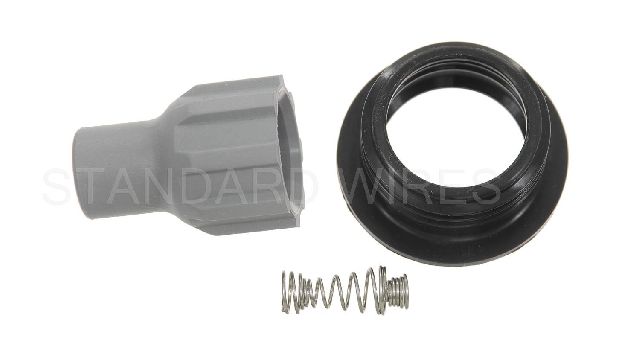
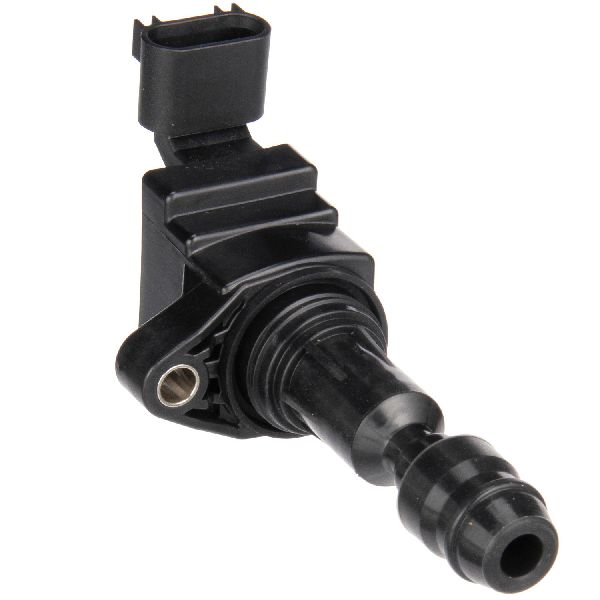
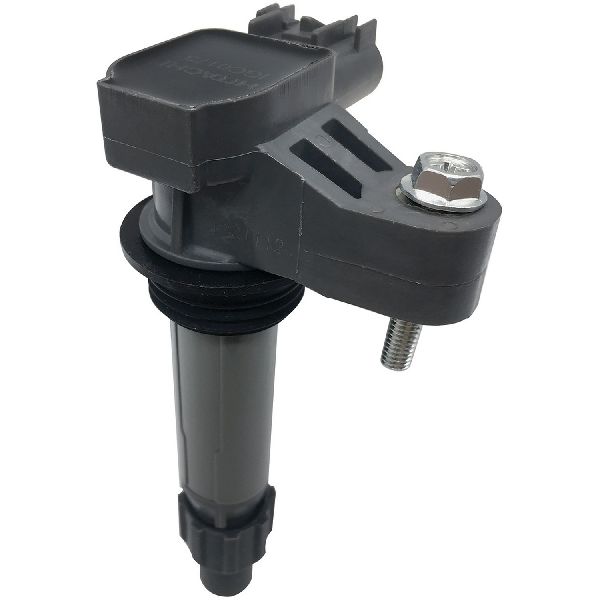
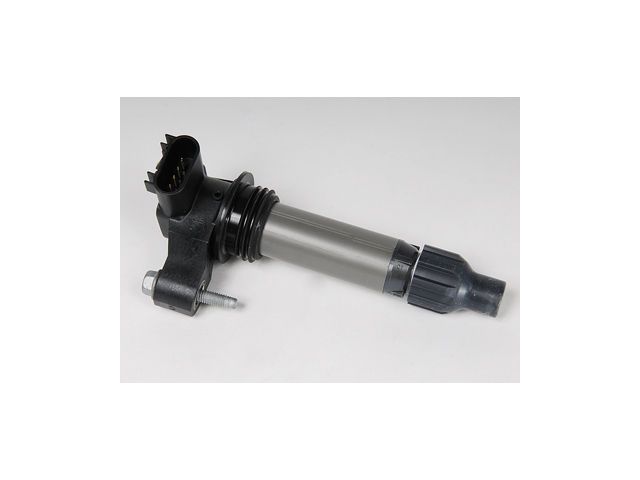
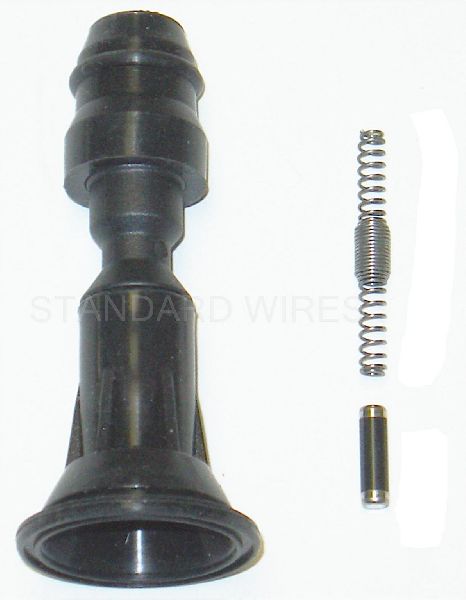
- Ignition Coil
(OEM #12635672 (Superseded by 12674754))— A very common failure item causing a single-cylinder misfire. It's easy to diagnose by swapping with another cylinder.
Trusted brands: ACDelco, Delphi, NGK
OEM price range: $60-$90
Aftermarket price range: $40-$75 - Spark Plug
(OEM #12622561 (ACDelco 41-108 for 2.4L), 41-125 for some V6)— Spark plugs are a standard maintenance item and are the most common cause of misfires, especially when fouled by oil on the 2.4L engine. Iridium plugs are recommended for longevity.
Trusted brands: ACDelco, NGK, Denso
OEM price range: $15-$25
Aftermarket price range: $10-$20
Related Codes That Often Appear With This One
- P0300 — If the misfire is intermittent or affects other cylinders, a P0300 (Random/Multiple Misfire) may be stored alongside P0304. This is common with issues like a vacuum leak, clogged PCV, or stretched timing chain.
- P0420 — A chronic misfire on cylinder 4 can send unburned fuel to the catalytic converter, causing it to overheat and fail, which triggers the P0420 (Catalyst System Efficiency Below Threshold) code.
- Stabilitrak/Service AWD Light — A significant engine misfire can cause the ECM to disable the traction control (Stabilitrak) and all-wheel-drive systems as a safety precaution, leading to warning lights on the dash.
Technical Service Bulletins (TSBs) & Recalls
- 13-06-01-003D: Details the diagnosis and repair for excessive oil consumption on the 2.4L engine, culminating in piston and ring replacement if consumption is verified to be over 1 quart in 2,000 miles.
- 14882: Special Coverage for a plugged PCV orifice in the intake manifold on 2.4L engines, which can cause high crankcase pressure and lead to a rear main seal leak. This directly contributes to the oil consumption problem.
- PIP5029B: Discusses engine misfires (P0300-P0306) caused by major carbon deposits on the intake and/or exhaust valves on direct-injected engines, including the 2.4L, 3.0L, and 3.6L used in the Equinox.
- PIP3333C: A general TSB that mentions the potential for P0304 and other misfire codes, instructing technicians to follow standard diagnostics.
Platform-Specific Known Issues
- The 2.4L Ecotec engine is known for high oil consumption due to faulty piston ring design, which directly leads to spark plug fouling and misfire codes. GM issued special coverage programs for this issue (e.g., #14882), but they may now be expired.
- A clogged PCV orifice in the intake manifold can cause excessive crankcase pressure, leading to blown seals (like the rear main seal) and increased oil consumption, contributing to misfires. This is a very common problem on the 2.4L engine.
- On the 3.0L and 3.6L V6 engines, carbon buildup on the intake valves is a common issue for direct injection engines and can cause misfires. A stretched timing chain is also a known, albeit expensive, failure point that can lead to misfire codes.
Mechanic-Grade Diagnostic Values
- Low-Side Fuel Pressure (2.4L Engine, 2011) — expected: 300-400 kPa (43-58 psi) at idle.. Failure: Pressure below 345 kPa (50 psi) with pump commanded on may indicate a weak in-tank pump or clogged filter.
- Low-Side Fuel Pressure (2.4L Engine, 2010) — expected: 276-324 kPa (40-47 psi) at idle.. Failure: Pressure below 276 kPa (40 psi) with pump commanded on suggests a fuel delivery issue.
- High-Side Fuel Pressure (Direct Injection - All Engines) — expected: Varies significantly with engine load, from ~2 MPa (290 psi) at idle to over 15 MPa (2175 psi) under acceleration.. Failure: A scan tool showing pressure that doesn't respond to engine load, or is wildly erratic, points to a failing high-pressure fuel pump (HPFP) or sensor.
- Engine Compression (3.0L V6) — expected: Approximately 160 PSI per cylinder.. Failure: A cylinder reading significantly lower than others indicates a mechanical issue like a bad valve or worn piston rings.
- Mode 6 Misfire Counts — expected: Zero or very low counts on all cylinders.. Failure: A high number of misfire counts logged for cylinder 4, even without a Check Engine Light, confirms an intermittent misfire. This data is accessible with advanced scan tools or apps like Torque Pro.
Scan Tool Commands That Help
- GDS2 (GM Dealer Software): Cylinder Power Balance Test — This test electronically disables one cylinder at a time and measures the RPM drop. If disabling cylinder 4 causes little or no RPM drop compared to other cylinders, it confirms that cylinder 4 is not contributing power, helping to isolate the fault.
- GDS2 / Advanced Scan Tool: Crankshaft Position Variation Learn — This procedure should be performed after any major engine work, such as timing chain replacement, or if the crankshaft position sensor is replaced. It recalibrates the sensor to the specific variations of the crankshaft reluctor wheel, ensuring accurate misfire detection. Failure to do so can sometimes lead to false misfire codes.
- GDS2 / Advanced Scan Tool: Fuel Trim Reset — After replacing a fuel system component like an injector or fuel pump, or fixing a vacuum leak, resetting the long-term fuel trims forces the ECM to relearn the fuel delivery strategy immediately, which can help resolve the misfire faster.
Wiring & Ground Locations
- G102 — Located at the left rear of the engine.. This ground is specifically for the ignition coils. A loose or corroded connection here can cause weak spark and lead to single or multiple cylinder misfires.
- G105 / G106 — G105 is at the left front of the engine compartment; G106 is on the front center of the frame cross rail under the crank pulley. G101 (ECM ground) jumpers to G106.. These grounds are critical for the Engine Control Module (ECM) and various sensors. A poor connection at G106 can cause erratic ECM behavior, potentially leading to false misfire detection or incorrect fuel and spark commands.
Real Owner Repair Stories
- Chevy Equinox Forum (2010 Equinox 3.0L V6) — P0304 and occasionally P0300, intermittent rough idle but not under load.
❌ Tried (didn't work) Complete timing chain replacement (sprockets, phasers, tensioners), New camshaft sensors and solenoids, New ignition coils and spark plugs, New crankshaft position sensor, MAP sensor, throttle body, Valve job with new valve stem seals, Replaced all fuel injectors on Bank 2, Replaced the ECM ($1,200 at dealer), Injector #4 tested good on a bench
✅ What actually fixed it The user did not post a final resolution after trying an exhaustive list of parts, highlighting how difficult this code can be to diagnose on the V6 even after addressing all common causes. The dealer was unable to fix it.
OEM Part Supersession History
12633115, 12639694, 12608371→12641847 (ACDelco EP1028)— Internal design improvements for the high-pressure fuel pump (HPFP) for the 2.4L engine.Unknown (original factory-installed rings)→Updated piston ring sets (e.g., Sealed Power 91SF61D, Enginetech S88134-STD)— The original low-tension piston rings on 2.4L engines were prone to sticking and allowing oil blow-by. Updated ring sets have a revised design to improve oil control.
Model Year Variations Within This Range
- 2010-2012: These years used the 3.0L LF1 V6 as the optional engine.
- 2013-2017: The optional V6 was upgraded to the more powerful 3.6L LFX engine. This engine has a different high-pressure fuel pump and timing chain setup than the 3.0L.
- 2010-2013: Early 2.4L engines were most affected by the oil consumption issue due to piston ring design. While the issue can persist in later years, GM made some updates to the piston rings around 2013 to mitigate the problem.
Helpful Videos




Used OEM Parts in Stock


New Aftermarket Parts Available

The information in this article is provided for general reference and educational purposes only. Vehicle specifications, procedures, and part compatibility can vary by production date, trim level, and region. Always consult your vehicle's factory service manual and verify part numbers before purchasing or performing repairs. Safety-critical components such as airbags, seat belts, and braking systems should be installed by a qualified professional.
- Chevrolet EQUINOX:
- 🎬 Helpful Videos
- 🛍️ Shop This Part
- What's Unique About the 2010-2017 Chevrolet EQUINOX
- Diagnostic Flowchart
- Symptoms You May Notice
- Most Likely Causes
- Rare But Worth Checking
- Diagnosis Steps
- Parts You'll Likely Need
- Related Codes That Often Appear With This One
- Technical Service Bulletins (TSBs) & Recalls
- Platform-Specific Known Issues
- Mechanic-Grade Diagnostic Values
- Scan Tool Commands That Help
- Wiring & Ground Locations
- Real Owner Repair Stories
- OEM Part Supersession History
- Model Year Variations Within This Range
- 🎟️ Get 5% Off