

P0304 on 2011-2015 Chevrolet Cruze: Cylinder 4 Misfire Causes and Fixes
P0304 on a 2011-2015 Chevy Cruze most often means a failed ignition coil pack or a worn spark plug on cylinder 4. On the 1.4L Turbo engine, a faulty PCV system in the valve cover or intake manifold is also a very common underlying cause that can lead to misfires. Replacing the single coil pack and all four spark plugs is a typical DIY fix costing between $70 and $200 and can be done in under 30 minutes.
- P0304 on a 2011-2015 Cruze is a misfire on cylinder 4, most often caused by a bad ignition coil pack or spark plug.
- Always replace spark plugs when replacing the ignition coil pack to ensure longevity of the new part.
- On the 1.4L Turbo engine, a faulty PCV system (usually the valve cover) is a very common root cause of misfires and should be inspected.
- A flashing Check Engine Light indicates a severe misfire; stop driving immediately to prevent expensive catalytic converter damage.
- This is a common DIY repair that can be completed with basic tools in under an hour.
What's Unique About the 2011-2015 Chevrolet CRUZE

The first-generation Cruze, particularly with the 1.4L Turbo engine, is well-known for ignition and PCV system issues that directly lead to misfire codes like P0304. Unlike cars with individual ignition coils, the Cruze uses a single integrated coil pack (or cassette) that powers all four cylinders; when one section fails, the entire unit must be replaced. Furthermore, a very common failure is the PCV system, which has two critical failure points: a diaphragm in the valve cover that ruptures, and a check valve in the intake manifold that can become dislodged. Either failure creates a significant vacuum leak, leading to lean conditions (P0171), rough idling, and misfires.
Diagnostic Flowchart

Tap your situation to follow the diagnostic path that matches what you're seeing on this vehicle.
Symptoms You May Notice
- Rough or shaking idle
- Hesitation or stumbling during acceleration.
- Noticeable loss of engine power.
- Flashing or solid Check Engine Light.
- Smell of unburned gasoline from the exhaust.
- Reduced fuel economy.
- Audible hissing or whistling sound from the engine bay (if PCV related).
- "Service StabiliTrak" or "Service Traction Control" message on the dash.
- Replacing only the spark plug without inspecting the ignition coil or PCV system.
- Replacing a fuel injector before thoroughly checking for more common ignition or vacuum leak issues.
- Replacing the valve cover for a PCV issue without checking the intake manifold's internal check valve, leading to a repeat failure of the new valve cover.
Most Likely Causes

- Failed Ignition Coil Pack 🔴 High Probability The single coil pack design is a very common failure item on the Cruze, susceptible to heat and vibration. Oil leaks from the valve cover gasket can also contaminate the coil boots and cause failure. In some cases, a leaking thermostat housing can drip coolant into the wiring harness, shorting out the coil driver for a specific cylinder.
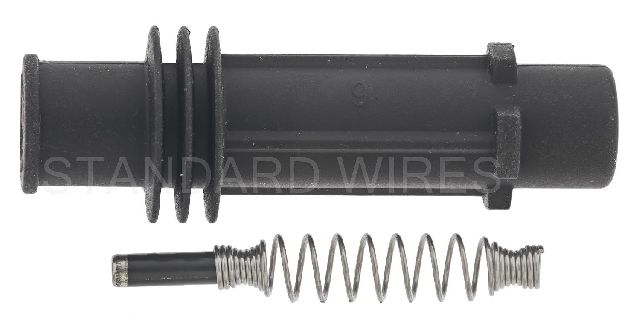
How to confirm: Inspect the coil pack boot for cylinder 4 for damage, corrosion, oil contamination, or signs of electrical arcing (white residue or burn marks). Since it's a single unit, you cannot swap it to another cylinder. The most definitive test is to replace the unit, as it's a primary wear item and a known failure point.
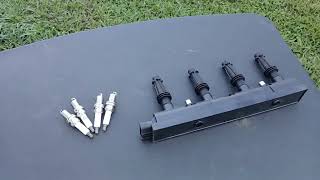
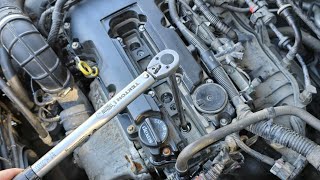
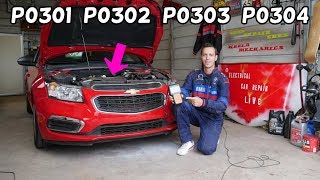
Typical fix: Replace the entire ignition coil pack assembly. 🎬 Watch: Step-by-step guide to replacing your coil pack and plugs. It is highly recommended to replace all four spark plugs at the same time to prevent the old plugs from overworking the new coil.
Est. part cost: $80-$180 - Worn or Fouled Spark Plug 🔴 High Probability Spark plugs are a regular maintenance item. Oil leaks from a bad valve cover gasket can foul the plugs, and worn plugs can overwork and damage the ignition coil. The recommended gap for the OEM Iridium plugs is approximately 0.028 inches (0.7mm).
How to confirm: Remove the spark plug from cylinder 4. Inspect it for wear (worn electrode), carbon buildup, oil fouling, or damage to the ceramic insulator. You can swap the plug with another cylinder (e.g., cylinder 3) and see if the code changes to P0303. If it does, the plug is the culprit.
Typical fix: Replace all four spark plugs. Use the correct Iridium plugs specified for the engine. It is not recommended to gap modern iridium plugs as this can damage the fine tip.
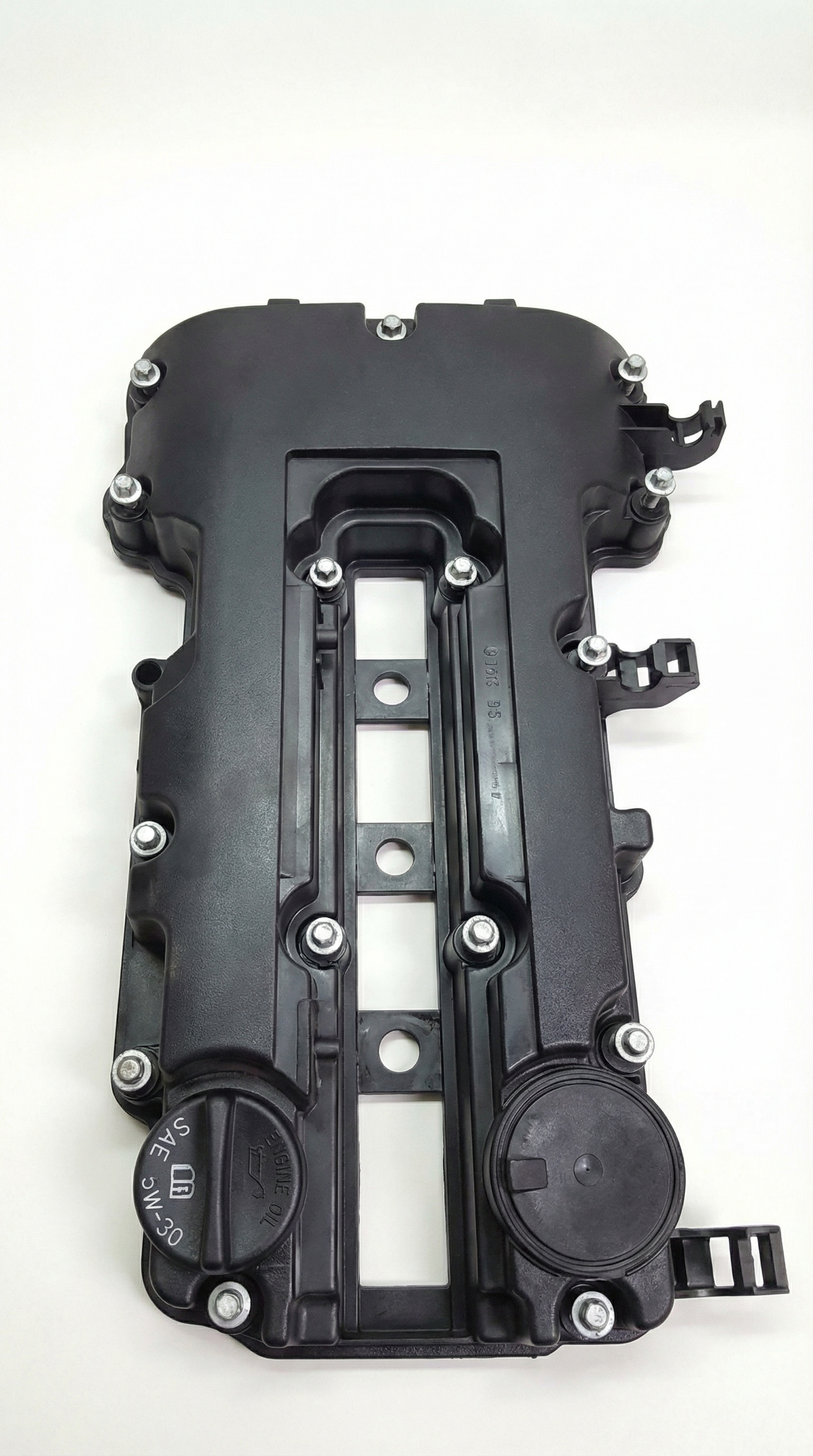
Est. part cost: $30-$60 - Faulty PCV System (Valve Cover / Intake Manifold) 🟡 Medium Probability On the 1.4L Turbo, the PCV system has two distinct, high-failure parts. The first is a rubber regulator diaphragm in the valve cover which frequently tears, creating a significant vacuum leak. The second is a small check valve inside the intake manifold which can degrade or become dislodged, allowing boost pressure into the crankcase, which can in turn rupture the valve cover diaphragm.
How to confirm: With the engine running, listen for a distinct hissing or whistling sound from the engine bay. A common test is to place your finger over the small hole on top of the PCV regulator on the valve cover; if the hissing stops and the idle changes, the diaphragm is torn. Another symptom is a strong vacuum that makes the oil dipstick or oil cap difficult to remove while the engine is running.
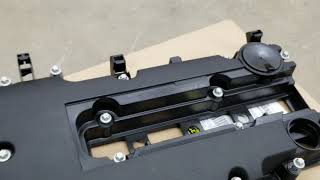
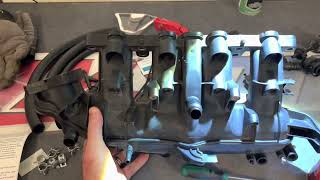
Typical fix: If the valve cover diaphragm is torn, replace the entire valve cover assembly. 🎬 See how to diagnose and replace a leaking valve cover. If the intake manifold check valve is the issue, the manifold must be replaced or modified with an aftermarket external check valve kit, which is a popular permanent fix in the Cruze community. 🎬 Watch: How to install the permanent PCV bypass fix kit.
Est. part cost: $50-$150 for valve cover, $150-$250 for intake manifold - Leaking or Clogged Fuel Injector ⚪ Low Probability
How to confirm: After ruling out ignition and PCV issues, a mechanic can perform a fuel injector balance test. A DIY method is to swap the fuel injector from cylinder 4 with another cylinder (e.g., cylinder 3) to see if the misfire code follows to P0303.
Typical fix: Replace the faulty fuel injector.
Est. part cost: $40-$100
Rare But Worth Checking
- Low Engine Compression: If ignition and fuel systems are confirmed to be working, a mechanical issue like a burnt valve, worn/broken piston rings, or a leaking head gasket could be the cause. This is confirmed with a compression test and leak-down test. GM has noted that broken piston ring lands can cause misfires on these engines.
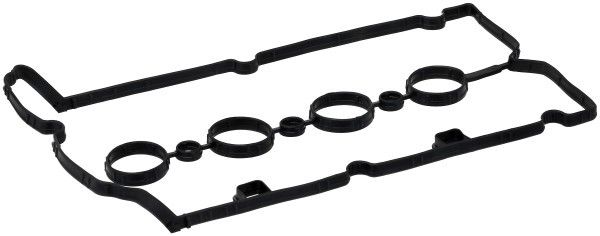
- Leaking Valve Cover Gasket: A common issue where oil leaks into the spark plug tubes, fouling the spark plug and damaging the ignition coil boot. If you find oil on the spark plug or in the tube when you remove it, the valve cover gasket set needs to be replaced.
- Corroded ECM Connector: A leaking rear coolant temperature sensor can allow coolant to wick down the wiring harness into one of the main Engine Control Module (ECM) connectors. This corrosion can short the driver for the #4 ignition coil, causing it to melt or fail repeatedly.
Diagnosis Steps
- Read the code with an OBD-II scanner to confirm P0304 and check for any other codes like P0171 or P0300, which strongly suggest a PCV issue on the 1.4L engine.
- Visually inspect the ignition coil pack, looking for cracks, corrosion, or oil contamination, especially around the boot for cylinder 4 (driver's side).
- Remove the spark plug from cylinder 4. Check its condition for wear, fouling, or damage. For a definitive test, swap it with the plug from cylinder 3.
- Clear the codes and drive the vehicle. If the code returns as P0303, the spark plug is bad. If it remains P0304, the plug is likely not the issue.
- If the plug swap doesn't move the misfire, the ignition coil pack is the most likely culprit. Replace the coil pack and all four spark plugs as a set.
- If a new coil and plugs do not fix the issue, test the PCV system (1.4L Turbo). With the engine running, check for a hissing sound and strong vacuum at the valve cover regulator port and oil dipstick tube.
- If the PCV diaphragm in the valve cover is bad, replace the valve cover. Also, inspect the intake manifold for its internal check valve; if it's missing, the manifold needs replacement or an aftermarket bypass kit.
- If ignition and PCV systems are good, investigate the fuel injector for cylinder 4. Consider swapping it with another cylinder to see if the misfire moves.
- If all else fails, perform an engine compression test on all cylinders to check for mechanical engine problems like worn piston rings or valve issues.
Parts You'll Likely Need
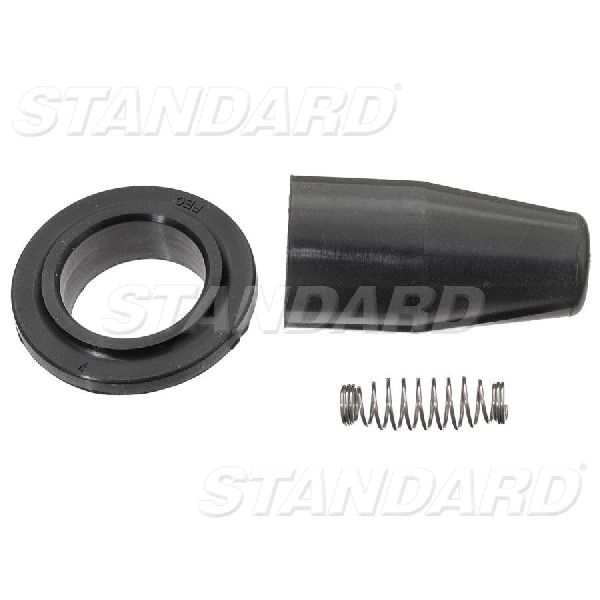
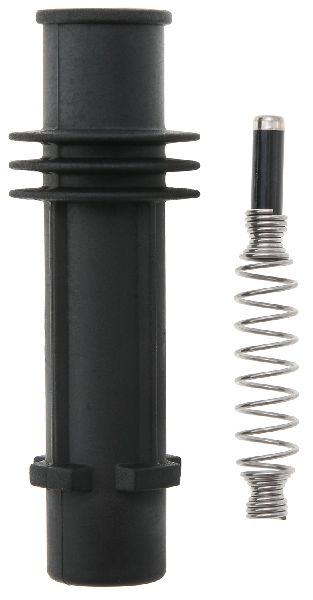
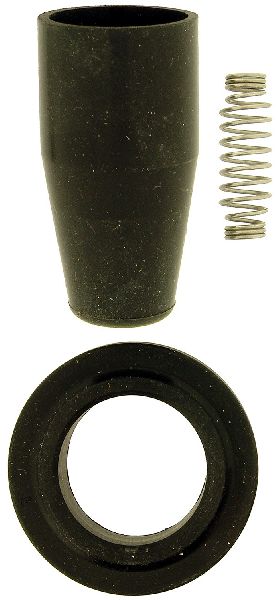
- Ignition Coil Pack
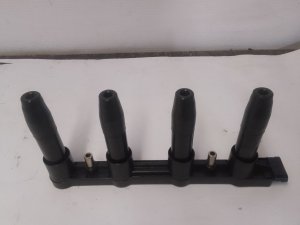
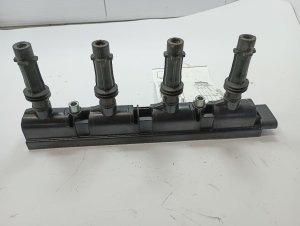
(OEM #55579072 (ACDelco D521C))— This is the most common part to fail and cause a P0304 code on the Cruze. The integrated design means the entire unit must be replaced.
Trusted brands: ACDelco, Delphi, NGK, Bosch
OEM price range: $110-$180
Aftermarket price range: $70-$130 - Iridium Spark Plugs
(OEM #41-121 (ACDelco for 1.4L Turbo), 41-108 (ACDelco for 1.8L))— Worn or fouled spark plugs are a primary cause of misfires and should always be replaced with the ignition coil.
Trusted brands: ACDelco, NGK, Denso
OEM price range: $40-$60 (set of 4)
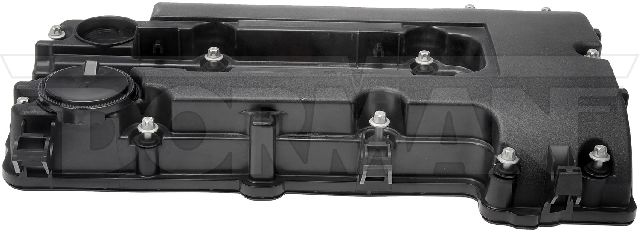
Aftermarket price range: $30-$50 (set of 4) - Valve Cover with PCV Diaphragm
(OEM #55573746, 25198874 (Superseded))— For the 1.4L Turbo engine, the integrated PCV diaphragm is a known high-failure part that causes vacuum leaks and misfires. The entire cover must be replaced.
Trusted brands: ACDelco, Dorman
OEM price range: $80-$150
Aftermarket price range: $50-$100
Related Codes That Often Appear With This One
- P0300 — If the underlying cause, like a major vacuum leak from the PCV system, affects multiple cylinders, a P0300 (Random/Multiple Cylinder Misfire) may be stored alongside P0304.
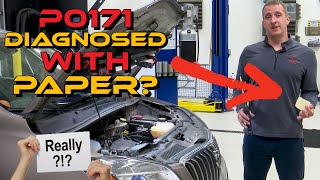
- P0171 — A 'System Too Lean' code is very frequently triggered by the same vacuum leaks (e.g., a failed PCV diaphragm) that cause misfires on the 1.4L engine.
- P1101 — This 'Intake Air Flow System Performance' code is often set with P0171 and P0300, as the unmetered air from a PCV leak causes a mismatch between expected and actual airflow readings.
- P0299 — An 'Engine Underboost' code can appear if the PCV system failure in the intake manifold affects turbocharger operation.
Technical Service Bulletins (TSBs) & Recalls
- PIP3333C: Addresses intermittent engine misfire and DTCs including P0304, directing technicians to follow specific service information diagnostics.
- PIP5197H: Discusses oil consumption, whistle noises, and DTCs like P0171 and P0300, which can be caused by PCV issues or internal engine damage like broken piston ring lands, a potential cause for P0304.
- SB-10070046-0335: A well-known document in the community explaining the PCV check valve failure inside the intake manifold, which leads to lean codes and misfires.
Platform-Specific Known Issues
- NHTSA TSB #PIP3333C mentions diagnostics for DTC P0304, indicating it's a known issue requiring specific service procedures.
- An owner complaint (NHTSA ODI #11031433) directly links P0304 on a 2014 Cruze to an engine misfire that was addressed by accessing the spark plugs.
- The PCV system on the 1.4L Turbo engine is a widely documented weak point. Failures in the valve cover diaphragm or the intake manifold check valve are extremely common and lead to various codes, including misfires.
- NHTSA TSB #PIP5197H addresses conditions including oil consumption and DTC P0300, which can be caused by broken piston ring lands, a potential root cause for a persistent P0304.
Helpful Videos

Used OEM Parts in Stock
New Aftermarket Parts Available

The information in this article is provided for general reference and educational purposes only. Vehicle specifications, procedures, and part compatibility can vary by production date, trim level, and region. Always consult your vehicle's factory service manual and verify part numbers before purchasing or performing repairs. Safety-critical components such as airbags, seat belts, and braking systems should be installed by a qualified professional.
- Chevrolet CRUZE:
- 🎬 Helpful Videos
- 🛍️ Shop This Part
- What's Unique About the 2011-2015 Chevrolet CRUZE
- Diagnostic Flowchart
- Symptoms You May Notice
- Most Likely Causes
- Rare But Worth Checking
- Diagnosis Steps
- Parts You'll Likely Need
- Related Codes That Often Appear With This One
- Technical Service Bulletins (TSBs) & Recalls
- Platform-Specific Known Issues
- 🎟️ Get 5% Off