

P0304 on 2010-2012 Chevrolet Colorado: Cylinder 4 Misfire Causes and Fixes
P0304 means cylinder 4 is misfiring. On the 2010-2012 Colorado, this is most often caused by a failed ignition coil or a worn spark plug. A DIY fix costs between $25 for a spark plug and $50-$80 for an ignition coil. However, on the I4 and I5 engines, this can also be an early sign of a worn valve seat, a known issue with this engine family.
- P0304 signifies a misfire on cylinder 4.
- The most likely cause on a 2010-2012 Colorado is a bad ignition coil or a worn-out spark plug.
- A simple 'swap test' (moving the coil from cylinder 4 to another cylinder) is the fastest way to diagnose a bad ignition coil.
- For the 5.3L V8 engine, check for loose spark plug wires as noted in a GM service bulletin. [⭐ MANUFACTURER TSB — highest authority]
- Do not ignore this code, as it can lead to catalytic converter damage.
What's Unique About the 2010-2012 Chevrolet COLORADO
The 2010-2012 Colorado was available with three different engines: a 2.9L inline-four (LLV), a 3.7L inline-five (LLR), and a 5.3L V8 (LMF). The I4 and I5 engines are part of GM's 'Atlas' family, which is known for a potential cylinder head issue where the valve seats can wear prematurely, leading to low compression and misfires. While GM issued a revised cylinder head design for 2007+ models, the problem is still reported. The V8 engine uses a more traditional ignition coil and wire setup, and TSB #PIP4819A specifically addresses misfires from loose spark plug wires on these models. [⭐ MANUFACTURER TSB — highest authority]
Diagnostic Flowchart
Tap your situation to follow the diagnostic path that matches what you're seeing on this vehicle.
Symptoms You May Notice
- Flashing or solid Check Engine Light
- Rough or erratic idle
- Engine hesitation or stumbling during acceleration
- Noticeable loss of engine power
- Reduced fuel economy
- Smell of raw fuel from the exhaust
- Engine shaking or vibrating more than usual
- Replacing the fuel pump when only a single cylinder is misfiring. A fuel pump issue would typically affect all cylinders and may set other codes like P0300 or fuel pressure codes.
- Repeatedly replacing coils and plugs without checking for mechanical issues. If new ignition parts don't solve the P0304, a compression or leak-down test is necessary to check for the known valve seat issue before further parts are replaced.
Most Likely Causes
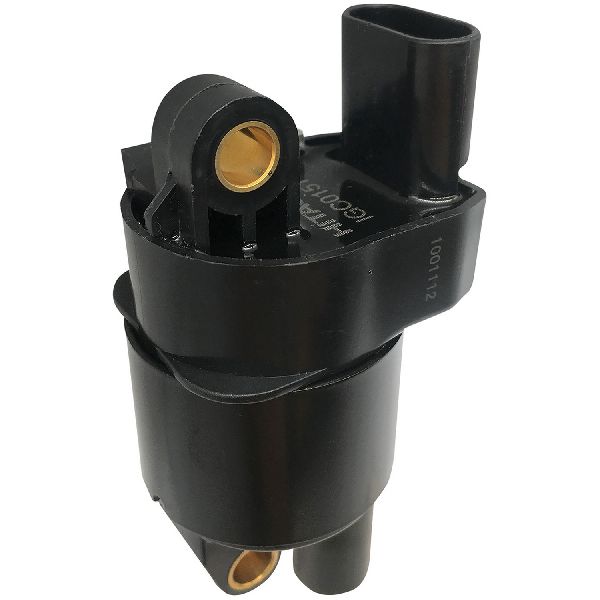
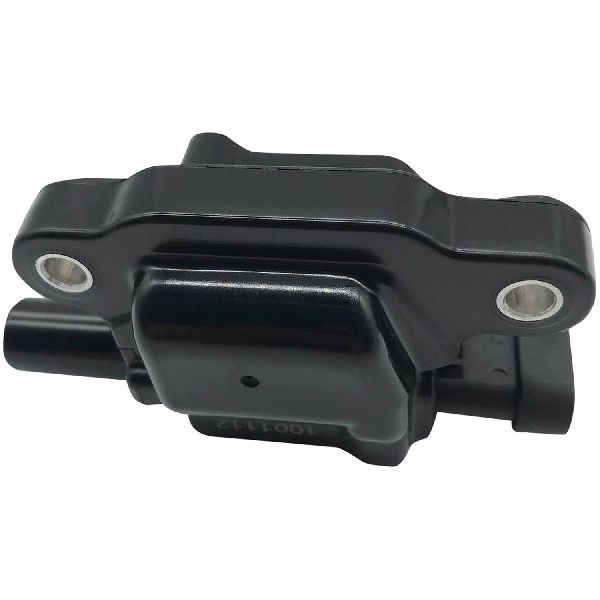
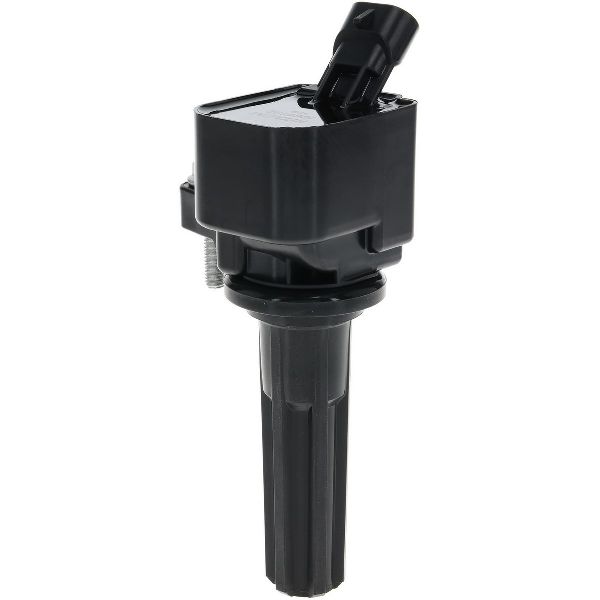
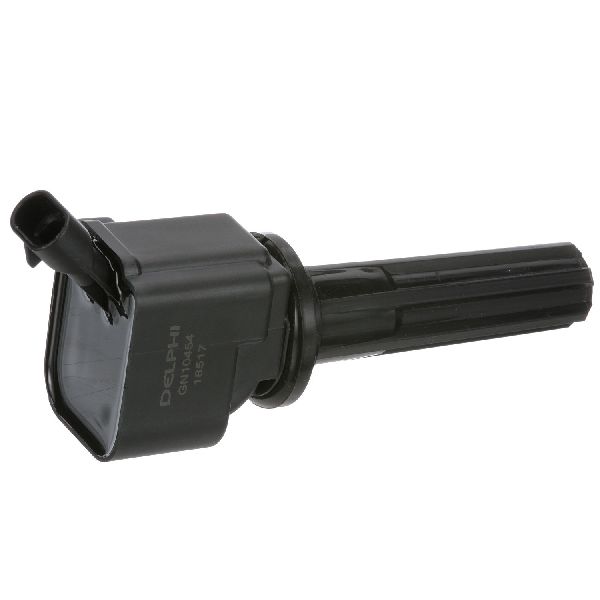
- Faulty Ignition Coil 🔴 High Probability Ignition coils are a common failure item on many vehicles as they age. Heat cycles and vibration can cause the internal windings to fail. This is a very frequent cause for a single-cylinder misfire on the I4 and I5 engines.
How to confirm: The easiest way to confirm a bad coil is to swap the ignition coil from cylinder 4 with another cylinder (e.g., cylinder 3). Clear the codes and drive the vehicle. If the code changes to P0303, the coil is faulty.
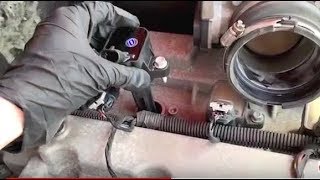
Typical fix: Replace the faulty ignition coil. It is held on by a single 10mm bolt.
Est. part cost: $50 - $100 - Worn or Fouled Spark Plug 🔴 High Probability Spark plugs are a regular maintenance item. If they are past their service life, the electrode can wear down, increasing the gap and causing a weak spark. The original plugs are Iridium and have a long, but finite, service life.
How to confirm: After confirming the coil is good, remove the spark plug from cylinder 4. Inspect it for wear, oil fouling, or carbon buildup. The factory gap is typically 0.043 inches. Compare it to a new plug. You can also swap the plug with another cylinder to see if the misfire follows it.
Typical fix: Replace the spark plug. It is recommended to replace all spark plugs at the same time to maintain consistent performance.
Est. part cost: $10 - $25 per plug - Loose Spark Plug Wire (5.3L V8 Only) 🟡 Medium Probability A manufacturer TSB (#PIP4819A) specifically identifies loose spark plug wires as a cause for misfires on these V8 models. [⭐ MANUFACTURER TSB — highest authority] The connection at the coil or plug can loosen over time due to vibration.
How to confirm: Visually inspect and physically check the connection of the spark plug wire at both the ignition coil and the spark plug for cylinder 4. Ensure it is fully seated with an audible 'click'.
Typical fix: Securely re-attach the loose spark plug wire. If the wire or boot is damaged, it should be replaced.
Est. part cost: $0 - $50 for a new wire set - Clogged or Faulty Fuel Injector ⚪ Low Probability
How to confirm: If the ignition system checks out, the fuel injector is the next likely cause. A 'noid light' can be used to check if the injector is receiving an electrical pulse. Swapping the injector with another cylinder is also possible but more labor-intensive.
Typical fix: Replace the faulty fuel injector for cylinder 4.
Est. part cost: $70 - $150
Rare But Worth Checking
- Low Engine Compression (Worn Valve Seats): This is a significant and well-documented issue on the 2.9L and 3.7L Atlas engines. Prematurely worn intake valve seats can prevent the valve from sealing properly, causing a loss of compression and a persistent misfire, especially at idle. TSB #PIP4013D addresses this idle misfire scenario. A cylinder leak-down test is the definitive diagnostic method. If this is the cause, the cylinder head needs to be replaced or rebuilt.
- Intake Manifold Gasket Leak: A vacuum leak near the intake runner for cylinder 4 can lean out the air/fuel mixture and cause a misfire. This can be diagnosed with a smoke machine or by carefully spraying brake cleaner around the intake port for cylinder 4 and listening for a change in engine RPM.
Diagnosis Steps
- Read the code with an OBD-II scanner to confirm P0304 is present. Note any other codes and check freeze frame data.
- Visually inspect the ignition components for cylinder 4. On V8 models, check the spark plug wire. On I4/I5 models, inspect the ignition coil and its wiring connector 🎬 Watch: How to fix common Chevy Colorado ground and electrical issues. for damage or corrosion.
- Swap the ignition coil from cylinder 4 with an adjacent cylinder (e.g., cylinder 3). Clear the codes, run the engine, and see if the misfire code moves to the new cylinder (P0303). If it does, the ignition coil is bad.
- If the misfire remains on cylinder 4, swap the spark plug from cylinder 4 with the one from the cylinder you just moved the coil to. If the code now follows the spark plug, the plug is bad.
- If the misfire still remains on cylinder 4, the issue is likely fuel or mechanical. Check the wiring to the fuel injector using a noid light to ensure it's receiving a signal.
- If the injector has power, consider it may be clogged or failed. You can perform a resistance check on the injector or swap it with another cylinder (more labor intensive).
- If ignition and fuel delivery seem correct, perform an engine compression test and a cylinder leak-down test. This is a critical step for the I4/I5 engines due to the known valve seat issue. Low compression or high leakage points to a mechanical problem requiring cylinder head service.
Parts You'll Likely Need
- Ignition Coil
(OEM #ACDelco 19421261 (replaces 12596547, 12612369, 12629472))— This is the most common cause of a single-cylinder misfire on the Colorado's I4 and I5 engines, which use a Coil-on-Plug design.
Trusted brands: ACDelco, Delphi, NGK
OEM price range: $80-$120
Aftermarket price range: $40-$80 - Spark Plug
(OEM #ACDelco 41-103 (Iridium))— As a standard maintenance item, a worn or fouled spark plug is a very frequent cause of misfires. The OEM part is an iridium plug with a pre-set gap.
Trusted brands: ACDelco, NGK, Denso
OEM price range: $15-$25
Aftermarket price range: $8-$15 - Spark Plug Wire Set (5.3L V8 Only)
(OEM #ACDelco 9748UU)— A GM Technical Service Bulletin points to loose or faulty spark plug wires as a known issue for causing misfires on V8 models. [⭐ MANUFACTURER TSB — highest authority, 17]
Trusted brands: ACDelco, MSD
OEM price range: $60-$90
Aftermarket price range: $40-$60
Related Codes That Often Appear With This One
- P0300 — If the misfire is intermittent or begins to affect other cylinders, a P0300 (Random/Multiple Cylinder Misfire) code may be stored alongside P0304. This can happen as a valve seat issue worsens.
- P0171 — A System Too Lean (Bank 1) code can accompany a misfire if it's caused by a vacuum leak or a failing fuel injector. One Hummer H3 owner with the 3.7L engine reported a P0171 along with P0300 as a symptom of low compression from valve failure.
Technical Service Bulletins (TSBs) & Recalls
- PIP4819A: Addresses engine misfires (P0300-P0308) and instructs technicians to inspect and replace loose spark plug wires on V8 models. [⭐ MANUFACTURER TSB — highest authority]
- PIP4013D: Discusses engine misfires at idle on the Atlas engines (I4/I5) and points towards mechanical causes like a damaged valve, valve seat, or piston ring, recommending a cylinder leakage test.
Platform-Specific Known Issues
- Atlas Engine (I4/I5) Valve Seat Wear: The 2.9L and 3.7L engines can suffer from premature intake valve seat wear, leading to low compression and a misfire code like P0304, often starting at idle. TSB PIP4013D discusses diagnosing these idle misfires. A compression and leak-down test is necessary for diagnosis. The fix requires cylinder head replacement or machine work.
- V8 Engine Loose Spark Plug Wires: For V8 models, Technical Service Bulletin #PIP4819A specifically calls out the need to inspect and replace loose spark plug wires to resolve P030x misfire codes. [⭐ MANUFACTURER TSB — highest authority]
Mechanic-Grade Diagnostic Values
- Fuel Pressure (Key On, Engine Off) — expected: 345-427 kPa (50-62 psi). Failure: Pressure below 50 psi may indicate a weak fuel pump or clogged filter.
- Fuel Pressure (Engine Idling) — expected: ~56-60 psi, may vibrate rapidly. Failure: Pressure that is low or drops significantly under load points to a fuel delivery issue.
- Ignition Coil Primary Resistance — expected: Approximately 0.4 - 2.0 ohms. Failure: A reading outside this range, or an open circuit (OL), indicates a faulty coil.
- Ignition Coil Secondary Resistance — expected: Approximately 6,000 - 10,000 ohms. Failure: A reading significantly outside this range suggests the coil's secondary winding has failed.
- Fuel Injector Balance Test (Pressure Drop) — expected: All injectors should have a similar pressure drop. The difference between any injector and the average should not exceed 20 kPa (3 psi).. Failure: An injector with a significantly smaller or larger pressure drop is likely faulty or clogged.
Hidden / Shadow Codes Worth Checking
- Mode 6 Misfire Counters: Professional scan tools can access Mode 6 data, which contains raw, non-DTC misfire counts for each cylinder. This allows a technician to see small or intermittent misfires that haven't yet reached the threshold to set a P0304 code. (see via A professional-grade OBD-II scanner with Mode 6 capability (e.g., Tech2, GDS2, high-end Autel/Launch scanners).)
- P0315: Crankshaft Position System Variation Not Learned. This code can be set after replacing an engine, crankshaft sensor, or ECM. If the crankshaft variation is not learned by the ECM, it can lead to inaccurate misfire detection and other running issues. It requires a specific scan tool procedure to resolve. (see via Standard OBD-II scanner.)
Scan Tool Commands That Help
- Tech2 / GDS2: Crankshaft Position Variation Learn — This procedure must be performed after replacing the crankshaft position sensor, engine, or ECM to prevent false misfire codes and ensure proper engine operation.
- Tech2 / GDS2 / Professional Scanner: Cylinder Power Balance Test — To identify a weak cylinder without swapping parts. The tool deactivates each cylinder one by one and measures the drop in RPM. A cylinder that causes little or no RPM drop when disabled is not contributing power.
- Tech2 / GM AFIT Tool: Fuel Injector Balance Test — To test for a clogged or faulty fuel injector. The tool pulses each injector and measures the resulting drop in fuel rail pressure. An uneven drop indicates a problem with that injector.
Wiring & Ground Locations
- G102 / G103 — Lower left (driver's) side of the engine block.. These are primary engine block grounds. G102 is specifically noted as a ground for the ignition coils. A poor connection here can cause weak spark and misfires.
- SP105 / SP106 — SP105 is on the driver's side fender near the battery. SP106 is on the passenger's side fender, behind the airbox.. These are notorious ground splice packs that are not weatherproof and prone to corrosion. They bundle grounds for many critical systems, including the ECM and ignition. A bad splice can cause intermittent and hard-to-diagnose electrical issues, including misfires.
- ECM (Engine Control Module) — Right rear of the engine compartment.. This is the location for checking harness connections to the computer that controls the ignition and fuel systems.
- Ignition Coil 4 Connector — On top of the valve cover, at the fourth cylinder position from the front on the I4 engine.. This is the direct electrical connection for the cylinder 4 ignition coil. The connector and its wiring should be inspected for damage, corrosion, or looseness.
Real Owner Repair Stories
- Reddit user in r/chevycolorado (2005 Colorado I5) — Crankshaft position sensor code (P0335) after swapping engine harness. Scan tool could not read RPM, but the dash tachometer worked.
❌ Tried (didn't work) Running the crankshaft relearn procedure with the scan tool.
✅ What actually fixed it The crankshaft position sensor connector was not fully seated and clicked into place. - YouTube channel 'Philos Garage' (1st Gen Chevrolet Colorado) — Multiple intermittent electrical issues including blower motor failure, faulty door locks, and fuel gauge problems, which are known to be caused by the same faulty grounds that can affect engine sensors.
❌ Tried (didn't work) Chasing individual component failures.
✅ What actually fixed it Disassembling the corroded factory ground splice packs (SP105 and SP106), soldering the wires together directly, and re-securing them to the chassis with a clean connection. - Reddit user in r/chevycolorado (2006 Chevy Colorado) — P0304 - Misfire on cylinder 4.
❌ Tried (didn't work) Replaced all spark plugs., Replaced all ignition coils.
✅ What actually fixed it The user was advised that the next steps were to swap the fuel injector with another cylinder to see if the misfire moved, or to perform a compression test to check for the known mechanical valve seat issue. The thread highlights the need for mechanical diagnosis when ignition parts don't solve the problem.
When the Usual Fixes Don't Work
- While faulty ignition coils and spark plugs are the most common causes, a significant number of P0304 cases on the 2.9L and 3.7L engines are not resolved by replacing these parts. The misfire, often most noticeable at idle, frequently returns, pointing to the underlying mechanical issue of low compression due to worn valve seats. Owners and technicians who stop diagnosis after replacing ignition components often find themselves in a frustrating loop of replacing the same parts. Similarly, hard-to-trace electrical issues caused by corroded ground splice packs can mimic a failing coil or injector, but will not be fixed by replacing those components.
OEM Part Supersession History
12629472, 12612369, 12596547→ACDelco 19421261 (also sold as D1935E)— Standard part evolution for improved durability and performance.
Model Year Variations Within This Range
- 2010-2012: The exact physical location of ground G103 may vary. Service manuals consistently place it on the lower left side of the engine block, while some owner reports for similar platforms place it on the passenger side fender wall. Technicians should verify the location for the specific engine being serviced.
Helpful Videos

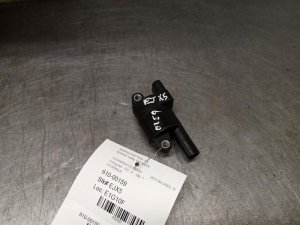
Used OEM Parts in Stock


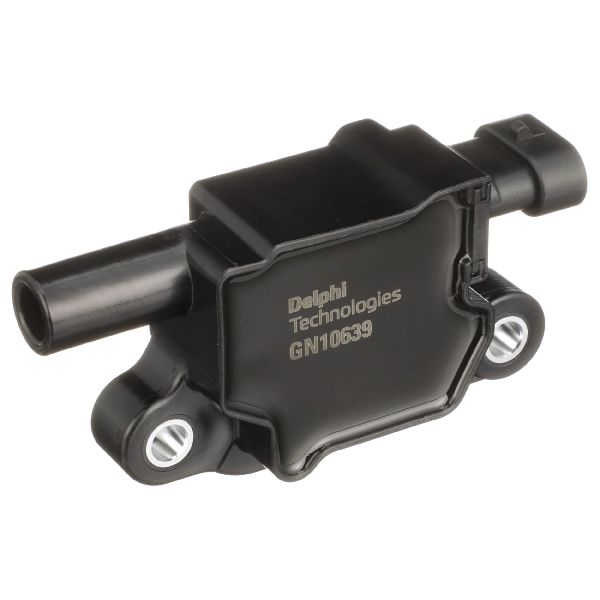
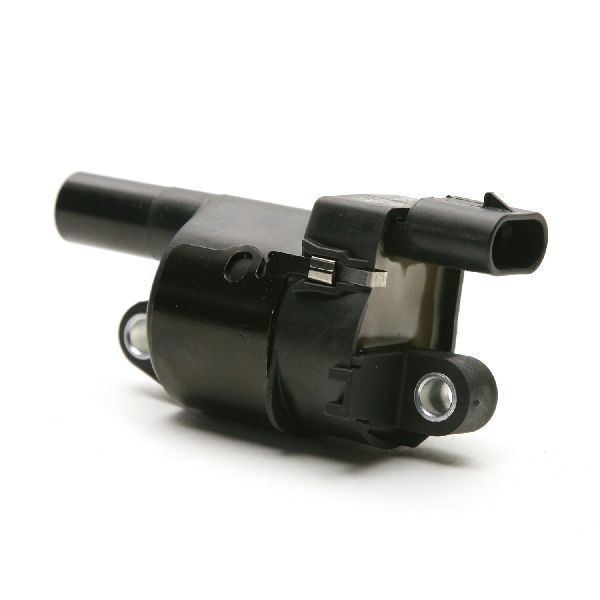
New Aftermarket Parts Available

The information in this article is provided for general reference and educational purposes only. Vehicle specifications, procedures, and part compatibility can vary by production date, trim level, and region. Always consult your vehicle's factory service manual and verify part numbers before purchasing or performing repairs. Safety-critical components such as airbags, seat belts, and braking systems should be installed by a qualified professional.
- Chevrolet COLORADO:
- 🎬 Helpful Videos
- 🛍️ Shop This Part
- What's Unique About the 2010-2012 Chevrolet COLORADO
- Diagnostic Flowchart
- Symptoms You May Notice
- Most Likely Causes
- Rare But Worth Checking
- Diagnosis Steps
- Parts You'll Likely Need
- Related Codes That Often Appear With This One
- Technical Service Bulletins (TSBs) & Recalls
- Platform-Specific Known Issues
- Mechanic-Grade Diagnostic Values
- Hidden / Shadow Codes Worth Checking
- Scan Tool Commands That Help
- Wiring & Ground Locations
- Real Owner Repair Stories
- When the Usual Fixes Don't Work
- OEM Part Supersession History
- Model Year Variations Within This Range
- 🎟️ Get 5% Off