

P0304 on 2006-2010 Chevrolet Cobalt: Cylinder 4 Misfire Causes and Fixes
P0304 on a Chevy Cobalt means cylinder 4 is misfiring. This is most often caused by a bad ignition coil or a worn-out spark plug. Swapping the coil from cylinder 4 with another cylinder is a quick, no-cost way to diagnose the problem. Cylinder 4 is the cylinder closest to the driver's side.
- P0304 means your Chevrolet Cobalt has a misfire in cylinder 4.
- The most likely cause is a bad ignition coil or spark plug, which are both relatively easy and inexpensive to fix.
- A simple diagnostic test is to swap the ignition coil from cylinder 4 with another cylinder to see if the misfire code follows the coil.
- Do not ignore a flashing check engine light, as it can lead to expensive catalytic converter damage.
- If ignition parts and spark plugs don't solve the issue, the problem could be a fuel injector or a more serious mechanical issue requiring a compression test.
What's Unique About the 2006-2010 Chevrolet COBALT

For the 2006-2010 Chevrolet Cobalt, which uses the Ecotec engine family, single-cylinder misfires like P0304 are a common and well-documented issue. The ignition system, which uses a coil-on-plug design, is a frequent culprit. While the causes are typical for many four-cylinder engines, the accessibility of the ignition components on the Cobalt makes diagnosis relatively straightforward for a DIY mechanic. A GM Technical Service Bulletin (TSB) also acknowledges intermittent misfires on this platform, including on cylinder 4, sometimes related to fuel contamination in the returnless fuel rail during turns. In some rare cases, wiring for the ignition or fuel injector circuits can chafe on brackets, causing intermittent shorts and misfires.
Diagnostic Flowchart

Tap your situation to follow the diagnostic path that matches what you're seeing on this vehicle.
Symptoms You May Notice
- Rough or shaky engine idle.
- Hesitation or stumbling during acceleration.
- Noticeable loss of engine power.
- Solid or flashing Check Engine Light.
- Reduced fuel economy.
- Engine stalling.
- A smell of unburned fuel from the exhaust.
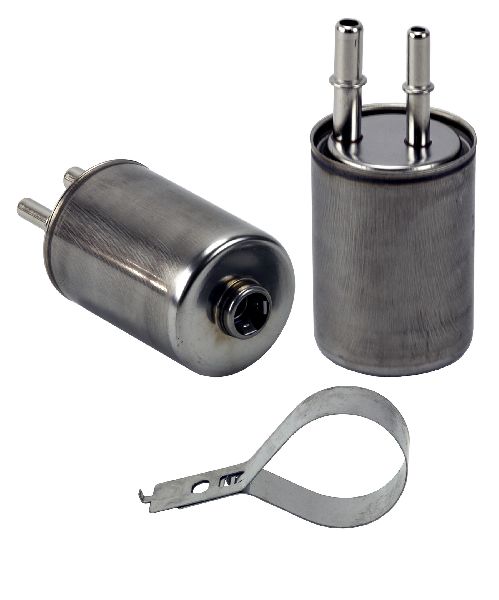
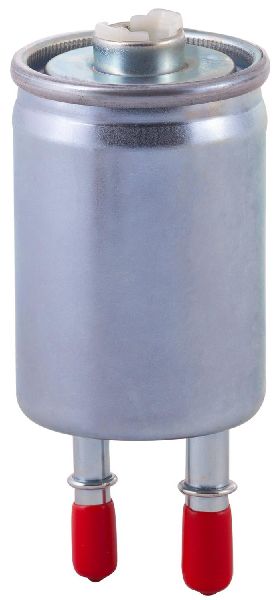
- Replacing the fuel filter. While a clogged fuel filter can cause lean conditions and misfires, it typically affects all cylinders (P0300) rather than just one.
- Replacing the Mass Airflow (MAF) sensor. A faulty MAF sensor would likely cause performance issues and codes across multiple cylinders, not just P0304.
Most Likely Causes

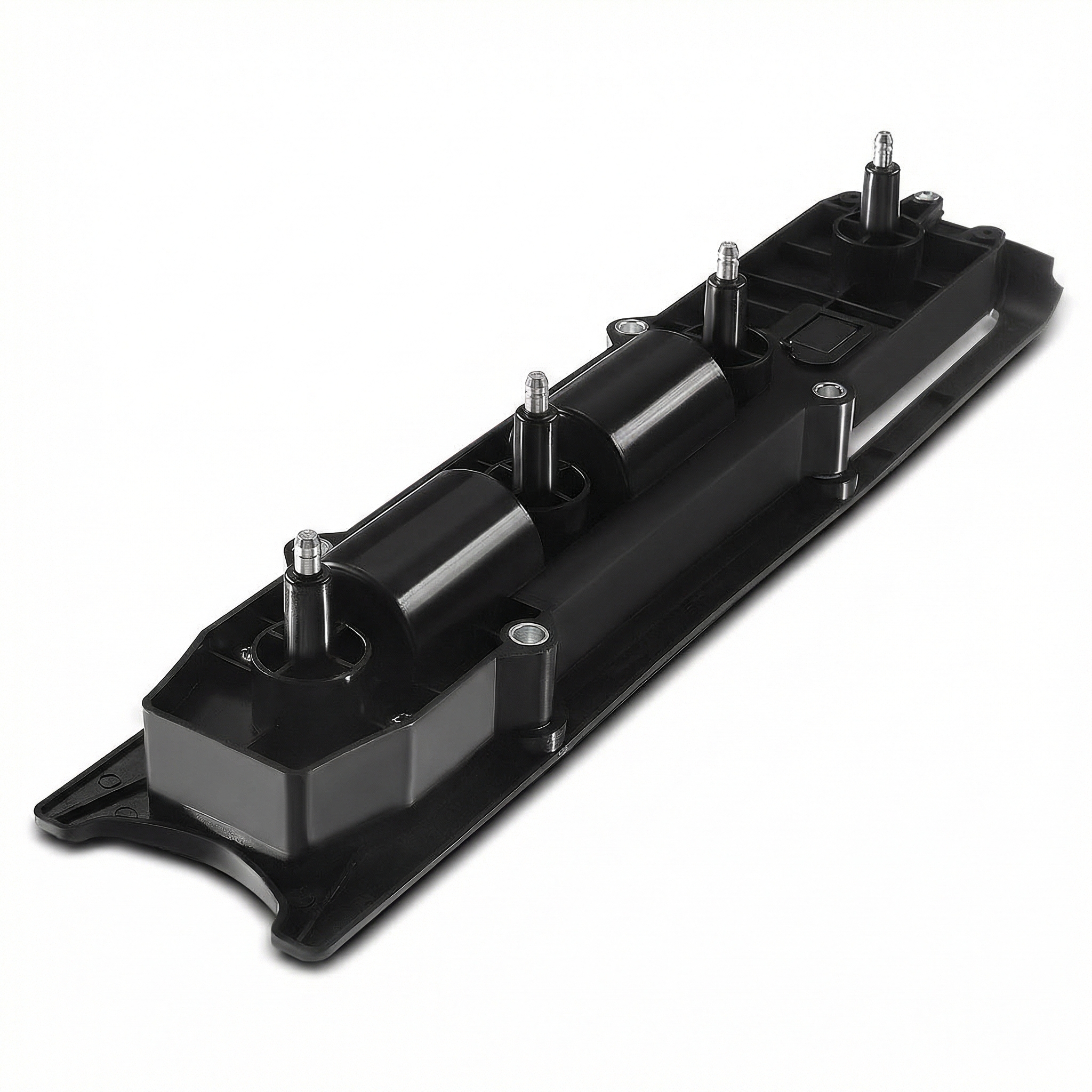
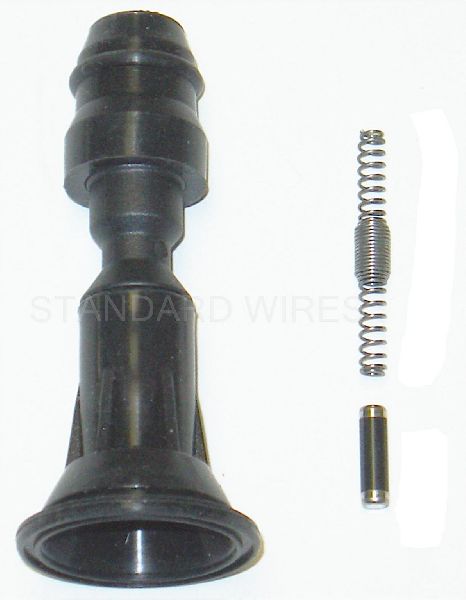
- Faulty Ignition Coil 🔴 High Probability The coil-on-plug ignition system is a common failure point on many vehicles as they age, including the Cobalt. Heat and vibration eventually cause the coil's internal windings to fail. This is the most common starting point for diagnosis.
How to confirm: Swap the ignition coil from cylinder 4 with another cylinder (e.g., cylinder 3). Clear the codes and drive the car. If the code changes to P0303, the ignition coil is faulty. This is a definitive, no-cost diagnostic step.
Typical fix: Replace the faulty ignition coil. It is often recommended to replace all four coils and spark plugs at the same time for preventative maintenance. Using quality OEM-equivalent brands like ACDelco or Delphi is highly recommended.
Est. part cost: $25-$75 per coil - Worn or Fouled Spark Plug 🔴 High Probability Spark plugs are a regular maintenance item. If they are past their service life, the electrode can wear down, increasing the gap and causing a weak or inconsistent spark. A plug can also become fouled by oil or carbon, preventing a good spark.
How to confirm: After ruling out the ignition coil, remove the spark plug from cylinder 4. Inspect it for wear, oil fouling, or damage. A burnt, wet, or damaged plug is a clear indicator. Compare it to the other plugs.
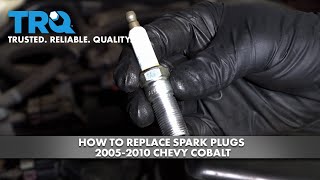
Typical fix: Replace the spark plug in cylinder 4. It is best practice to replace all four spark plugs at the same time with the correct type (e.g., Iridium for Ecotec engines) and ensure they are gapped correctly 🎬 See this walkthrough for replacing spark plugs on your Cobalt. (typically 0.040-0.043 inches).
Est. part cost: $5-$20 per plug - Clogged or Faulty Fuel Injector 🟡 Medium Probability Fuel injectors can become clogged with deposits over time, preventing the correct amount of fuel from being delivered to the cylinder. This can be more common on vehicles that have sat for long periods or used lower-quality fuel.
How to confirm: After ruling out ignition issues, you can swap the fuel injector from cylinder 4 with another cylinder, though this is more involved. A simpler first step is to listen to the injector with a mechanic's stethoscope or a long screwdriver; it should have a steady, audible 'ticking' sound similar to the other injectors. You can also test the injector's internal resistance with a multimeter; it should be between 11 and 14 Ohms.
Typical fix: Replace the faulty fuel injector. It's recommended to replace the injector seals at the same time. 🎬 Watch: How to access and replace fuel injectors. Using a quality OEM or remanufactured injector is advised.
Est. part cost: $40-$100 - Low Engine Compression ⚪ Low Probability While less common, high-mileage Ecotec engines can suffer from mechanical wear. A more specific issue for some GM four-cylinders is a burnt exhaust valve or a failing valve seat, which prevents the cylinder from sealing properly. This can cause a persistent misfire that doesn't resolve with ignition or fuel part swaps.
How to confirm: Perform a compression test on all cylinders. A significantly lower reading in cylinder 4 (more than 15-20% lower than the others) indicates a mechanical engine problem. A leak-down test can further pinpoint if the leak is from intake valves, exhaust valves, or piston rings.
Typical fix: This requires significant engine repair, such as a valve job or cylinder head replacement, and is best left to a professional.
Est. part cost: $500+
Rare But Worth Checking
- Ignition Control Module (ICM) Failure: On some earlier 2.2L Ecotec engines, the ICM (which the coil pack sits on) can fail, causing a no-spark condition to one or more cylinders. A user on a Chevrolet forum replaced this part for a P0304, though it did not solve their specific issue. This is less common on the 2006+ models with individual coil-on-plug setups.
- Wiring Harness Damage: The wiring or connector to the ignition coil or fuel injector for cylinder 4 could be damaged, loose, or corroded. A GM document mentions the injector harness can chafe on the A/C line bracket at the rear of the cylinder head, causing a short to ground and misfires.
- Fuel Contamination: TSB #PIP3333C describes a rare scenario where fuel contaminants can get trapped in the fuel rail. During a hard right turn, this debris can slosh over and temporarily clog the injector for cylinder 4, causing a brief misfire.
Diagnosis Steps
- Read the code with an OBD-II scanner to confirm P0304 is present.
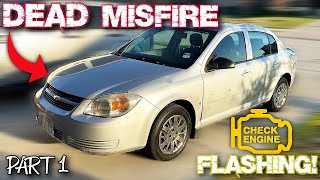
- Check for a flashing Check Engine Light. If it's flashing, avoid driving the vehicle to prevent catalytic converter damage. 🎬 Watch: A step-by-step diagnosis of a flashing check engine light.
- Identify cylinder 4. On the Cobalt's transverse 4-cylinder Ecotec engine, cylinders are numbered 1-2-3-4 from the passenger side (belt/pulley side) to the driver's side (transmission side). Cylinder 4 is closest to the driver.
- Swap the ignition coil from cylinder 4 with the coil from cylinder 3. Clear the codes and run the engine. Re-scan for codes. If the code is now P0303, the ignition coil is bad.
- If the code remains P0304, swap the spark plug from cylinder 4 with the plug from cylinder 3. Clear codes and run the engine. If the code is now P0303, the spark plug is bad.
- If the code remains P0304, inspect the wiring and connector for the cylinder 4 ignition coil and fuel injector for any visible damage, corrosion, or chafing against engine brackets.
- Listen to the fuel injector on cylinder 4 with a mechanic's stethoscope or a long screwdriver. You should hear a consistent clicking sound. Compare it to the other injectors.
- If ignition and wiring seem okay, consider a fuel system issue. Swapping injectors is a good test but more involved. Before that, you can test the resistance of the injector with a multimeter (should be ~12 Ohms).
- If all else fails, perform a compression test on all four cylinders. If cylinder 4 has significantly lower pressure (e.g., 140 PSI when others are 180+), there is a mechanical engine problem like a burnt valve or worn piston rings.
Parts You'll Likely Need

- Ignition Coil
(OEM #12638824 (ACDelco D522C))— This is the most frequent cause of a single-cylinder misfire on the Cobalt. It's a relatively inexpensive and easy part to replace.
Trusted brands: ACDelco, Delphi, NGK, Hitachi
OEM price range: $45-$75
Aftermarket price range: $25-$60 - Spark Plug
(OEM #41-103 (ACDelco Iridium))— As a standard wear item, a worn-out spark plug is a very common cause of misfires. They are inexpensive and should be replaced as a set.
Trusted brands: ACDelco, NGK, Bosch
OEM price range: $10-$15
Aftermarket price range: $5-$10 - Fuel Injector
(OEM #12582219 or 12582704 (Verify by VIN))— If the ignition components are good, a clogged or failed fuel injector is the next most likely culprit. Part numbers can vary by year and emissions package.
Trusted brands: ACDelco, Bosch, Delphi, Standard Motor Products
OEM price range: $70-$120
Aftermarket price range: $40-$80
Related Codes That Often Appear With This One
- P0300 — If the misfire is intermittent or begins to affect other cylinders, a P0300 (Random/Multiple Cylinder Misfire) may be stored alongside P0304.
- P0301, P0302, P0303 — If other cylinder-specific misfire codes are present, it may point to a more systemic problem like a vacuum leak, fuel delivery issue, or a failing ignition control module.
- P0106 — A Manifold Absolute Pressure (MAP) sensor code could appear alongside a misfire code if the engine is running very poorly, as the erratic vacuum levels can confuse the sensor. One user on CobaltSS.net reported a P0106 with their P0304.
Technical Service Bulletins (TSBs) & Recalls
- PIP3333C: Intermittent engine misfire on cylinder 1 (left turns) or cylinder 4 (right turns) due to fuel contamination in the fuel rail.
- PIP3536: Engine misfire due to injector or ignition control circuit shorting to ground on A/C line bracket or transmission mount.
Platform-Specific Known Issues
- A Technical Service Bulletin, #PIP3333C, was issued for int
Mechanic-Grade Diagnostic Values
- Fuel Pressure (Key On, Engine Off) — expected: 345-414 kPa (50-60 psi). Failure: Pressure below 50 psi suggests a weak pump or restriction; above 60 psi may indicate a faulty regulator.
- Fuel Injector Coil Resistance (2.2L/2.4L) — expected: 11-14 Ohms at 50-90°F (10-32°C). Some sources state a tighter range of 15.9-16.5 Ohms; the key is that all injectors are within 0.5 Ohms of each other.. Failure: A reading significantly outside the range of the other injectors, or an open/short circuit.
- Ignition Coil Secondary Winding Resistance — expected: 8.0 kOhms - 15.0 kOhms. Failure: A reading outside this range suggests the coil is faulty.
- MAP Sensor Voltage (Key On, Engine Off) — expected: 4.5V - 5.0V on the 5V reference wire (Gray wire).. Failure: No voltage or significantly low voltage indicates a wiring or ECM issue, not necessarily a bad sensor.
- Engine Compression (Healthy Engine) — expected: Approximately 210 psi. Failure: A cylinder reading more than 15-20% lower than the others indicates a mechanical problem.
Hidden / Shadow Codes Worth Checking
- Mode $06 Misfire Counts: This is not a formal trouble code, but a function on advanced scan tools that shows raw misfire counts per cylinder before they are high enough to trigger a P030x code. It is extremely useful for diagnosing intermittent misfires. (see via An OBD-II scanner with Mode $06 capability. Look for Test ID $A2 through $AF for misfire counters on each cylinder.)
Scan Tool Commands That Help
- GM Tech 2 / GDS2: Cylinder Power Balance Test — Used to confirm a misfire on a specific cylinder after ruling out basic ignition parts. The tool deactivates one fuel injector at a time and measures the RPM drop. If disabling cylinder 4 causes little or no change in RPM, it confirms that cylinder was not contributing power.
- GM Tech 2 / GDS2: Fuel Injector Balance Test — Used to test for a clogged or failing fuel injector. The tool primes the fuel system to a set pressure, then fires a single injector for a precise duration. The resulting pressure drop is measured. If the pressure drop for cylinder 4 is significantly different (typically >3 psi) from the other cylinders, the injector is faulty.
Wiring & Ground Locations

- G105 — In the engine compartment, in front of the strut tower on the driver's side, near the underhood fuse block.. This is a major ground point for the engine control module (ECM). A loose or corroded connection here can cause a wide range of erratic engine management issues, including misfires.
- G107 — On the lower left front of the transmission case.. This serves as a ground for the Crankshaft Position (CKP) sensor. A poor ground here can disrupt the CKP signal, which the ECM uses to detect misfires, potentially leading to false or intermittent misfire codes.
- ECM Connector X1 (LNF Engine) — On the Engine Control Module (ECM).. For the 2.0L LNF Turbo engine, the cylinder 4 direct fuel injector is controlled by Pin 26 (High Voltage Control) and Pin 27 (High Voltage Supply) on the X1 connector.
- Ignition Coil Harness Ground Splice (S100) — Located within the ignition coil harness, on the top front of the engine.. This splice pack is the common ground point for the ignition coils. Corrosion or a break within this splice can cause a weak or no-spark condition on one or more cylinders.
Real Owner Repair Stories
- Chevy HHR Network forum user (Chevrolet HHR (shares Ecotec platform with Cobalt)) — P0304 code, rough idle.
❌ Tried (didn't work) Swapping ignition coils, Swapping spark plugs, Compression test showed cylinder 4 was close to the others, seemingly ruling out a major mechanical issue.
✅ What actually fixed it The user suspected a burnt valve despite the compression test results. Although not explicitly stated as the final fix in the thread, the conversation strongly pointed towards a mechanical valve issue or significant carbon buildup requiring further engine work, as all common ignition and fuel swap diagnostics failed to resolve the issue.
OEM Part Supersession History
12592016→12614970, 55573248— Standard part evolution and consolidation for the MAP sensor.
Model Year Variations Within This Range
- 2009-2010: The base 2.2L engine was updated from the L61 to the LAP version. The LAP engine added Variable Valve Timing (VVT). This introduces new potential causes for a misfire, such as a faulty VVT solenoid or cam phaser, which do not exist on the 2006-2008 2.2L L61 engines.
- 2008-2010 (SS Models): The Cobalt SS Turbo uses the 2.0L LNF engine with Gasoline Direct Injection (GDI). These high-pressure fuel injectors are a known failure point and are more susceptible to issues from carbon buildup compared to the port-injected 2.2L and 2.4L engines.
- 2007-2008: In 2007, the 2.2L L61 engine switched from a single waste-spark ignition cassette to an individual coil-on-plug system. While all 2006-2010 Cobalts have coil-on-plug, the specific ECM and sensor designs were updated in 2007.
Helpful Videos
Used OEM Parts in Stock



New Aftermarket Parts Available



The information in this article is provided for general reference and educational purposes only. Vehicle specifications, procedures, and part compatibility can vary by production date, trim level, and region. Always consult your vehicle's factory service manual and verify part numbers before purchasing or performing repairs. Safety-critical components such as airbags, seat belts, and braking systems should be installed by a qualified professional.
- Chevrolet COBALT:
- 🎬 Helpful Videos
- 🛍️ Shop This Part
- What's Unique About the 2006-2010 Chevrolet COBALT
- Diagnostic Flowchart
- Symptoms You May Notice
- Most Likely Causes
- Rare But Worth Checking
- Diagnosis Steps
- Parts You'll Likely Need
- Related Codes That Often Appear With This One
- Technical Service Bulletins (TSBs) & Recalls
- Platform-Specific Known Issues
- Mechanic-Grade Diagnostic Values
- Hidden / Shadow Codes Worth Checking
- Scan Tool Commands That Help
- Wiring & Ground Locations
- Real Owner Repair Stories
- OEM Part Supersession History
- Model Year Variations Within This Range
- 🎟️ Get 5% Off