

P0304 on 2008-2013 Cadillac CTS: Cylinder 4 Misfire Causes and Fixes
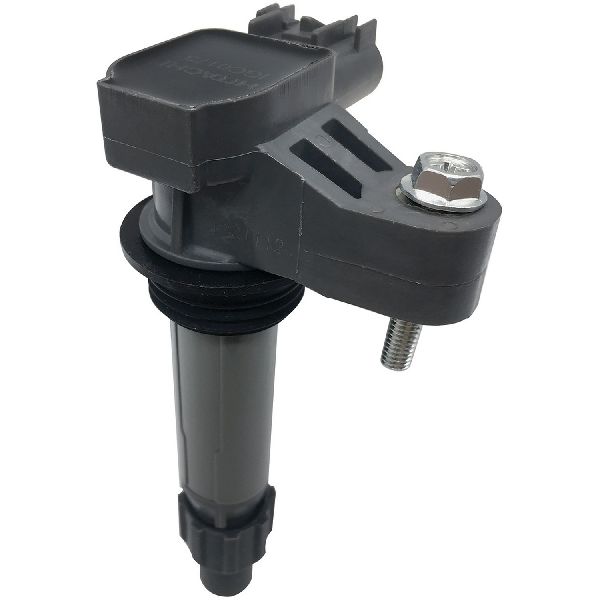
P0304 on a 2008-2013 Cadillac CTS indicates a misfire in cylinder 4. The most common causes are a failed ignition coil (ACDelco P/N: 12631982) or a worn iridium spark plug (ACDelco P/N: 41-109). Swapping the coil from cylinder 4 with another cylinder is a quick diagnostic test. Carbon buildup on intake valves is another frequent cause specific to these direct-injection engines. Expect to pay around $40-$70 for an OEM ignition coil and $12-$20 for a quality spark plug.
- P0304 specifically points to a misfire in cylinder 4, which is the middle cylinder on the driver's side of the engine.
- The most likely cause is a bad ignition coil, which can be easily diagnosed by swapping it with another cylinder's coil.
- A worn spark plug is the second most likely cause.
- If ignition parts don't solve the issue, consider carbon buildup on the intake valves, a known issue with these direct injection engines.
- Avoid driving if the Check Engine Light is flashing to prevent expensive damage to the catalytic converter.
What's Unique About the 2008-2013 Cadillac CTS
The 2008-2013 Cadillac CTS primarily uses 3.0L (LF1) and 3.6L (LLT, LFX) direct injection (DI) V6 engines. While standard ignition faults are common, these DI engines are highly susceptible to carbon buildup on the intake valves. Because fuel is injected directly into the cylinder, it never washes over the valves, allowing oil vapors to bake on and form restrictive deposits. GM issued TSB #PIP5029B specifically addressing this issue, which can cause misfires that are often worse on a cold start. Additionally, the earlier 3.6L LLT engines are known for premature timing chain stretching, which can alter valve timing and lead to misfire codes.
Diagnostic Flowchart
Tap your situation to follow the diagnostic path that matches what you're seeing on this vehicle.
Symptoms You May Notice
- Rough or shaky engine idle
- Hesitation or stumbling during acceleration
- Noticeable loss of engine power
- Solid or flashing Check Engine Light
- Poor fuel economy
- Smell of unburned fuel from the exhaust
- Engine noise, such as rattling or ticking, especially on startup (can indicate timing chain issues)
- Replacing the fuel pump when only a single cylinder is misfiring. A fuel pump issue would typically affect all cylinders and set multiple misfire codes or a P0300 (random misfire).
Most Likely Causes
- Faulty Ignition Coil 🔴 High Probability Ignition coils are a common failure item on many modern engines as they age and are subjected to high heat cycles. On the 3.6L V6, the coils on the driver's side (including cylinder 4) are under the intake manifold, potentially trapping more heat. A poor ground connection at G130/G131 can also cause coil issues, per a GM TSB.
How to confirm: The easiest way to confirm a bad coil is to swap the ignition coil from cylinder 4 with another cylinder (e.g., cylinder 2). Clear the codes and drive the vehicle. If the code changes to P0302, the ignition coil is faulty.
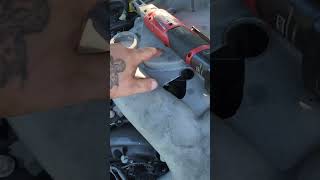
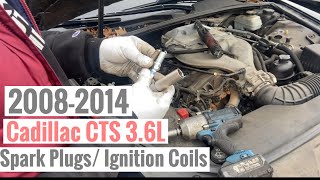
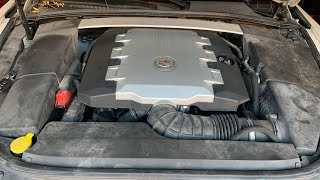
Typical fix: Replace the faulty ignition coil. 🎬 Watch this step-by-step guide to replacing coils and plugs. It is held in by a single 10mm bolt. Accessing the driver's side coils requires removing the upper intake manifold.
Est. part cost: $40 - $125 - Worn or Fouled Spark Plug 🔴 High Probability Spark plugs are a regular maintenance item with a finite lifespan. Worn electrodes or carbon/oil fouling can prevent a strong spark, causing a misfire. GM specifies iridium plugs for a long service life.
How to confirm: After ruling out the ignition coil, remove the spark plug from cylinder 4. Inspect it for wear (worn electrode), damage, or fouling (black, sooty, or oily deposits). Compare it to a new plug. The recommended gap for the ACDelco 41-109 is pre-set at 1.1mm or 0.043in.
Typical fix: Replace the spark plug. It's highly recommended to replace all six spark plugs at the same time for balanced engine performance and to avoid future misfires.
Est. part cost: $12 - $25 per plug - Carbon Buildup on Intake Valves 🟡 Medium Probability The 3.0L and 3.6L engines are direct injection (DI). In DI engines, fuel is injected directly into the cylinder, so it never washes over the intake valves. This allows oil vapor from the PCV system to bake onto the hot valves, causing carbon deposits that restrict airflow and lead to misfires. This is a well-documented issue covered by GM TSB #PIP5029B.
How to confirm: This is difficult to confirm without a borescope to visually inspect the intake valves. It's often diagnosed after ignition and fuel system issues have been ruled out. A misfire that is worse on a cold start is a strong indicator.
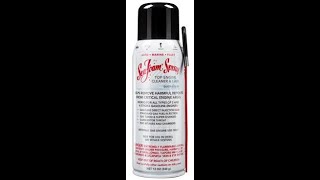
Typical fix: The intake manifold must be removed and the valves cleaned manually. Walnut blasting is the most effective professional method. Chemical induction cleaning services are also available but may be less effective for heavy buildup. 🎬 See how Seafoam performs when cleaning these intake valves.
Est. part cost: $20 - $50 for gaskets and cleaners (DIY), or $500-$1000+ for a professional walnut blasting service. - Faulty Fuel Injector ⚪ Low Probability The high-pressure direct injectors can become clogged or fail electronically over time, preventing the correct amount of fuel from being delivered to cylinder 4.
How to confirm: Listen to the injector with a mechanic's stethoscope; it should have a consistent, rapid clicking sound. Swapping a DI injector is labor-intensive and requires special tools, so this is typically done after other causes are eliminated.
Typical fix: Replace the faulty fuel injector and its associated seals. This is a more complex job than on a port-injected engine.
Est. part cost: $70 - $180
Rare But Worth Checking
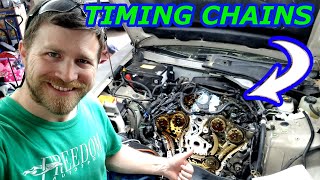
- Stretched Timing Chain: The 3.6L LLT engine, in particular, is known for premature timing chain stretching. This can cause the camshaft timing on one or both banks to become retarded, leading to misfires that may be isolated to one bank (e.g., P0302, P0304, P0306). This is a major repair. 🎬 Watch a professional guide on repairing the 3.6L timing chain.
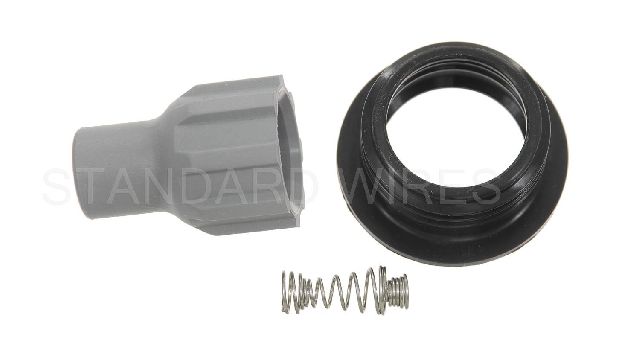
- Loose Spark Plug Wires: While these engines use a Coil-on-Plug design, a Technical Service Bulletin (PIP4819A) specifically calls out inspecting and replacing loose spark plug wires as a fix for P030x codes on these vehicles. This refers to the boot and connector assembly between the coil and the plug.
- Low Engine Compression: A mechanical issue like a worn piston ring, leaking valve, or a bad head gasket can cause a loss of compression in cylinder 4. This is a more serious engine problem and can be confirmed with a compression test.
- Vacuum Leak: A leak in the intake manifold gasket near the runner for cylinder 4 can introduce unmetered air, leaning out the air/fuel mixture and causing a misfire on that specific cylinder.
Diagnosis Steps
- Read the code with an OBD-II scanner to confirm P0304 is the primary code. Check for any other codes.
- Note if the Check Engine Light is solid or flashing. A flashing light indicates a severe misfire requiring immediate attention to prevent catalytic converter damage.
- Locate cylinder 4. On the V6 engines in the CTS, the engine is mounted longitudinally. Bank 1 (odd cylinders 1-3-5) is on the passenger side (right side) and Bank 2 (even cylinders 2-4-6) is on the driver's side (left side), numbered front to back. Cylinder 4 is the middle cylinder on the driver's side.
- To access Bank 2 (cylinders 2, 4, 6), you must first remove the plastic engine cover and then the upper intake manifold.
- Swap the ignition coil from cylinder 4 with the coil from cylinder 2 (front cylinder, driver's side). Reassemble the intake, clear the codes, and run the engine. If the code changes to P0302, the ignition coil is bad and needs replacement.
- If the code remains P0304, disassemble again and move the spark plug from cylinder 4 to cylinder 2. Clear codes and run the engine. If the code changes to P0302, the spark plug is the culprit.
- If the misfire still stays on cylinder 4, inspect the ignition coil connector and wiring for any damage or corrosion. Per TSB #PIP4819A, check that the spark plug boot is secure on both the coil and the plug.
- If the ignition system is confirmed to be working, the next likely causes are a clogged fuel injector or carbon buildup. A fuel injector can be tested by checking its resistance or listening for a steady clicking with a stethoscope.
- If all else fails, consider more complex causes. Check for vacuum leaks around the intake manifold gasket for cylinder 4. Perform an engine compression test to rule out mechanical problems like bad valves or piston rings. Finally, investigate potential carbon buildup on the intake valves using a borescope, or look into timing chain stretch if other symptoms are present.
Parts You'll Likely Need
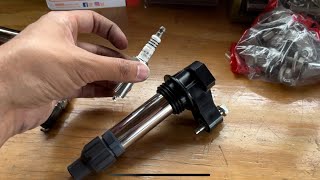
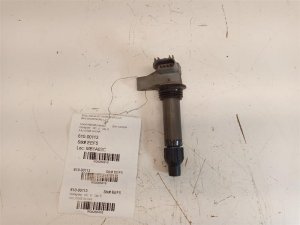
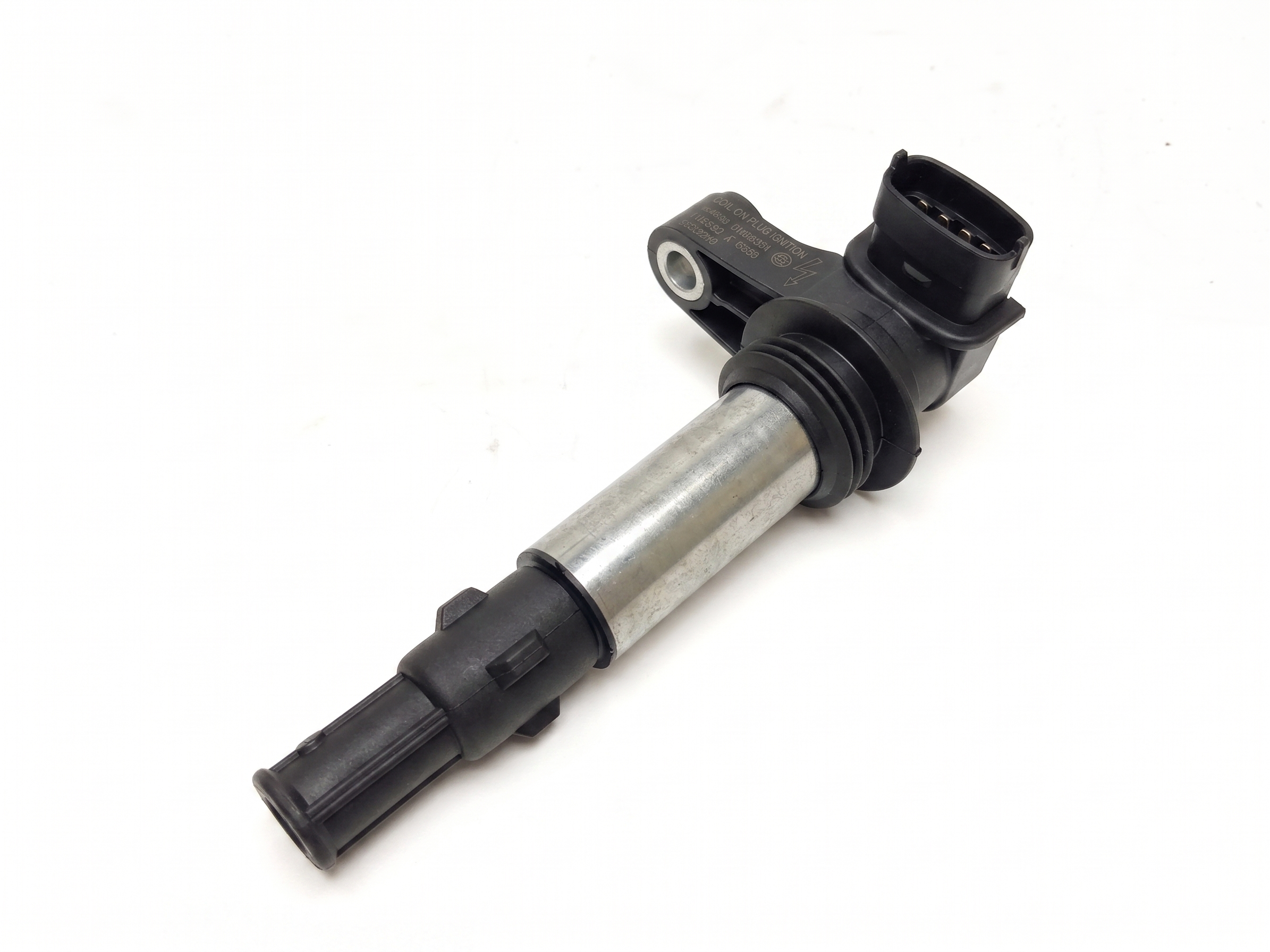
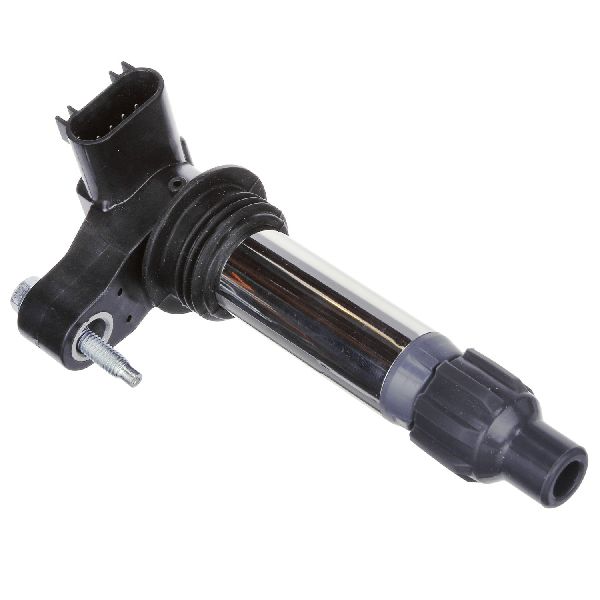
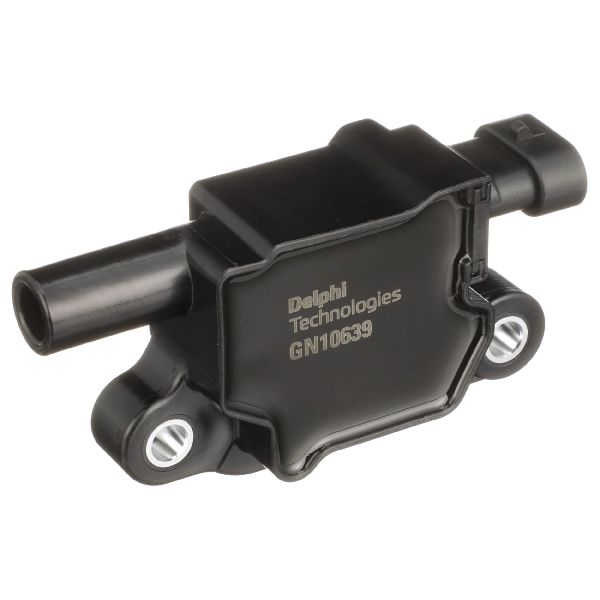
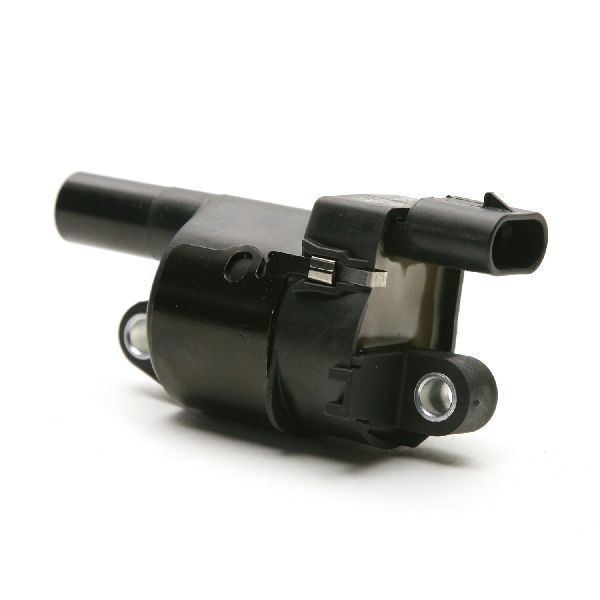
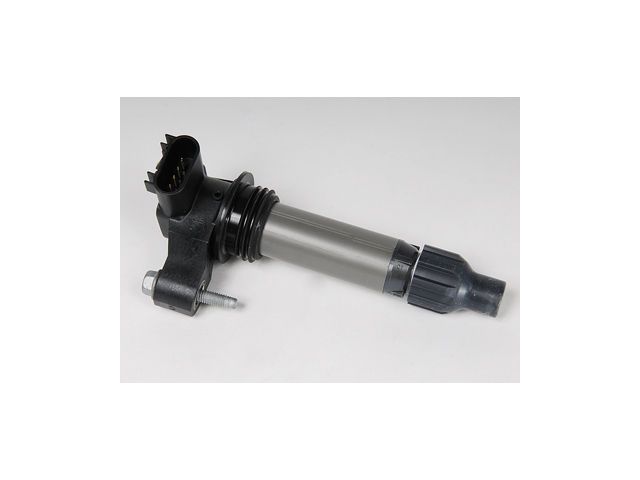
- Ignition Coil
(OEM #12631982)— This is the most frequent cause of a single-cylinder misfire. The coil provides the high voltage needed to create a spark. ACDelco is the GM Original Equipment manufacturer.
Trusted brands: ACDelco, Delphi, NGK, Denso
OEM price range: $60 - $125
Aftermarket price range: $35 - $75 - Iridium Spark Plug
(OEM #41-109)— Spark plugs are a maintenance item that wear out over time, leading to a weak or inconsistent spark. The ACDelco 41-109 is the specified OEM iridium plug for these engines.
Trusted brands: ACDelco, NGK, Denso, Bosch
OEM price range: $15 - $25
Aftermarket price range: $10 - $20
Related Codes That Often Appear With This One
- P0300 — If the misfire is intermittent or other cylinders are also misfiring (especially on the same bank), a P0300 (Random/Multiple Cylinder Misfire Detected) may be stored alongside P0304.
- P0354 — This code means 'Ignition Coil D (Cylinder 4) Primary/Secondary Circuit Malfunction'. It often appears with P0304 and points directly to a problem with the ignition coil or its wiring circuit for cylinder 4, as noted in TSB #PIP5038B.
- P0017 — Crankshaft Position - Camshaft Position Correlation (Bank 1 Sensor B). If you see this code with misfires on Bank 2 (P0302, P0304, P0306), it could indicate a stretched timing chain affecting that bank's timing.
Technical Service Bulletins (TSBs) & Recalls
- PIP4819A: Addresses engine misfires (P0300-P0308) and advises inspection and replacement of loose spark plug wires.
- PIP5038B: Notes the presence of P030x and P035x codes together and directs technicians to follow standard service diagnostics.
- PIP5029C (and predecessors): Details misfires caused by heavy carbon buildup on intake valves in direct injection engines, including the 3.0L and 3.6L used in the CTS.
Platform-Specific Known Issues
- TSB #PIP5029B: Directly addresses engine misfires (P0300-P0306) on the 3.0L and 3.6L DI engines. It identifies major carbon deposits on intake valves as a primary cause, especially for misfires that occur on cold starts after the vehicle has accumulated over 5,000 miles.
- TSB #PIP4819A: Mentions that P030x misfire codes can be caused by loose spark plug wires (the boot/connector between the coil and plug), instructing technicians to inspect and replace any that are not secure.
- Timing Chain Stretch: Particularly on the 3.6L LLT engine (2008-2011), the timing chains were prone to stretching. This can cause camshafts to go out of time with the crankshaft, leading to rough running, rattling noises on startup, and eventually misfire codes, often across an entire bank.
Mechanic-Grade Diagnostic Values
- High-Pressure Fuel Rail Pressure at Idle — expected: 1.9-2.1 MPa (279-305 psi). Failure: Pressure significantly higher or lower than the specified range.
- Low-Side Fuel Line Pressure (commanded with scan tool) — expected: Should increase to greater than 414 kPa (60 psi). Failure: Pressure does not increase as commanded, indicating a low-pressure side fuel delivery issue.
- Ignition Coil Primary Winding Resistance — expected: 0.49—0.57 ohms. Failure: Reading outside of this range indicates a faulty coil.
- Ignition Coil Secondary Winding Resistance — expected: 9.5—11.1 kilohms. Failure: Reading outside of this range indicates a faulty coil.
Scan Tool Commands That Help
- GDS2 (GM Tech 2 successor): Cylinder Power Balance Test — Used to identify which cylinder is underperforming without physically swapping parts. The tool disables one cylinder at a time (by cutting fuel) and measures the RPM drop. If disabling cylinder 4 causes little or no RPM drop compared to other cylinders, it confirms cylinder 4 is not contributing power.
- GDS2 / Professional Scan Tool: Misfire Data / Misfire Counters — To view current and historical misfire counts for each cylinder. This can help determine if the misfire is consistent or intermittent and if other cylinders are also misfiring, even if they haven't triggered their own specific codes yet.
Wiring & Ground Locations
- G130 and G131 — On the engine, specific to the CTS.. These are the specific ground points for the ignition coils. GM issued a TSB for 2008-2009 CTS models with the 3.6L LLT engine that suggests a poor connection at these grounds can cause misfires. The fix is to clean the ground points and terminals and torque the bolts to 15 lb-ft.
- Ignition Coil Connector — On top of each ignition coil.. This 4-pin connector provides power, ground, and the trigger signal from the ECM to the ignition coil for cylinder 4. Damage to the connector or wiring harness can interrupt the signal and cause a P0304. The connector has a safety tab that must be disengaged before removal.
- ECM Connector (Bank 2 Coils) — At the Engine Control Module (ECM).. The control signal wire for the cylinder 4 ignition coil runs from a specific pin on the ECM connector to the coil. A short to ground or an open circuit in this wire will cause a persistent misfire. This requires a wiring diagram to trace the specific pin for cylinder 4.
Real Owner Repair Stories
- cadillacforums.com user (2010 CTS 3.6L (LLT)) — Check engine light with P0300, P0302, P0304, P0306 (misfires on all of Bank 2) and timing code P0017.
❌ Tried (didn't work) Replacing spark plugs, Replacing ignition coils
✅ What actually fixed it The timing chains were found to be stretched. Replacing all three timing chains and related tensioners resolved all misfire and timing codes.
Model Year Variations Within This Range
- 2008-2011 (LLT) vs 2012-2013 (LFX): The 3.6L V6 engine was updated in 2012 from the LLT to the LFX. While fundamentally similar, the LFX features integrated exhaust manifolds (part of the cylinder head), a composite intake manifold instead of aluminum, and a different ECM (Delphi instead of Bosch). These changes mean that some parts, like intake manifold gaskets and exhaust components, are not interchangeable between the two engine versions. The timing chain issues were reportedly more common on the earlier LLT engines.
Helpful Videos
Used OEM Parts in Stock

New Aftermarket Parts Available

The information in this article is provided for general reference and educational purposes only. Vehicle specifications, procedures, and part compatibility can vary by production date, trim level, and region. Always consult your vehicle's factory service manual and verify part numbers before purchasing or performing repairs. Safety-critical components such as airbags, seat belts, and braking systems should be installed by a qualified professional.
- Cadillac CTS:
- 🎬 Helpful Videos
- 🛍️ Shop This Part
- What's Unique About the 2008-2013 Cadillac CTS
- Diagnostic Flowchart
- Symptoms You May Notice
- Most Likely Causes
- Rare But Worth Checking
- Diagnosis Steps
- Parts You'll Likely Need
- Related Codes That Often Appear With This One
- Technical Service Bulletins (TSBs) & Recalls
- Platform-Specific Known Issues
- Mechanic-Grade Diagnostic Values
- Scan Tool Commands That Help
- Wiring & Ground Locations
- Real Owner Repair Stories
- Model Year Variations Within This Range
- 🎟️ Get 5% Off