

P0304 on 2010-2015 Buick LaCrosse: Cylinder 4 Misfire Causes and Fixes
P0304 on a 2010-2015 Buick LaCrosse means cylinder 4 is misfiring. The most common causes are a faulty ignition coil or a worn-out spark plug. Swapping the coil from cylinder 4 with another cylinder is a quick way to diagnose the issue. For V6 engines, cylinder 4 is the middle cylinder on the front bank, closest to the radiator.
- P0304 means your LaCrosse has a misfire in cylinder 4, which is the middle cylinder on the bank closer to the radiator on V6 models.
- The most likely cause is a bad ignition coil or spark plug. Diagnose this for free by swapping the coil from cylinder 4 to another cylinder to see if the misfire code follows it.
- Do not ignore a flashing check engine light, as it signals a severe misfire that can quickly damage your catalytic converter.
- If basic ignition parts don't fix the issue, consider a clogged fuel injector or carbon buildup on the intake valves, especially if the misfire is worse when the engine is cold.
What's Unique About the 2010-2015 Buick LACROSSE

The 2010-2015 LaCrosse used direct injection engines (like the 3.0L LF1 and 3.6L LLT/LFX V6s) which are highly susceptible to carbon buildup on the intake valves over time. Unlike port injection, fuel is sprayed directly into the cylinder, so it never washes over and cleans the intake valves. Oil vapor from the PCV system bakes onto the hot valves, restricting airflow and causing misfires, especially on cold starts. While a P0304 often points to a simple ignition part, on this specific platform, carbon buildup is a significant underlying issue to consider if basic fixes don't work. GM issued a service bulletin (PIP5029B) acknowledging this issue.
Diagnostic Flowchart

Tap your situation to follow the diagnostic path that matches what you're seeing on this vehicle.
Symptoms You May Notice
- Flashing or solid Check Engine Light
- Rough or shaky idle
- Engine hesitation or stumbling during acceleration
- Reduced engine power
- Worse fuel economy
- A smell of unburned gasoline from the exhaust
- Engine stalling, especially at idle
- Replacing the oxygen sensor. While an O2 sensor code might appear alongside P0304, the sensor is usually reporting the problem (unburned fuel), not causing the misfire.
- Replacing the catalytic converter. A misfire can damage a catalytic converter, but a bad converter will not cause a single-cylinder misfire code like P0304.
Most Likely Causes

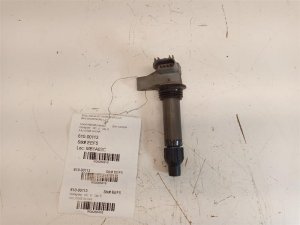
- Faulty Ignition Coil 🔴 High Probability Ignition coils are a common wear item on most modern vehicles, including the LaCrosse. Heat cycles and vibration eventually cause the internal windings to fail, leading to a weak or no-spark condition.
How to confirm: Swap the ignition coil from cylinder 4 with an adjacent cylinder (e.g., cylinder 2). Clear the codes and drive. If the code changes to P0302, the coil is bad. On the V6 engines, the front bank cylinders are 2-4-6 (passenger to driver side), making cylinder 4 easily accessible without removing other parts.
Typical fix: Replace the faulty ignition coil. It's often recommended to replace all coils on a high-mileage vehicle, or at least the full bank of three, for preventative maintenance.
Est. part cost: $25-$60 per coil - Worn or Fouled Spark Plug 🔴 High Probability Spark plugs have a finite service life. The original ACDelco iridium plugs in the LaCrosse have a long life but will eventually wear out, leading to a weak spark that can't reliably ignite the fuel mixture. Oil or coolant leaks from internal cylinder head porosity can also foul the plug, a known issue covered by TSB PIP5095C.
How to confirm: After ruling out the coil, remove the spark plug from cylinder 4. Inspect it for wear (worn electrode), oil fouling, carbon buildup, or cracks in the porcelain. A healthy plug should be light tan or grey.
Typical fix: Replace the spark plug. It is best practice to replace all spark plugs at the same time to ensure even performance and prevent future misfires.
Est. part cost: $8-$25 per plug - Clogged or Faulty Fuel Injector 🟡 Medium Probability The direct injection systems on the V6 engines operate under very high pressure, and injectors can become clogged with carbon or fail electronically over time. This is a more common issue on DI engines than on older port-injected designs.
How to confirm: This is harder to diagnose for a DIYer. A professional can perform a fuel injector balance test using a scan tool like the GM GDS2. A DIY method is to swap the injector from cylinder 4 with another cylinder, but this is labor-intensive on the V6 as it requires removing the intake manifold. Listening with a mechanic's stethoscope for a consistent clicking sound is a less reliable check.
Typical fix: Replace the faulty fuel injector. Given the labor involved, some owners choose to replace all injectors on the affected bank at the same time.
Est. part cost: $50-$150 - Carbon Buildup on Intake Valves 🟡 Medium Probability As a direct injection engine, fuel is sprayed directly into the cylinder, meaning it doesn't wash over and clean the intake valves. Over many miles, oil vapor from the PCV system bakes onto the valves, restricting airflow and causing misfires, especially on cold starts when the fuel doesn't atomize as well. This is a well-documented issue on GM's LLT and LFX V6 engines, addressed in TSB PIP5029B.
How to confirm: Requires a borescope to visually inspect the intake valves, which usually involves removing the intake manifold.
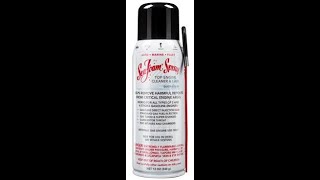
Typical fix: A professional 'walnut blasting' service is the most effective method, using crushed walnut shells to safely scour the carbon off the valves. 🎬 Watch: How to perform a professional intake valve cleaning. DIY chemical intake cleaning sprays are a less-effective, but cheaper, alternative.
Est. part cost: $20-$40 for DIY cleaning kits; $500-$800 for professional walnut blasting service.
Rare But Worth Checking
- Low Engine Compression: This is a serious mechanical issue, such as a bad piston ring, worn valve, or a failing head gasket. A compression test is needed to confirm. This is an unlikely cause unless the vehicle has very high mileage or has been severely overheated.
- Faulty Fuel Rail Pressure Sensor Connector: A known issue on some GM 3.6L engines involves the wiring/connector for the fuel rail pressure sensor becoming brittle from heat, causing erratic signals and misfires. This often throws other fuel pressure codes alongside the misfire code.
- Stretched Timing Chain: The earlier 3.6L LLT V6 engines (2010-2011) were known for premature timing chain stretch. While this typically causes misfires on an entire bank (e.g., P0301, P0303, P0305), it can sometimes begin by setting a code for a single cylinder. This issue was addressed with improved parts in later model years.
- Chafed Fuel Injector Wiring: GM issued a technical document (PIP4924C) for various models including the LaCrosse with 3.0L and 3.6L engines, warning of misfire codes caused by the fuel injector wiring harness rubbing against the intake plenum, valve cover bolts, or fuel lines.
Diagnosis Steps
- Read the trouble codes with an OBD-II scanner. Confirm P0304 is present and note any other codes. A flashing check engine light indicates a severe misfire.
- Identify cylinder 4. On the V6 engines (3.0L & 3.6L), the front bank (closer to the radiator) is cylinders 2-4-6 from passenger to driver side. Cylinder 4 is the middle cylinder on the front bank. 🎬 Watch: A quick walkthrough of diagnosing a P0304 on this engine.
- Swap the ignition coil from cylinder 4 to cylinder 2. Clear the codes, run the engine, and rescan. If code P0302 appears, the ignition coil is faulty. This is the most common fix.
- If the misfire remains on cylinder 4 (P0304 returns), swap the spark plug from cylinder 4 to cylinder 2. If the code moves to P0302, the spark plug is the issue.
- If the misfire still remains on cylinder 4, inspect the wiring and connector for the cylinder 4 ignition coil and fuel injector for any damage, chafing, or loose connections.
- If no external issues are found, the problem is likely a faulty fuel injector, significant carbon buildup on the intake valves, or a mechanical engine issue (like low compression). These steps often require professional tools and expertise.
Parts You'll Likely Need
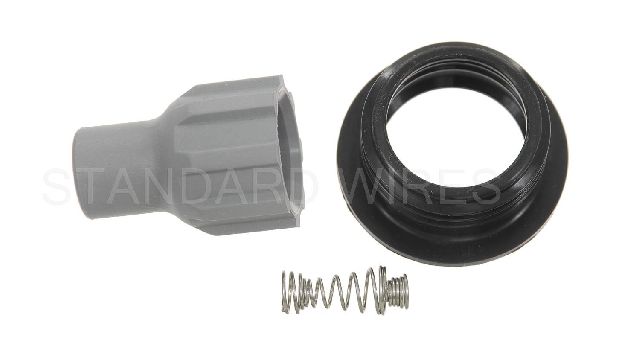
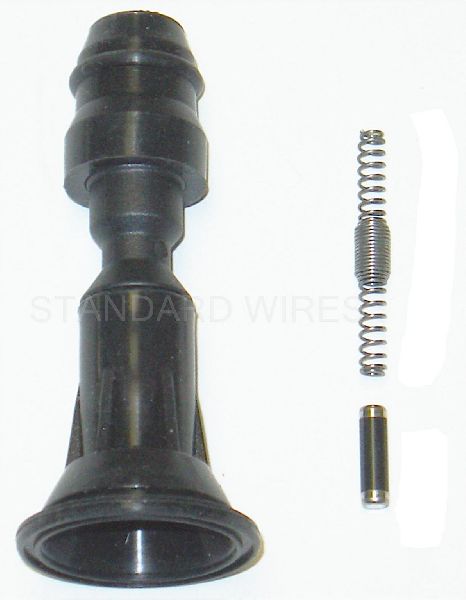
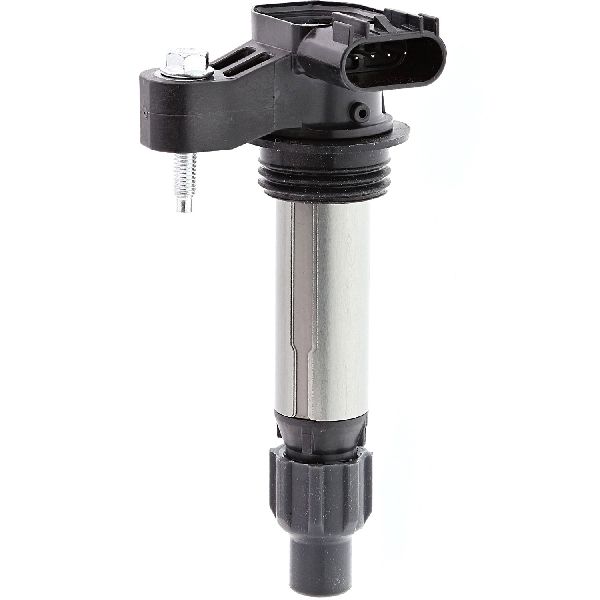
- Ignition Coil
(OEM #12632479)— This is the most frequent point of failure for a single-cylinder misfire and is easy to diagnose by swapping. Part number 12632479 supersedes previous numbers like 12618542 and 12590990.
Trusted brands: ACDelco (GM Genuine), NGK, Delphi
OEM price range: $40-$70
Aftermarket price range: $25-$50 - Iridium Spark Plug
(OEM #41-107)— Spark plugs are a routine maintenance item that wear out and are the second most likely cause of a P0304 code. It's best practice to replace them with coils. Note: Part 41-107 is specified for earlier 3.6L engines (LLT); later LFX engines may use a different plug. Always verify by VIN.
Trusted brands: ACDelco, NGK, Bosch
OEM price range: $10-$20
Aftermarket price range: $8-$15 - Upper Intake Manifold Gasket Set
(OEM #12607393)— If you need to access the rear bank of cylinders or replace fuel injectors on the V6 models, you must remove the upper intake manifold and replace these gaskets. This is also required for walnut blasting the intake valves.
Trusted brands: ACDelco, Fel-Pro
OEM price range: $30-$50
Aftermarket price range: $15-$30
Related Codes That Often Appear With This One
- P0300 — If the misfire is intermittent or starting to affect other cylinders, a P0300 (Random/Multiple Cylinder Misfire) code may be stored as well.
- P0171 / P0174 — These 'Lean' codes can appear if the misfire is caused by a vacuum leak or a clogged fuel injector that is not delivering enough fuel to one or more cylinders.
- P0302, P0306 — Misfire codes on other cylinders of the same bank (Bank 2) could indicate a shared problem like a clogged catalytic converter for that bank or a timing chain issue.
Technical Service Bulletins (TSBs) & Recalls
- PIP3333C: Addresses intermittent engine misfires and mentions DTC P0304, instructing technicians to follow published diagnostics.
- PIP5029A (Superseded): Discusses engine misfires (P0300-P0306) potentially caused by heavy carbon buildup on intake/exhaust valves in direct injection engines.
- PIP4924B: Warns of potential for fuel injector wiring harness to chafe against the intake, valve covers, or fuel lines, causing injector-related fault codes including misfires.
Platform-Specific Known Issues

- TSB #PIP3333C: This official GM document notes that P0304 can occur intermittently, sometimes in conjunction with P0300 or P0301, and advises technicians to follow standard diagnostics first before escalating. It acknowledges the existence of the issue without pointing to a single root cause.
- TSB #PIP4924C: Warns technicians to inspect the fuel injector wiring harness for chafing against the intake plenum, valve cover bolts, or fuel lines, which can cause an intermittent short and misfire codes.
- TSB #PIP5095C: Addresses potential oil or coolant found in the spark plug tube, not from a valve cover leak, but from porosity in the cylinder head itself. The official fix is to replace the entire cylinder head, along with the affected spark plug and coil.
- TSB #PIP5029B: Details the issue of major carbon deposits on intake valves for direct-injected engines (including the 3.0L and 3.6L V6s), which can cause misfires, especially on cold starts.
Mechanic-Grade Diagnostic Values
- Low-Side Fuel Pressure (Key On, Engine Off) — expected: 50-60 PSI (345-414 kPa). Failure: Pressure below this range can indicate a weak in-tank fuel pump, preventing the high-pressure pump from functioning correctly.
- High-Side Fuel Pressure (Idle) — expected: ~290-580 PSI (2-4 MPa). Failure: Volatile readings or pressure that doesn't respond to RPM changes can indicate a failing high-pressure fuel pump (HPFP) or a bad rail pressure sensor.
- Ground/Low Reference Circuit Continuity (Engine Off, Asleep) — expected: < 0.3 ohms. Failure: A reading higher than 5 ohms can indicate a poor ground connection, which can cause erratic behavior from the ECM, ignition coils, and injectors. Readings can be as high as 100 ohms with the ignition on, so the vehicle must be completely asleep for an accurate test.
Hidden / Shadow Codes Worth Checking
- Mode $06, TID $A6 (Cylinder 4 Misfire Data): This is not a DTC, but a monitor ID within the OBD-II system that provides raw data. It shows two key values: 'EWMA misfire counts for the last 10 driving cycles' and 'Misfire counts for the current/last driving cycle'. A high count on cylinder 4 relative to others confirms the misfire, even if it's not severe enough to keep the light on constantly. (see via An advanced scan tool or a Bluetooth OBD-II adapter paired with an app like Torque Pro. In Torque Pro, this is found under 'Test Results'.)
Scan Tool Commands That Help
- GDS2 / Tech2: Cylinder Misfire Counter Data — Use this to view the live misfire count for each cylinder in real-time. This is invaluable for confirming that the misfire is isolated to cylinder 4 and for verifying if a repair was successful without having to complete a full drive cycle.
- GDS2 / Tech2: Fuel Injector Balance Test — This function allows the technician to individually disable each fuel injector and monitor the RPM drop. If disabling cylinder 4's injector causes little or no change in RPM compared to other cylinders, it confirms that the injector is not contributing power, pointing to a fuel delivery or injection problem.
- GDS2 / Tech2: Camshaft Position Desired vs. Actual Angle — When a timing chain issue is suspected, this data PID allows you to compare the ECM's commanded camshaft position with the actual position reported by the sensors. A significant and persistent deviation (often >4-5 degrees) on one or more cams at idle can indicate a stretched timing chain.
Wiring & Ground Locations
- G103 — On the left rear of the engine compartment on the cowl, above the brake booster.. This grounds the Body Control Module (BCM) and Engine Control Module (ECM). A poor connection here can cause a wide range of erratic electronic issues, including misfire detection problems.
- G105 / G106 — Located on the front frame cross rail, under the crank pulley area.. These are main engine and chassis grounds. A loose or corroded connection here can affect the ground path for the ignition coils and fuel injectors, leading to weak spark or inconsistent injector operation.
- Injector Harness Chafe Points — The fuel injector wiring harness may rub through against the intake plenum, valve cover bolts, or adjacent fuel lines.. As documented in TSB PIP4924C, physical rubbing can wear through the insulation on the injector control wires, causing a short to ground or an open circuit. This will cause the injector for the affected cylinder to stop firing, directly causing a misfire code like P0304.
Real Owner Repair Stories
- Chevy HHR Network Forum User (GM Vehicle with returnless fuel rail (similar design principle)) — Persistent P0304 code after trying multiple fuel additives, swapping coils, checking plugs, and inspecting wiring harnesses.
❌ Tried (didn't work) Using different grades of fuel, Fuel system cleaner additives, Swapping ignition coils, Inspecting spark plugs, Cleaning ground wires, Inspecting wiring harnesses
✅ What actually fixed it The issue was identified as potential fuel contamination trapped in the returnless fuel rail. TSB #PIP3333A suggests that debris can collect at the end of the rail (near cylinder 4) during certain maneuvers (like right turns), temporarily clogging the injector and causing a misfire. The fix involves cleaning the fuel tank, lines, and fuel rail. - YouTube video by Jimthecarguy (2010 Buick LaCrosse 3.6L with under 12,000 miles) — Flashing check engine light, dead miss on one cylinder, code P0304.
❌ Tried (didn't work) The video directly proceeds to the fix, no other attempts were mentioned.
✅ What actually fixed it The problem was a failed ignition coil on cylinder 4. The video demonstrates the replacement of the coil, which resolved the misfire. This highlights that even on very low-mileage vehicles, ignition coils can fail.
Model Year Variations Within This Range
- 2010-2011: These model years primarily used the 3.6L LLT V6 engine. This engine is more susceptible to premature timing chain stretching, often caused by extended oil change intervals and oil breakdown. While a P0304 is a single-cylinder misfire, it can be an early symptom of a developing timing issue that will eventually affect an entire bank.
- 2012-2015: These model years used the updated 3.6L LFX V6 engine. The LFX features a revised cylinder head with integrated exhaust manifolds and an improved timing chain design (from 2013 onwards) to reduce the stretching issues seen in the LLT. While more reliable, they are still direct-injection and prone to carbon buildup.
Helpful Videos
Used OEM Parts in Stock


New Aftermarket Parts Available



The information in this article is provided for general reference and educational purposes only. Vehicle specifications, procedures, and part compatibility can vary by production date, trim level, and region. Always consult your vehicle's factory service manual and verify part numbers before purchasing or performing repairs. Safety-critical components such as airbags, seat belts, and braking systems should be installed by a qualified professional.
- Buick LACROSSE:
- 🎬 Helpful Videos
- 🛍️ Shop This Part
- What's Unique About the 2010-2015 Buick LACROSSE
- Diagnostic Flowchart
- Symptoms You May Notice
- Most Likely Causes
- Rare But Worth Checking
- Diagnosis Steps
- Parts You'll Likely Need
- Related Codes That Often Appear With This One
- Technical Service Bulletins (TSBs) & Recalls
- Platform-Specific Known Issues
- Mechanic-Grade Diagnostic Values
- Hidden / Shadow Codes Worth Checking
- Scan Tool Commands That Help
- Wiring & Ground Locations
- Real Owner Repair Stories
- Model Year Variations Within This Range
- 🎟️ Get 5% Off