

P0304 on 2019-2021 Audi Q8: Cylinder 4 Misfire Causes and Fixes
P0304 on a 2019-2021 Audi Q8 indicates a misfire in cylinder 4. The most common cause is a failed ignition coil, followed by a worn spark plug. Swapping the coil from cylinder 4 with another cylinder is the fastest way to diagnose the problem. This issue is common across the EA839 engine family, which includes other Audi, Porsche, and VW models.
- P0304 on your Q8 is a misfire on cylinder 4, located at the front of the engine on the driver's side.
- The most likely culprit is a bad ignition coil, which is a common wear item on this engine.
- A simple diagnostic test is to swap the ignition coil from cylinder 4 with another cylinder and see if the misfire code follows the coil.
- If the check engine light is flashing, avoid driving to prevent expensive damage to your catalytic converter.
- When replacing one coil or spark plug, it is best practice to replace the full set of six to ensure longevity and performance.
What's Unique About the 2019-2021 Audi Q8
The 3.0L V6 turbo engine (code DLZA, part of the EA839 family) used in the first-generation Audi Q8 is a direct-injection powerplant that replaced the previous supercharged 3.0T. 🎬 View this maintenance walkthrough for the older supercharged 3.0T engine. While generally reliable, ignition system components are a known wear item. Unlike older engines, diagnosing a misfire is straightforward due to the coil-on-plug design, which allows for easy swapping of components to isolate the fault. To access the driver's side coils (4, 5, 6), the coolant expansion tank must be unbolted and moved aside. Several Technical Service Bulletins (TSBs) have been issued by Audi for misfire-related codes (P0300-P0306) on this platform, indicating a recognized pattern of issues. A notable, though less common, issue on the EA839 engine family is rocker arm failure, which can cause misfires and has been a topic of discussion among owners, particularly for earlier model years.
Diagnostic Flowchart
Tap your situation to follow the diagnostic path that matches what you're seeing on this vehicle.
Symptoms You May Notice
- Engine shaking or rough idling.
- Hesitation or jerking during acceleration.
- Flashing Check Engine Light (CEL).
- Solid (non-flashing) Check Engine Light.
- Reduced engine power and sluggish performance.
- Increased fuel consumption.
- Difficulty starting the engine (hard starts).
- Smell of unburnt gasoline from the exhaust.
- Replacing only the spark plug when the ignition coil was the actual cause.
- Replacing a fuel injector before properly diagnosing the ignition system.
- Assuming a misfire is always an ignition component, when it could be a vacuum leak or mechanical issue like low compression.
Most Likely Causes
- Faulty Ignition Coil 🔴 High Probability Ignition coils on modern high-output engines like the 3.0T operate under high thermal stress and are a common failure point over time. Several part number revisions exist, indicating ongoing updates by the manufacturer to improve reliability.
How to confirm: Swap the ignition coil from cylinder 4 with another cylinder (e.g., cylinder 5). Clear the codes and drive the vehicle. If the code changes to P0305, the coil is bad. 🎬 See how to troubleshoot and isolate a specific cylinder misfire. To access the driver's side bank (4-5-6), the coolant expansion tank must be unbolted and moved aside.
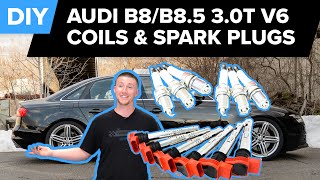
Typical fix: Replace the faulty ignition coil. It is highly recommended to replace all six coils at the same time for preventative maintenance, using the latest OEM part revision. 🎬 Watch this step-by-step guide for replacing Q8 coils and plugs.
Est. part cost: $40-$80 per coil - Worn or Fouled Spark Plug 🟡 Medium Probability Spark plugs are a regular maintenance item. The official service interval for the 2019 Q8 3.0T is every 40,000 miles or 6 years. A worn electrode, carbon/oil fouling, or a cracked insulator can prevent a strong spark.
How to confirm: After confirming the ignition coil is good, remove the spark plug from cylinder 4. Inspect it for wear, damage, or deposits (black, sooty, or oily). Compare it to a plug from a healthy cylinder.
Typical fix: Replace the spark plug. It is best practice to replace all six spark plugs as a set, torqued to the correct specification (e.g., 35Nm). Sticking with OEM-supplier brands like Bosch or NGK is recommended.
Est. part cost: $15-$30 per plug - Faulty Fuel Injector ⚪ Low Probability While less common than ignition issues, direct fuel injectors can become clogged or fail electronically. In some cases, a failing injector can stick open, washing out the cylinder and causing more significant damage. Carbon buildup on the injector nozzle can also disrupt the spray pattern.
How to confirm: This is more difficult to diagnose for a DIYer. A professional may need to perform a fuel injector balance test or use a scan tool to monitor fuel trims per bank. Swapping injectors is possible but much more labor-intensive than swapping coils.
Typical fix: Replace the faulty fuel injector. This often requires removing the fuel rail and replacing injector seals. Using a quality fuel system cleaner with PEA can sometimes help with minor clogging.
Est. part cost: $100-$250 per injector
Rare But Worth Checking
- Leaking Valve Cover Gasket / Spark Plug Tube Seal: If you find oil covering the ignition coil boot when you remove it, the valve cover gasket or spark plug tube seal is leaking. This oil can damage the coil and cause a misfire. The leak must be fixed before or during the coil replacement.
- Low Cylinder Compression: In rare cases, especially on higher mileage engines, a mechanical issue like a worn piston ring, damaged valve, or failed rocker arm can cause a loss of compression, leading to a persistent misfire. Forum users with similar engines have reported this failure mode, which requires a compression and leak-down test to confirm and often results in major engine repair.
- Carbon Buildup on Intake Valves: Direct injection engines like the DLZA are prone to carbon buildup on the intake valves because fuel is injected directly into the cylinder, bypassing the valves and preventing them from being cleaned by fuel detergents. Severe buildup can restrict airflow, leading to misfires, rough idle, and power loss. This typically requires professional cleaning, such as walnut blasting.
Diagnosis Steps
- Read the trouble codes with an OBD-II scanner to confirm P0304 and check for any other codes. Note if the check engine light is flashing.
- Identify cylinder 4. On the Audi Q8 3.0L V6, Bank 1 (cylinders 1-2-3) is on the passenger side, and Bank 2 (cylinders 4-5-6) is on the driver's side, numbered front-to-back.
- Swap the ignition coil from cylinder 4 with the coil from cylinder 5. This is the easiest first step. Remember to move the coolant expansion tank to access the driver's side coils.
- Clear the codes and drive the car until the check engine light reappears.
- Re-scan the codes. If the code is now P0305, the ignition coil is faulty and needs replacement.
- If the code remains P0304, the problem is not the coil. Proceed to inspect the spark plug.
- Remove the spark plug from cylinder 4. Check for excessive wear, carbon buildup, oil fouling, or damage to the electrode or ceramic insulator. If it looks bad, replace it. It's best to replace all six.
- If the coil and plug are good, the issue may be with the fuel injector. This is harder to test for a DIYer, but a next step could be swapping injectors if you are comfortable with the procedure.
- If ignition and fuel components check out, the issue could be mechanical. A compression test and cylinder leak-down test are needed to check for issues like bad rings, valves, or head gasket. This is typically when professional diagnosis is recommended.
Parts You'll Likely Need
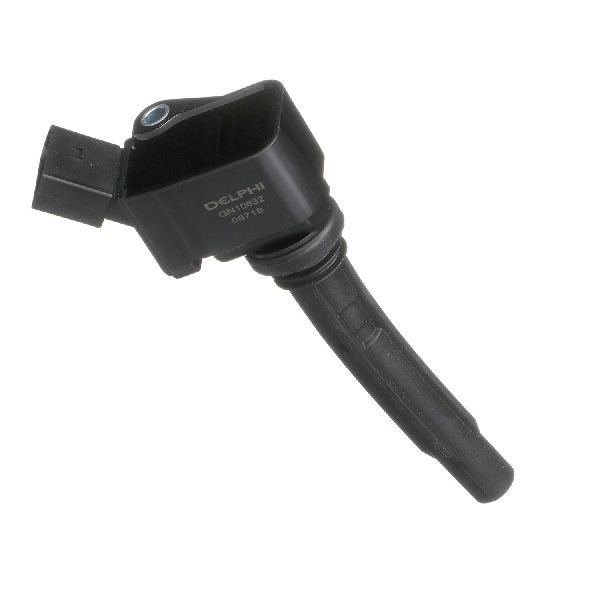
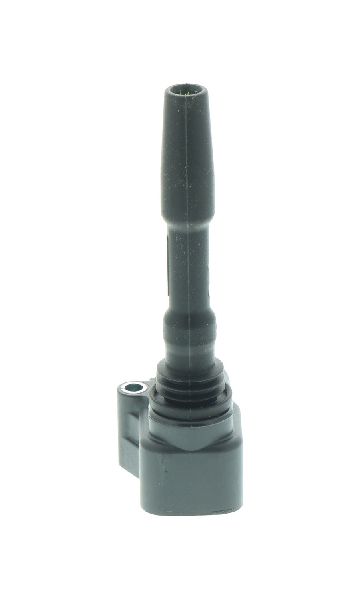
- Ignition Coil
(OEM #06M905115F)— This is the most frequent cause of a single-cylinder misfire on the Audi 3.0T engine. This part number is a common revision for the EA839 engine.
Trusted brands: Bosch, NGK, Eldor, Audi Genuine
OEM price range: $60-$90
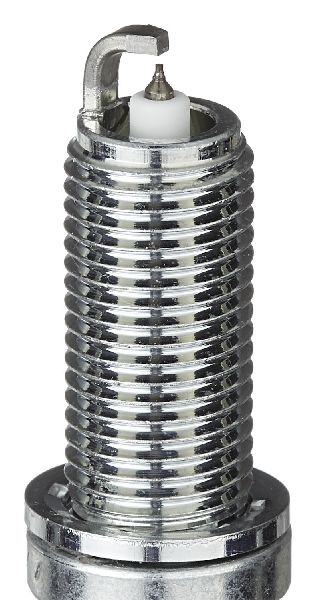
Aftermarket price range: $40-$70 - Spark Plug
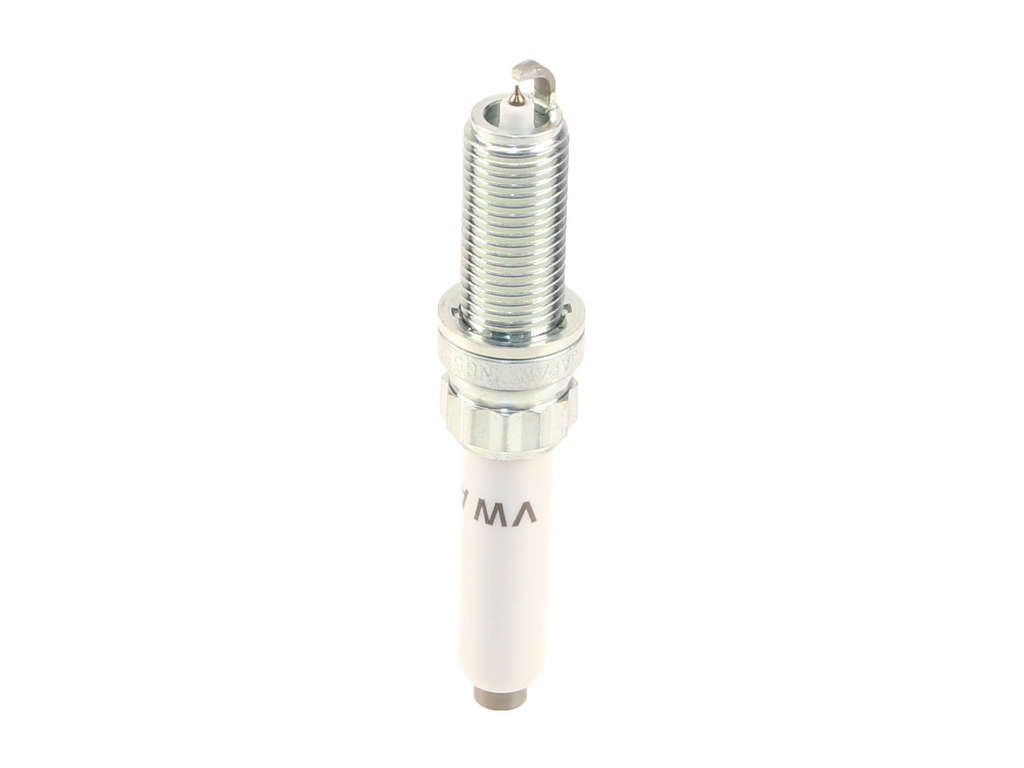
(OEM #06M905606F)— As a standard maintenance item with a 40,000-mile replacement interval, a worn or fouled spark plug is the second most likely cause of a misfire.
Trusted brands: NGK, Bosch, Audi Genuine
OEM price range: $20-$35
Aftermarket price range: $15-$25
Related Codes That Often Appear With This One
- P0300 — If multiple, random cylinders are misfiring, P0300 (Random/Multiple Cylinder Misfire Detected) will appear alongside the specific cylinder code. This could point to a systemic issue like a vacuum leak, fuel delivery problem, or significant carbon buildup.
- P0305, P0306 — Misfires on adjacent cylinders in the same bank (Bank 2 is cylinders 4, 5, 6) can sometimes occur together. One Audi Q8 owner reported misfires on all three Bank 2 cylinders (P0304, P0305, P0306) simultaneously, which could indicate an issue affecting that entire side of the engine, such as a fuel pressure problem on that rail.
- P130A — This manufacturer-specific code indicates the ECU is actively disabling the misfiring cylinder to prevent damage. It provides a stronger confirmation of a persistent and significant misfire event on a specific cylinder.
Technical Service Bulletins (TSBs) & Recalls
- A0124212069038_5: Provides information for an illuminated MIL and cylinder misfires (P0300-P0306).
- A0123912069038_5: Provides information for an illuminated MIL and DTCs P0300-P0306.
- A0123802069038_4: Provides information for an illuminated MIL and cylinder misfires (P0300-P0306).
- A0123612069038_3: Provides information for when the MIL is on and DTCs P0300, P0301, P 0302, P0303, P0304, P0305, or P0306 may be stored.
Platform-Specific Known Issues
- Audi has issued multiple Technical Service Bulletins (TSBs) regarding illuminated MIL (Check Engine Light) and misfire codes P0300-P0306 for this vehicle and engine platform, indicating a known pattern of issues.
- The EA839 engine family, particularly in earlier years (pre-2019), had some reported issues with rocker arm failures that could lead to misfires and catastrophic engine damage. While considered rare by some technicians, it is a known potential failure point discussed in owner forums.
- As a direct-injection engine, the DLZA is susceptible to carbon buildup on intake valves over time, which can cause misfires and performance degradation.
Mechanic-Grade Diagnostic Values
- Misfire Counter per Cylinder (VCDS) — expected: 0 at idle and under normal load.. Failure: A continuously increasing count on a specific cylinder (e.g., cylinder 4) confirms an active misfire.
- Cylinder Compression — expected: Approximately 150-160 PSI, with minimal variation between cylinders.. Failure: Significantly lower pressure in one cylinder compared to others, or values below manufacturer specification.
Hidden / Shadow Codes Worth Checking
- P130A: Indicates the Engine Control Unit (ECU) is actively disabling a cylinder (in this case, cylinder 4) to prevent engine or catalyst damage due to excessive misfires. (see via This manufacturer-specific code should be visible on most enhanced OBD-II scanners, including VCDS/ODIS.)
Scan Tool Commands That Help
- VCDS (VAG-COM) or ODIS: Live Data - Measuring Blocks (Groups 014, 015, 016) — Use this function to monitor the live misfire count for each individual cylinder. This is crucial for confirming which cylinder is misfiring and under what conditions (e.g., cold start, idle, high load), even if the check engine light is not currently on.
Wiring & Ground Locations
- N292 — Ignition coil for cylinder 4.. This is the component responsible for generating the spark in cylinder 4.
- T4ef — The 4-pin black electrical connector on the ignition coil for cylinder 4.. A poor connection, corrosion, or damaged wire at this connector will cause a P0304. Pin 1 is +12V, Pin 2 is signal ground, Pin 3 is the trigger from the ECU, and Pin 4 is power ground to the engine head.
- 832 — Ground Connection 4 on the cylinder head.. This is a primary ground point for ignition components on the cylinder head. A loose or corroded ground here can cause erratic behavior and misfires in the ignition system.
- J623 — The Engine Control Module (ECM).. The ECM sends the trigger signal to the ignition coil (N292) via pin 49 on the 56-pin connector (T56c). A fault in the ECM driver or wiring from this pin can cause a misfire.
OEM Part Supersession History
06M906036K, 06M906036AA, 06M906036AC→06M906036AP (Standard Injector)— Ongoing revisions by the manufacturer to improve reliability and performance.
Heads up: Higher-flow injectors from RS models (e.g., 06M906036AQ) exist but require specific ECU tuning and are not a direct replacement for standard engines.Older revisions of 06M905115 series ignition coils→06M905115F (or later letter)— Updates to improve durability and prevent premature failure under high heat conditions.
Model Year Variations Within This Range
- 2019 (and earlier EA839 engines): Engines produced before or during 2019 may be equipped with an earlier design of rocker arms that are more prone to needle bearing failure. Later models received revised rocker arms with a more robust bearing design to improve lubrication and longevity.
Helpful Videos


Used OEM Parts in Stock

New Aftermarket Parts Available


The information in this article is provided for general reference and educational purposes only. Vehicle specifications, procedures, and part compatibility can vary by production date, trim level, and region. Always consult your vehicle's factory service manual and verify part numbers before purchasing or performing repairs. Safety-critical components such as airbags, seat belts, and braking systems should be installed by a qualified professional.
- Audi Q8:
- 🎬 Helpful Videos
- 🛍️ Shop This Part
- What's Unique About the 2019-2021 Audi Q8
- Diagnostic Flowchart
- Symptoms You May Notice
- Most Likely Causes
- Rare But Worth Checking
- Diagnosis Steps
- Parts You'll Likely Need
- Related Codes That Often Appear With This One
- Technical Service Bulletins (TSBs) & Recalls
- Platform-Specific Known Issues
- Mechanic-Grade Diagnostic Values
- Hidden / Shadow Codes Worth Checking
- Scan Tool Commands That Help
- Wiring & Ground Locations
- OEM Part Supersession History
- Model Year Variations Within This Range
- 🎟️ Get 5% Off