

P0303 on 2016-2019 Mazda CX-3: Cylinder 3 Misfire Causes and Fixes
P0303 on a Mazda CX-3 most often indicates a failed ignition coil or a worn spark plug on cylinder 3. The easiest way to confirm a bad coil is to swap it with another cylinder and see if the code follows. Replacing a single OEM ignition coil is a common, relatively inexpensive DIY fix, costing around $120-$175 for the part.
- P0303 on a 2016-2019 Mazda CX-3 means cylinder #3 is misfiring.
- The most likely cause is a bad ignition coil, which can be easily diagnosed by swapping it with another cylinder's coil.
- Worn spark plugs are the next most common cause; they should be replaced as a set.
- In cold climates, check for a frozen muffler, a unique issue identified by Mazda TSBs.
- Driving with a flashing check engine light can cause expensive damage to the catalytic converter.
What's Unique About the 2016-2019 Mazda CX-3

The 2016-2019 Mazda CX-3 uses the 2.0L Skyactiv-G engine, a direct-injection powerplant. While generally reliable, these engines can be susceptible to carbon buildup on intake valves over time, which can lead to misfires. Uniquely, Mazda has issued several Technical Service Bulletins (TSBs) for the CX-3 and its platform mates indicating that misfire codes, including P0303, can be caused by frozen water accumulating in the muffler (main silencer), creating excessive backpressure. The official repair involves replacing the muffler with a modified part that has drain holes.
Diagnostic Flowchart

Tap your situation to follow the diagnostic path that matches what you're seeing on this vehicle.
Symptoms You May Notice

- Rough or shaky idle, sometimes only when in gear
- Engine hesitation or stumbling during acceleration
- Noticeable loss of power
- Flashing Check Engine Light (indicates a severe misfire)
- Solid Check Engine Light (indicates a less severe, but consistent misfire)
- Reduced fuel economy
- Engine stalling
- Vehicle enters 'limp mode' with multiple warning lights (TCS/DSC, etc.) and restricted throttle
- Replacing only the spark plug when the ignition coil is the actual point of failure.
- Replacing fuel system components before performing a basic ignition system diagnosis (coil and plug swap).
- Assuming a major mechanical failure before checking for the vehicle-specific TSBs, like the frozen muffler issue in cold climates.
Most Likely Causes

- Failed Ignition Coil 🔴 High Probability Coil-on-plug systems are a common failure point on many modern engines as they age. Heat and vibration eventually cause the internal windings to fail. A Mazda TSB for related vehicles noted that YUMEBISHI-brand coils were prone to internal failure. This is the most common fix reported by owners for a single-cylinder misfire.
How to confirm: Swap the ignition coil from cylinder 3 with another cylinder (e.g., cylinder 2). Clear the codes and drive the vehicle. If the code changes to P0302, the ignition coil is faulty. This is the most definitive DIY diagnostic step.
Typical fix: Replace the faulty ignition coil. It is often recommended to replace all four coils and spark plugs at the same time for preventative maintenance, but it is not strictly necessary if on a budget.
Est. part cost: $120-$175 for one OEM coil. - Worn or Fouled Spark Plug 🟡 Medium Probability Spark plugs are a regular maintenance item with a service interval of around 75,000 miles for the Skyactiv engine. If they are past their service interval, the electrode can wear down, increasing the gap and causing a weak spark. A fouled plug can also be a symptom of other issues like leaking injector seals.
How to confirm: After ruling out the ignition coil, remove the spark plug from cylinder 3. Inspect it for wear, carbon fouling, or oil deposits. Compare it to a new plug. In some cases, a bad plug is the sole cause of the misfire.
Typical fix: Replace the spark plug in cylinder 3. It is best practice to replace all four spark plugs as a set to ensure even performance.
Est. part cost: $80-$120 for a set of four OEM-quality plugs. - Faulty or Clogged Fuel Injector ⚪ Low Probability A Mazda TSB notes that injector circuit codes (P020x) can appear alongside misfire codes, suggesting a potential for injector or wiring issues. [Bulletin #01-004-17-3317a] In a detailed forum post on a Mazda3 with the same engine, a persistent P0303 was ultimately traced to a clogged cylinder 3 injector after coils and plugs were ruled out.
How to confirm: Listen for a clicking sound from the injector with a mechanic's stethoscope. Test the injector's resistance with a multimeter. A more advanced method is to have a professional service perform a flow test. A user on a forum for a similar engine confirmed the fix was a clogged injector, which they diagnosed after swapping coils and plugs didn't work.
Typical fix: Replace the faulty fuel injector. This is more involved than a coil or plug change. One owner on a Reddit forum noted their mechanic suspected a clogged injector was the cause after replacing ignition components didn't solve the issue.
Est. part cost: $140-$200 for one OEM injector. - Intake Valve Carbon Buildup ⚪ Low Probability As a direct-injection (GDI) engine, fuel is sprayed directly into the cylinder, not over the intake valves. This means there's no fuel to wash away carbon deposits that form from crankcase vapors, which can restrict airflow and cause misfires. A Reddit user with a P0303 on a Mazda3 was quoted $2400 for a walnut blast cleaning service, indicating it's a known, albeit expensive, repair.
How to confirm: This is difficult to confirm without a borescope inspection of the intake ports and valves, which requires removing the intake manifold. A YouTube video shows a Mazda 3 with a P0303 where the injector was heavily carbonized.
Typical fix: Requires professional service for walnut shell blasting or chemical cleaning of the intake valves and ports.
Est. part cost: $0 (service-based fix, labor can be $500-$2500)
Rare But Worth Checking
- Frozen Water in Muffler: Mazda issued multiple TSBs for the CX-3 stating that in cold weather, water can accumulate and freeze in the main silencer (muffler), causing a restriction that leads to engine misfires on multiple cylinders, including P0303. The TSB advises technicians to check freeze frame data for an Intake Air Temperature below 32°F (0°C) and short drive times. The fix is a replacement muffler with drain holes.
- Faulty Pressure Relief Valve (PRV): On a forum for a similar turbocharged Mazda engine, a user traced a persistent cylinder 3 misfire to a faulty pressure relief valve on the high-pressure fuel system, which caused low fuel pressure at idle. While less common on the naturally aspirated CX-3, it's a potential cause if fuel pressure is erratic.
Diagnosis Steps
- Read the codes: Use an OBD-II scanner to confirm P0303. Note if the Check Engine Light is solid or flashing. A flashing light indicates a severe misfire that could damage the catalytic converter.
- Test the Ignition Coil: Swap the ignition coil from cylinder 3 with another cylinder (e.g., cylinder 2). Clear the codes and run the engine. If the code returns as P0302, the coil is bad and needs replacement. This is the most common fix.
- Inspect the Spark Plug: If the misfire remains on cylinder 3, remove the spark plug. Check for excessive wear, fouling, or damage. If it's in poor condition or past its 75,000-mile service life, replace it. It's best to replace all four at once.
- Check the Fuel Injector: Listen to the injector with a stethoscope to ensure it's clicking. Check the wiring connector for a secure fit and any signs of damage. A persistent misfire after ignition parts are replaced may point to a clogged injector.
- Check for Vacuum Leaks: Inspect all vacuum hoses and the intake manifold gasket for cracks or leaks, which can cause a lean condition and misfires.
- Consider TSBs: If the misfire occurs in freezing weather after being parked overnight, investigate the possibility of a frozen muffler as described in Mazda TSB #01-007-19-3541.
- Perform a Compression Test: If the above steps don't reveal the cause, a compression test can determine if there's a mechanical issue with the cylinder, such as a bad valve or worn piston rings. One owner on a forum discovered low compression which led to an injector seal replacement.
Parts You'll Likely Need
- Ignition Coil
(OEM #PE20-18-100A)— This is the most frequent cause of a single-cylinder misfire on modern engines. This part number supersedes PE01-18-100, PE01-18-100A, and P51B-18-100.
Trusted brands: Mazda (OEM), NGK, Denso, Bosch
OEM price range: $120-$175
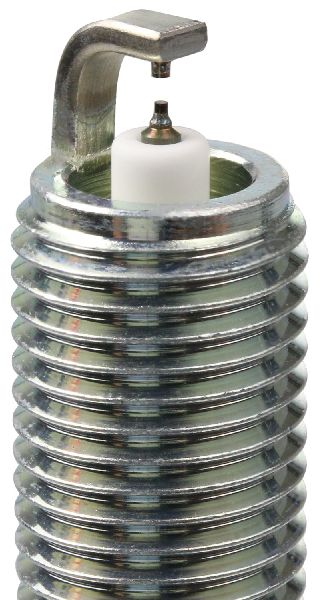
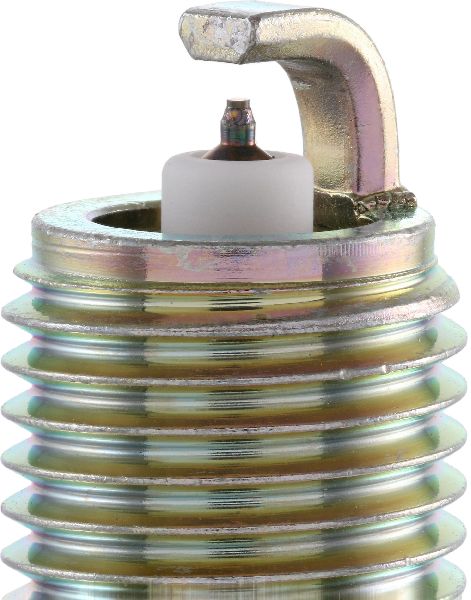
Aftermarket price range: $50-$100 - Spark Plug
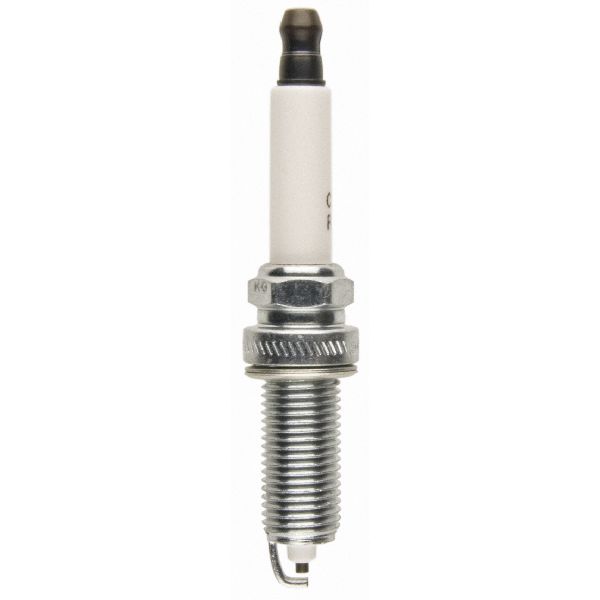
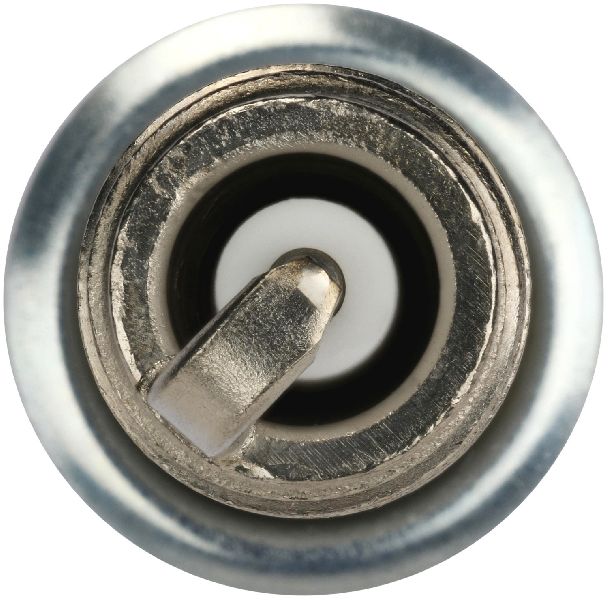
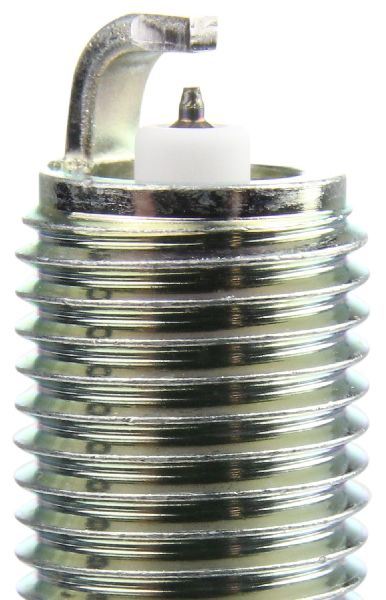
(OEM #PE5R-18-110A)— A worn or fouled spark plug is the second most common cause and is a standard maintenance item. This part number supersedes several others including PE5R-18-110 and PE02-18-110.
Trusted brands: NGK, Denso
OEM price range: $20-$30 per plug
Aftermarket price range: $10-$20 per plug
Related Codes That Often Appear With This One
- P0300 — If the misfire is intermittent or affects multiple cylinders, a P0300 (Random Misfire) code may be stored alongside the cylinder-specific code. This is common with the frozen muffler issue.
- P0301, P0302, P0304 — If the cause (like a vacuum leak, bad fuel, or the frozen muffler issue) affects the whole engine, you may see misfire codes for other cylinders as well.
- P0203 — A TSB indicates that fuel injector circuit codes can be stored at the same time as misfire codes, pointing to a related fault. P0203 corresponds to the cylinder 3 injector circuit. [Bulletin #01-004-17-3317a]
- P0171 — This code for 'System Too Lean' can appear with a misfire code if the underlying cause is a vacuum leak or a fuel delivery problem affecting the air-fuel ratio.
Technical Service Bulletins (TSBs) & Recalls
- 01-007-19-3541: Notes that misfire codes P0300-P0304 can be caused by frozen water in the main silencer.
- 01-006-18-3429: An earlier bulletin with the same information regarding frozen water in the muffler causing misfires.
- 01-004-17-3317a: Connects engine roughness and misfire DTCs (P0301-P0304) with fuel injector circuit open codes (P0201-P0204).
- 01-002-17-3299a: Another early bulletin regarding the frozen muffler issue.
Platform-Specific Known Issues
- Frozen Muffler: Multiple TSBs (#01-007-19-3541, #01-006-18-3429, #01-002-17-3299a) warn that frozen water in the exhaust can create a restriction and cause misfires in cold climates. The fix is a new muffler with drain holes.
- Injector Circuit Faults: TSB #01-004-17-3317a indicates that misfire codes are often stored along with fuel injector circuit codes (P0201-P0204), pointing to potential wiring or injector issues.
- Carbon Buildup: Like many direct-injection engines, the Skyactiv-G can suffer from carbon deposits on the intake valves, which can impede airflow and trigger misfires. This typically occurs at higher mileage (over 75k-100k miles) and requires professional cleaning.
Mechanic-Grade Diagnostic Values
- High-Pressure Fuel Pump Pressure — expected: Can range from 2,000 to 2,900 PSI (200 bar). Failure: Significantly lower pressure than specified, especially under load, can lead to lean misfires.
Scan Tool Commands That Help
- Mazda IDS / FORScan: Misfire Counter / Mode $06 — To monitor live misfire counts per cylinder. This is crucial for confirming the misfire is isolated to cylinder 3 and to verify if a repair (like swapping a coil) has successfully moved the misfire to another cylinder.
- Mazda IDS / FORScan: Power Balance Test — This function deactivates one cylinder at a time and measures the corresponding drop in RPM. A cylinder with a smaller RPM drop is contributing less power, helping to confirm the location of the misfire.
Wiring & Ground Locations
- Cylinder 3 Ignition Coil Connector — On top of the engine, third from the front (radiator side) on the inline 4-cylinder engine.. The connector and its wiring are the primary electrical interface for the ignition coil. Damage, corrosion, or a loose connection here will directly cause a P0303 by preventing the coil from firing correctly.
- Cylinder 3 Fuel Injector Connector — On the fuel rail, typically below the intake manifold runners, corresponding to the third cylinder from the front.. A bad connection at this point will prevent the fuel injector from opening, causing a fuel-related misfire on cylinder 3. This can trigger P0303 and potentially P0203.
Real Owner Repair Stories
- ScannerDanner Forum (2013 Mazda 3 2.0L Skyactiv, 75k miles) — P0303 and sometimes P0300, occurs under high load in cold weather, vehicle enters limp mode.
❌ Tried (didn't work) Replaced spark plugs, Swapped known-good ignition coils, Checked for vacuum leaks, Performed walnut blast on intake valves, Flashed PCM and TCM to latest software
✅ What actually fixed it The issue was a clogged cylinder 3 fuel injector. The resistance of the injector tested within spec, but it was mechanically clogged. - Mazdas247 Forum (2007 Mazda CX-7 2.3L Turbo (similar GDI principles), 121,000 miles) — P0303 code, cylinder 3 had only half the compression pressure of other cylinders.
❌ Tried (didn't work) Replaced all spark plugs, Replaced ignition coil for cylinder 3
✅ What actually fixed it Low compression was caused by failed fuel injector seals on cylinder 3. Replacing the injector seals (and the injector itself as a precaution) restored compression and resolved the P0303 code. - YouTube channel 'Auto Repair 76' (2012 Mazda 3 2.0L Skyactiv) — P0303, rough running.
❌ Tried (didn't work) Replaced spark plugs, Swapped ignition coil from cylinder 3 to cylinder 2 (misfire stayed on cylinder 3)
✅ What actually fixed it The cylinder 3 fuel injector was heavily carbonized and clogged. Cleaning the injector and reinstalling it with new seals resolved the misfire.
When the Usual Fixes Don't Work
- In several documented cases involving the 2.0L Skyactiv engine, the most common fixes for P0303 (ignition coil and spark plug) did not resolve the issue. In one instance, a technician performed a full walnut blast of the intake valves, which also failed to fix the persistent cylinder 3 misfire. The ultimate cause was discovered to be a clogged fuel injector, which was only diagnosed after all ignition and air-path issues were eliminated. Another case with identical symptoms was traced to failed fuel injector seals, which caused low compression in the cylinder—a diagnosis often mistaken for a more severe internal engine problem.
OEM Part Supersession History
PE01-18-100, PE01-18-100A, P51B-18-100→PE20-18-100A— An internal TSB for other Mazda models with the same engine indicated that coils from a specific supplier (YUMEBISHI) were prone to internal failure, prompting a design change. The newer part number represents the modified, more reliable part.
Heads up: While older parts will physically fit, they are known to be less reliable. A Mazda technician on a forum also noted that many aftermarket coils, even if they cross-reference correctly, can cause persistent misfire codes on Skyactiv engines.
Model Year Variations Within This Range
- 2018-2019: The 2018 facelift introduced Mazda's G-Vectoring Control system and a tweaked suspension for improved handling and noise reduction. However, the core 2.0L Skyactiv-G engine and its 146 horsepower rating remained unchanged, so the causes and fixes for P0303 are consistent across the 2016-2019 range.
Helpful Videos
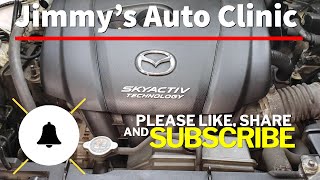

Used OEM Parts in Stock

New Aftermarket Parts Available

The information in this article is provided for general reference and educational purposes only. Vehicle specifications, procedures, and part compatibility can vary by production date, trim level, and region. Always consult your vehicle's factory service manual and verify part numbers before purchasing or performing repairs. Safety-critical components such as airbags, seat belts, and braking systems should be installed by a qualified professional.
- Mazda CX-3:
- 🎬 Helpful Videos
- 🛍️ Shop This Part
- What's Unique About the 2016-2019 Mazda CX-3
- Diagnostic Flowchart
- Symptoms You May Notice
- Most Likely Causes
- Rare But Worth Checking
- Diagnosis Steps
- Parts You'll Likely Need
- Related Codes That Often Appear With This One
- Technical Service Bulletins (TSBs) & Recalls
- Platform-Specific Known Issues
- Mechanic-Grade Diagnostic Values
- Scan Tool Commands That Help
- Wiring & Ground Locations
- Real Owner Repair Stories
- When the Usual Fixes Don't Work
- OEM Part Supersession History
- Model Year Variations Within This Range
- 🎟️ Get 5% Off