

P0303 on 2017-2019 Kia Forte: Cylinder 3 Misfire Causes and Fixes
P0303 on a 2017-2019 Kia Forte most often points to a faulty ignition coil on cylinder 3 or the need for an ECU software update per manufacturer bulletins. Replacing a single coil is a simple DIY fix costing around $40-$75. Cylinder 3 is the third cylinder from the timing belt side (left side of the engine).
- P0303 on a 2017-2019 Forte is a misfire in cylinder 3.
- The most probable causes are a bad ignition coil or an outdated engine computer software, both of which are addressed in official Kia service bulletins.
- A simple DIY diagnostic is to swap the cylinder 3 ignition coil with another cylinder's coil to see if the code follows.
- If hardware fixes don't work, a trip to the dealer for a potential software update is necessary.
- Avoid driving for extended periods with a flashing check engine light to prevent damage to the catalytic converter.
What's Unique About the 2017-2019 Kia FORTE

For this specific generation of Kia Forte with the 2.0L Nu engine, the P0303 code is frequently linked to two well-documented issues addressed by Kia Service Actions (SA). First, Kia issued TSB #TSBENG181_R1 (Service Action SA321) for 2017-2018 models, which involves replacing faulty ignition coils or their internal RFI springs. Second, TSBs like #TSBENG204_R1 (Service Action SA378) for 2019 models call for an ECU software update to improve misfire detection logic. This means the solution for a P0303 code on this car is just as likely to be a specific, targeted software or hardware fix from a TSB as it is a random component failure.
Diagnostic Flowchart

Tap your situation to follow the diagnostic path that matches what you're seeing on this vehicle.
Generation note: This range covers the end of the second generation (YD) Forte (2017-2018) and the start of the third generation (BD) (2019). Both generations primarily use a 2.0L Nu MPI engine, and the manufacturer TSBs for ignition coils and ECU logic apply across these model years, suggesting the issues are common to the powertrain rather than a specific chassis generation.
Symptoms You May Notice
- Rough or shaky idle
- Hesitation or stumbling during acceleration
- Flashing Check Engine Light (especially under load or acceleration)
- Noticeable loss of engine power
- Decreased fuel economy
- Vibrations felt throughout the car, even when in park
- Potential fuel smell from the exhaust
- Replacing only the spark plug when the ignition coil is the actual problem.
- Replacing fuel injectors before confirming the ignition system (coil and plug) is working correctly.
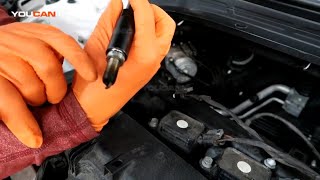
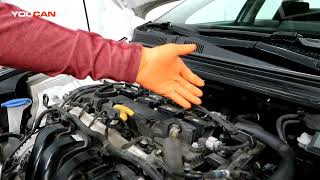
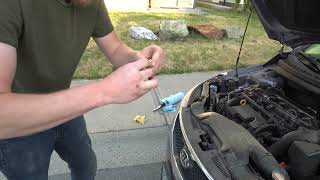
- Replacing hardware components when the actual fix is the ECU software update outlined in Kia's TSBs, especially on a 2019 model. 🎬 See this walkthrough for 2019+ coil and spark plug replacement.
- Mistaking symptoms of a known engine recall (like the oil ring issue on some 2.0L Nu engines) for a simple ignition problem.
Most Likely Causes

- Faulty Ignition Coil 🔴 High Probability Kia issued TSB #TSBENG181_R1 (Service Action SA321) specifically for replacing ignition coils or the coil RFI springs to resolve P030x codes on 2017-2018 models. This indicates a known high failure rate for the original coils.
How to confirm: The easiest way is to swap the ignition coil from cylinder 3 with another cylinder (e.g., cylinder 1). Cylinder 3 is the third from the left (belt side). Clear the codes and drive the car. If the code changes to P0301, the ignition coil is confirmed to be the faulty part.
Typical fix: Replace the faulty ignition coil. Many owners and mechanics recommend replacing all four coils and spark plugs at the same time for preventative maintenance, as the others may fail soon after.
Est. part cost: $40 - $75 for one aftermarket coil - Outdated ECU Software 🔴 High Probability Kia has released multiple TSBs (e.g., #TSBENG204_R1 for 2019 models, #TSBENG165R1 for 2017 models) indicating that the original engine control software can misinterpret data and set false misfire codes.
How to confirm: A Kia dealership or a qualified shop with access to Kia's diagnostic system (KDS) can check your vehicle's software version against the available TSBs to see if an update is required.
Typical fix: The dealership performs a software update on the Engine Control Module (ECM). This is not a DIY repair and is often performed for free under a Service Action.
Est. part cost: $0 - $150 (may be covered under warranty or a service campaign) - Worn or Fouled Spark Plug 🟡 Medium Probability Spark plugs are a standard wear item. While durable, the factory-installed iridium plugs can fail or become fouled, especially if other issues like a leaky valve cover gasket are present. They are a common cause of a single-cylinder misfire.
How to confirm: After ruling out the ignition coil, remove the spark plug from cylinder 3. Inspect it for wear (rounded electrode), carbon fouling, oil, or damage to the porcelain insulator. A wet, fuel-smelling plug indicates it's not firing.
Typical fix: Replace the spark plug in cylinder 3. It is best practice to replace all four spark plugs at the same time to ensure consistent performance. Ensure they are gapped correctly. 🎬 Watch: Step-by-step instructions on how to change your spark plugs.
Est. part cost: $10 - $25 per iridium spark plug - Clogged Fuel Injector ⚪ Low Probability
How to confirm: If the coil and spark plug are good, the fuel injector is a possible culprit. You can test its resistance with a multimeter or listen for a 'clicking' sound with a mechanic's stethoscope to confirm it's activating. Swapping the injector with another cylinder is another diagnostic step, though more labor-intensive.
Typical fix: Replace the faulty fuel injector. Sometimes a professional fuel system cleaning can resolve minor clogs.
Est. part cost: $50 - $120 for one injector
Rare But Worth Checking
- Carbon Buildup on Intake Valves: The 2.0L Nu engine in this Forte is a Multi-Point Injection (MPI) engine, which sprays fuel onto the back of the intake valves, largely preventing the severe carbon buildup seen in Gasoline Direct Injection (GDI) engines. However, over very high mileage, some buildup from the PCV system can still occur and potentially contribute to misfires.
- Vacuum Leak: A leak in a vacuum hose or intake manifold gasket can introduce unmetered air, throwing off the air-fuel ratio and causing misfires. This would typically be accompanied by other codes (like P0171/P0174) or affect multiple cylinders (P0300).
- Low Engine Compression: While rare on its own, internal engine issues like a bad valve, worn piston rings, or a blown head gasket can cause a loss of compression in cylinder 3, leading to a persistent misfire. This is a serious issue that requires a compression test to diagnose. Some Nu engines have been subject to recalls for oil pump issues that could lead to engine damage.
Diagnosis Steps
- Read the trouble codes with an OBD-II scanner to confirm P0303 and check for any other codes.
- Identify cylinder 3. On the 2.0L I4 engine, the cylinders are numbered 1-2-3-4 from left to right (from the timing belt side to the transmission).
- Swap the ignition coil from cylinder 3 to another cylinder (e.g., cylinder 1).
- Clear the codes and test drive the vehicle to see if the Check Engine Light returns.
- Re-scan for codes. If the code is now P0301, the ignition coil is faulty and needs replacement.
- If the code remains P0303, swap the spark plug from cylinder 3 to a different cylinder (e.g., cylinder 2). If the code moves to P0302, the spark plug is the issue.
- If the code remains P0303 after swapping the coil and plug, the issue is likely with the fuel injector or wiring. Check the injector wiring for damage. Consider swapping injectors if you are comfortable with the procedure.
- If all ignition and fuel components for cylinder 3 check out, contact a Kia dealership. Inquire about TSBs for an ECU software update, specifically mentioning TSBENG204_R1 (for 2019) or TSBENG181_R1/SA321 (for 2017-18).
- If the problem persists, a mechanical issue is possible. Perform a compression test on all cylinders to check for low compression in cylinder 3.
Parts You'll Likely Need

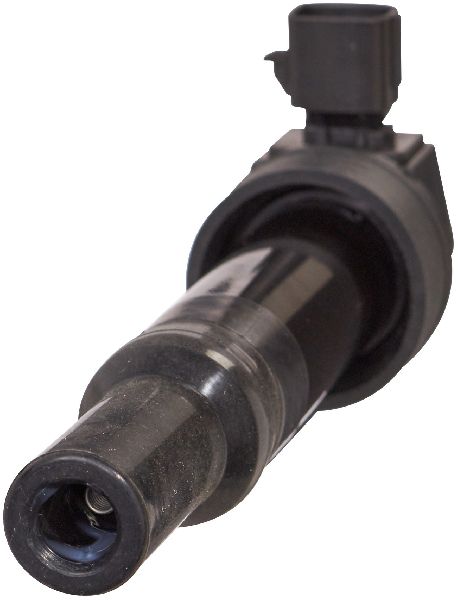
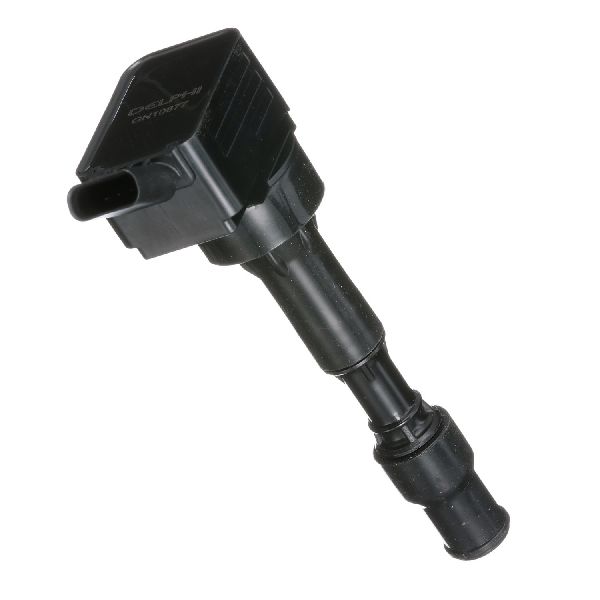
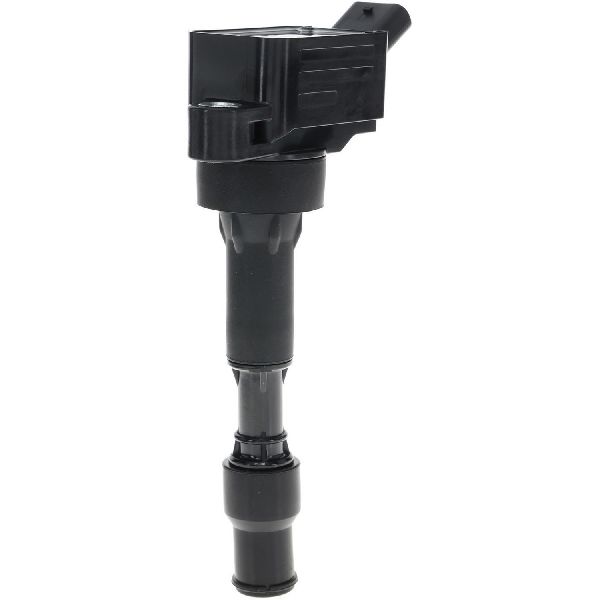
- Ignition Coil
(OEM #27300-2E601 (also listed as 27300-2E000, updated part 27300-2E620))— This is a very common failure item for P0303 on this vehicle, as documented by Kia's own service bulletins (SA321).
Trusted brands: Delphi, NGK, Denso, Mando (OEM supplier)
OEM price range: $70-$100
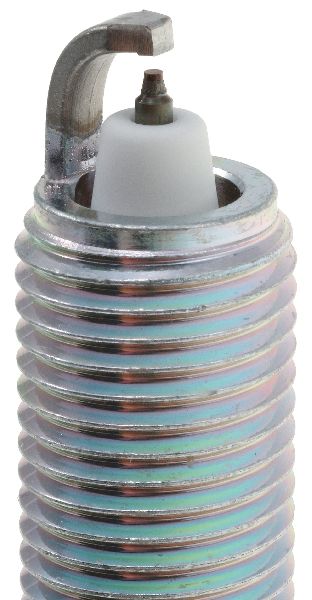
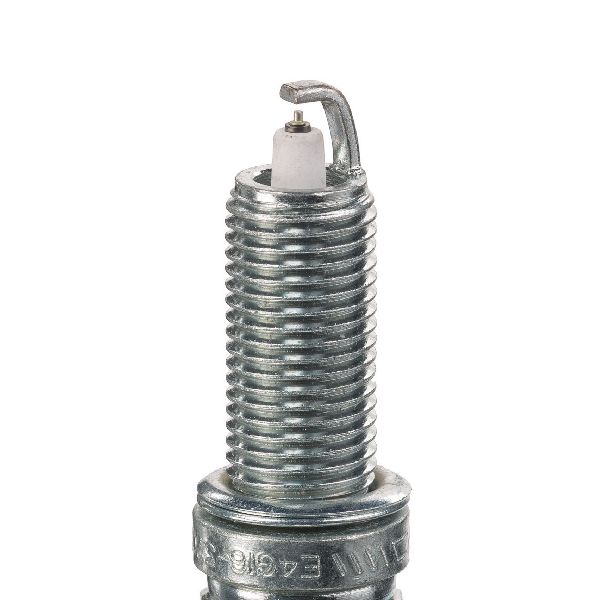
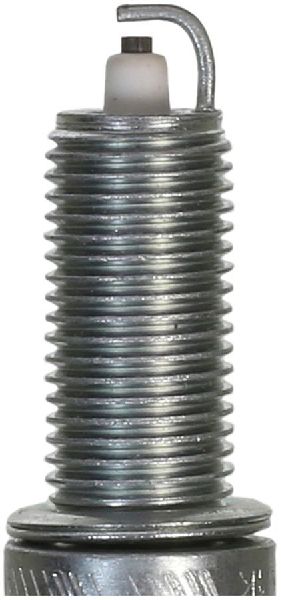
Aftermarket price range: $40-$75 - Iridium Spark Plug
(OEM #18867-09095 (Kia Box), NGK SILZKR7B11, Denso FXU16HR11)— Spark plugs are a routine maintenance item and the second most likely cause of a single-cylinder misfire after the ignition coil. Using the correct OEM-spec plug is important.
Trusted brands: NGK, Denso
OEM price range: $20-$30
Aftermarket price range: $10-$25
Related Codes That Often Appear With This One
- P0300 — If the misfire is intermittent or affects multiple cylinders, a P0300 (Random/Multiple Cylinder Misfire) may appear alongside P0303. This often points to a systemic issue like a vacuum leak, low fuel pressure, or the need for the ECU logic update.
- P0301, P0302, P0304 — If other cylinder-specific misfire codes are present, it points towards a common problem affecting all cylinders. On this platform, it strongly suggests the need for the ECU logic update (per TSBs) or a widespread issue like bad fuel or failing coils.
Technical Service Bulletins (TSBs) & Recalls

- TSBENG181_R1: SERVICE ACTION: IGNITION COIL OR COIL RFI SPRING REPLACEMENT FOR DTC P0300, P0301, P0302, P0303, AND/OR P0304 (SA321)
- TSBENG204_R1: SERVICE ACTION: ECU LOGIC IMPROVEMENT FOR P0300, P0301, P0302, P0303, P0304 AND/OR P219C00, P219D00, P219E00, P219F00 (SA378)
- TSB_ENG208_R2: ECU LOGIC IMPROVEMENT FOR P0300, P0301, P0302, P0303, P0304 AND/OR P219C00, P219D00, P219E00, P219F00
Platform-Specific Known Issues
- TSB #TSBENG181_R1 (Service Action SA321): Applies to 2017-2018 Forte. Advises replacement of all four ignition coils or just the coil RFI springs to correct P030x misfire codes. This is a targeted campaign due to a known hardware defect.
- TSB #TSBENG204_R1 (Service Action SA378): Applies to 2019 Forte. Calls for an update to the Engine Control Module's (ECM) software to improve misfire detection logic and prevent false codes.
- TSB #TSB_ENG208_R2, #TSBENG208_R1, #TSBENG208: These bulletins also call for an update to the Engine Control Module's (ECM) software to improve misfire detection logic and prevent false codes on various 2017+ models with the 2.0L Nu engine.
Mechanic-Grade Diagnostic Values
- Ignition Coil Primary Resistance — expected: 0.75 Ω ± 15% at 20°C (68°F). Failure: A reading significantly outside this range indicates a faulty primary winding.
- Ignition Coil Secondary Resistance — expected: 5.9 kΩ ± 15% at 20°C (68°F). Failure: A reading significantly outside this range indicates a faulty secondary winding.
- Spark Plug Torque — expected: 25 N.m. Failure: Under-torquing can lead to poor heat transfer and sealing; over-torquing can damage the plug or cylinder head.
- Ignition Coil Hold-Down Bolt Torque — expected: 11 N.m. Failure: Incorrect torque can lead to improper seating or damage to the coil.
- Fuel Pressure (MPI System) — expected: ~50-60 PSI. Failure: Low fuel pressure would typically cause multiple/random misfires (P0300) rather than a single cylinder misfire.
Hidden / Shadow Codes Worth Checking
- Mode $06, Test ID $A2-$A7: These Test IDs (TIDs) monitor misfire counts for each cylinder. For a 4-cylinder, TIDs $A2, $A3, $A4, and $A5 typically correspond to cylinders 1, 2, 3, and 4. A high value for TID $A4, even without setting a P0303 code, can indicate an emerging issue with cylinder 3. (see via A professional scan tool with Mode $06 capability. Some advanced consumer tools like BlueDriver or Launch can also display this data.)
Scan Tool Commands That Help
- Kia GDS (Global Diagnostic System) or advanced aftermarket scanner: Power Balance Test / Cylinder Drop Test — This function allows the technician to disable individual cylinders one by one. If disabling cylinder 3 causes no change in engine RPM or sound, while disabling other cylinders causes a noticeable drop, it confirms cylinder 3 is not contributing power. This is a definitive way to verify the misfire location.
Wiring & Ground Locations
- Ignition Coil 3 Connector — Top of the engine, third coil from the timing belt (left) side.. The connector provides power and the trigger signal from the ECU. A wiring diagram shows a Pink wire at pin 2 is the signal wire from the ECU (pin 17 on connector EC11) and a Red wire at pin 4 is the power feed. Damage to these wires or the connector can cause the misfire.
- GC402 — A wiring diagram indicates a ground point labeled GC402 is used by the ignition system.. A loose or corroded ground connection at this point could cause intermittent or weak spark across multiple cylinders, potentially leading to misfire codes.
Real Owner Repair Stories
- Reddit user ShyklaBlysh333 (2018 Kia Forte, 113,000 miles) — P0301 (Cylinder 1 Misfire), rough idle and start, but smooth driving at speed.
❌ Tried (didn't work) Replaced spark plugs, Tried a new ignition coil, Swapped ignition coils between cylinders, Checked fuel injectors, Performed a compression test (readings were good at 160-180 PSI across all cylinders)
✅ What actually fixed it A shop performed a 'hard reset' of the vehicle's computer. The user reported this allowed the computer to recognize the new parts, and the check engine light did not return. - YouTube channel 'Daring Motors' (Kia Forte (year not specified, but similar 2.0L engine)) — Check Engine Light with code P0303.
❌ Tried (didn't work) Initially assumed it could be spark plugs.
✅ What actually fixed it Swapped the ignition coil from cylinder 3 to cylinder 4. The code changed to a P0304 (Cylinder 4 Misfire), confirming the ignition coil was the faulty component. Replacing the bad coil resolved the issue.
OEM Part Supersession History
27300-2E000→27300-2E601— Updated part to address reliability issues and premature failure leading to misfires, as noted in TSB #TSBENG181_R1.
Heads up: The new part number 27300-2E601 is the correct replacement for the 2017-2019 Forte 2.0L Nu engine and is backward compatible.
Model Year Variations Within This Range
- 2017-2018: These model years are primarily affected by faulty ignition coils or RFI springs, as addressed in TSB #TSBENG181_R1 (Service Action SA321). The most probable cause for P0303 is a hardware failure of the coil.
- 2019: This model year is more likely to have the P0303 code set due to overly sensitive ECU logic, as addressed in TSB #TSBENG204_R1 (Service Action SA378). The first step for a dealership would be to check for and apply the required software update before replacing hardware.
Helpful Videos
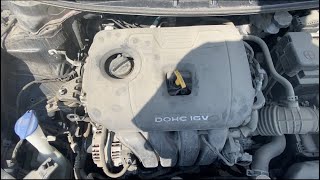
Used OEM Parts in Stock


New Aftermarket Parts Available

The information in this article is provided for general reference and educational purposes only. Vehicle specifications, procedures, and part compatibility can vary by production date, trim level, and region. Always consult your vehicle's factory service manual and verify part numbers before purchasing or performing repairs. Safety-critical components such as airbags, seat belts, and braking systems should be installed by a qualified professional.
- Kia FORTE:
- 🎬 Helpful Videos
- 🛍️ Shop This Part
- What's Unique About the 2017-2019 Kia FORTE
- Diagnostic Flowchart
- Symptoms You May Notice
- Most Likely Causes
- Rare But Worth Checking
- Diagnosis Steps
- Parts You'll Likely Need
- Related Codes That Often Appear With This One
- Technical Service Bulletins (TSBs) & Recalls
- Platform-Specific Known Issues
- Mechanic-Grade Diagnostic Values
- Hidden / Shadow Codes Worth Checking
- Scan Tool Commands That Help
- Wiring & Ground Locations
- Real Owner Repair Stories
- OEM Part Supersession History
- Model Year Variations Within This Range
- 🎟️ Get 5% Off