

P0303 on 2009-2015 Honda Pilot: Cylinder 3 Misfire Causes and Fixes
P0303 on a 2009-2015 Honda Pilot is most often caused by an oil-fouled spark plug in cylinder 3, a known issue related to the VCM system. The typical fix is to replace the spark plugs (around $10-$25 per plug) and consider installing a VCM disabling device to prevent recurrence. If the problem persists, the underlying cause is likely worn piston rings, a costly repair.
- P0303 on a 2009-2015 Pilot is almost always caused by an oil-fouled spark plug in cylinder 3.
- This issue is a well-documented side effect of Honda's Variable Cylinder Management (VCM) system.
- The most common and effective first step is to replace all six spark plugs.
- For a long-term solution to prevent recurrence, installing an aftermarket VCM disabling device is a popular and effective owner strategy.
- If new spark plugs are fouled quickly, the underlying cause is worn piston rings, a very expensive repair covered by a warranty extension for some owners.
What's Unique About the 2009-2015 Honda PILOT

The 2009-2015 Honda Pilot is equipped with a 3.5L V6 engine featuring Variable Cylinder Management (VCM). This system deactivates cylinders 1, 2, 3, and 4 during light-load cruising to improve fuel economy. A widely documented side effect is that the repeated deactivation and reactivation can cause piston rings to become clogged with carbon and align, allowing oil to seep into the combustion chamber. This oil fouls the spark plugs, directly causing misfire codes like P0303. Honda acknowledged this in TSBs and a class-action lawsuit (Soto et al. v. American Honda Motor Co., Inc.) resulted in a warranty extension for this specific problem on some model years.
Diagnostic Flowchart

Tap your situation to follow the diagnostic path that matches what you're seeing on this vehicle.
Symptoms You May Notice
- Check engine light is on or flashing.
- Rough engine idle.
- Vehicle shaking, shuddering, or sputtering, especially under light throttle or when the 'ECO' light is on.
- Hesitation or lack of power during acceleration.
- Reduced fuel economy.
- Noticeable burning oil smell or excessive oil consumption between changes.
- Replacing only the ignition coil without inspecting the spark plug. The plug is the most common failure point on this engine for this code and will show evidence of oil fouling.
- Assuming a major engine failure without first addressing the simple, common causes like spark plugs and coils.
- Replacing fuel injectors before confirming they are faulty. Injector failure is much less common than ignition system or VCM-related issues on this platform.
Most Likely Causes

- Oil-Fouled Spark Plug 🔴 High Probability Honda's VCM system causes oil to seep past the piston rings on deactivated cylinders (1-4), fouling the spark plugs. This is explicitly mentioned in Honda TSBs A26-002 and A13-082. This is the most common failure point for a P0303 code on this engine.
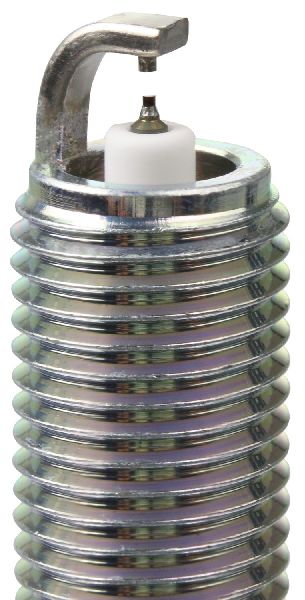
How to confirm: Remove the spark plug from cylinder 3 (rear bank, passenger side). It will likely be black, sooty, and wet with oil. This is a definitive sign of the VCM-related issue.
Typical fix: Replace the fouled spark plug. It is highly recommended to replace all six spark plugs at the same time. To prevent recurrence, many owners install a VCM disabling device like a VCMTuner II or S-VCM Controller, which prevents the cylinders from deactivating.
Est. part cost: $60-$150 for a set of 6 OEM-quality spark plugs. - Faulty Ignition Coil 🟡 Medium Probability While not as common as a fouled plug, ignition coils are a standard wear item. The rear coils, like cylinder 3's, are subjected to more heat, which can shorten their lifespan.
How to confirm: Swap the ignition coil from cylinder 3 with another cylinder (e.g., cylinder 6, which is on the front bank, passenger side). Clear the codes and drive the vehicle. If the code changes to P0306, the ignition coil is bad.
Typical fix: Replace the faulty ignition coil. It is often recommended to replace the corresponding spark plug at the same time.
Est. part cost: $50-$100 for one OEM-quality coil. - Clogged or Faulty Fuel Injector ⚪ Low Probability Honda fuel systems are generally reliable, making this a less common cause. However, injectors can still become clogged or fail electronically over time.
How to confirm: Listen for a consistent clicking sound from the injector with a mechanic's stethoscope. A more advanced test involves checking the injector's resistance with a multimeter or performing a flow test. Swapping the injector with another cylinder is also possible but more labor-intensive than a coil swap.
Typical fix: Clean or replace the fuel injector for cylinder 3. This is a more involved repair due to its location under the intake manifold.
Est. part cost: $70-$150 for one injector.
Rare But Worth Checking
- Worn/Stuck Piston Rings: This is the true root cause of the oil consumption issue that fouls the spark plugs. Honda TSB A13-082 outlines a procedure to clean pistons and replace the rings on affected cylinders if software updates and new plugs don't solve the problem. This is a major, labor-intensive engine repair, with owners reporting dealer quotes ranging from $2,700 to $4,500. If replacing spark plugs only provides a temporary fix, this is the likely culprit.
- Needs Valve Adjustment: Honda J-series engines require periodic valve lash adjustments. Over time, valve clearances can tighten, leading to poor sealing, loss of compression, and misfires. While this typically causes random misfires (P0300), it can sometimes manifest as a single-cylinder misfire. This is a maintenance item that is sometimes overlooked.
- VCM Spool Valve Leak: The VCM system uses a spool valve assembly with gaskets that can leak oil over time. While this doesn't directly cause a misfire in one cylinder, it's a common oil leak source on the J35 engine that can drip onto the alternator and cause other issues. It's a related VCM system component worth inspecting.
Diagnosis Steps
- Read the trouble codes with an OBD-II scanner to confirm P0303 and any other related codes.
- Locate cylinder 3. On the Honda J35 engine, the rear bank of cylinders (closest to the firewall) are cylinders 1-2-3, from the timing belt side (driver's side) to the transmission side (passenger's side). Cylinder 3 is on the rear bank, passenger side. The front bank is 4-5-6.
- Note: Accessing the rear bank cylinders is difficult and requires removal of the plastic intake manifold cover.
- Swap the ignition coil from cylinder 3 with the coil from cylinder 6 (front bank, passenger side). Clear the codes and run the engine to see if the misfire code moves to P0306. If it does, the ignition coil is faulty.
- If the code remains P0303, remove the ignition coil from cylinder 3 again and pull the spark plug. A 5/8" spark plug socket with an extension is required.
- Inspect the spark plug. It will almost certainly be black with carbon and potentially wet with oil. This confirms oil fouling.
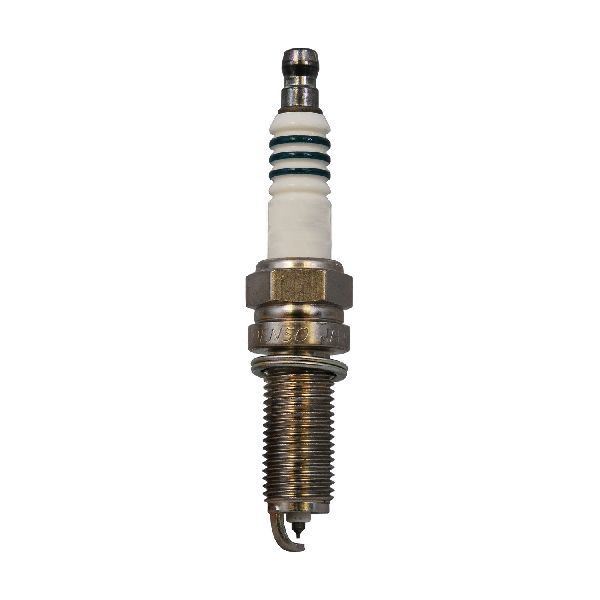
- Replace the spark plug in cylinder 3. It is highly recommended to replace all six plugs. Use OEM-spec NGK (ILZKR7B11) or Denso (SXU22HCR11) Iridium plugs for best results.
- Check for PCM software updates. TSB A13-082 mentions a software update for 2009-2011 models designed to alter VCM engagement logic to reduce the chances of plug fouling. A dealer or equipped independent shop can check this.
- Clear the codes and test drive. This resolves the issue for the vast majority of cases.
- If the misfire returns quickly (within a few hundred or thousand miles), the underlying piston ring issue is confirmed. At this point, the options are to commit to the expensive piston ring replacement or install a VCM disabling device to stop the oil fouling process, which many owners report as a successful long-term workaround.
Parts You'll Likely Need
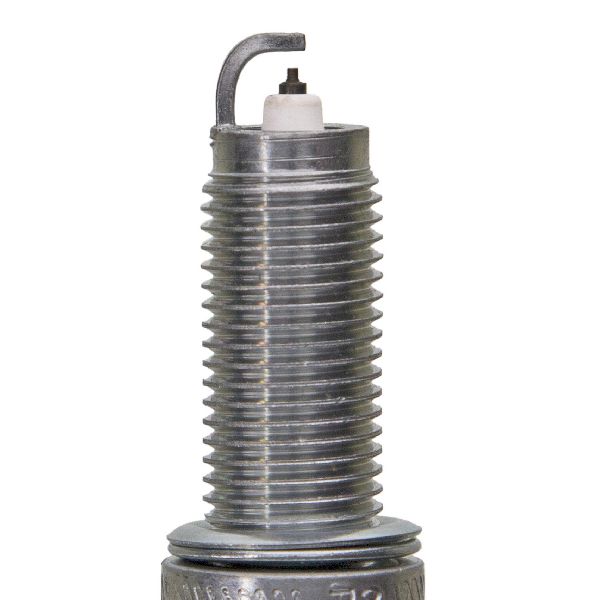
- Spark Plug
(OEM #12290-R70-A01 (superseded by 12290-R70-A02))— This is the most common failure item due to oil fouling from the VCM system, as documented in multiple TSBs and countless owner forums.
Trusted brands: NGK (ILZKR7B11), Denso (SXU22HCR11)
OEM price range: $20-$35
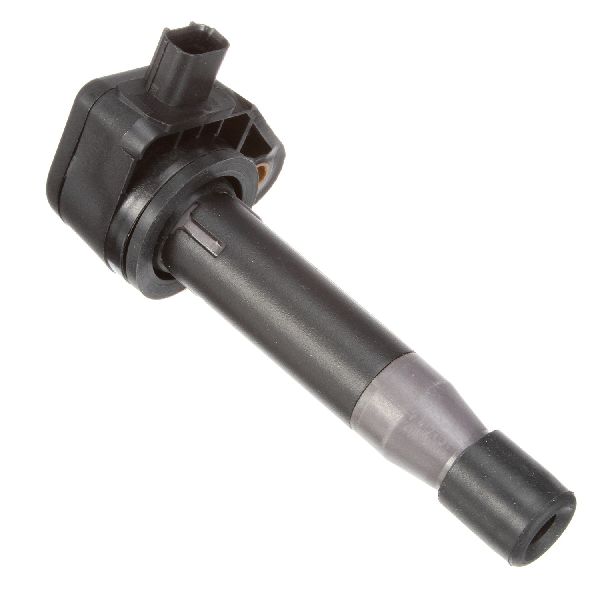
Aftermarket price range: $10-$25 - Ignition Coil
(OEM #30520-RN0-A01)— The second most likely cause after the spark plug. Heat and age can cause the coil to fail, preventing a proper spark.
Trusted brands: Hitachi, Denso, NGK
OEM price range: $70-$100
Aftermarket price range: $40-$75 - VCM Disabler/Muzzler — An aftermarket device to prevent the VCM-related oil consumption and plug fouling from recurring. It's a preventative measure, not a direct fix for the code itself, but addresses the root cause.
Trusted brands: VCMTuner II, S-VCM Controller
OEM price range: N/A
Aftermarket price range: $100-$150
Related Codes That Often Appear With This One
- P0300 — If the misfire is intermittent or affects multiple cylinders, a P0300 (Random/Multiple Cylinder Misfire) may be stored alongside P0303.
- P0301, P0302, P0304 — These codes indicate misfires in other VCM-affected cylinders (1, 2, and 4). Honda TSBs A13-082 and A26-002 group these codes together as they share the same root cause of VCM-induced spark plug fouling.
Technical Service Bulletins (TSBs) & Recalls
- A26-002: Notes that spark plug carbon fouling can cause DTCs P0301, P0302, P0303, and P0304.
- A13-082: A major TSB that explains the root cause: piston rings on cylinders 1-4 may rotate and align, leading to spark plug fouling. It outlines a two-stage repair: for 2009-11 models, first update the PCM software and replace plugs. If the issue returns, or for 2012-13 models immediately, the procedure is to clean the pistons and replace the piston rings. This TSB was part of the class-action lawsuit settlement and warranty extension.
Platform-Specific Known Issues

- Variable Cylinder Management (VCM) and Oil Consumption: The primary issue for this platform. The VCM system deactivates cylinders 1, 2, and 3 to save fuel. This process can cause the piston rings in those cylinders to become stuck with carbon, allowing oil to enter the combustion chamber. This fouls the spark plugs and triggers misfire codes. Honda issued TSB A13-082 which acknowledges that piston rings can align and lead to spark plug fouling. A class-action lawsuit (Soto et al. v. American Honda Motor Co., Inc.) was settled, which extended the powertrain warranty for some ow
Mechanic-Grade Diagnostic Values
- Ignition Coil Primary Winding Resistance — expected: 0.49 - 0.57 ohms at 68°F (20°C). Failure: A reading outside this range indicates a faulty primary coil winding.
- Ignition Coil Secondary Winding Resistance — expected: 9.5 - 11.1 kilohms. Failure: An 'OL' (overload/open) reading or a value outside this range indicates a faulty secondary coil.
- Fuel Pressure — expected: This vehicle does not have a standard Schrader valve for testing. A special adapter (Honda P/N 07AAJ-S6MA150) is required to tap into the fuel feed line near the firewall.. Failure: While a specific pressure value is not easily obtained, a complete lack of fuel flow when cranking would indicate a pump issue.
- Scan Tool Live Data - Misfire Counters — expected: A healthy engine should show zero or very few counts on all cylinders at idle and under load.. Failure: On a scan tool, the counter for 'Cylinder 3 Misfire' will rapidly increase compared to other cylinders, confirming the misfire is localized to cylinder 3.
- Scan Tool Live Data - Misfire Thresholds (Type A/B) — expected: Honda's PCM uses two misfire counters. Type A is for severe misfires that can damage the catalytic converter (e.g., 30-90 misfires per 200 revolutions), which triggers a flashing CEL. Type B is for less severe misfires (e.g., 35-40 per 1000 revolutions), which triggers a solid CEL.. Failure: Observing which counter is accumulating (or both) can indicate the severity of the misfire.
Scan Tool Commands That Help
- Honda Diagnostic System (HDS): Misfire Data Stream — To view live misfire counts for each individual cylinder. This is the most direct way to confirm which cylinder is misfiring in real-time, even if the check engine light is not currently on but there are intermittent symptoms.
- Honda Diagnostic System (HDS): CKP Pattern Clear — After a repair for a misfire, the 'CKP Pattern Clear' function should be used. This erases the learned crankshaft position sensor pattern, which can be affected by misfires. A 'CKP Pattern Learn' procedure must be performed afterward.
Wiring & Ground Locations
- G101 — Top front of the engine.. This is a primary engine ground. A poor connection here can cause various running issues, including erratic sensor readings that could potentially contribute to misfire detection problems.
- G202 — Right side of the engine compartment.. This ground is located in the vicinity of the PCM and other critical engine electronics. Ensuring it is clean and tight is crucial for stable ignition system performance.
- Cylinder 3 Ignition Coil Connector — Rear bank (closest to firewall), passenger side of the engine.. This is the direct electrical connection for the ignition coil on the faulting cylinder. The terminals should be inspected for corrosion or damage, and the wiring harness checked for chafing, especially given its difficult-to-access location.
Real Owner Repair Stories
- Reddit user on r/MechanicAdvice (2013 Honda Pilot) — Persistent P0303 misfire.
❌ Tried (didn't work) Replaced the ignition coil for cylinder 3.
✅ What actually fixed it The user was quoted $4,500 by a dealership for a piston ring replacement due to oil fouling the spark plugs. The underlying issue was confirmed to be the VCM system causing oil consumption, which ultimately requires the piston rings to be replaced for a permanent fix. Many owners in the thread opt for replacing the fouled plugs and installing a VCM disabler as a more affordable, though not manufacturer-approved, long-term solution. - YouTube video by 'BigDog50001' (2012 Honda Pilot 3.5L V6) — Flashing check engine light, P0303 code.
❌ Tried (didn't work) Swapped ignition coil from cylinder 3 to cylinder 4; the misfire code did not move, ruling out the coil.
✅ What actually fixed it The technician swapped the spark plug from cylinder 3 to cylinder 4. The misfire code followed the plug, changing to P0304. This confirmed the spark plug was the immediate cause. The video shows all plugs from VCM cylinders (1-4) were heavily fouled with oil, while 5 and 6 were normal. Replacing all six spark plugs resolved the misfire. - Piloteers.org forum user (2011 Honda Pilot) — P0303, rough idle.
❌ Tried (didn't work) Replacing just the spark plug in cylinder 3 provided only a temporary fix; the code returned.
✅ What actually fixed it The owner installed an S-VCM Controller to disable the Variable Cylinder Management system. After installation, they replaced the spark plugs again. The user reported that this combination permanently solved the recurring P0303 code by stopping the oil-fouling process at its source. Many users in the thread reported similar long-term success with VCM disablers.
OEM Part Supersession History
12290-R70-A01→12290-R70-A02— Standard part revision by the manufacturer.
Heads up: The parts are interchangeable. 12290-R70-A01 is the NGK plug ILZKR7B11 specified for the vehicle.30520-RN0-A01→30520-RN0-S01— Standard part revision by the manufacturer.
Heads up: The parts are interchangeable. 30520-RN0-A01 is the specified ignition coil for the 2009-2015 Pilot.
Model Year Variations Within This Range
- 2009-2015: These models use the 'VCM-2' system, which can deactivate cylinders in a 6-4-3 cylinder pattern (V6, V4, or V3 operation). This version is known to be the most problematic and is the direct cause of the TSBs and class-action lawsuit related to spark plug fouling on cylinders 1-4.
- 2009-2011: Honda TSB A13-082 specifically mentions a PCM software update available for these earlier model years. The update is intended to change the VCM activation logic to reduce the likelihood of piston ring carbon buildup and subsequent spark plug fouling.
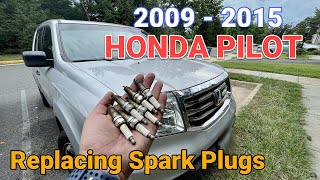
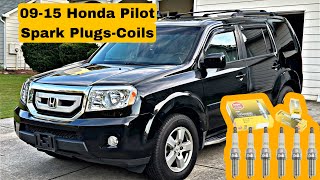
Helpful Videos
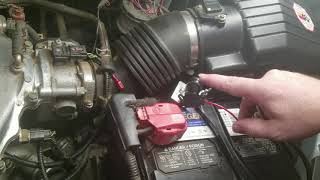
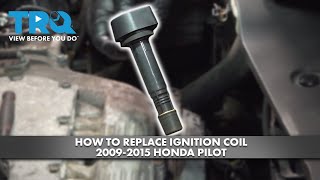
Used OEM Parts in Stock
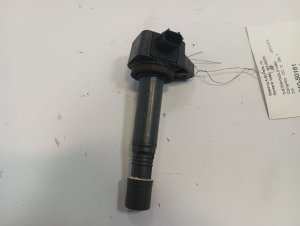
New Aftermarket Parts Available
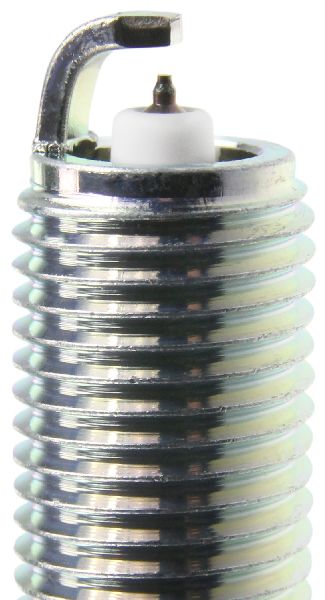

The information in this article is provided for general reference and educational purposes only. Vehicle specifications, procedures, and part compatibility can vary by production date, trim level, and region. Always consult your vehicle's factory service manual and verify part numbers before purchasing or performing repairs. Safety-critical components such as airbags, seat belts, and braking systems should be installed by a qualified professional.
- Honda PILOT:
- 🎬 Helpful Videos
- 🛍️ Shop This Part
- What's Unique About the 2009-2015 Honda PILOT
- Diagnostic Flowchart
- Symptoms You May Notice
- Most Likely Causes
- Rare But Worth Checking
- Diagnosis Steps
- Parts You'll Likely Need
- Related Codes That Often Appear With This One
- Technical Service Bulletins (TSBs) & Recalls
- Platform-Specific Known Issues
- Mechanic-Grade Diagnostic Values
- Scan Tool Commands That Help
- Wiring & Ground Locations
- Real Owner Repair Stories
- OEM Part Supersession History
- Model Year Variations Within This Range
- 🎟️ Get 5% Off