

P0303 on 2016-2017 Honda Odyssey: Cylinder 3 Misfire Causes and Fixes
P0303 on a 2016-2017 Odyssey almost always means the spark plug in cylinder #3 is fouled with oil. This is a known issue caused by the VCM (Variable Cylinder Management) system. The most common fix is replacing all six spark plugs (~$60-120 in parts), but the problem will likely return without addressing the root cause. Many owners install a VCM disabling device as a long-term solution to prevent recurring misfires.
- P0303 on your 2016-2017 Odyssey is very likely caused by an oil-fouled spark plug in cylinder 3.
- The root cause is the vehicle's VCM system, which is a known issue for this engine.
- A quick diagnostic test is to swap the ignition coil from cylinder 3 to another cylinder and see if the code follows.
- The immediate fix is to replace the spark plugs. For a long-term solution, consider an aftermarket VCM disabling device.
- If the check engine light is flashing, stop driving as soon as safely possible to avoid damaging the catalytic converter.
What's Unique About the 2016-2017 Honda ODYSSEY

The 3.5L V6 engine (J35 series) in the 2016-2017 Odyssey uses a fuel-saving technology called Variable Cylinder Management (VCM). VCM deactivates cylinders—including the rear bank containing cylinder 3—under light driving conditions. A widely recognized side effect of this system is that it can allow oil to seep past the piston rings on the deactivated cylinders, which then fouls the spark plugs and causes misfires like P0303. This issue is so common that Honda has issued TSBs (like 13-081 for earlier models) and faced a class-action lawsuit that resulted in warranty extensions for related repairs on certain model years.
Diagnostic Flowchart

Tap your situation to follow the diagnostic path that matches what you're seeing on this vehicle.
Symptoms You May Notice
- Flashing or solid Check Engine Light.
- Engine shuddering, shaking, or vibrating, especially during acceleration or at idle.
- Rough or erratic idle.
- Noticeable loss of engine power and poor acceleration.
- Reduced fuel economy.
- A smell of unburned gasoline from the exhaust.
- Replacing only the ignition coil without checking the spark plug. The plug is the most common failure point on this vehicle for P0303.
- Assuming the engine needs an immediate, expensive piston ring job without first trying new spark plugs and installing a VCM disabler, which often resolves the issue for a fraction of the cost.
Most Likely Causes

- Fouled Spark Plug in Cylinder 3 🔴 High Probability The VCM system allows oil to contaminate the spark plug, causing it to fail prematurely. This is confirmed by Honda TSBs like #A26-001 and #13-081 which state that aligned piston rings can lead to spark plug fouling and misfire DTCs P0301-P0304. An NHTSA complaint (ODI #11405911) also confirms this, stating 'I CHANGED OUT THE SPARK PLUG WHICH WAS VERY FOULED...AND THIS FIXED IT FOR A FEW WE[EKS]'.
How to confirm: Remove the spark plug from cylinder 3 (rear bank, driver's side). Inspect it for black, oily, or sooty deposits. Compare it to a plug from a non-VCM cylinder like #5 or #6, which will likely appear much cleaner.
Typical fix: Replace all six spark plugs. Using OEM-spec NGK or Denso iridium plugs is highly recommended as a first step.
Est. part cost: $60-$120 - Faulty Ignition Coil 🟡 Medium Probability While less common than fouled plugs for this specific code, ignition coils are a standard wear item that can fail over time.
How to confirm: Swap the ignition coil from cylinder 3 with another cylinder 🎬 Watch: Step-by-step diagnosis for a Cylinder 3 misfire. (e.g., cylinder 4, which is on the front bank and easier to access). Clear the codes and drive. If the code changes to P0304, the ignition coil is bad.
Typical fix: Replace the faulty ignition coil. It is often recommended to replace them all if they are original and high-mileage.
Est. part cost: $40-$80 per coil - Clogged or Faulty Fuel Injector ⚪ Low Probability Honda fuel systems are generally reliable, making this a less likely cause compared to ignition components.
How to confirm: This is more difficult for a DIYer. It involves swapping injectors between cylinders or using a professional scan tool to monitor fuel trims per cylinder. A professional diagnosis is often required.
Typical fix: Clean or replace the fuel injector for cylinder 3.
Est. part cost: $50-$150
Rare But Worth Checking
- Worn or Stuck Piston Rings: This is the underlying mechanical cause of the recurring spark plug fouling. While replacing the plugs fixes the immediate misfire, the problem will likely return. Honda TSB 13-081 addresses this by calling for piston ring replacement, a very expensive job estimated between $2,000 and $4,500. Many owners opt to install a VCM disabler (e.g., VCMTuner II, S-VCM) as a more practical long-term solution to halt the oil consumption and prevent further ring wear.
Diagnosis Steps
- Check for other stored codes with an OBD-II scanner.
- If the Check Engine Light is flashing, avoid driving to prevent catalytic converter damage.
- Locate cylinder 3 (rear bank, closest to the driver's side) and cylinder 4 (front bank, closest to the driver's side).
- Swap the ignition coil from cylinder 3 with cylinder 4.
- Clear the codes and test drive the vehicle.
- If the code returns as P0304, the ignition coil is faulty and needs replacement.
- If the code returns as P0303, the problem is almost certainly the spark plug.
- Remove and inspect the spark plug from cylinder 3. Look for heavy oil or carbon fouling. It will likely be visibly darker and more contaminated than plugs from cylinders 5 or 6.
- If the plug is fouled, replace all six spark plugs with high-quality OEM-spec Iridium plugs (e.g., NGK or Denso).
- For a long-term fix, install a VCM disabling device. This is a simple installation that plugs into the engine coolant temperature sensor harness and prevents the VCM from activating. 🎬 Watch: How to install a VCM muzzler to prevent fouling.
- If new plugs and a VCM disabler do not resolve the misfire, the issue may be a fuel injector or, more seriously, a compression issue related to damaged piston rings or tight valves, which requires professional diagnosis.
Parts You'll Likely Need

- Iridium Spark Plugs (Set of 6)
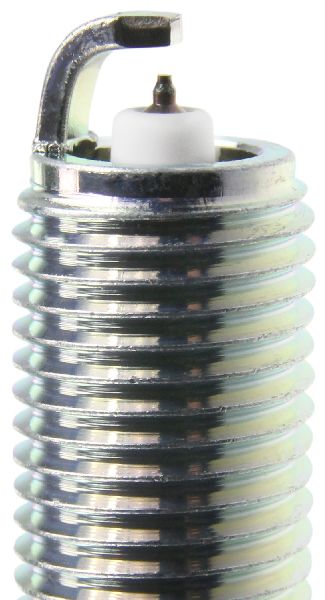
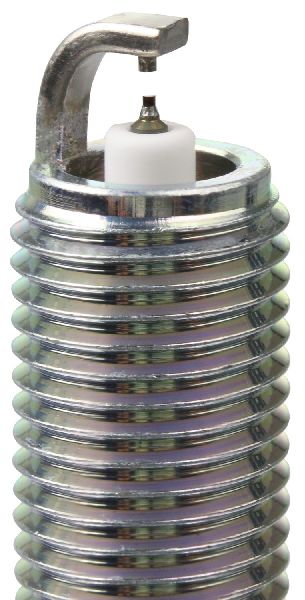
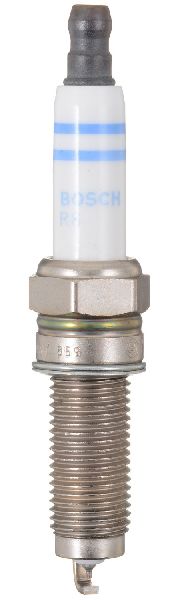
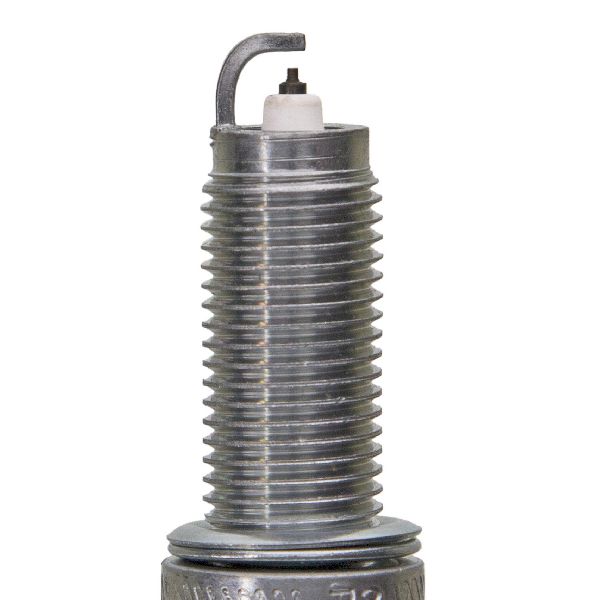
(OEM #12290-R70-A01)— This is the most frequent failure item for a P0303 code on this vehicle due to the VCM system fouling the plugs with oil.
Trusted brands: NGK (e.g., 90074 Laser Iridium), Denso
OEM price range: $15-$25 per plug
Aftermarket price range: $10-$20 per plug - Ignition Coil
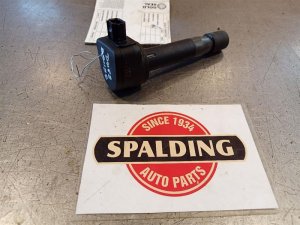
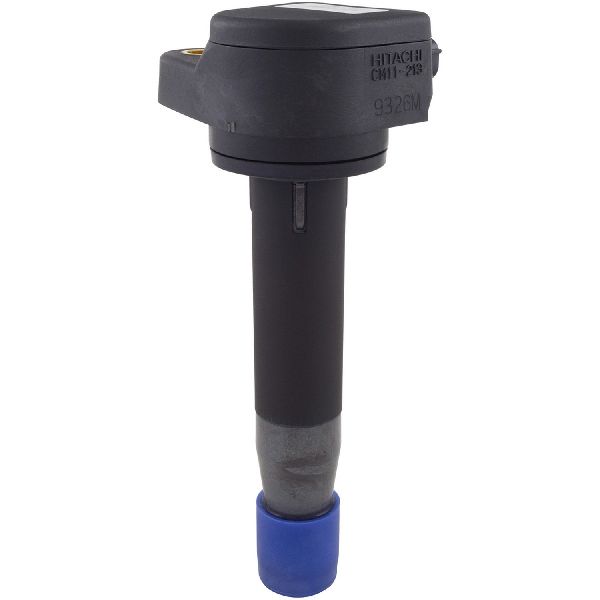
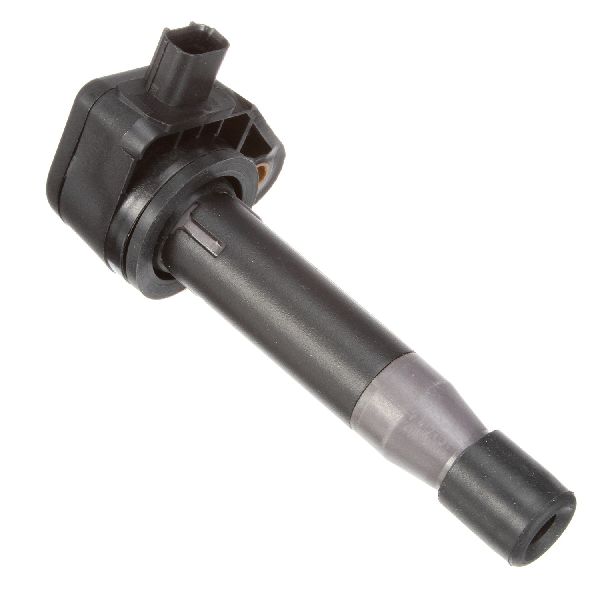
(OEM #30520-R70-A01)— The second most likely cause if a new spark plug doesn't resolve the issue. It's a common wear item that can be easily diagnosed by swapping cylinders.
Trusted brands: Denso, Bosch, NGK
OEM price range: $80-$120
Aftermarket price range: $40-$80 - VCM Disabler / Muzzler — An aftermarket device highly recommended by the owner community to prevent the root cause of recurring P0303 codes. It works by tricking the ECU into thinking the engine isn't at full operating temperature, thus keeping all 6 cylinders active.
Trusted brands: VCMTuner II, S-VCM Controller
OEM price range: N/A
Aftermarket price range: $90-$140
Related Codes That Often Appear With This One
- P0300 — If the misfire becomes more widespread or intermittent across multiple cylinders, a P0300 (Random Misfire) may be triggered.
- P0301, P0302, P0304 — The VCM issue often affects the entire bank of cylinders it deactivates (1, 2, and 3), and sometimes cylinder 4 as well. It's common to see misfire codes for these other cylinders appear alongside P0303, as noted in TSBs A26-001 and 13-081.
- P3400 / P3497 — These codes indicate a problem with the VCM system itself (VPS Stuck Off Bank 1 / Bank 2). They can appear if the oil pressure switches that control VCM are malfunctioning, which is related to the overall VCM problem.
Technical Service Bulletins (TSBs) & Recalls
- A26-001: Notes that misfire codes P0301-P0304 can be caused by spark plugs leading to carbon fouling.
- 13-081: Details the warranty extension for 2011-13 models for misfires P0301-P0304 due to piston rings rotating and causing spark plug fouling. This TSB confirms the mechanism of failure that also affects 2016-17 models.
Platform-Specific Known Issues
- Variable Cylinder Management (VCM) System: This is the root cause of most P0303 codes on this vehicle. It deactivates cylinders 1-3 (and sometimes 4) to save fuel, but this leads to oil consumption and spark plug fouling. An NHTSA complaint (ODI #11721452) mentions this flaw was also recognized in earlier models with VCM.
- Piston Ring Failure: Honda TSB #13-081 for 2011-2013 models directly links misfire codes P0301-P0304 to spark plug fouling caused by rotating piston rings. While the 2016-2017 models were not officially covered by the resulting class-action lawsuit warranty extension, they use a similar VCM system and suffer the same failure mode.
- Oil-Fouled Spark Plugs: Multiple NHTSA owner complaints confirm that oil-fouled plugs are a recurring problem. One owner (ODI #11698536) noted that while the dealer confirmed the P0303 misfire, they didn't clarify the root cause, which was later found to be oil-fouled plugs. Another owner (ODI #11405911) stated they replaced a 'very fouled' plug which only fixed the issue temporarily.
Mechanic-Grade Diagnostic Values
- Fuel Pressure — expected: 380-430 kPa (55-63 psi). Failure: Pressure significantly above or below this range indicates a problem with the fuel pump or pressure regulator.
- Ignition Coil Resistance (Secondary) — expected: 9.5 - 11.1 kΩ. Failure: A reading outside of this range, like 18 kΩ, indicates a faulty coil.
- Ignition Coil Resistance (Pin-to-Pin) — expected: Roughly consistent across all coils (e.g., ~1725 Ohms). Failure: A coil with a significantly higher resistance (e.g., over 100 Ohms more than the others) is suspect, even if the misfire doesn't follow the coil when swapped.
- Fuel Injector Resistance — expected: 10 - 18 Ohms. Failure: A reading outside this range, or an open/shorted reading, indicates a failed injector.
Hidden / Shadow Codes Worth Checking
- Mode $06 Misfire Counter: This is not a DTC, but a function of the OBD-II system that tracks misfire events per cylinder before they are frequent enough to set a trouble code. A technician can view these counts to confirm an intermittent misfire on a specific cylinder. (see via A professional scan tool that can access Mode $06 data. The misfire counts for each cylinder will be listed under a specific Test ID (TID) and Component ID (CID). A high count on cylinder 3 relative to others confirms the problem location.)
Scan Tool Commands That Help
- Honda HDS (Honda Diagnostic System): CKP Pattern Clear — This command should be used after repairing a misfire condition or replacing a crankshaft position (CKP) sensor. It erases the learned crankshaft pattern from the PCM, forcing it to relearn, which is critical for accurate misfire detection.
- Honda HDS (Honda Diagnostic System): On-Board Snapshot — This function allows a technician to view the engine conditions (RPM, load, temperature, etc.) that were present at the exact moment the first misfire was detected. This can provide valuable clues to the root cause.
Wiring & Ground Locations
- G101 — On the front of the right cylinder head.. This is a primary engine ground point. While a poor ground typically causes multiple, random issues, a corroded or loose G101 could potentially contribute to erratic behavior in the ignition system it supports.
- Negative Battery Cable — Connects the battery negative terminal to the chassis. The OEM part number for 2014-2017 models is 32600-TK8-A10.. The entire electrical system relies on a solid ground path back to the battery. A faulty main ground cable can cause a host of electrical problems, including misfires.
Real Owner Repair Stories
- CarComplaints.com user David B. (2016 Honda Odyssey Touring Elite) — Engine misfire and shudder, P0303 code.
❌ Tried (didn't work) Cleaning and swapping spark plugs provided a temporary fix, but the misfire returned.
✅ What actually fixed it The problem was only permanently resolved after the vehicle was serviced by Honda under a Technical Service Bulletin (TSB) related to the known VCM issue. - BobIsTheOilGuy.com forum user 'Passport1' (2016 Honda Odyssey, 82k miles) — P0303 code, known oil consumption.
❌ Tried (didn't work) The user was seeking advice before starting repairs, trying to avoid a temporary fix.
✅ What actually fixed it The clear consensus and recommended fix from the community was to first replace all spark plugs and immediately install an aftermarket VCM disabling device ('VCMuzzler') to prevent the oil fouling from recurring.
OEM Part Supersession History
30520-R70-A01→30520-R70-S01— Standard part revision by the manufacturer.
Heads up: The new part number (30520-R70-S01) is the correct replacement for the original. Using the old part number may result in receiving older stock.
Model Year Variations Within This Range
- 2016-2017: There are no significant mechanical or electronic differences between the 2016 and 2017 Honda Odyssey models concerning the J35 engine, VCM system, or the causes of a P0303 code. Both model years use the same engine and are susceptible to the same VCM-related issues.
Helpful Videos
Used OEM Parts in Stock
New Aftermarket Parts Available

The information in this article is provided for general reference and educational purposes only. Vehicle specifications, procedures, and part compatibility can vary by production date, trim level, and region. Always consult your vehicle's factory service manual and verify part numbers before purchasing or performing repairs. Safety-critical components such as airbags, seat belts, and braking systems should be installed by a qualified professional.
- Honda ODYSSEY:
- 🎬 Helpful Videos
- 🛍️ Shop This Part
- What's Unique About the 2016-2017 Honda ODYSSEY
- Diagnostic Flowchart
- Symptoms You May Notice
- Most Likely Causes
- Rare But Worth Checking
- Diagnosis Steps
- Parts You'll Likely Need
- Related Codes That Often Appear With This One
- Technical Service Bulletins (TSBs) & Recalls
- Platform-Specific Known Issues
- Mechanic-Grade Diagnostic Values
- Hidden / Shadow Codes Worth Checking
- Scan Tool Commands That Help
- Wiring & Ground Locations
- Real Owner Repair Stories
- OEM Part Supersession History
- Model Year Variations Within This Range
- 🎟️ Get 5% Off