

P0303 on 2010-2013 GMC Yukon Denali: Cylinder 3 Misfire Causes and Fixes
Code P0303 on a 2010-2013 GMC Yukon Denali indicates a misfire in cylinder 3. The most common causes are a bad spark plug, ignition coil, or spark plug wire. However, on this specific vehicle, a failed Active Fuel Management (AFM) lifter is a significant and more serious possibility that requires immediate attention, often signaled by a distinct ticking noise.
- P0303 signifies a misfire on cylinder 3.
- Always start your diagnosis with the simple, common culprits: the spark plug, ignition coil, and spark plug wire for cylinder 3.
- Be aware that on this specific vehicle, a failed Active Fuel Management (AFM) lifter is a very real and common cause of this code, which is a much more serious repair.
- A persistent ticking noise accompanying the misfire is a strong clue that the problem is a failed lifter.
- Do not ignore a flashing check engine light, as it indicates a severe misfire that could quickly damage your catalytic converter.
What's Unique About the 2010-2013 Gmc YUKON DENALI
The 2010-2013 GMC Yukon Denali, typically equipped with the 6.2L V8 engine (L94), has two well-documented issues that can cause a P0303 misfire. First, a manufacturer Technical Service Bulletin (TSB PIP4819A) points directly to loose spark plug wires as a potential cause. [⭐ MANUFACTURER TSB — highest authority, 6] More critically, these engines feature an Active Fuel Management (AFM) system, which is known for lifter failures. A collapsed or stuck AFM lifter can cause a persistent misfire, often accompanied by a ticking noise, and can lead to significant engine damage if not addressed. This is a widely discussed failure among owners on forums.
Diagnostic Flowchart
Tap your situation to follow the diagnostic path that matches what you're seeing on this vehicle.
Symptoms You May Notice
- Flashing or solid Check Engine Light
- Rough or shaky idle
- Engine hesitation or stumbling during acceleration
- Noticeable loss of power
- A ticking or tapping sound from the engine bay, often at half the speed of the engine's RPM, indicating a potential valvetrain/lifter issue
- Reduced fuel economy
- Fuel smell from the exhaust
- Immediately replacing the fuel injector without first testing the spark plug and ignition coil.
- Replacing ignition components repeatedly when the actual root cause is a mechanical failure like a collapsed AFM lifter. This leads to wasted time and money before the correct, more expensive repair is identified.
Most Likely Causes
- Faulty Spark Plug 🔴 High Probability
How to confirm: Visually inspect the spark plug for cylinder 3. Look for wear, damage, or heavy carbon/oil fouling. A wet or sooty plug indicates it's not firing. Swap the plug with another cylinder (e.g., cylinder 1) and see if the misfire code changes to P0301.
Typical fix: Replace the spark plug. It is recommended to replace all spark plugs at the same time for even performance.
Est. part cost: $5-$20 per plug - Bad Ignition Coil 🔴 High Probability
How to confirm: Swap the ignition coil from cylinder 3 with another cylinder (e.g., cylinder 1). Clear the codes and run the engine. If the code changes to P0301, the coil is faulty. This is a common and effective DIY diagnostic step.
Typical fix: Replace the faulty ignition coil.
Est. part cost: $40-$100 - Loose or Damaged Spark Plug Wire 🔴 High Probability A specific TSB (PIP4819A) was issued for these models, citing loose spark plug wires as a cause for misfires. This should be one of the first checks.
How to confirm: Inspect the spark plug wire for cylinder 3. Ensure it is securely connected at both the coil and the spark plug. Check for any signs of damage, arcing (white marks), or corrosion.
Typical fix: Replace the spark plug wire if it is loose, damaged, or shows signs of arcing. [⭐ MANUFACTURER TSB — highest authority]
Est. part cost: $10-$30 for a single wire, $50-$150 for a set - Failed Active Fuel Management (AFM) Lifter 🟡 Medium Probability The V8 engines in these trucks use AFM to save fuel by deactivating cylinders. The specialized lifters are a known failure point, leading to collapsed or stuck lifters. This is a very common and well-documented issue across the GM truck/SUV lineup, with TSBs like 19-NA-219 addressing it.
How to confirm: A distinct ticking or tapping noise from the upper engine is a strong indicator. A compression test will show low compression on cylinder 3 (e.g., 100 psi vs. a healthy 180+ psi on other cylinders). A leak-down test may also show significant leakage. Final confirmation requires removing the valve cover to observe valve movement.
Typical fix: This is a major repair that involves removing the cylinder head to replace the faulty lifter(s), lifter guides, and often the camshaft due to damage from the failed lifter. Many owners and shops opt to install an AFM-delete kit at this time to permanently prevent future failures. 🎬 Watch a full walkthrough of the AFM lifter replacement process. This involves replacing the AFM lifters with standard lifters, replacing the camshaft, and reprogramming the ECU.
Est. part cost: $500-$2000+ (Repair kits range from lifters only to full delete kits with a new camshaft) - Clogged or Faulty Fuel Injector ⚪ Low Probability
How to confirm: You can use a mechanic's stethoscope or a long screwdriver to listen for the injector's clicking sound. If it's silent or sounds different from others, it may be faulty. Swapping injectors between cylinders is another diagnostic step, though more involved than swapping coils or plugs.
Typical fix: Replace the fuel injector for cylinder 3.
Est. part cost: $50-$150
Rare But Worth Checking
- Low Engine Compression: If ignition and fuel systems are confirmed to be working, a compression test is the next step. Low compression can be caused by a bad head gasket, worn piston rings, or valve train issues, including the AFM lifter failure mentioned above. In some cases, a broken valve spring can also be the culprit.
- Faulty Valve Lifter Oil Manifold (VLOM): The VLOM directs oil pressure to activate and deactivate the AFM lifters. A fault in the manifold or its solenoids can lead to lifter failure. TSBs suggest testing the VLOM if a lifter issue is suspected.
Diagnosis Steps
- Read the code with an OBD-II scanner to confirm P0303 and check for any other codes, like P0300.
- Listen for a persistent ticking noise from the engine, which strongly suggests a lifter issue.
- Inspect the spark plug wire for cylinder 3 for a secure fit and any visible damage, as noted in TSB PIP4819A. [⭐ MANUFACTURER TSB — highest authority, 6]
- Swap the ignition coil from cylinder 3 with an adjacent cylinder (like cylinder 1). Clear the codes and run the engine. If the code changes to P0301, the ignition coil is bad.
- If the misfire remains on cylinder 3, perform the same swap test with the spark plug.
- If the misfire still persists, inspect the fuel injector. Listen for its operation and consider swapping it with another cylinder if accessible.
- If ignition and fuel are ruled out, perform an engine compression test on cylinder 3. A significantly lower reading (e.g., under 120 psi when others are 180+ psi) points to a mechanical issue.
- If compression is low, this is very likely a failed AFM lifter on this engine. Professional diagnosis is recommended to confirm before undertaking a significant repair involving cylinder head removal.
Parts You'll Likely Need
- Spark Plug
(OEM #ACDelco 41-110)— Spark plugs are a routine maintenance item and the most common starting point for any misfire diagnosis.
Trusted brands: ACDelco, NGK
OEM price range: $10-$15
Aftermarket price range: $5-$12 - Ignition Coil
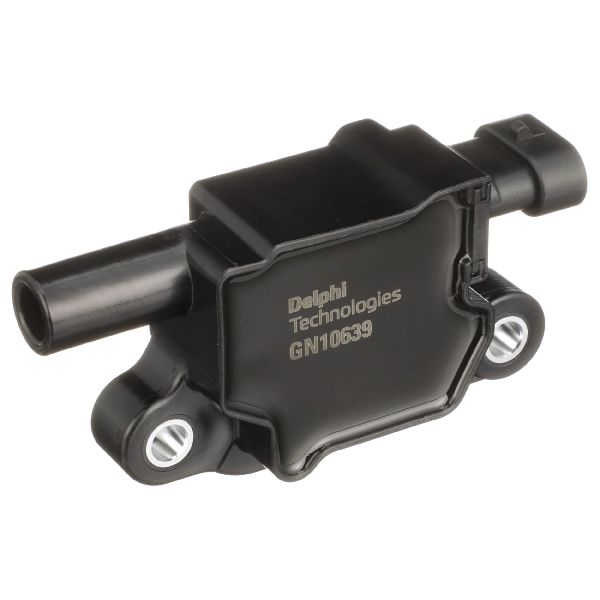
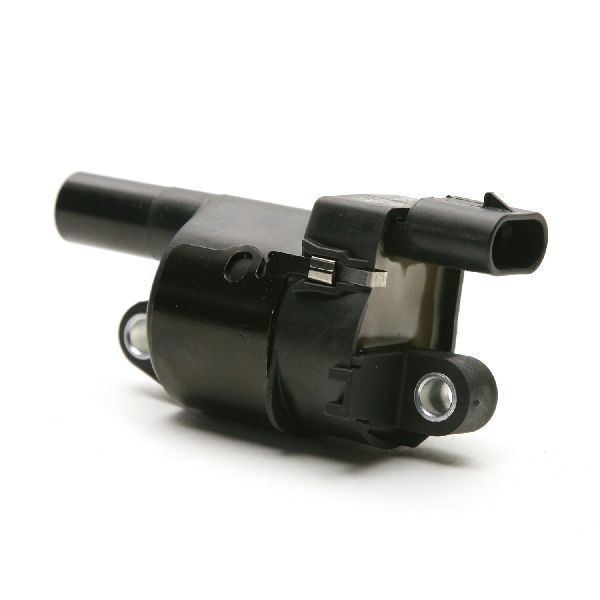
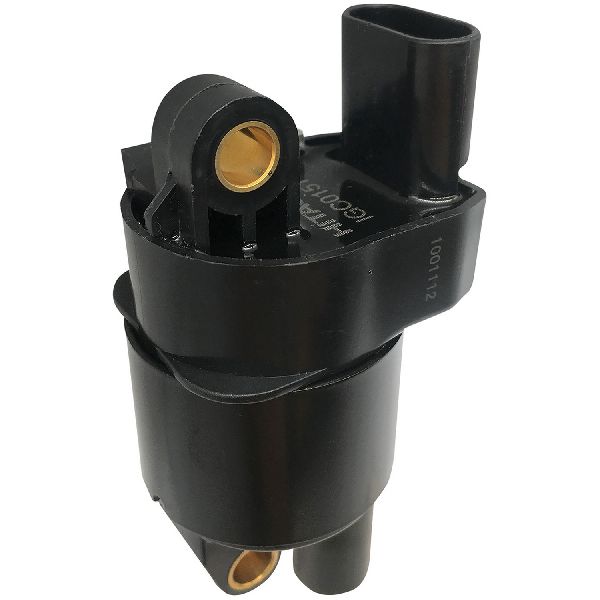
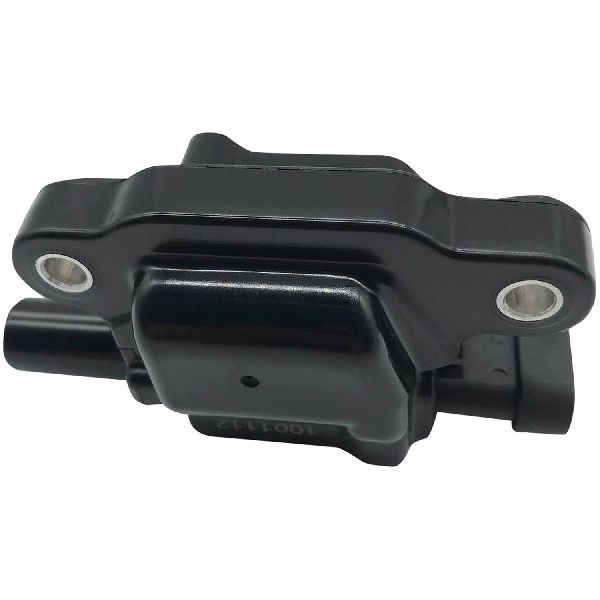
(OEM #ACDelco D510C)— Ignition coils are a frequent cause of single-cylinder misfires and are easy to diagnose by swapping their position.
Trusted brands: ACDelco, Delphi, Denso
OEM price range: $60-$90
Aftermarket price range: $40-$70 - Spark Plug Wire Set
(OEM #ACDelco 9748RR)— A GM Technical Service Bulletin specifically calls out loose spark plug wires as a cause for this code on this vehicle. [⭐ MANUFACTURER TSB — highest authority, 6]
Trusted brands: ACDelco, NGK
OEM price range: $70-$120
Aftermarket price range: $50-$90 - AFM Valve Lifter Kit
(OEM #GM 12698946 (single lifter))— If the misfire is caused by the known AFM system failure, replacing the lifters is required. This is a complex job and often done with an AFM delete kit.
Trusted brands: ACDelco, Melling, Michigan Motorsports, Texas Speed
OEM price range: $200-$400 (lifters only)
Aftermarket price range: $150-$2000+ (Lifter kits to full delete kits)
Related Codes That Often Appear With This One
- P0300 — If the underlying issue, such as a failing AFM system or low fuel pressure, starts to affect other cylinders, a P0300 (Random/Multiple Cylinder Misfire) code may appear alongside P0303. TSBs regarding AFM failures often reference P0300 directly.
Technical Service Bulletins (TSBs) & Recalls
- PIP4819A: Addresses engine misfires (P0300-P0308) and advises technicians to inspect for and replace any loose spark plug wires.
- 15-06-01-002 (series F, K, etc.): Addresses engine misfire/tick noise (P0300) caused by a mechanically collapsed or stuck AFM lifter. It provides diagnostic guidance and repair procedures, including replacing the lifters and potentially the camshaft if damaged.
Platform-Specific Known Issues
- Active Fuel Management (AFM) Lifter Failure: These engines are known for issues where the special lifters used by the AFM system can collapse or get stuck, causing a misfire. This is a common cause for P030x codes on these V8s and is a much more serious repair than typical ignition problems. TSBs like 19-NA-219 directly address this.
Mechanic-Grade Diagnostic Values
- Fuel Injector Resistance (Flex Fuel L94) — expected: 11 to 14 ohms. Failure: A reading outside this range indicates a faulty internal coil in the injector.
- Valve Lifter Oil Manifold (VLOM) Solenoid Resistance — expected: 11 to 18 ohms. Failure: Readings outside this range suggest a faulty solenoid within the VLOM, which controls the AFM lifters.
- Ignition Coil Primary Resistance — expected: 0.500 ohms. Failure: Significant deviation points to a failing coil.
- Spark Plug Wire Resistance — expected: 4,000-20,000 ohms (less than 30,000 ohms). Failure: A reading over 30,000 ohms indicates excessive resistance or a break in the wire.
- Engine Fuel Pressure (Key On, Engine Off) — expected: 48-54 psi (for Flex Fuel models). Failure: Pressure below this range can indicate a weak fuel pump, potentially causing a lean misfire.
Scan Tool Commands That Help
- GDS2 / Tech2: Misfire Counter / Misfire Graphic — To view real-time misfire data for each specific cylinder. This is crucial for confirming the misfire is isolated to cylinder 3 and isn't randomly jumping to other cylinders, which would suggest a different root cause than a component specific to cylinder 3.
- GDS2 / Tech2: Cylinder Deactivation (AFM) System Test — When an AFM lifter failure is suspected. This function allows a technician to command the AFM solenoids on and off to check for response. A lack of change or an inability to activate/deactivate can help diagnose a faulty VLOM or lifter.
Wiring & Ground Locations
- G104 — Located on the left rear of the engine block.. This is a primary engine block ground. A poor connection here can cause a variety of sensor and actuator issues, including problems with the ignition system.
- G105 — Located on the lower left front of the engine block.. Another critical engine ground. Intermittent or poor grounding at this point can lead to erratic behavior from the ECM and ignition system, potentially causing misfires.
- Cylinder 3 Location — Front cylinder on the driver's side of the engine (Bank 2).. Correctly identifying cylinder 3 is the first step. The cylinder numbering on this V8 is 1-3-5-7 on the driver's side (front to back) and 2-4-6-8 on the passenger's side.
Real Owner Repair Stories
- Tahoe Yukon Forum user (2008 Yukon, 214,000 miles) — P0303 code, rough idle at cold start.
❌ Tried (didn't work) Swapping spark plug between cylinders 3 and 5., Swapping spark plug wire between cylinders 3 and 7., Swapping ignition coil between cylinders 3 and 1.
✅ What actually fixed it The root cause was internal engine failure. A compression test showed cylinder 3 at 100 psi versus 180 psi on cylinder 1. A subsequent leak-down test revealed 82% leakage, with air escaping through both the intake and exhaust, pointing to a severe valve train or piston ring issue, likely a failed lifter which is common on these engines.
OEM Part Supersession History
12570616, 12611424→ACDelco D510C— Standard part evolution and consolidation for the square-style ignition coil.
Heads up: This is the correct square-shaped coil for this application. Some GM trucks used a different round 'Melco-Mitsubishi' style coil; they are not interchangeable.12571595, 12639516, 12680871→12698946, now 12740071— Multiple revisions to the AFM/DOD hydraulic roller lifter to improve reliability and address high failure rates.
Heads up: While technically interchangeable, it is critical to replace all lifters on an affected bank, or preferably all 16, and use new lifter guides. Mixing old and new designs is not recommended.
Model Year Variations Within This Range
- 2010-2013: These model years specifically use the 6.2L L94 V8 engine, which includes Active Fuel Management (AFM). This makes them susceptible to the common AFM lifter failures. Earlier (pre-2010) 6.2L engines like the L92 did not have AFM, and are therefore not prone to this specific, common cause of misfires.
Helpful Videos
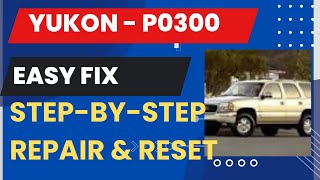
Used OEM Parts in Stock
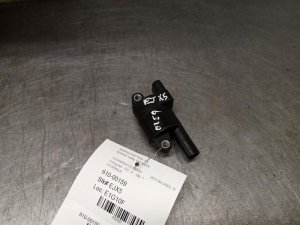

New Aftermarket Parts Available


The information in this article is provided for general reference and educational purposes only. Vehicle specifications, procedures, and part compatibility can vary by production date, trim level, and region. Always consult your vehicle's factory service manual and verify part numbers before purchasing or performing repairs. Safety-critical components such as airbags, seat belts, and braking systems should be installed by a qualified professional.
- Gmc YUKON DENALI:
- 🎬 Helpful Videos
- 🛍️ Shop This Part
- What's Unique About the 2010-2013 Gmc YUKON DENALI
- Diagnostic Flowchart
- Symptoms You May Notice
- Most Likely Causes
- Rare But Worth Checking
- Diagnosis Steps
- Parts You'll Likely Need
- Related Codes That Often Appear With This One
- Technical Service Bulletins (TSBs) & Recalls
- Platform-Specific Known Issues
- Mechanic-Grade Diagnostic Values
- Scan Tool Commands That Help
- Wiring & Ground Locations
- Real Owner Repair Stories
- OEM Part Supersession History
- Model Year Variations Within This Range
- 🎟️ Get 5% Off