

P0303 on 2011-2018 Ford F-150: Cylinder 3 Misfire Causes and Fixes
P0303 on a 2011-2018 Ford F-150 means cylinder 3 is misfiring. The most common fix is replacing the spark plug and ignition coil for that cylinder. This is a relatively simple DIY job costing between $40 and $100 for parts. In many cases, the issue is a worn spark plug or a failed coil-on-plug (COP) unit.
- P0303 means your F-150 has a misfire in cylinder 3.
- The most likely cause is a bad ignition coil or a worn spark plug, which are affordable and easy to replace.
- A simple diagnostic is to swap the coil and/or spark plug from cylinder 3 to another cylinder to see if the misfire code follows.
- Do not ignore a flashing check engine light, as it signals an active misfire that could damage your catalytic converter.
- Be aware of engine-specific issues: carbon buildup on early 3.5L EcoBoosts, oil consumption on some 2.7L EcoBoosts, and VCT solenoids on the 5.0L V8 can also cause this code.
What's Unique About the 2011-2018 Ford F-150

The 2011-2018 F-150 spans two generations and multiple engines, each with unique tendencies for a P0303 code. First-generation 3.5L EcoBoost engines (up to 2014) are known for carbon buildup on intake valves, which can cause misfires. Some 5.0L V8 engines can experience issues with Variable Camshaft Timing (VCT) solenoids, leading to rough idling and misfire codes. Additionally, certain 2.7L EcoBoost models have a TSB for excessive oil consumption due to cylinder head valve guide issues, which can foul spark plugs and cause misfires like P0303. [TSB 19-2384, TSB 18-2237] The EcoBoost engines, due to their direct injection and turbocharging, can also be harder on spark plugs, sometimes requiring a shorter change interval than naturally aspirated engines.
Diagnostic Flowchart

Tap your situation to follow the diagnostic path that matches what you're seeing on this vehicle.
Generation note: This range covers the 12th generation (2011-2014) and the 13th generation (2015-2018) F-150. While the fundamental causes of a misfire are the same, engine-specific issues like carbon buildup on early 3.5L EcoBoosts or oil consumption on some 2.7L EcoBoosts are generation/engine dependent. The specific OEM part numbers for ignition components also vary by engine and model year. The 5.0L V8 also saw a significant update in 2018 (Gen 3), adding dual-injection (port and direct), which differs from the port-only injection of the 2011-2017 models.
Symptoms You May Notice
- Rough or shaking idle
- Hesitation or shuddering during acceleration, especially under load like towing.
- Flashing Check Engine Light (especially during the misfire event).
- Noticeable loss of engine power.
- Reduced fuel economy.
- Engine stalling at stops.
- A sloshing water sound from the engine area has been reported by some owners, though it may be unrelated.
- Replacing only the spark plug when the ignition coil is also bad (or vice-versa).
- Assuming a major engine problem before swapping the coil and plug to rule out simple ignition issues.
- Replacing a fuel injector before confirming it's the faulty component, as it's a more expensive and labor-intensive job.
Most Likely Causes

- Worn or Fouled Spark Plug 🔴 High Probability EcoBoost engines, in particular, are harder on spark plugs due to turbocharging and direct injection. The recommended service interval should be followed closely. Sometimes the porcelain insulator can crack, causing a misfire.
How to confirm: Remove the spark plug from cylinder 3 and inspect it. Look for a cracked insulator, heavy carbon deposits, oil fouling, wetness from fuel, or a worn-out electrode. A very clean plug might indicate a coolant leak in that cylinder.
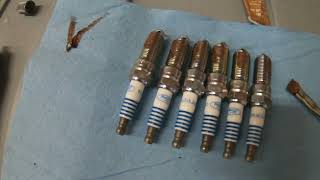
Typical fix: Replace the spark plug. It is highly recommended to replace all spark plugs at the same time to ensure even performance. Use of dielectric grease on the inside of the coil boot is recommended to seal out moisture.
Est. part cost: $5-$20 per plug - Failed Ignition Coil (Coil-on-Plug) 🔴 High Probability Heat cycles in the engine bay can cause the epoxy on ignition coils to crack over time, allowing moisture in and leading to failure. Aftermarket coils have been reported by some owners to have a shorter lifespan than OEM Motorcraft parts.
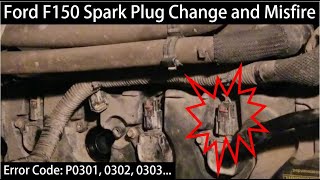
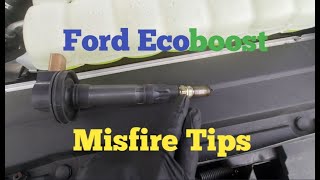
How to confirm: Swap the ignition coil from cylinder 3 with an adjacent cylinder (e.g., cylinder 2 or 4). Clear the codes and drive the vehicle. If the code changes to P0302 or P0304, the coil is bad. This is the most common and effective DIY diagnostic step. 🎬 See these expert troubleshooting tips for diagnosing EcoBoost misfire codes.
Typical fix: Replace the faulty ignition coil. 🎬 Watch: Step-by-step coil and plug replacement on a 3.5L EcoBoost. It's a simple, single-bolt replacement. Ensure the electrical connector 'clicks' securely into place.
Est. part cost: $30-$75 - Clogged Fuel Injector 🟡 Medium Probability On direct injection engines like the EcoBoost, injectors are exposed to high temperatures and pressures inside the combustion chamber, making them susceptible to clogging over time. A stuck-open injector can dump excess fuel, causing a misfire and potentially damaging the catalytic converter.
How to confirm: This is more difficult for a DIYer. A professional can perform a fuel injector balance test. A simpler, though less definitive, method is to swap the injector with another cylinder and see if the misfire follows, similar to the coil swap test. This is a much more involved job than swapping a coil.
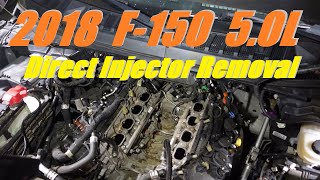
Typical fix: Replace the faulty fuel injector. 🎬 Watch: How to swap a fuel injector on the 5.0L V8. This is a more involved job, especially on direct injection engines, and can cost several hundred dollars at a shop.
Est. part cost: $50-$150
Rare But Worth Checking
- Internal Engine Issues (Low Compression): Mentioned in TSBs #TSB 19-2384 and #TSB 18-2237 for some 2016-2017 2.7L EcoBoost engines, this can be due to worn valve guides causing oil consumption and misfires. [TSB 19-2384, TSB 18-2237] The prescribed fix is a cylinder head replacement, which is a major and expensive repair.
- Intake Valve Carbon Buildup (EcoBoost): Primarily affects 1st-gen (2011-2014) 3.5L EcoBoost engines. Since they are direct-injection only, fuel doesn't wash over the intake valves, allowing carbon to build up and restrict airflow, causing misfires. This often requires professional cleaning (e.g., walnut blasting).
- Faulty VCT Solenoid: On the 5.0L V8, a sticking Variable Camshaft Timing (VCT) solenoid can cause incorrect valve timing, leading to a rough idle, stalling, and misfire codes. This may be accompanied by other codes related to camshaft position.
- Damaged Ignition Coil Wiring/Connector: The plastic locking tabs on ignition coil connectors can become brittle and break, leading to a poor connection that can cause an intermittent misfire. Check the connector for a secure fit and inspect the wiring for any signs of damage.
Diagnosis Steps
- Read the code with an OBD-II scanner to confirm P0303.
- Identify cylinder 3. On V6 engines (2.7L, 3.5L), it's the rear-most cylinder on the passenger side (right bank). On the 5.0L V8, it's the third cylinder back on the passenger side.
- Swap the ignition coil from cylinder 3 with another cylinder (e.g., cylinder 4). Clear the codes and run the engine. If the code changes to P0304, the ignition coil is the problem. This is the most conclusive first step.
- If the code remains P0303, inspect the spark plug. Pull the plug from cylinder 3 and look for cracks in the porcelain, excessive wear, or fouling. You can also swap the plug with another cylinder to see if the misfire follows.
- Inspect the ignition coil connector and wiring for any damage, corrosion, or a loose fit. The locking tabs can become brittle.
- If ignition components are good, the next likely cause is the fuel injector. This is more complex to test and may require a professional.
- If the vehicle is a 2.7L EcoBoost with symptoms of oil consumption or blue smoke, refer to TSB 19-2384 as a potential cause. [TSB 19-2384]
Parts You'll Likely Need
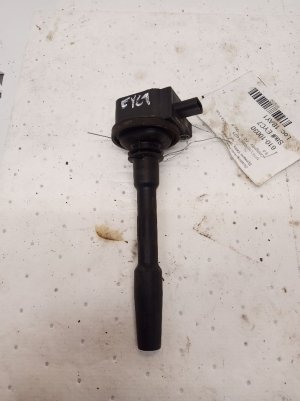
- Ignition Coil
(OEM #BL3Z-12029-C (for 3.5L EcoBoost, supersedes BL3Z-12029-A/B), DG-561 (for 2016-2017 5.0L V8))— This is one of the most common failure points for a single-cylinder misfire. Heat and vibration cause them to fail over time.
Trusted brands: Motorcraft, NGK, Denso
OEM price range: $50-$75
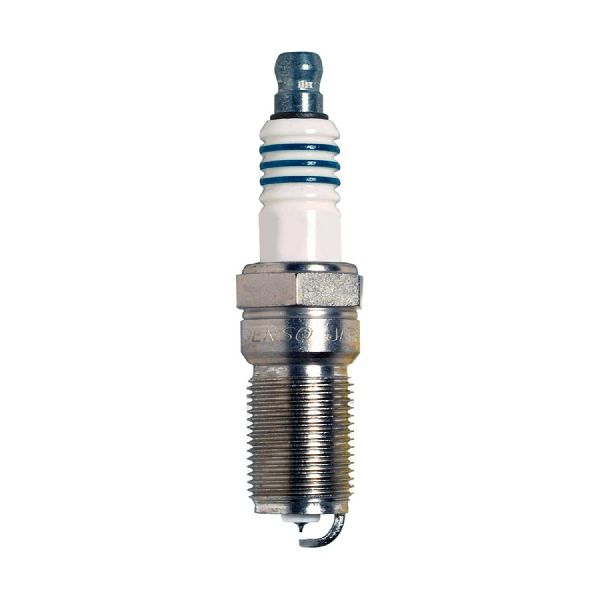
Aftermarket price range: $30-$60 - Spark Plug
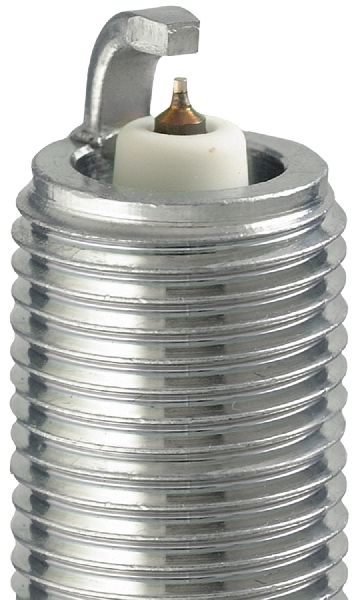
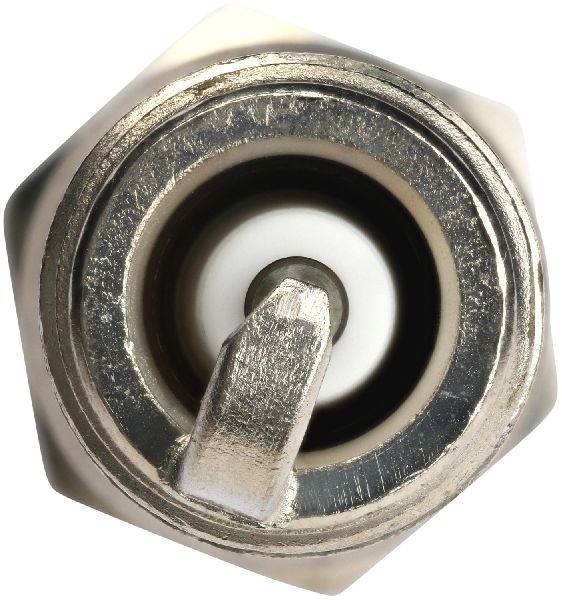
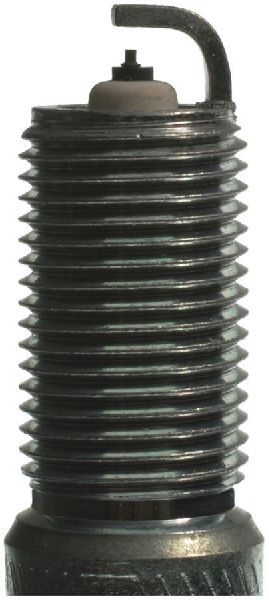
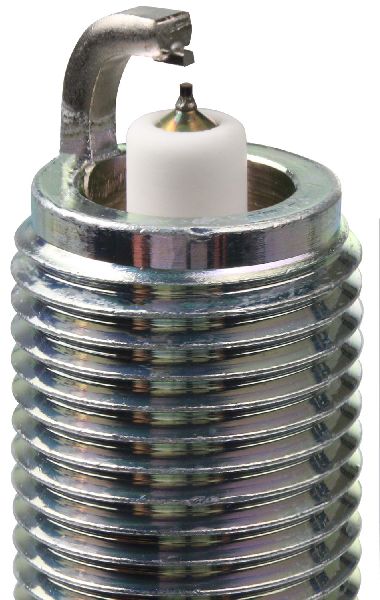
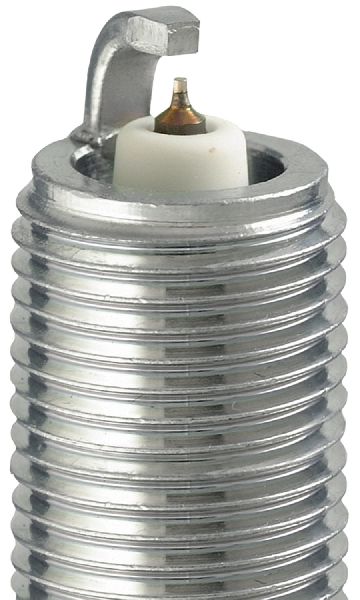
(OEM #SP-580 (also SP-534, for 3.5L EcoBoost), SP-594 (for some 2.7L/3.5L))— Spark plugs are a routine maintenance item and the primary wear part in the ignition system. A fouled or worn plug is a very common cause of P0303.
Trusted brands: Motorcraft, NGK, Champion
OEM price range: $10-$20
Aftermarket price range: $5-$15
Related Codes That Often Appear With This One
- P0300 — If the misfire is intermittent or affects multiple cylinders, a P0300 (Random/Multiple Cylinder Misfire) may accompany P0303.
- P0316 — This code indicates a misfire was detected within the first 1,000 engine revolutions on startup. It often appears with specific cylinder misfire codes like P0303. [TSB18-2058, TSB 19-2384]
Technical Service Bulletins (TSBs) & Recalls
- TSB 19-2384: 2.7L EcoBoost - Oil Consumption, Rough Idle, Misfire With Or Without Blue Exhaust Smoke
- TSB 18-2237: Superseded by 19-2384, related to oil consumption and misfires on 2.7L EcoBoost.
- TSB 18-2058: MIL illuminated with various DTCs including P0303 but no drivability concerns.
- TSB-14-0160: Misfire DTCs on GTDI (EcoBoost) engines.
Platform-Specific Known Issues
- TSB 19-2384 / 18-2237: Some 2016-2017 F-150s with the 2.7L EcoBoost (built from April 2016 - Jan 2017) may exhibit excessive oil consumption, rough idle, and misfire codes (including P0303) due to cylinder head valve guide issues. The fix involves replacing both cylinder heads. [TSB 19-2384, TSB 18-2237]
- TSB-14-0160: Notes that GTDI (EcoBoost) engines may store misfire codes P0300-P0306, pointing to issues specific to these direct-injection, turbocharged platforms. [TSB-14-0160]
- TSB 18-2058: Mentions that various misfire codes, including P0303, can be stored in the PCM without any noticeable drivability concerns, suggesting a potential software or sensor anomaly in some cases. [TSB18-2058]
Mechanic-Grade Diagnostic Values
- Ignition Coil Primary Resistance (COP) — expected: 0.3 to 1.0 ohms. Failure: A reading outside this range indicates a faulty coil winding.
- Ignition Coil Secondary Resistance (COP) — expected: 5,400 to 11,500 ohms (5.4kΩ - 11.5kΩ). Failure: A reading outside this range, or an open circuit (infinite resistance), points to a failed secondary winding.
- Fuel Injector Resistance (Port Injection, e.g., 5.0L V8 pre-2018) — expected: 11 to 18 ohms. Failure: Significantly lower or higher resistance suggests a failing injector coil.
- Fuel Injector Resistance (Direct Injection, e.g., EcoBoost) — expected: 0.5 to 1.0 ohms. Failure: Readings outside this very low range indicate a problem with the high-pressure injector.
- VCT Solenoid Resistance — expected: 5 to 15 ohms. Failure: A reading outside this range can indicate a faulty solenoid, which can affect cam timing and cause misfires.
Hidden / Shadow Codes Worth Checking
- Mode $06, TID $A2-$AB, CID $01-$0C: While not a 'hidden code,' Mode 6 data provides raw misfire counts for each cylinder during the current and last 10 driving cycles. A high count for cylinder 3 (e.g., TID $A4 for cylinder 3) can confirm the misfire even if the Check Engine Light isn't on, and can help diagnose intermittent issues. (see via A professional-grade OBD-II scanner or an advanced DIY scanner with Mode 6 capability.)
Scan Tool Commands That Help
- Ford IDS (or equivalent professional scanner): Power Balance Test — This bidirectional test allows a technician to manually disable the fuel injector for each cylinder one by one while the engine is running. When cylinder 3 is disabled, if there is no change in the engine's RPM or smoothness, it confirms that cylinder 3 was not contributing, definitively pinpointing the misfire location.
Wiring & Ground Locations
- PCM Ground — Located on the firewall in the engine bay. Depending on the model year and engine, there may be one or two ground points here.. A poor or intermittent ground for the Powertrain Control Module (PCM) can cause erratic sensor readings and incorrect commands to the ignition coils and fuel injectors, leading to phantom misfires. This is a known issue on F-150s.
- Main Battery Ground — On the chassis frame just in front of the washer fluid reservoir in the engine bay.. Corrosion at this main ground point can cause a voltage drop across the entire electrical system, affecting the performance of ignition coils and other critical components, potentially causing misfires under load.
- Ignition Coil Connector — The electrical connector on top of the ignition coil for cylinder 3.. The plastic locking tabs on these connectors can become brittle and break, causing a loose connection. This can lead to an intermittent misfire that is hard to diagnose, as the coil and plug may be perfectly fine.
Real Owner Repair Stories
- Reddit user on r/f150 (2015 3.5L EcoBoost F-150, 98k miles) — Initially P0302 and P0303. After replacing all plugs and coils, P0303 returned. Intermittent misfire under light load (~1800 rpm) and a hard misfire on cylinder 3 under heavy acceleration (~4000 rpm).
❌ Tried (didn't work) Replacing all 6 spark plugs, Replacing all 6 ignition coils
✅ What actually fixed it The user noted that using 93 octane fuel instead of 87 seemed to reduce the misfire chance, and the thread concluded with the user planning to check spark plug gaps. The final fix was not posted, but the symptoms strongly point away from a simple plug/coil issue and towards a fuel delivery (injector), compression, or detonation problem under load.
OEM Part Supersession History
Motorcraft SP-534 (CYFS12YT3)→Motorcraft SP-580 (CYFS12YT4), and later SP-580X— Part number revision and potential improvements. The original SP-528 plugs were known to have insulator cracking issues, which were resolved with the SP-534 and subsequent revisions.
Heads up: SP-580 and SP-580X are direct replacements for SP-534 in applications like the 3.5L EcoBoost. They are considered the correct, updated service part.
Model Year Variations Within This Range
- 2018-onward (Gen 3 5.0L V8): The Gen 3 5.0L Coyote V8 introduced a dual-fuel system with both port and direct injection. This adds complexity to diagnosing a fuel-related P0303, as the issue could be with either the low-pressure port injector or the high-pressure direct injector for cylinder 3.
- 2011-2014 (Gen 1 3.5L EcoBoost): These early direct-injection engines are more prone to carbon buildup on the intake valves, as there is no port injection to wash the valves with fuel. This buildup can restrict airflow into cylinder 3, causing a misfire that won't be fixed by ignition or fuel system parts.
- 2015-2017 (Gen 2 5.0L V8): These engines added Charge Motion Control Valves (CMCV) in the intake manifold compared to Gen 1. While not a common failure, a malfunctioning CMCV could potentially affect airflow to a cylinder bank and contribute to running issues.
Helpful Videos
Used OEM Parts in Stock



New Aftermarket Parts Available

The information in this article is provided for general reference and educational purposes only. Vehicle specifications, procedures, and part compatibility can vary by production date, trim level, and region. Always consult your vehicle's factory service manual and verify part numbers before purchasing or performing repairs. Safety-critical components such as airbags, seat belts, and braking systems should be installed by a qualified professional.
- Ford F-150:
- 🎬 Helpful Videos
- 🛍️ Shop This Part
- What's Unique About the 2011-2018 Ford F-150
- Diagnostic Flowchart
- Symptoms You May Notice
- Most Likely Causes
- Rare But Worth Checking
- Diagnosis Steps
- Parts You'll Likely Need
- Related Codes That Often Appear With This One
- Technical Service Bulletins (TSBs) & Recalls
- Platform-Specific Known Issues
- Mechanic-Grade Diagnostic Values
- Hidden / Shadow Codes Worth Checking
- Scan Tool Commands That Help
- Wiring & Ground Locations
- Real Owner Repair Stories
- OEM Part Supersession History
- Model Year Variations Within This Range
- 🎟️ Get 5% Off