

P0303 on 2010-2013 Chevrolet Corvette: Cylinder 3 Misfire Causes and Fixes
Code P0303 on a C6 Corvette most often points to a faulty ignition component on cylinder 3. A GM Technical Service Bulletin highlights loose spark plug wires as a common culprit, making inspection of the wire the first and most crucial diagnostic step. Swapping the plug, wire, and coil from cylinder 3 to another cylinder is the standard DIY diagnostic approach.
- P0303 means cylinder 3 is misfiring.
- The most likely cause on a 2010-2013 Corvette is a loose or bad spark plug wire, per a GM TSB.
- Diagnose by checking the wire first, then swapping the coil and spark plug from cylinder 3 with another cylinder to see if the misfire moves.
- Avoid driving if the Check Engine Light is flashing to prevent catalytic converter damage.
- If ignition parts are good, investigate the fuel injector, its connector, or potential mechanical issues like a valve spring.
What's Unique About the 2010-2013 Chevrolet CORVETTE
The 2010-2013 Corvette (C6 generation) is powered by high-output LS-series V8 engines (LS3, LS7, LS9). A key issue, identified in a manufacturer TSB, is the potential for spark plug wires to become loose at the ignition coil, leading directly to misfire codes like P0303. The high-heat engine bay can also make spark plug wires and their boots brittle over time. The individual coil-on-plug design, with a short wire connecting the coil to the plug, makes swapping ignition components for diagnosis relatively straightforward compared to systems with a single coil pack.
Diagnostic Flowchart
Tap your situation to follow the diagnostic path that matches what you're seeing on this vehicle.
Symptoms You May Notice
- Rough or shaking idle
- Engine hesitation or stumbling during acceleration
- Noticeable loss of engine power
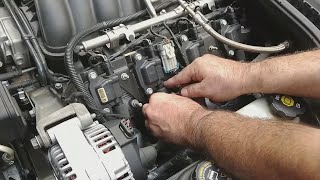
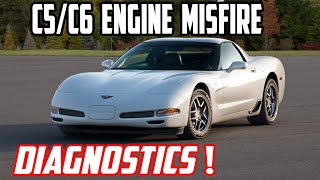
- Flashing Check Engine Light 🎬 Watch: Complete DIY guide for diagnosing Corvette engine misfires
- Smell of raw fuel from the exhaust
- Audible popping or backfiring from the exhaust
- Replacing fuel injectors before thoroughly testing the ignition system (spark plugs, wires, and coils), which are far more common failure points and easier to diagnose.
- Assuming a bad catalytic converter is the cause, when it is actually the *result* of a persistent misfire dumping unburnt fuel into the exhaust.
Most Likely Causes
- Loose or Damaged Spark Plug Wire 🔴 High Probability A specific GM Technical Service Bulletin (PIP4819A) was issued for 2010-2013 models for this exact issue, instructing technicians to inspect for loose spark plug wires at the ignition coil as a primary cause of misfires. Forum users frequently report wires coming loose from the coil side.
How to confirm: Visually inspect and physically check the spark plug wire for cylinder 3. Ensure it is firmly seated on both the ignition coil and the spark plug; you should feel a distinct 'click' or 'snap' when it seats properly. Check for any signs of burns, arcing (white or black marks), or physical damage to the boot or wire.
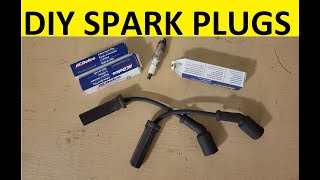
Typical fix: Reseat or replace the spark plug wire for cylinder 3. Applying a small amount of dielectric grease inside the boot can help with sealing and future removal. It is often recommended to replace the entire set if they are old 🎬 See this walkthrough on changing C6 spark plugs and wires or if one has failed.
Est. part cost: $50-$100 - Worn or Fouled Spark Plug 🔴 High Probability Spark plugs are a standard wear item. High-performance driving can shorten their effective lifespan. The original ACDelco 41-110 plugs have been superseded by 41-162, and using the correct, quality plug is critical.
How to confirm: Remove the spark plug from cylinder 3 and inspect it. Look for a wet appearance, heavy carbon buildup, or a worn/damaged electrode. A simple diagnostic test is to swap the cylinder 3 spark plug with one from another cylinder (e.g., cylinder 1), clear the codes, and see if the misfire code changes to P0301. If it does, the spark plug is the culprit.
Typical fix: Replace the spark plug. It is best practice to replace all eight spark plugs at the same time to ensure consistent performance.
Est. part cost: $60-$120 for a set of 8 - Faulty Ignition Coil 🟡 Medium Probability
How to confirm: Swap the ignition coil from cylinder 3 with a coil from another cylinder (e.g., cylinder 1). Clear the codes and run the engine. If the code changes to P0301, the ignition coil is faulty. Inspect the coil for any cracks in the plastic housing.
Typical fix: Replace the single faulty ignition coil. While some recommend replacing all coils if one fails, it is not strictly necessary.
Est. part cost: $55-$105 for a single OEM-quality coil - Clogged or Faulty Fuel Injector ⚪ Low Probability
How to confirm: This is more complex. A professional can perform a fuel injector balance test. A DIY method is to listen to the injector with a mechanic's stethoscope to ensure it's clicking regularly. Swapping injectors is also possible but more labor-intensive. Sometimes, the electrical connector to the injector can have a poor connection, causing the same symptoms as a failed injector.
Typical fix: Clean or replace the faulty fuel injector. In some cases, simply re-seating the electrical connector can solve the problem. GM has also issued bulletins regarding the installation of incorrect injector part numbers, which can cause misfires.
Est. part cost: $70-$150
Rare But Worth Checking
- Mechanical Engine Issue: While less common for a single cylinder misfire, LS engines can experience issues like a failed or broken valve spring, bent pushrod, or a worn camshaft lobe. A Corvette owner on a forum reported a P0303 that was ultimately traced to a broken valve spring which, fortunately, did not cause piston damage. 🎬 Watch: How a broken valve spring causes rough idle and misfires If ignition and fuel system checks do not resolve the issue, a compression test and cylinder leak-down test should be performed to check the mechanical health of cylinder 3.
- Bad Engine Ground: A poor or corroded engine ground strap can cause a wide range of strange electrical issues, including misfires. While it would typically cause a random misfire code (P0300), it can sometimes manifest as a single-cylinder misfire. This can be tested with a multimeter by checking for voltage drop or resistance between the negative battery terminal and the engine block. A key ground to check is G107 on the driver's side of the engine block, which grounds the ignition coils.
Diagnosis Steps
- Read the code with an OBD-II scanner to confirm P0303 is the primary code. Note any other codes like P0300 or P0203.
- Locate cylinder 3. On a Corvette V8, cylinders on the driver's side are numbered 1, 3, 5, 7 from the front of the engine to the back.
- Inspect the spark plug wire for cylinder 3. Per TSB #PIP4819A, ensure it is securely connected at the coil and the plug. You should feel it 'snap' into place. Check for damage, burns, or corrosion.
- If the wire is secure, swap the ignition coil from cylinder 3 with the coil from cylinder 1. Clear the codes and drive the vehicle. If the code returns as P0301, the coil is bad.
- If the code remains P0303, swap the spark plug from cylinder 3 with the plug from cylinder 1. Clear codes and drive. If the code returns as P0301, the spark plug is bad.
- If the misfire still remains on cylinder 3, the issue is likely related to the fuel system or a mechanical problem.
- Listen to the fuel injector on cylinder 3 with a mechanic's stethoscope or a long screwdriver; it should have a regular, audible clicking sound. Compare the sound to the injector on cylinder 1.
- Check the wiring and connector at the fuel injector for cylinder 3. Ensure it is fully seated and free of corrosion. One forum user found a bad pin connection in the injector harness was the culprit.
- If all else fails, perform a compression test on cylinder 3 to rule out mechanical engine problems like a bad valve spring, which has been reported by owners.
Parts You'll Likely Need
- Spark Plug Wire Set
(OEM #ACDelco 9748RR (Red))— A loose or failed spark plug wire is a primary cause of P0303 on this vehicle, as noted in manufacturer TSB PIP4819A. Wires can also become brittle from engine heat.
Trusted brands: ACDelco, MSD, NGK
OEM price range: $70-$100
Aftermarket price range: $50-$80 - Iridium Spark Plug
(OEM #ACDelco 41-162 (supersedes 41-110))— Spark plugs are a common wear item and a frequent cause of single-cylinder misfires. The OEM part number 41-110 specified in the owner's manual has been superseded by 41-162.
Trusted brands: ACDelco, NGK
OEM price range: $10-$15 per plug
Aftermarket price range: $8-$12 per plug - Ignition Coil
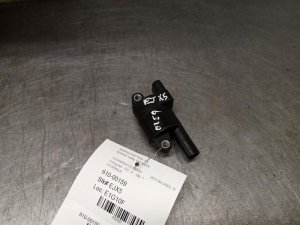
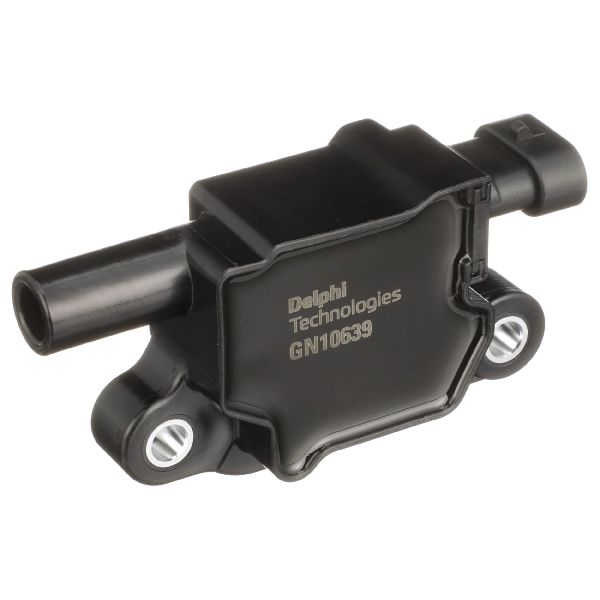
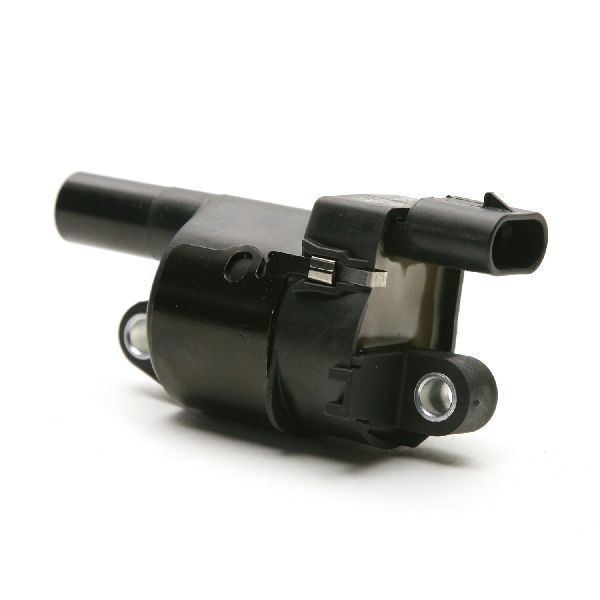
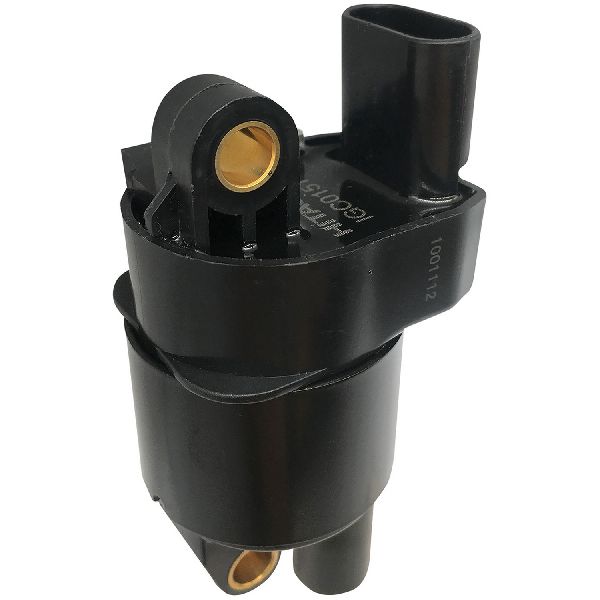
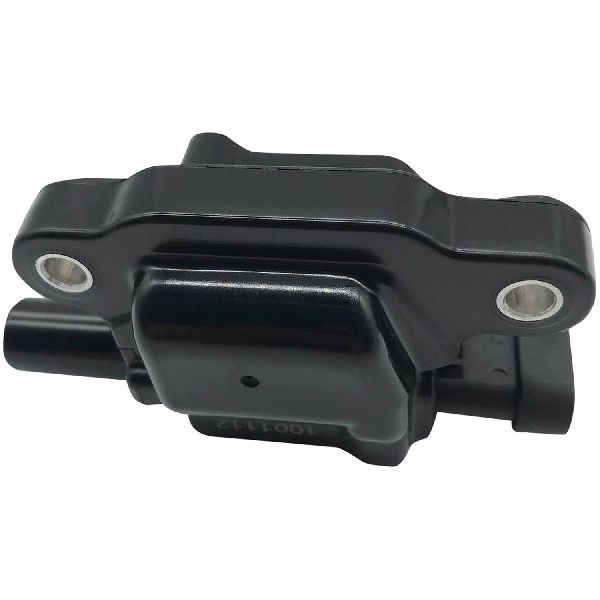
(OEM #ACDelco D510C (replaces D514A))— The ignition coil provides the high voltage needed to create a spark. It is a common failure point that can cause a misfire in a single cylinder. The original D514A part number is often replaced by D510C.
Trusted brands: ACDelco, Delphi, NGK
OEM price range: $80-$105
Aftermarket price range: $55-$75
Related Codes That Often Appear With This One
- P0300 — If the misfire is intermittent, affects multiple cylinders, or is caused by a system-wide issue like a vacuum leak or bad ground, a P0300 (Random Misfire) code may appear alongside P0303.
- P0203 — This code indicates a malfunction in the cylinder 3 injector circuit. It will often appear with P0303 if the root cause is the fuel injector itself or its wiring/connector.
Technical Service Bulletins (TSBs) & Recalls
- PIP4819A: States that for engine misfire codes P0300-P0308, technicians should inspect for and replace any loose spark plug wires.
Platform-Specific Known Issues
- A General Motors Technical Service Bulletin (TSB #PIP4819A) for 2010-2013 models specifically calls out engine misfires (P0300-P0308) and directs technicians to inspect for and replace any spark plug wires that are loose at the ignition coil.
- The high heat generated by the LS engines, particularly near the exhaust manifolds, can cause spark plug wires and boots to degrade and become brittle over time, increasing the likelihood of failure.
- Some owners on CorvetteForum have reported broken valve springs on stock LS3 engines, which can cause a persistent P0303 misfire after ignition components have been ruled out.
Mechanic-Grade Diagnostic Values
- Fuel Pressure (Key On, Engine Off) — expected: 58-60 PSI. Failure: Pressure below 55 PSI or a rapid bleed-down after the pump primes could indicate a weak pump or leaking injector.
- Fuel Injector Resistance — expected: ~12.0 Ohms (High Impedance). Failure: A significantly higher reading (open circuit) or lower reading (short) indicates a failed injector coil.
- Ignition Coil Primary Resistance — expected: 0.4 - 0.6 Ohms. Failure: A reading outside this range suggests a faulty primary winding in the coil.
- Ignition Coil Secondary Resistance — expected: 5,000 - 7,200 Ohms (5.0 - 7.2 kOhms). Failure: A reading outside this range suggests a faulty secondary winding. Note: Some sources cite a higher range up to 11.1 kOhms.
Hidden / Shadow Codes Worth Checking
- Mode $06, Test ID $53: This is not a hidden code, but rather a standard OBD-II function that can provide deeper insight. Mode $06 monitors misfire counts for each cylinder. A technician can view the raw misfire count for cylinder 3, even if it hasn't reached the threshold to set a P0303 code, which is useful for diagnosing intermittent issues. (see via A professional scan tool with Mode $06 capability.)
Scan Tool Commands That Help
- GDS2 / Tech2 / Professional Aftermarket Scanners: Cylinder Power Balance Test — This is a primary diagnostic step after a visual inspection. The tool deactivates each cylinder one by one (usually by cutting fuel) and measures the drop in engine RPM. If disabling cylinder 3 causes little or no RPM drop compared to other cylinders, it confirms that cylinder 3 is not contributing power, isolating the fault without swapping parts.
Wiring & Ground Locations
- G107 — On the driver's side of the engine block, in the middle, below the cylinder head.. This is a primary ground for the ignition coil packs. A loose or corroded connection at G107 can cause weak or no spark, leading to misfires that may be isolated to one bank or even a single cylinder.
- G106 — On the right rear side of the engine, above the starter solenoid.. This is another critical engine ground. While less directly tied to the driver's side coils, poor grounding here can introduce electrical noise and issues throughout the engine management system.
- G105 — On the front left side of the engine, above the generator (alternator).. Provides a ground path for various components on the front of the engine. Ensuring all engine-to-chassis grounds are clean and tight is crucial for stable sensor and actuator performance.
Real Owner Repair Stories
- CorvetteForum / Reddit users (2008 C6 Corvette LS3 (and others with similar symptoms)) — Sudden rough running, ticking sound, and a single cylinder misfire code (e.g., P0301, but applicable to P0303).
❌ Tried (didn't work) Spark plug replacement, Ignition coil swap, Fuel injector swap
✅ What actually fixed it Replacement of a broken valve spring on the affected cylinder. In many reported cases, the valve did not drop into the cylinder, preventing catastrophic engine damage. The fix involved removing the valve cover and using a spring compressor tool to replace the broken spring. - CorvetteForum user gdmoore01 (C6 Corvette) — Car shut off while driving, would crank but not start, no spark detected.
❌ Tried (didn't work) Replaced MAF sensor, Replaced Crank and Cam sensors, Replaced battery and starter
✅ What actually fixed it Found a loose ground wire (G107) hanging near the driver's side header. Securing the ground wire to its proper location on the engine block immediately resolved the no-spark condition and the car started. This highlights the critical role of G107 for ignition function. - CorvetteForum user (C6 Corvette LS3 with aftermarket cam) — Engine ticking noise and misfires.
❌ Tried (didn't work) Initial diagnosis pointed towards complex issues.
✅ What actually fixed it The issue was traced to a failed/collapsed lifter. In some cases with dirty lifters, an engine oil flush (e.g., Sea-Foam) was attempted first. However, a mechanically failed lifter requires replacement, which involves removing the cylinder head. If the lifter's roller is damaged, the camshaft lobe is likely damaged as well, requiring a more extensive repair.
Model Year Variations Within This Range
- 2010-2013: No significant variations have been identified within the 2010-2013 model years that would substantially alter the diagnosis of a P0303 code. Engine ground locations and common failure points like spark plug wires, coils, and valve springs are consistent across this range for the LS3/LS7 engines.
Helpful Videos
Used OEM Parts in Stock

New Aftermarket Parts Available


The information in this article is provided for general reference and educational purposes only. Vehicle specifications, procedures, and part compatibility can vary by production date, trim level, and region. Always consult your vehicle's factory service manual and verify part numbers before purchasing or performing repairs. Safety-critical components such as airbags, seat belts, and braking systems should be installed by a qualified professional.
- Chevrolet CORVETTE:
- 🎬 Helpful Videos
- 🛍️ Shop This Part
- What's Unique About the 2010-2013 Chevrolet CORVETTE
- Diagnostic Flowchart
- Symptoms You May Notice
- Most Likely Causes
- Rare But Worth Checking
- Diagnosis Steps
- Parts You'll Likely Need
- Related Codes That Often Appear With This One
- Technical Service Bulletins (TSBs) & Recalls
- Platform-Specific Known Issues
- Mechanic-Grade Diagnostic Values
- Hidden / Shadow Codes Worth Checking
- Scan Tool Commands That Help
- Wiring & Ground Locations
- Real Owner Repair Stories
- Model Year Variations Within This Range
- 🎟️ Get 5% Off