

P0303 on 2011-2013 Chevrolet Camaro: Cylinder 3 Misfire Causes and Fixes
On a 2011-2013 Camaro, P0303 indicates a cylinder 3 misfire. The most common cause is a faulty spark plug, a bad ignition coil (on V6 models), or a loose/failed spark plug wire (on V8 models). This is a straightforward DIY fix with parts costing between $20 and $120.
- P0303 on a 2011-2013 Camaro is a misfire on cylinder 3.
- Do not drive if the check engine light is flashing to avoid expensive catalytic converter damage.
- The most likely cause is a simple ignition component: a spark plug, an ignition coil (V6), or a spark plug wire (V8).
- Diagnose the problem for free by swapping ignition parts between cylinder 3 and another cylinder to see if the fault code 'moves'.
- On V8 models, specifically check for loose spark plug wires, as this is a known issue cited by the manufacturer.
What's Unique About the 2011-2013 Chevrolet CAMARO
The 2011-2013 Camaro was available with two distinct engine families: the 3.6L V6 (LLT and LFX) and the 6.2L V8 (LS3 and L99). The ignition systems are different; the V6 uses a coil-on-plug design, while the V8 uses coil-near-plug with spark plug wires. A manufacturer Technical Service Bulletin (TSB) for V8 models, #PIP4819A, specifically points to loose spark plug wires as a known cause for misfires. Another TSB, #PI1122A, notes that misfires on V6 models can occur during acceleration from a stop. The direct-injection V6 engines are also known to develop carbon buildup on intake valves, which can impede airflow and lead to misfires. A significant change occurred in 2012 when the V6 engine was updated from the LLT to the LFX, which featured redesigned cylinder heads with integrated exhaust manifolds, a composite intake manifold, and a different ECM (Delphi instead of Bosch).
Diagnostic Flowchart
Tap your situation to follow the diagnostic path that matches what you're seeing on this vehicle.
Symptoms You May Notice
- Flashing or solid Check Engine Light
- Rough or shaking idle
- Engine hesitation or stumbling during acceleration
- Noticeable loss of engine power
- Smell of unburnt gasoline from the exhaust
- Reduced fuel economy
- "Service StabiliTrak" message may appear on the driver information center, often accompanying the misfire under acceleration.
- Replacing the oxygen sensor. A misfire can cause erratic readings from the O2 sensor, but the sensor is rarely the cause of the misfire itself.
- Replacing the catalytic converter. A misfire can damage the converter, but replacing it without fixing the root cause of the misfire will only lead to the new converter failing as well.
Most Likely Causes
- Worn or Fouled Spark Plug 🔴 High Probability Spark plugs are a routine maintenance item. The original ACDelco Iridium plugs have a long life but can fail, especially if subjected to oil fouling or excessive carbon from short drive cycles.
How to confirm: Remove the spark plug from cylinder 3 and inspect it for wear on the electrode, carbon buildup, oil fouling, or cracks in the ceramic insulator. A wet, fuel-smelling plug indicates a lack of spark.
Typical fix: Replace the spark plug. It is highly recommended to replace all spark plugs at the same time for even performance and to prevent future misfires. The recommended torque for spark plugs is critical; an under-torqued plug can loosen and be ejected from the head.
Est. part cost: $10-$25 per plug - Faulty Ignition Coil (V6) or Spark Plug Wire (V8) 🔴 High Probability TSB #PIP4819A for V8 models explicitly calls out inspecting for loose spark plug wires as a fix for misfires. The boots can lose their grip on the coil pack or plug over time due to heat and vibration, causing a poor connection. On V6 models, the individual ignition coils are a common failure point.
How to confirm: Swap the ignition coil (V6) or spark plug wire (V8) from cylinder 3 with another cylinder (e.g., cylinder 1). Clear the codes and drive. If the code changes to P0301, the component you moved is faulty.
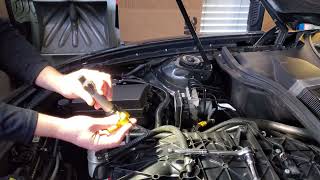
Typical fix: Replace the faulty ignition coil or the set of spark plug wires. It's best practice to replace V8 spark plug wires as a set. 🎬 See the best tool setup for V8 plugs and wires.
Est. part cost: $40-$100 for one coil, $50-$120 for a wire set - Clogged or Faulty Fuel Injector 🟡 Medium Probability Fuel injectors can become clogged with deposits over time, affecting their spray pattern and fuel delivery. This is a potential issue on any modern engine.
How to confirm: Listen to the injector with a mechanic's stethoscope or a long screwdriver to ensure it is making a consistent clicking sound. For a more definitive test, swap the fuel injector with another cylinder and see if the misfire code follows it. This is more labor-intensive than an ignition component swap.
Typical fix: First, try a quality fuel system cleaner. If that fails, the injector may need to be professionally cleaned or replaced. 🎬 Watch how to fix StabiliTrak codes by changing fuel injectors.
Est. part cost: $70-$150
Rare But Worth Checking
- Low Engine Compression: This indicates a more serious mechanical issue like a bad valve, worn piston rings, or a leaking head gasket. A compression test is required to confirm this.
- Vacuum Leak: A leak in the intake manifold gasket near the runner for cylinder 3 can lean out the air/fuel mixture and cause a misfire.
- Carbon Buildup on Intake Valves: The direct injection 3.6L V6 engines (LLT, LFX) are susceptible to carbon deposits on the intake valves, which can restrict airflow into the cylinder and cause misfires, especially on cold starts or under acceleration.
- Collapsed AFM Lifter (V8 L99 Engine): The L99 V8 engine (found in automatic transmission models) uses Active Fuel Management (AFM), which deactivates certain cylinders under light load. The special lifters for this system can fail, becoming stuck or collapsed, leading to a persistent misfire. Cylinder 3 is NOT an AFM cylinder, but issues in the AFM system can sometimes cause widespread problems logged as single-cylinder misfires initially.
- Broken Valve Spring: Though not common, a broken valve spring can cause a complete loss of compression in the cylinder, leading to a persistent P0303 and often a P0300. This may be accompanied by a ticking or chattering noise from the engine. A compression or cylinder leak-down test is necessary for diagnosis.
Diagnosis Steps
- Read the code with an OBD-II scanner to confirm P0303 is present. Note if the Check Engine Light is flashing and if any other codes like P0300 are stored.
- Identify cylinder 3. On the 3.6L V6, it is the middle cylinder on the PASSENGER'S side bank (Bank 1). On the 6.2L V8, it is the second cylinder from the front on the DRIVER'S side bank (Bank 1).
- For V8 models, inspect the spark plug wire for cylinder 3. Per TSB #PIP4819A, ensure it is securely connected at both the coil and the spark plug by pulling and reseating the boot. A loose wire is a very common cause.
- Perform an 'ignition swap test'. Move the ignition coil (V6) or spark plug wire (V8) from cylinder 3 to a different cylinder (e.g., cylinder 1). Clear the codes, run the engine, and re-scan. If the code changes to P0301, the moved component is the culprit.
- If the code remains P0303, inspect and swap the spark plugs between cylinder 3 and the other cylinder. If the code then moves, the spark plug is bad. Inspect the old plug for signs of fouling or damage.
- If the misfire still stays on cylinder 3, the issue is likely fuel or mechanical. Check the fuel injector by listening for a steady clicking sound with a stethoscope or long screwdriver.
- If the injector seems to be working, consider a more advanced diagnosis like a fuel pressure test or an engine compression test to check for mechanical issues like worn rings, bad valves, or a failed head gasket.
- For V6 models, if ignition and fuel checks pass, consider the possibility of significant carbon buildup on the intake valves, which may require professional cleaning (e.g., walnut blasting).
Parts You'll Likely Need
- Spark Plug
(OEM #41-109 (or superseded by 41-162))— Spark plugs are a common wear item and the most frequent cause of single-cylinder misfires.
Trusted brands: ACDelco, NGK
OEM price range: $15-$25
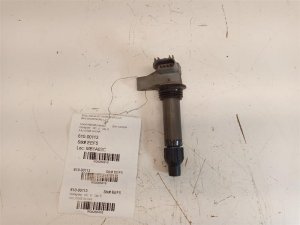
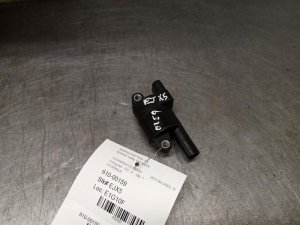
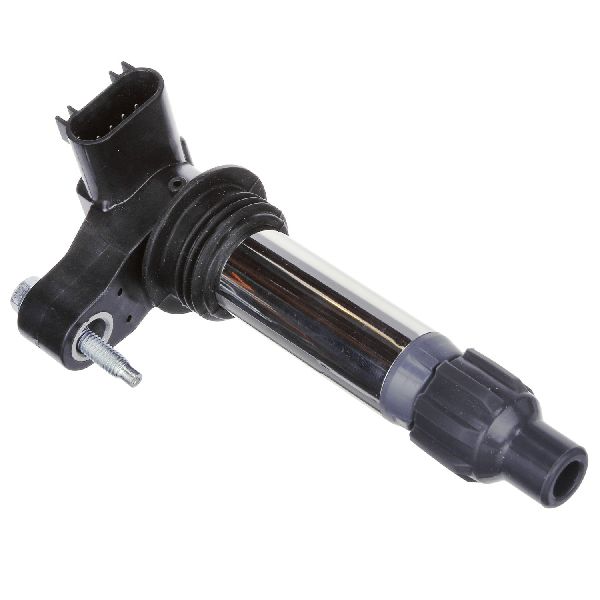
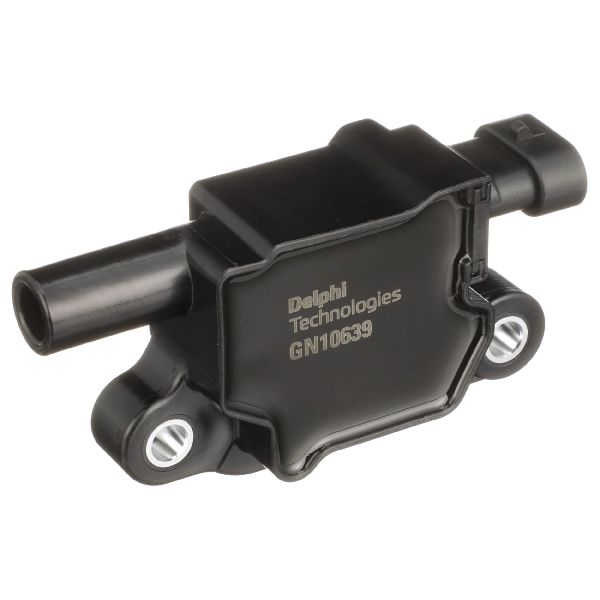
Aftermarket price range: $8-$20 - Ignition Coil (V6 Engine)
(OEM #12632479)— On V6 models with coil-on-plug ignition, the coil is the next most likely failure point after the spark plug.
Trusted brands: ACDelco, Delphi
OEM price range: $70-$115
Aftermarket price range: $40-$80 - Spark Plug Wire Set (V8 Engine)
(OEM #19297032)— On V8 models, a loose or failed spark plug wire is a known issue documented in TSB #PIP4819A and a common cause of misfires. Wires can lose their ability to grip the coil or plug, especially under hard acceleration.
Trusted brands: ACDelco, NGK, MSD
OEM price range: $80-$120
Aftermarket price range: $50-$90
Related Codes That Often Appear With This One
- P0300 — This code for 'Random/Multiple Cylinder Misfire' often accompanies a specific cylinder code if the misfire is severe or intermittent across other cylinders.
Technical Service Bulletins (TSBs) & Recalls
- PI1122A: Malfunction Indicator Lamp Flashes Due to Engine Misfire On Acceleration, DTC P0300 and/or P0303 Set
- PIP4819A: Service Engine Soon Malfunction Indicator Lamp and the engine misfires...inspect the spark plug wires...replace any loose spark plug wires
Platform-Specific Known Issues
- A known issue documented in TSB #PIP4819A points to loose spark plug wires causing misfire codes, including P0303, on V8 models. The fix is to inspect and replace any loose wires. Forum users report this can happen under hard acceleration as the engine torques.
- TSB #PI1122A describes a condition where a misfire (P0300 or P0303) can occur specifically during acceleration from a stop or after a steady cruise on V6 models.
- Owners on forums frequently report that on V8 models, the spark plug wire boot loses its 'click' or grip on the coil pack, leading to a connection that loosens with engine vibration and heat.
- For the 3.6L V6, carbon buildup on intake valves is a widely discussed cause for misfires that don't resolve with ignition or fuel injector swaps.
Mechanic-Grade Diagnostic Values
- Ignition Coil Primary Resistance (V6 & V8) — expected: 0.4 to 2.0 ohms. Failure: A reading outside of this range, especially an open circuit (infinite resistance) or a dead short (zero resistance).
- Ignition Coil Secondary Resistance (V6 & V8) — expected: 6,000 to 10,000 ohms (6k-10k Ω). Failure: A reading significantly outside this range suggests a faulty coil winding.
- Fuel Injector Resistance (V6 & V8 High-Impedance) — expected: Approximately 11-14 ohms. Failure: A reading significantly lower or higher than the specification, or an open circuit, indicates a failed injector coil.
Hidden / Shadow Codes Worth Checking
- Mode $06 Misfire Counts: This is not a DTC but a function within OBD-II diagnostics that shows raw misfire counts for each cylinder. A high count for cylinder 3, even before the P0303 code becomes permanent, can confirm the location of the misfire. (see via Most advanced OBD-II scanners can access Mode $06 test results.)
Scan Tool Commands That Help
- GDS2 (GM Dealer Software) or equivalent professional scan tool: Cylinder Power Balance Test — This test allows the technician to disable one fuel injector at a time and observe the drop in engine RPM. If disabling cylinder 3 causes little or no change in RPM, it confirms that cylinder is not contributing power, helping to isolate the problem after ignition components have been checked.
- GDS2 or equivalent: Injector Balance Test — This function can be used to command a specific fuel injector to operate and measure the resulting pressure drop in the fuel rail, which helps determine if an injector is clogged or flowing poorly compared to others.
Wiring & Ground Locations
- G102 — Located at the left rear of the engine (driver's side).. This is a primary ground point for all ignition coils on both V6 and V8 engines. A loose or corroded connection here can cause weak or intermittent spark on multiple cylinders, potentially logging a P0303.
- ECM Connector X1 (V6) / J2 (V8) — At the Engine Control Module (ECM), located in the right front of the engine compartment.. This is where the control circuits for the ignition coil and fuel injector terminate. For the V6, the cylinder 3 injector control wire is at pin 62. For the V8, the cylinder 3 injector control wire is a Light Green/Black wire at pin J2-32. Damage to these specific pins or wires can directly cause a P0303.
- Engine Harness Grounds (V8) — Multiple small ground wires on the back of both the driver's side and passenger's side cylinder heads.. These grounds are critical for various sensors and the ignition system. They are often overlooked during engine work. A loose ground on the driver's side head could affect cylinder 3.
Real Owner Repair Stories
- Camaro5 Forum user (2014 Camaro 2SS (LS3 V8), 36,250 miles) — Flashing CEL, Service Stabilitrak light, severe shaking/limp mode, smell of gas after downshifting.
❌ Tried (didn't work) Initial code read was P0300 (multiple misfire), leading to thoughts of a sensor issue.
✅ What actually fixed it Dealer diagnosis found a broken intake valve spring on cylinder #8, which was causing misfires on other cylinders as well. After replacing the single broken spring, a compression test was good and the issue was resolved. This highlights how a single mechanical failure can sometimes log as a multiple misfire code initially. - Camaro5 Forum user (2010 Camaro SS (V8)) — P0303 code, Service Stabilitrak light, flashing CEL under hard acceleration. The issue was reproducible every time.
❌ Tried (didn't work) Dealer swapped plugs, wires, coils, and injectors. They also checked computer and all electricals without finding the fault.
✅ What actually fixed it The user did not post the final resolution, but the thread is a valuable example of how a load-dependent misfire can elude common diagnostic procedures, pointing towards a potential mechanical issue (like weak valve springs) or a wiring harness problem that only manifests under engine torque.
OEM Part Supersession History
41-109→41-162 (GM Part # 12681660)— General product update and refinement by ACDelco/GM.
Heads up: The original part number 41-109 (GM #12622561) is still widely available and perfectly compatible. The newer 41-162 is also a direct replacement. No incompatibility issues are known; both are Iridium plugs designed for the application.
Model Year Variations Within This Range
- 2011 vs 2012-2013: In 2012, the V6 engine was updated from the 3.6L LLT to the 3.6L LFX. The LFX features cylinder heads with integrated exhaust manifolds (no separate header), a lighter composite intake manifold, and uses a Delphi ECM instead of the LLT's Bosch unit. These changes mean that some parts, like intake manifold gaskets, spacers, and exhaust components, are not interchangeable between 2011 and 2012-2013 V6 models.
Helpful Videos
Used OEM Parts in Stock


New Aftermarket Parts Available

The information in this article is provided for general reference and educational purposes only. Vehicle specifications, procedures, and part compatibility can vary by production date, trim level, and region. Always consult your vehicle's factory service manual and verify part numbers before purchasing or performing repairs. Safety-critical components such as airbags, seat belts, and braking systems should be installed by a qualified professional.
- Chevrolet CAMARO:
- 🎬 Helpful Videos
- 🛍️ Shop This Part
- What's Unique About the 2011-2013 Chevrolet CAMARO
- Diagnostic Flowchart
- Symptoms You May Notice
- Most Likely Causes
- Rare But Worth Checking
- Diagnosis Steps
- Parts You'll Likely Need
- Related Codes That Often Appear With This One
- Technical Service Bulletins (TSBs) & Recalls
- Platform-Specific Known Issues
- Mechanic-Grade Diagnostic Values
- Hidden / Shadow Codes Worth Checking
- Scan Tool Commands That Help
- Wiring & Ground Locations
- Real Owner Repair Stories
- OEM Part Supersession History
- Model Year Variations Within This Range
- 🎟️ Get 5% Off