

P0303 on 2010-2013 Chevrolet Avalanche: Cylinder 3 Misfire Causes and Fixes
P0303 on a 2010-2013 Avalanche indicates a misfire in cylinder 3. The most common causes are a bad spark plug, ignition coil, or spark plug wire. A failing standard lifter on cylinder 3 or broader issues with the Active Fuel Management (AFM) system are also significant possibilities on these engines, often indicated by a ticking noise.
- P0303 on a 2010-2013 Avalanche is a misfire on cylinder 3.
- Start your diagnosis with the simple and cheap fixes: check the spark plug wire, then swap the ignition coil and spark plug with another cylinder to see if the problem moves.
- Be aware of the common Active Fuel Management (AFM) lifter failure on the 5.3L V8. A persistent ticking noise accompanying the misfire is a strong indicator of this more serious mechanical issue.
- Driving with a flashing check engine light is not recommended, as it can lead to costly damage to the catalytic converter.
What's Unique About the 2010-2013 Chevrolet AVALANCHE
The 2010-2013 Avalanche with the 5.3L V8 has two well-documented weak points related to misfires. First, as noted in GM TSB #PIP4819A, the spark plug wires can become loose, leading to a poor connection and misfires. Second, these engines feature Active Fuel Management (AFM), which deactivates cylinders to save fuel. The specialized hydraulic lifters for the AFM cylinders (1, 4, 6, and 7) are a known major failure point. While cylinder 3 is NOT an AFM cylinder, a failure of the AFM system can cause oil pressure problems or send debris through the engine, leading to a failure of the standard lifter on cylinder 3. A standard lifter can also fail on its own, often presenting with a distinct ticking noise.
Diagnostic Flowchart
Tap your situation to follow the diagnostic path that matches what you're seeing on this vehicle.
Symptoms You May Notice
- Flashing or solid Check Engine Light
- Rough or shaking idle
- Engine hesitation or stumbling during acceleration
- Noticeable loss of engine power
- Increased fuel consumption
- Fuel smell from the exhaust
- Engine ticking, chirping, or squeaking noise, especially when warm (a strong indicator of a lifter problem)
- Replacing only the spark plug when the ignition coil or wire was the actual cause.
- Repeatedly replacing ignition components (plugs, coils, wires) when the underlying issue is a mechanical failure like a collapsed lifter, often indicated by a persistent ticking noise.
- Replacing a fuel injector when the issue was a bad electrical connector to the injector.
Most Likely Causes
- Worn or Fouled Spark Plug 🔴 High Probability Spark plugs are a regular maintenance item and a primary point of failure for any ignition system. Oil consumption issues on some of these engines can also lead to premature fouling.
How to confirm: Remove the spark plug from cylinder 3 and inspect it. Look for a wet (fuel or oil) appearance, heavy carbon buildup, or a damaged/worn electrode. A simple diagnostic step is to swap the cylinder 3 spark plug with one from another cylinder (e.g., cylinder 1). If the code changes to P0301, the spark plug is the culprit.
Typical fix: Replace the spark plug. It is recommended to replace all 8 spark plugs at the same time for even performance, using the specified ACDelco Iridium plugs.
Est. part cost: $8-$20 per plug - Faulty Ignition Coil 🔴 High Probability
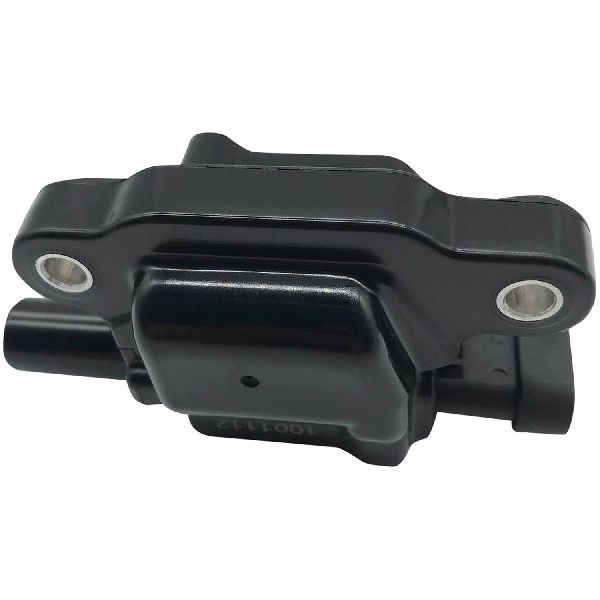
How to confirm: Swap the ignition coil from cylinder 3 with another cylinder (e.g., cylinder 1). Clear the codes and run the engine. If the misfire code moves to P0301, the ignition coil is faulty.
Typical fix: Replace the failed ignition coil. It's often recommended to replace the spark plug at the same time.
Est. part cost: $50-$110 - Loose or Bad Spark Plug Wire 🟡 Medium Probability A GM Technical Service Bulletin (PIP4819A) specifically calls out inspecting for loose spark plug wires as a cause for misfires on these vehicles. The connection can feel secure but may not be fully 'clicked' onto the plug or coil.
How to confirm: Visually inspect the spark plug wire for cylinder 3. Ensure it is securely connected at both the ignition coil and the spark plug, listening for an audible 'click'. Check for any signs of physical damage, arcing (white marks or black soot on the boot), or corrosion.
Typical fix: Reseat or replace the spark plug wire. It's best practice to replace the entire set of 8 wires (e.g., ACDelco 9748RR) for preventative 🎬 See this walkthrough for changing your spark plugs and wires. maintenance.
Est. part cost: $60-$120 for a set - Failed Valve Lifter (Standard or AFM-related) 🟡 Medium Probability The 5.3L V8 engine's AFM system is notorious for causing lifter failures. While cylinder 3 does not have an AFM lifter, it can fail due to oiling issues caused by the AFM system, or a standard lifter can simply fail mechanically. This is a well-documented, serious issue for this engine family.
How to confirm: This often presents with a distinct ticking or tapping noise from the valve cover area that increases with engine RPM. A mechanic would remove the valve cover to observe valve train movement (looking for a rocker arm with excessive play) and must perform a compression test. A significant loss of compression on cylinder 3 points towards a mechanical issue like a failed lifter.
Typical fix: This is a major and expensive repair. It involves replacing the failed lifter and often the camshaft, which can be damaged by the failed lifter roller. Many owners opt to perform a full 'AFM delete' at this time, replacing all AFM components with standard, more robust parts. This requires professional service.
Est. part cost: $400-$1500+ for parts (lifters, gaskets, camshaft, etc.) - Clogged or Faulty Fuel Injector ⚪ Low Probability
How to confirm: Listen to the injector with a mechanic's stethoscope; it should have a consistent, rapid clicking sound. A more definitive test is to swap the cylinder 3 injector with another cylinder's injector to see if the misfire code follows.
Typical fix: Replace the faulty fuel injector. It is often recommended to replace them as a set if they are original and high-mileage.
Est. part cost: $70-$150
Rare But Worth Checking
- Intake Manifold Gasket Leak: The intake gaskets on these V8 engines can fail, creating a vacuum leak that leans out the air-fuel mixture on a specific cylinder or bank, causing a misfire. This is sometimes accompanied by lean codes (P0171/P0174).
- Low Compression / Internal Engine Damage: Although less common than a lifter failure, a misfire can be caused by a bent valve, broken valve spring, or worn piston rings. A compression test and a cylinder leak-down test are required to diagnose this.
- Faulty Ignition Coil Connector/Wiring: Forum users have reported instances where the plastic connector for the ignition coil becomes brittle or the wires within it break, causing an intermittent connection and a persistent misfire on one cylinder even after replacing the coil itself.
Diagnosis Steps
- Read the code with an OBD-II scanner. Note any other codes and review the freeze frame data to see the engine conditions when the misfire occurred.
- Check engine oil level and condition. Low or dirty oil can cause and worsen lifter-related issues.
- Listen for a distinct ticking/tapping noise from the engine. A noise-free engine points towards ignition or fuel, while a ticking noise strongly suggests a valvetrain/lifter problem.
- Inspect the spark plug wire for cylinder 3. Ensure it is fully seated ('clicked') on both the coil and plug, and check for damage, per TSB #PIP4819A.
- Swap the ignition coil from cylinder 3 with cylinder 1. Clear codes and drive. If the code changes to P0301, the coil is bad.
- If the code remains P0303, swap the spark plug from cylinder 3 with cylinder 1. Clear codes and drive. If the code changes to P0301, the spark plug is bad.
- If the misfire remains on cylinder 3, inspect the fuel injector. Listen for a steady clicking with a stethoscope. If accessible, swap it with another cylinder to see if the code follows.
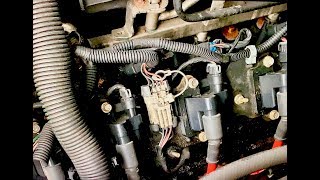
- Use a scan tool with live data (Mode $06) to monitor misfire counts per cylinder 🎬 Watch: A complete diagnosis and repair of a cylinder 3 misfire. in real-time, which can help confirm the issue is isolated to cylinder 3.
- Perform a compression test on cylinder 3 and compare it to an adjacent cylinder. A significant drop in compression (e.g., >20% lower) indicates an internal mechanical problem, very likely a failed lifter or other valve train issue.
- If a compression loss is confirmed, consult a professional mechanic for valve cover removal and inspection of the lifters and camshaft.
Parts You'll Likely Need
- Spark Plug
(OEM #12621258)— Spark plugs are a common wear item and the most frequent cause of a single-cylinder misfire.
Trusted brands: ACDelco, NGK
OEM price range: $10-$15
Aftermarket price range: $5-$12 - Ignition Coil
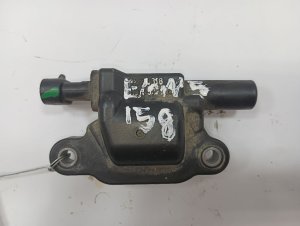
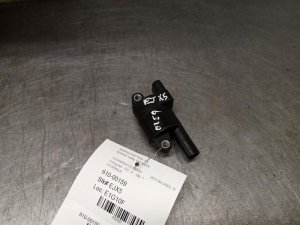
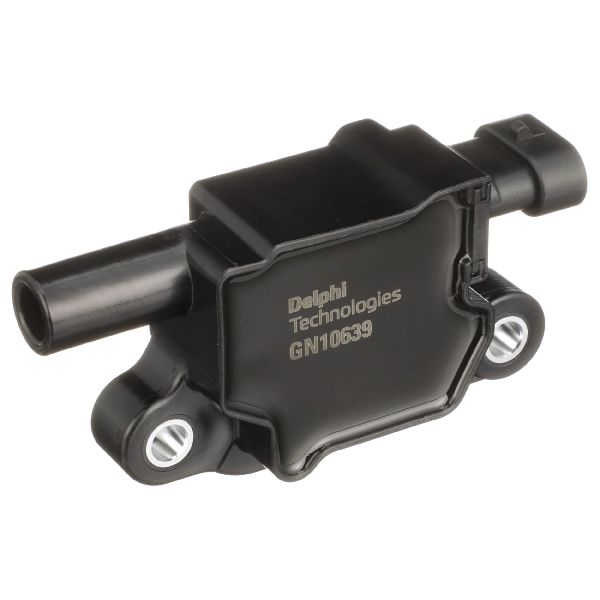
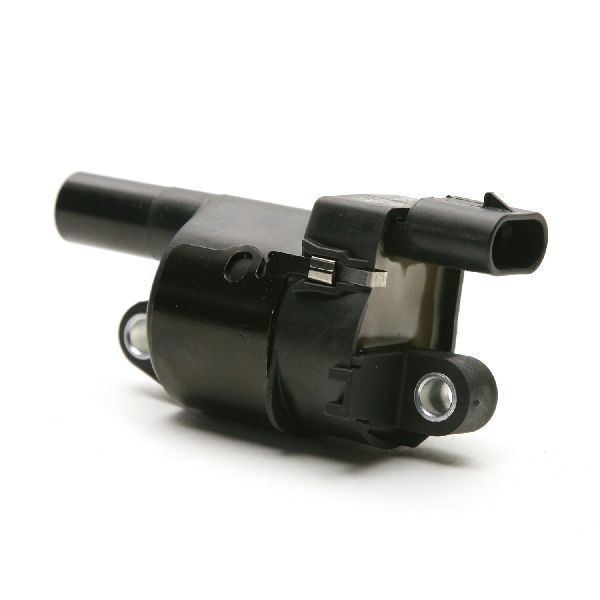
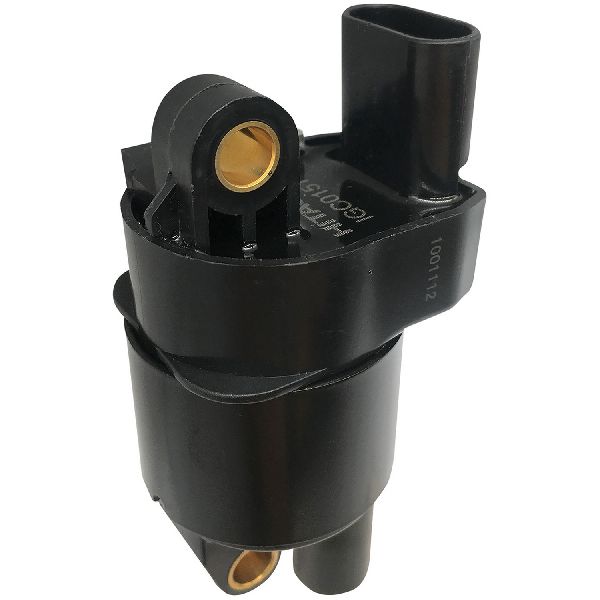
(OEM #12570616)— The individual coil-on-plug units can fail, causing a lack of spark to the cylinder.
Trusted brands: ACDelco, Delphi, DENSO
OEM price range: $90-$110
Aftermarket price range: $45-$80 - Spark Plug Wire Set
(OEM #9748RR)— A loose or damaged wire can prevent the spark from reaching the plug, as noted in GM TSB PIP4819A. It's a common and simple fix.
Trusted brands: ACDelco, NGK
OEM price range: $80-$120
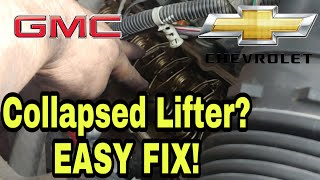
Aftermarket price range: $50-$90 - Valve Lifter Replacement Kit — A collapsed lifter is a significant and well-known issue on these engines, causing a mechanical misfire that ignition or fuel system repairs won't solve.
Related Codes That Often Appear With This One
- P0300 — If the misfire is intermittent or begins to affect other cylinders, a P0300 (Random Misfire) code may appear alongside P0303. This can be an early sign of a systemic problem like a failing AFM system or low fuel pressure.
- P0301, P0304, P0306, P0307 — If other AFM-cylinder-specific misfire codes are present (cylinders 1, 4, 6, 7), it strongly points towards a failure of the Active Fuel Management system, such as a stuck lifter.
Technical Service Bulletins (TSBs) & Recalls
- PIP4819A: Engine Misfires, Check Engine Light On. Advises technicians to inspect for loose spark plug wires.
- 19-NA-219: Engine Misfire/Tick Noise. Provides diagnostic procedure for various causes of misfires and engine noises, including worn cam lobes and collapsed AFM lifters.
- PIP5162H: Engine Misfire, Tick Noise, Or Bent Pushrod. Specifically addresses bent pushrods and collapsed lifters, a common failure mode related to the AFM system.
- 10-06-01-008M: Engine Oil Consumption and/or Active Fuel Management (AFM) Valve Lifter Tick Noise. Discusses oil consumption issues that can lead to lifter problems and provides updated diagnostic information.
Platform-Specific Known Issues
- TSB #PIP4819A: Loose Spark Plug Wires: A General Motors Technical Service Bulletin advises technicians to inspect for loose spark plug wires when diagnosing engine misfires (P0300-P0308). The wire boot may feel seated but not be fully 'clicked' in place, causing a weak or intermittent spark.
- TSB #19-NA-219 / PIP5162H: Lifter and Camshaft Failure: Multiple bulletins address the common issue of engine ticking and misfires caused by collapsed AFM lifters, standard lifters, bent pushrods, and worn camshaft lobes. This is the most serious common issue for P0303 on this vehicle.
- Owner Experience: The Inevitable Lifter Failure: On chevyavalanchefanclub.com, an owner with a 2011 Avalanche reported a P0303 code and a ticking noise. After confirming the spark plug and coil were not at fault, a dealership diagnosed a collapsed lifter on cylinder 3 which had also damaged the camshaft, leading to a multi-thousand dollar repair. This highlights the importance of listening for engine noise when this code appears.
Mechanic-Grade Diagnostic Values
- Fuel Pressure (Key On, Engine Off) — expected: 55-62 PSI. Failure: Pressure below 55 PSI may indicate a weak fuel pump or leak.
- Fuel Injector Resistance — expected: 11-14 Ohms. Failure: A reading significantly outside this range, especially a very low reading, indicates a failed injector.
- Ignition Coil Primary Resistance — expected: 0.4 - 2.0 Ohms. Failure: A reading outside this range suggests a faulty primary winding.
- Ignition Coil Secondary Resistance — expected: 6,000 - 10,000 Ohms. Failure: A reading outside this range suggests a faulty secondary winding.
- Injector Balance Test Pressure Drop — expected: All cylinders should have a pressure drop within 1.5-3.0 PSI (20 kPa) of each other.. Failure: A cylinder with a significantly different (especially smaller) pressure drop indicates a clogged or failing injector.
Scan Tool Commands That Help
- GDS2 / Tech 2: Fuel Injector Balance Test — Use this after confirming spark is good and when a fuel injector is suspected. It dynamically tests injector flow by measuring fuel pressure drop when each injector is commanded to fire. This is more accurate than a resistance test for finding a clogged or mechanically sticky injector.
- GDS2 / Tech 2: Misfire Graphic / Misfire History — To view detailed historical misfire counts for each cylinder, which can reveal if the misfire is recent, intermittent, or has been developing over time. This data is often more detailed than what is available on standard OBD-II scanners.
Wiring & Ground Locations
- G102 / G104 — Located on the left rear of the engine block/cylinder head.. These are the primary ground points for the ignition coil banks. A loose or corroded connection here can cause a weak or intermittent spark on one or more cylinders, leading to a persistent misfire that is often misdiagnosed as a bad coil.
- ECM Connector J2, Pin 32 — At the Engine Control Module (ECM).. This is the specific control circuit pin for the cylinder 3 fuel injector (typically a Light Green/Black wire). A technician can test for a control signal (pulse) here to verify the ECM is commanding the injector to fire, helping to isolate a wiring problem from a failed injector or ECM.
Real Owner Repair Stories
- Synthesized from multiple diagnostic videos (Chevy Truck with 5.3L V8) — Rough idle, shaking, and a solid Check Engine Light with code P0303.
❌ Tried (didn't work) Swapping the ignition coil from cylinder 3 to another cylinder did not move the misfire code, ruling out the coil.
✅ What actually fixed it After confirming the ignition coil was providing spark (by pulling the wire and observing an arc), the fuel injector on cylinder 3 was diagnosed as the fault. Replacing the fuel injector for cylinder 3 resolved the misfire.
"I Checked Everything" — The Actual Cause
- A common scenario for this engine is passing a smoke test (no vacuum leaks) but still having a P0303. The root cause is often an electrical or mechanical issue that a smoke test cannot detect, such as a failing fuel injector diagnosed via an injector balance test, or a poor ignition coil ground at the back of the engine block (G102/G104).
OEM Part Supersession History
12570616→12611424— Standard part evolution and supplier changes.
Heads up: These part numbers, along with aftermarket equivalents like D510C and UF413, are generally interchangeable for this application.
Model Year Variations Within This Range
- 2010-2013: Engines in this range (typically RPO codes LMG or LC9) feature Variable Valve Timing (VVT), which was added in 2010. An engine from a 2009 or older vehicle will not have VVT and would require ECU tuning to disable VVT if swapped into a 2010+ truck.
- 2010-2013: The 5.3L V8 was available as the LMG (iron block) and LC9 (all-aluminum block). For the purpose of diagnosing P0303, the ignition, fuel, and AFM systems are functionally identical.
Helpful Videos
Used OEM Parts in Stock
New Aftermarket Parts Available


The information in this article is provided for general reference and educational purposes only. Vehicle specifications, procedures, and part compatibility can vary by production date, trim level, and region. Always consult your vehicle's factory service manual and verify part numbers before purchasing or performing repairs. Safety-critical components such as airbags, seat belts, and braking systems should be installed by a qualified professional.
- Chevrolet AVALANCHE:
- 🎬 Helpful Videos
- 🛍️ Shop This Part
- What's Unique About the 2010-2013 Chevrolet AVALANCHE
- Diagnostic Flowchart
- Symptoms You May Notice
- Most Likely Causes
- Rare But Worth Checking
- Diagnosis Steps
- Parts You'll Likely Need
- Related Codes That Often Appear With This One
- Technical Service Bulletins (TSBs) & Recalls
- Platform-Specific Known Issues
- Mechanic-Grade Diagnostic Values
- Scan Tool Commands That Help
- Wiring & Ground Locations
- Real Owner Repair Stories
- "I Checked Everything" — The Actual Cause
- OEM Part Supersession History
- Model Year Variations Within This Range
- 🎟️ Get 5% Off