

P0303 on 2008-2009 Cadillac STS: Cylinder 3 Misfire Causes and Fixes
P0303 on a 2008-2009 Cadillac STS indicates a misfire in cylinder #3. The most common cause is a failed ignition coil (ACDelco D501C), followed by a worn-out spark plug. Swapping the coil from cylinder 3 with another is the fastest way to diagnose the problem. For the 3.6L V6, carbon buildup on intake valves is a known secondary cause. A new OEM ignition coil costs around $80-$115.
- P0303 is a misfire on cylinder #3. On the 3.6L V6, this is the middle cylinder on the passenger side. On the 4.6L V8, it's the second cylinder from the front on the passenger side.
- The most likely cause is a bad ignition coil. A simple swap with another cylinder's coil is the definitive test.
- If the coil is good, the next most likely cause is a worn or fouled spark plug.
- Do not drive the vehicle if the check engine light is flashing, as this can quickly destroy the catalytic converter, leading to a much more expensive repair.
- Always use the correct OEM-spec spark plugs (e.g., ACDelco Iridium or Platinum) as these engines are sensitive to plug type and gap.
What's Unique About the 2008-2009 Cadillac STS
For the 2008-2009 STS, this code can apply to either the 3.6L V6 (LLT) or the 4.6L Northstar V8 (LH2). The diagnostic process is similar, but the location of cylinder #3 and part numbers differ. On the 3.6L LLT V6, which is a direct-injection engine, carbon buildup on the back of the intake valves is a well-documented cause of misfires, especially on cold starts, as noted in GM TSB PIP5029. This happens because fuel is injected directly into the cylinder and no longer cleans the valves. The Northstar V8, while not prone to the same carbon issue, has its own history, but for P0303, standard ignition and fuel system checks remain the primary focus.
Diagnostic Flowchart
Tap your situation to follow the diagnostic path that matches what you're seeing on this vehicle.
Symptoms You May Notice
- Rough or shaky idle
- Engine hesitation or stumbling during acceleration
- Noticeable loss of engine power
- Solid or flashing Check Engine Light
- Reduced fuel economy
- Potential fuel smell from the exhaust
- Engine may pop or shudder, sometimes triggering the Traction Control light as a secondary warning.
- Replacing oxygen sensors, as a misfire will cause erratic O2 sensor readings, but the sensor is merely reporting the problem, not causing it.
- Replacing the catalytic converter when it has been damaged by a long-term, unaddressed misfire, without first fixing the root cause of the misfire itself.
Most Likely Causes
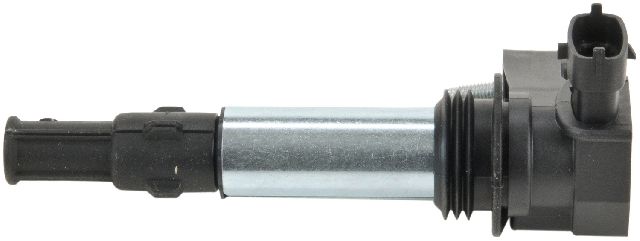
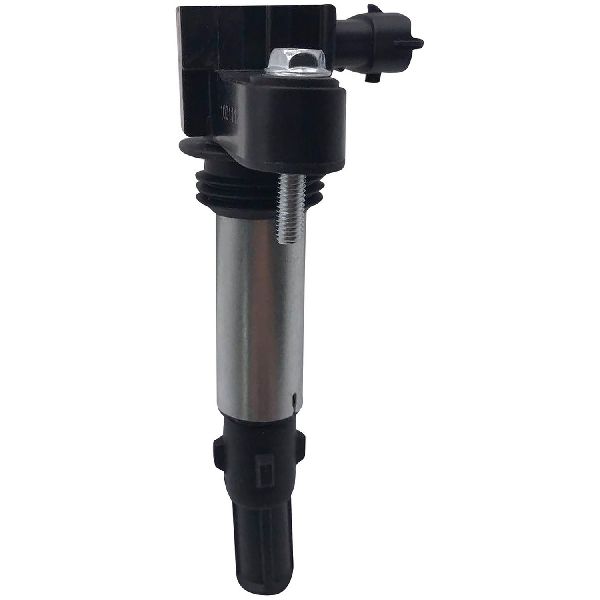
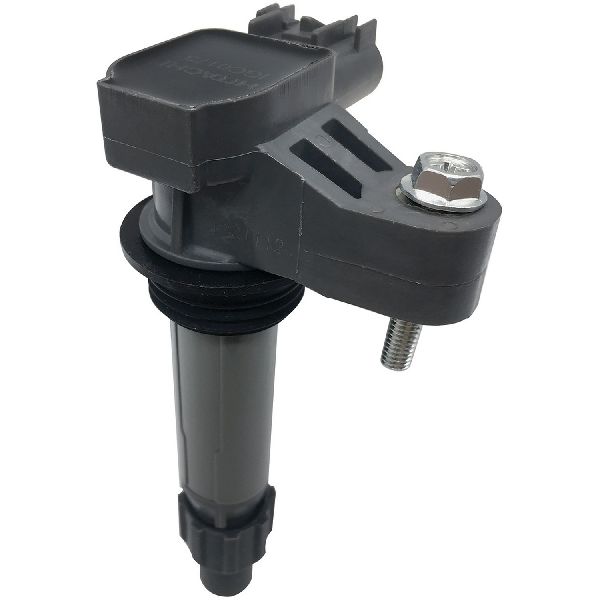
- Failed Ignition Coil 🔴 High Probability Coil-on-plug systems are common failure points on many modern engines due to constant exposure to high heat and vibration. The boot connecting the coil to the spark plug can also develop cracks or burn-through spots, causing the spark to ground out.
How to confirm: Swap the ignition coil from cylinder 3 with an adjacent cylinder (e.g., cylinder 1 on the V6 or V8). Clear the codes and drive. If the code changes to P0301, the coil is faulty. Visually inspect the coil's plastic housing and rubber boot for cracks, white residue, or burn marks.
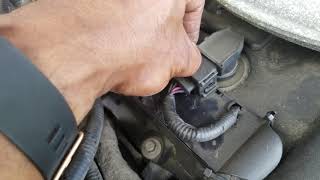
Typical fix: Replace the failed ignition coil. While some owners replace only the failed coil, many technicians recommend replacing all coils on the bank, or all coils at once if they are original and the vehicle has high mileage to prevent future failures. 🎬 Watch this step-by-step guide to replacing your STS ignition coils. Using only OEM (ACDelco) or high-quality OEM-equivalent coils is strongly advised, as low-quality aftermarket coils have a high failure rate and can sometimes short out, potentially damaging the ECM.
Est. part cost: $80-$115 for a single OEM coil. - Worn or Fouled Spark Plug 🟡 Medium Probability Spark plugs are a regular maintenance item with a finite service life. Plugs that are past their 100,000-mile service interval, or are fouled by oil or carbon, can fail to produce a strong enough spark to ignite the air-fuel mixture properly.
How to confirm: After ruling out the coil, remove the spark plug from cylinder 3. Inspect it for wear on the electrode, carbon tracking (a black line down the porcelain), oil fouling, or damage. A wet, fuel-smelling plug indicates a lack of spark, while a black, sooty plug points to a rich condition or incomplete combustion.
Typical fix: Replace the spark plug in cylinder 3. It is best practice to replace all spark plugs at the same time to ensure even performance and avoid repeat repairs. Use the specified Iridium-type plugs for longevity and performance. For the 3.6L LLT, the spark plug gap should be between 0.040" and 0.044".
Est. part cost: $8-$20 per OEM-spec plug. - Clogged or Faulty Fuel Injector ⚪ Low Probability
How to confirm: If the coil and plug are good, the fuel injector is the next suspect. A professional can perform a fuel injector balance test. A DIY method is to listen for a consistent 'clicking' sound from the injector with a mechanic's stethoscope. You can also swap the injector with another cylinder, but this is significantly more labor-intensive than a coil swap.
Typical fix: Replace the faulty fuel injector. On the 3.6L direct-injection engine, this is a more involved job that may require removing the intake manifold.
Est. part cost: $70-$150 for a single injector.
Rare But Worth Checking
- Intake Valve Carbon Buildup (3.6L V6): The 3.6L LLT is a direct-injection engine, making it highly susceptible to carbon buildup on the back of the intake valves. This disrupts airflow and can cause misfires, often more noticeable on a cold start. GM issued TSB PIP5029 to address this, which may require professional cleaning (e.g., walnut blasting) for removal.
- Wiring Harness Issue: The plastic connectors and wiring for the ignition coil can become brittle from heat cycles and break, causing a poor connection. For the 3.6L V6, the fuel injector harness is also known to chafe against the intake plenum or valve cover bolts, which can cause an electrical short or open, leading to misfire codes. TSB PIP4924D addresses this injector wiring issue.
- Low Engine Compression: Internal engine problems like a burnt exhaust valve, worn piston rings, or a leaking head gasket can cause a loss of compression and a persistent misfire. This is uncommon and should only be investigated with a compression test after all ignition and fuel system components have been ruled out.
- Vacuum Leak: A cracked or disconnected vacuum hose, or a leaking intake manifold gasket near cylinder 3, can introduce unmetered air and cause a lean misfire. On Northstar engines, the PCV hose that connects to the intake is a known failure point that can become soft and leak, causing an idle misfire. A failed PCV valve can also cause a rough idle and misfires.
Diagnosis Steps
- Read the code with an OBD-II scanner and confirm P0303 is present. Note any other codes, like P0300 or P0353, and check for freeze-frame data.
- Identify Cylinder 3 Location:
- - For the 3.6L V6: The passenger side of the engine is Bank 1. Cylinder 3 is the middle cylinder on this bank (front to back: 1-3-5).
- - For the 4.6L V8: The passenger side of the engine is Bank 1. Cylinder 3 is the second cylinder from the front on this bank (front to back: 1-3-5-7).
- Test the Ignition Coil: Swap the ignition coil from cylinder 3 with the coil from cylinder 1. Clear the codes, start the engine, and let it run or drive it briefly. Re-scan for codes. If the misfire code has moved to P0301, the ignition coil is bad and needs replacement.
- Inspect the Spark Plug: If the code remains P0303 after the coil swap, remove the spark plug from cylinder 3. Check for signs of wear, fouling (black and sooty), oil, or physical damage to the porcelain or electrode. If it looks bad or is near its service life, replace it. It's best to replace all plugs at once.
- Check the Wiring and Connector: Carefully inspect the wiring harness and plastic connector going to the cylinder 3 ignition coil. Look for cracked plastic, loose pins, or frayed wires. Wiggle the connector with the engine running to see if it affects the idle.
- Check the Fuel Injector: If the coil, plug, and wiring are good, listen to the fuel injector with a mechanic's stethoscope. It should have a regular, audible clicking sound. An silent or irregular injector may be faulty.
- Check for Vacuum Leaks: With the engine running, listen for hissing sounds around the intake manifold. A smoke test is the most effective way to find hard-to-see leaks from gaskets or vacuum hoses.
- Perform a Compression Test: If all else fails, a compression test will determine if there is a mechanical issue with the cylinder, such as bad rings, valves, or a head gasket leak.
Parts You'll Likely Need
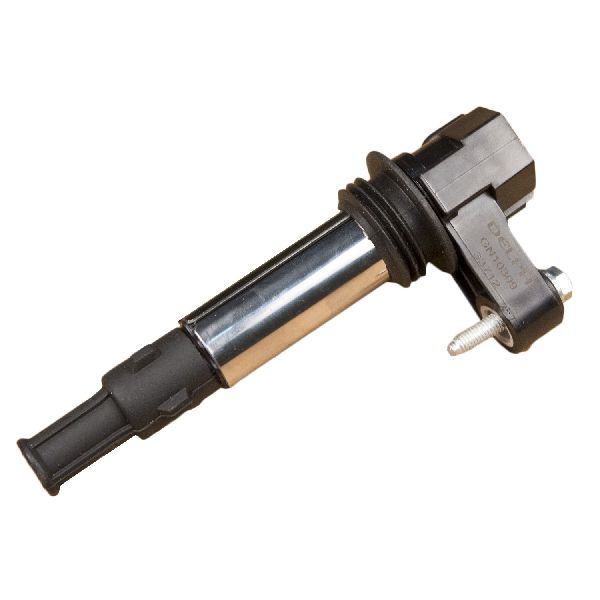
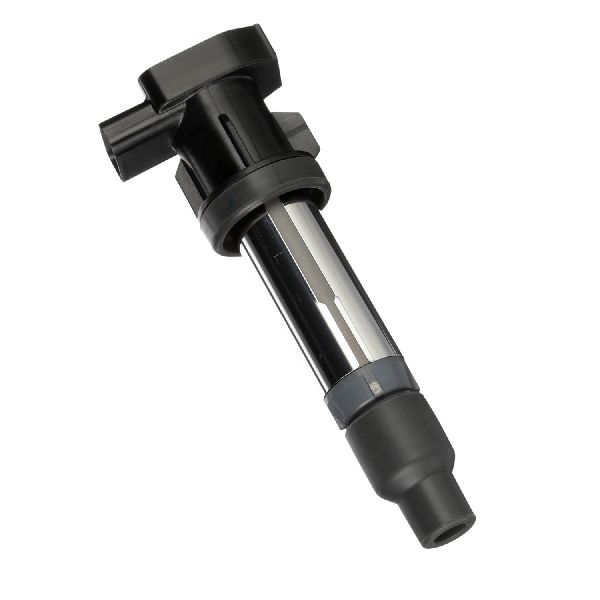
- Ignition Coil
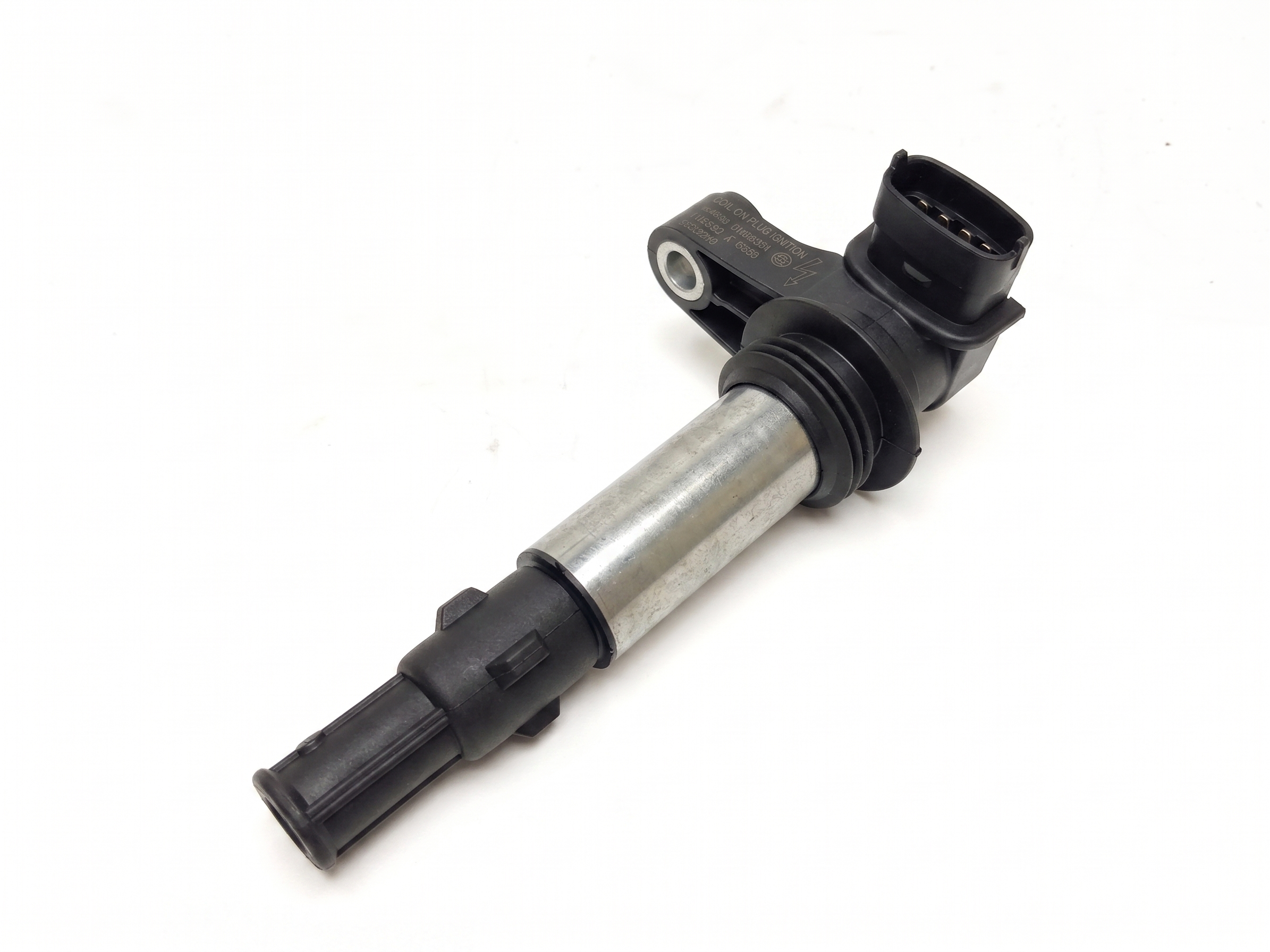
(OEM #12629037 (ACDelco D501C))— This is the most common failure part for a single-cylinder misfire on both the 3.6L and 4.6L engines in the STS.
Trusted brands: ACDelco (OEM), Delphi, NGK
OEM price range: $80-$115
Aftermarket price range: $40-$75 - Spark Plug (3.6L V6)
(OEM #41-990 (ACDelco Iridium))— Spark plugs are a routine maintenance item and a frequent cause of misfires if worn or fouled. The 3.6L LLT requires iridium plugs.
Trusted brands: ACDelco, NGK
Related Codes That Often Appear With This One
- P0300 — If the misfire is intermittent, severe, or starting to affect other cylinders, a P0300 (Random/Multiple Cylinder Misfire) code may appear alongside P0303.
- P0353 — This code means 'Ignition Coil 'C' (Cylinder 3) Primary/Secondary Circuit Malfunction.' If you see this with P0303, it almost certainly confirms a bad ignition coil or a problem in its wiring circuit, as noted in TSB #PIP5038B.
- P0203 — This code for 'Injector Circuit / Open - Cylinder 3' points to an electrical fault with the fuel injector or its wiring. If seen with P0303, it strongly suggests the cause is fuel-related, not spark-related. On the 3.6L V6, this combination often points to the chafed wiring harness issue described in TSB #PIP4924D.
Technical Service Bulletins (TSBs) & Recalls
- PIP5038B: General bulletin for misfire codes (P0300-P0306, P0351-P0356). Advises checking ignition coil power, grounds, and control circuits and notes that worn/fouled spark plugs can cause stress on coils.
- PIP5029 Series (A-H): Specifically addresses engine misfires on direct-injection engines like the 3.6L LLT, caused by heavy carbon deposits on intake valves. Recommends a decarbonization procedure.
- PIP4924D: Notes that on the 3.6L LLT engine, the fuel injector wiring harness can chafe against engine components, causing shorts or opens that can trigger injector circuit codes (like P0203) and resulting misfire codes (P0303).
Platform-Specific Known Issues
- On both engines, the ignition coil connector's plastic locking tab can become brittle from engine heat and break, leading to a loose connection that can cause an intermittent P0303. If the tab is broken, the connector itself may need to be replaced.
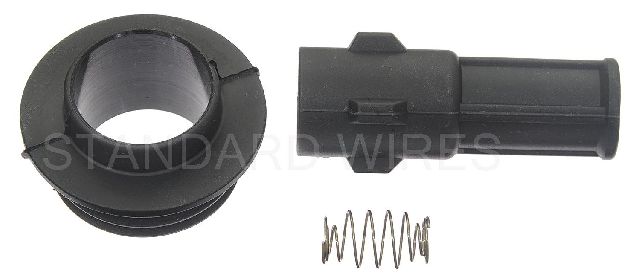
- It is possible for just the ignition coil boot (the rubber piece connecting to the spark plug) to fail. It can develop a small hole or crack, causing the spark to arc to the cylinder head instead of the plug. In some cases, replacing just the boot and spring can resolve the misfire for a lower cost than a full coil replacement.
Mechanic-Grade Diagnostic Values
- Ignition Coil Primary Resistance — expected: 0.4 to 2.0 ohms. Failure: A reading outside this range, especially an open circuit (infinite resistance).
- Ignition Coil Secondary Resistance — expected: 6,000 to 10,000 ohms. Failure: A reading significantly outside this range or an open circuit.
- Fuel Pressure (3.6L LLT Direct Injection) — expected: Approx. 508 psi (35 bar) at idle, up to 1,740 psi (120 bar) at wide-open throttle.. Failure: Pressure that is significantly lower than specified, especially under load, can indicate a weak high-pressure fuel pump.
Hidden / Shadow Codes Worth Checking
- Mode $06, Test ID $A2-$AF: This is not a DTC, but a function within a generic OBD-II scanner. These Test IDs correspond to misfire counts for each cylinder (e.g., $A3 for Cylinder 3). Even if the misfire isn't severe enough to set a P0303 code, you can see the raw count of misfire events here, which is useful for confirming an intermittent issue. (see via Use an OBD-II scan tool that supports Mode $06 data.)
Scan Tool Commands That Help
- GM Tech2 / GDS2: Power Balance Test — This function allows a technician to disable one cylinder at a time and observe the drop in engine RPM. If disabling cylinder 3 results in little or no change in RPM, it confirms that cylinder is not contributing power, pinpointing the misfire location without swapping parts.
- GM Tech2 / GDS2: Fuel Injector Balance Test — This test fires a selected injector for a specific duration and measures the corresponding drop in fuel pressure. It can identify a clogged or weak injector on cylinder 3 if the pressure drop is less than that of other cylinders.
Wiring & Ground Locations
- G100 (4.6L V8) — On the rear side of the right (passenger side) cylinder head.. This is a primary engine ground. A loose or corroded connection here can cause erratic behavior in sensors and actuators, including the ignition and fuel systems for Bank 1 (which includes cylinder 3).
- G107 (4.6L V8) — On the rear side of the right (passenger side) cylinder head.. This ground is specifically for the ignition coil modules on the 4.6L V8. A fault at this specific ground point is a direct potential cause for misfires on Bank 1, including P0303.
- Injector Harness Chafe Points (3.6L V6) — The fuel injector wiring harness can rub against the intake plenum, valve cover bolts, and the side of the cylinder head under the plenum, as documented in TSB PIP4924D.. This is a highly common failure point on the 3.6L V6. A chafed wire to the cylinder 3 injector can cause an open or short, triggering P0303 and often P0203. This should be inspected before replacing an injector.
Real Owner Repair Stories
- Cadillac Forums user (2006 STS (similar platform/engine)) — Misfire code, rough running.
❌ Tried (didn't work) Swapping ignition coils
✅ What actually fixed it The owner found a hairline crack in the porcelain of the spark plug on the misfiring cylinder. The crack was not obvious on first inspection but was allowing the spark to arc to the cylinder head instead of firing across the electrode gap. Replacing the spark plug resolved the issue.
"I Checked Everything" — The Actual Cause
- On the 4.6L Northstar V8, a smoke test for vacuum leaks may come back clean, but the actual cause of an idle misfire can be a deteriorated PCV hose. The hose becomes soft and collapses under vacuum, or develops small cracks that only open when the engine is hot, causing an intermittent lean condition that is hard to diagnose with a cold engine smoke test.
OEM Part Supersession History
12613057→12629037 (ACDelco D501C)— Standard part revision for improved reliability or manufacturing process change.
Heads up: The parts are interchangeable. D501C is the correct service replacement for the original part number.
Model Year Variations Within This Range
- 2008-2009: The 3.6L V6 (LLT) engine introduced in 2008 features direct injection, which was not on the previous 3.6L (LY7). This makes the 2008-2009 models susceptible to intake valve carbon buildup as a cause for misfires, an issue not seen on earlier port-injected versions.
Helpful Videos
Used OEM Parts in Stock

New Aftermarket Parts Available

The information in this article is provided for general reference and educational purposes only. Vehicle specifications, procedures, and part compatibility can vary by production date, trim level, and region. Always consult your vehicle's factory service manual and verify part numbers before purchasing or performing repairs. Safety-critical components such as airbags, seat belts, and braking systems should be installed by a qualified professional.
- Cadillac STS:
- 🎬 Helpful Videos
- 🛍️ Shop This Part
- What's Unique About the 2008-2009 Cadillac STS
- Diagnostic Flowchart
- Symptoms You May Notice
- Most Likely Causes
- Rare But Worth Checking
- Diagnosis Steps
- Parts You'll Likely Need
- Related Codes That Often Appear With This One
- Technical Service Bulletins (TSBs) & Recalls
- Platform-Specific Known Issues
- Mechanic-Grade Diagnostic Values
- Hidden / Shadow Codes Worth Checking
- Scan Tool Commands That Help
- Wiring & Ground Locations
- Real Owner Repair Stories
- "I Checked Everything" — The Actual Cause
- OEM Part Supersession History
- Model Year Variations Within This Range
- 🎟️ Get 5% Off