

P0302 on 2017-2022 Volkswagen Jetta: Cylinder 2 Misfire Causes and Fixes
P0302 on a 2017-2022 VW Jetta most often indicates a failed ignition coil or a worn-out spark plug in cylinder 2. Replacing an ignition coil is a common, straightforward DIY fix costing between $30 and $75. If ignition components are not the cause, carbon buildup on the intake valves is the next most likely culprit.
- P0302 on your Jetta means cylinder 2 is misfiring.
- The easiest and most likely fix is replacing the ignition coil on cylinder 2. A simple swap with another cylinder's coil will confirm the diagnosis.
- If a new coil and spark plug don't fix the issue, the next most likely cause is carbon buildup on the intake valves, a known issue with these engines that requires professional cleaning.
- Do not ignore a flashing check engine light, as this indicates a severe misfire that can quickly destroy your expensive catalytic converter.
What's Unique About the 2017-2022 Volkswagen JETTA

On the 2017-2022 Jetta's direct-injection turbocharged (TSI) engines (EA211 & EA888 families), P0302 misfires are very common. These engines are known for having ignition coils that can fail prematurely. Additionally, as a core design trait of gasoline direct injection (GDI), these engines are prone to carbon buildup on the intake valves, which doesn't get washed off by fuel. This buildup can disrupt airflow and cause misfires, especially during cold starts, and is a widely discussed issue in owner forums.
Diagnostic Flowchart

Tap your situation to follow the diagnostic path that matches what you're seeing on this vehicle.
Generation note: This year range covers the end of the Jetta Mk6 (2017-2018) and the start of the Mk7 (2019-2022). The Mk6 offered 1.4T, 1.8T, and 2.0T (GLI) engines, while the Mk7 primarily uses a 1.4T (2019-2021) and a newer 1.5T (2022+), plus a 2.0T (GLI). While the causes for P0302 are similar, specific part numbers for ignition coils and spark plugs differ between the EA211 (1.4T/1.5T) and EA888 (1.8T/2.0T) engines, a crucial detail for DIY repair.
Symptoms You May Notice
- Rough or vibrating idle
- Hesitation or stumbling during acceleration
- Flashing Check Engine Light (indicates a severe misfire)
- Solid (non-flashing) Check Engine Light
- Noticeable loss of engine power
- Reduced fuel economy
- Fuel smell from the exhaust
- Replacing all spark plugs and ignition coils when the actual cause is carbon buildup on the intake valves. A Reddit user with a 2019 GTI reported a dealer jumping straight to a $1300 carbon cleaning quote before even swapping coils.
- Replacing a fuel pump when the issue is an isolated, clogged fuel injector.
- Assuming a bad catalytic converter is the cause, when it is actually the *result* of the persistent misfire sending unburnt fuel into the exhaust.
Most Likely Causes

- Faulty Ignition Coil 🔴 High Probability Ignition coils are a well-documented common failure item on VW's TSI engines, with many owners reporting failures well before 100,000 miles.
How to confirm: Swap the ignition coil from cylinder 2 with another cylinder (e.g., cylinder 3). Clear the codes and drive. If the code changes to P0303, the coil is the faulty part. This is the standard first diagnostic step 🎬 Watch: How to diagnose and fix VW ignition coil codes. recommended in owner forums.
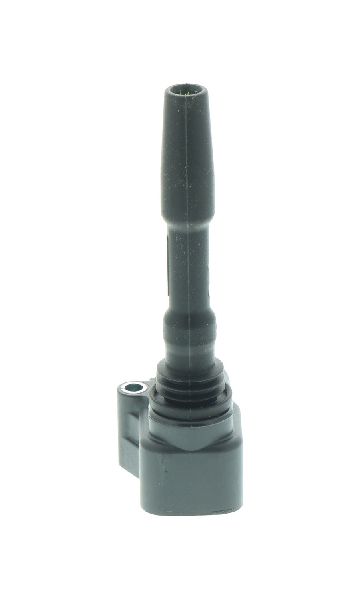
Typical fix: Replace the faulty ignition coil. It is a plug-and-play component held by a single connector, making it a very common DIY job.
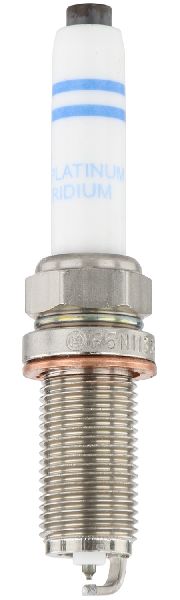
Est. part cost: $30 - $75 - Worn Spark Plug 🔴 High Probability Spark plugs are a regular maintenance item with a finite lifespan. A worn electrode, incorrect gap, or fouling from oil or carbon can cause a weak spark, leading to a misfire.
How to confirm: After confirming the coil is good, inspect the spark plug from cylinder 2. Look for wear, black (carbon) or oily (oil) fouling, or damage to the insulator or electrode. You can also swap the plug with another cylinder to see if the code follows.
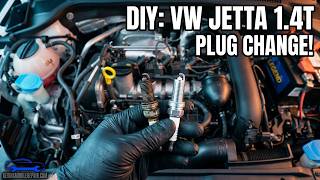
Typical fix: Replace the spark plug. It is highly recommended to replace all spark plugs at the same time to maintain consistent performance 🎬 See this step-by-step spark plug replacement for Mk7 Jettas. and avoid future misfires.
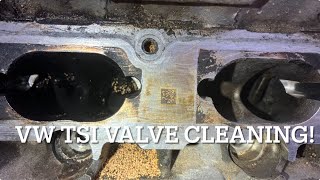
Est. part cost: $10 - $25 per plug - Carbon Buildup on Intake Valves 🟡 Medium Probability This is a systemic issue with all gasoline direct injection (GDI) engines, including VW's TSI line. Fuel is injected directly into the cylinder, so it never washes over the intake valves to clean them. Oil vapor from the PCV system and combustion byproducts bake onto the hot valves, restricting airflow and causing misfires, often when the engine is cold.
How to confirm: This requires visual inspection using a borescope inserted into the intake port after removing the intake manifold. A strong symptom is a rough idle on cold starts that smooths out when warm. Many owners report this issue starting between 60,000 and 100,000 miles.
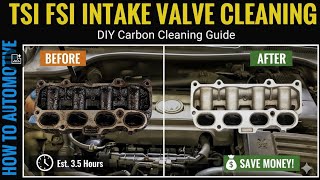
Typical fix: The intake valves must be cleaned manually. The most effective method is media blasting (often with walnut shells) 🎬 Watch: A DIY guide to walnut blasting TSI intake valves. with the intake manifold removed. This service can cost between $700 and $1300 at a dealership or independent shop.
Est. part cost: $20 - $50 for gaskets, but shop labor is significant. - Faulty Fuel Injector ⚪ Low Probability Direct injectors operate under high pressure and can become clogged or fail electronically over time, though this is less common than ignition or carbon issues.
How to confirm: This is more difficult to diagnose. It requires specialized tools to measure fuel flow or swapping injectors between cylinders, which is an involved job. A user on Reddit with a 2017 1.4T noted this was the next step after coils/plugs failed to solve the issue. A leaking injector can also cause a rapid loss of fuel rail pressure after the engine is shut off, which can be observed with a fuel pressure gauge.
Typical fix: Replace the faulty fuel injector. The fuel system must be depressurized before service.
Est. part cost: $50 - $150
Rare But Worth Checking
- Vacuum Leak: A leak in a vacuum hose or a failed PCV (Positive Crankcase Ventilation) valve can introduce unmetered air, throwing off the air-fuel ratio and causing misfires. While this often causes multiple/random misfire codes (P0300), a leak localized near the cylinder 2 intake runner could potentially cause an isolated P0302.
- Low Engine Compression: A mechanical issue like a burnt valve, damaged piston rings, or a leaking head gasket can cause a loss of compression in cylinder 2, preventing proper combustion. This is a serious engine problem that requires a compression test to confirm and often leads to a major repair.
Diagnosis Steps
- Read the trouble codes with an OBD-II scanner. Confirm P0302 is present and note any other codes (e.g., P0300, EPC).
- Observe the Check Engine Light. If it is flashing, avoid driving the vehicle to prevent catalytic converter damage.
- Identify cylinder 2. On VW's inline four-cylinder engines, cylinders are numbered 1-2-3-4 from the front (belt side) of the engine to the back (transmission side). Cylinder 2 is the second one from the belts.
- Swap the ignition coil from cylinder 2 with another cylinder (e.g., cylinder 1). This is the most common first step.
- Clear the codes using the scanner, start the engine, and let it run or drive it briefly.
- Re-scan for codes. If the code has moved to P0301, the ignition coil is faulty and needs to be replaced.
- If the code remains P0302, the coil is likely good. Move the spark plug from cylinder 2 to another cylinder (e.g., cylinder 3).
- Clear codes and re-test. If the code moves to P0303, the spark plug is faulty.
- If the code remains P0302 after swapping the coil and plug, the issue is more complex. The next steps are to inspect the fuel injector wiring, check for carbon buildup with a borescope, or perform a compression test. For persistent issues, owners recommend a VW-specific scan tool like VCDS or OBDeleven for more detailed data.
Parts You'll Likely Need

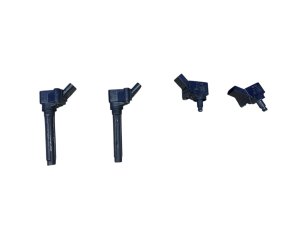
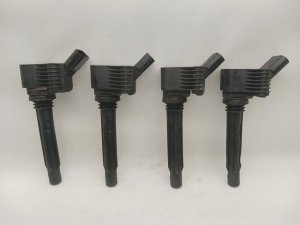
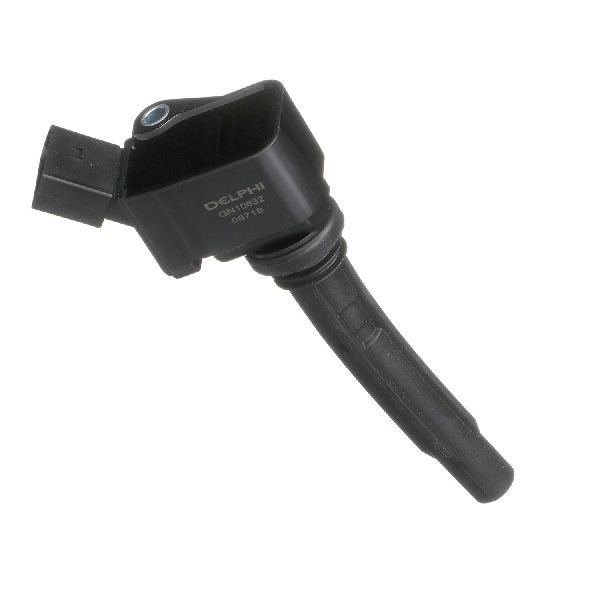
- Ignition Coil
(OEM #EA888 (1.8T/2.0T): 06H905110L, 06K905110K. EA211 (1.4T): 04E905110K)— This is the most common failure point for a single-cylinder misfire on this platform. Part numbers differ by engine.
Trusted brands: Bosch, NGK, Eldor, APR
OEM price range: $50 - $75
Aftermarket price range: $30 - $60 - Spark Plug
(OEM #EA888 (1.8T/2.0T): 06K905601K. EA211 (1.4T): 04E905612C)— As a standard wear item, a fouled or worn spark plug is the second most likely cause of a misfire. Part numbers differ by engine.
Trusted brands: NGK, Bosch, Denso
OEM price range: $20 - $30
Aftermarket price range: $10 - $20
Related Codes That Often Appear With This One
- P0300 — If the misfire is intermittent or affects other cylinders, a P0300 (Random/Multiple Cylinder Misfire) code may appear alongside P0302, pointing to a systemic issue like a vacuum leak or fuel delivery problem.
- P0301, P0303, P0304 — Misfire codes for other cylinders. If multiple are present, it points towards a systemic issue like a vacuum leak, fuel delivery problem, or widespread carbon buildup rather than a single bad coil or plug.
- EPC Light — The Electronic Power Control (EPC) warning light may illuminate alongside the Check Engine Light, as a misfire can impact engine power and stability systems. A user on r/jetta reported this exact combination on their 2017 1.4T.
Technical Service Bulletins (TSBs) & Recalls
- A Technical Service Bulletin (TSB) is a notice from the manufacturer to dealerships with recommended procedures for repairing common issues; it is not a recall.
- VIN4APIN20211116: A general TSB noting that a customer may report the MIL (Check Engine Light) is on with a combination of codes including P0302, among many others, indicating it's a known fault pattern.
- TSB 24-18-04: While for a slightly older model year, this TSB addresses misfires at idle on the 2.0T engine and recommends checking for carbon deposits on intake valves, showing a history of VW acknowledging this issue.
Platform-Specific Known Issues
- Carbon Buildup on Intake Valves: As noted, this is a significant issue for 2017-2022 Jetta models with TSI engines. It is not a matter of *if* but *when* cleaning will be needed, typically between 60,000 and 100,000 miles. Symptoms start as cold-start misfires that may not even trigger a code initially. Forum discussions on r/Jetta and VWVortex are filled with owners trading stories about the high cost of walnut blasting services.
- Premature Ignition Coil Failure: The ignition coils used on these engines are known to have a shorter lifespan than expected, making them a primary suspect for any misfire code. Upgraded coils from brands like APR are available, which claim to offer higher energy output.
Mechanic-Grade Diagnostic Values
- Low-Side Fuel Pressure at Idle — expected: 5.0 bar +/- 0.5 bar. Failure: Pressure significantly below this range indicates a failing low-pressure fuel pump (LPFP).
- High-Side Fuel Pressure (EA888 Engine) — expected: 40 bar at idle, up to 200 bar under load.. Failure: If the 'Actual' pressure cannot meet the 'Specified' pressure during a log, it can indicate a failing High-Pressure Fuel Pump (HPFP) or a leak.
- VCDS Misfire Counter (Live Data) — expected: 0 counts at idle and under load.. Failure: Any non-zero, incrementing value in the counter for cylinder 2 confirms an active misfire. This is more precise than waiting for a CEL.
Hidden / Shadow Codes Worth Checking
- Misfire Counters (Groups 015, 016): These are not traditional 'shadow codes' but live data blocks that show the real-time count of misfires per cylinder. A standard OBD-II scanner may only show the P0302 code after a certain threshold is met, but VCDS/OBDeleven can show individual misfire events as they happen. (see via VCDS or OBDeleven, navigate to Engine -> Measuring Blocks -> Groups 015 and 016.)
Scan Tool Commands That Help
- VCDS or OBDeleven: Output Test - Fuel Injectors — After ruling out spark plugs and coils, this test can be used to audibly check if the fuel injector for cylinder 2 is actuating. The tool commands the injector to click, helping to identify a completely dead injector without removing it.
- VCDS or OBDeleven: Graphing Misfire Counters — To diagnose intermittent misfires. By logging the misfire counter for cylinder 2 while driving, you can identify the exact conditions (e.g., high RPM, cold start, high load) under which the misfire occurs, which helps narrow down the cause.
Wiring & Ground Locations
- Engine Block Ground Strap — On the MQB platform (Mk7 Jetta), a primary engine-to-chassis ground strap is located on the driver's side frame rail, near the transmission mount.. Corrosion or looseness at this point can cause unstable voltage and grounding for the entire engine management system, including the ignition coils and ECU, leading to intermittent and hard-to-diagnose misfires.
- Ignition Coil Harness — Runs across the top of the engine to each coil pack.. On TSI engines, this harness is exposed to significant heat. Over time, the wiring insulation can become brittle and crack, especially at the connector for cylinder 2, causing a short or open circuit and a persistent P0302 code.
Real Owner Repair Stories
- Reddit user, r/jetta (2019 VW Jetta 1.4T) — P0302 Check Engine Light.
❌ Tried (didn't work) Replaced ignition coil on cylinder 2, Replaced spark plug on cylinder 2
✅ What actually fixed it The dealership diagnosed and replaced a faulty fuel injector for cylinder 2. - VWVortex Forums (2017 VW Jetta GLI (2.0T EA888)) — Persistent P0302, especially under load and high RPM.
❌ Tried (didn't work) Replaced all spark plugs, Replaced all ignition coils, Performed intake valve carbon cleaning
✅ What actually fixed it The final repair was replacing the PCV (Positive Crankcase Ventilation) valve assembly. An internal leak in the valve was disrupting the air-fuel mixture enough to cause a misfire on one cylinder under specific conditions. - Mechanic Forum Discussion (VW with EA888 engine) — Ticking noise from top end, followed by severe misfire (P0303 in this case, but applies to any cylinder) and zero compression.
❌ Tried (didn't work) Compression test (was initially good), Timing chain and tensioner replacement
✅ What actually fixed it A rocker arm for an exhaust valve had failed and popped off. This is a known, though rare, mechanical failure on EA888 engines that prevents the valve from opening, causing a complete misfire that fuel and spark-related parts cannot fix.
"I Checked Everything" — The Actual Cause
- A common scenario for TSI engines is a misfire code (like P0302) with no vacuum leaks found during a smoke test. The actual cause was a failed PCV valve. The internal diaphragm can tear or a check valve can stick, creating a vacuum leak that is internal to the engine's crankcase system and doesn't always show up on a smoke test of the intake tract, but still leans out the mixture enough to cause misfires.
OEM Part Supersession History
06K905110K→06L905110C, 06L905110D, 06L905110F, 06L905110H, 06L905110K— Ongoing revisions by Volkswagen to improve the reliability and longevity of the ignition coils for the EA888 engine.
Heads up: While many revisions are interchangeable, it is critical to use a VIN lookup or consult a dealer to ensure the latest compatible part is used. Using an older revision may lead to premature failure.
Model Year Variations Within This Range
- 2022: For the 2022 model year, the base engine was changed from the 1.4T (EA211) to the 1.5T (EA211 EVO). While architecturally similar, the 1.5T uses a different turbo, higher pressure fuel system (up to 350 bar), and has different part numbers for fuel and ignition components. For example, the 1.5T ignition coil is part number 05E905110.
Helpful Videos

Used OEM Parts in Stock
New Aftermarket Parts Available


The information in this article is provided for general reference and educational purposes only. Vehicle specifications, procedures, and part compatibility can vary by production date, trim level, and region. Always consult your vehicle's factory service manual and verify part numbers before purchasing or performing repairs. Safety-critical components such as airbags, seat belts, and braking systems should be installed by a qualified professional.
- Volkswagen JETTA:
- 🎬 Helpful Videos
- 🛍️ Shop This Part
- What's Unique About the 2017-2022 Volkswagen JETTA
- Diagnostic Flowchart
- Symptoms You May Notice
- Most Likely Causes
- Rare But Worth Checking
- Diagnosis Steps
- Parts You'll Likely Need
- Related Codes That Often Appear With This One
- Technical Service Bulletins (TSBs) & Recalls
- Platform-Specific Known Issues
- Mechanic-Grade Diagnostic Values
- Hidden / Shadow Codes Worth Checking
- Scan Tool Commands That Help
- Wiring & Ground Locations
- Real Owner Repair Stories
- "I Checked Everything" — The Actual Cause
- OEM Part Supersession History
- Model Year Variations Within This Range
- 🎟️ Get 5% Off