

P0302 on 2013 Scion FR-S: Cylinder 2 Misfire Causes and Fixes
On a 2013 Scion FR-S, code P0302 is most often caused by a faulty ignition coil or a worn spark plug for cylinder 2 (front, driver's side). A simple coil swap is the first diagnostic step. Expect to pay $50-$100 for a new coil. Early model year ignition coils are a known failure point and should be replaced with updated parts.
- P0302 on a 2013 FR-S means the front driver's side cylinder is misfiring.
- The most likely cause is a bad ignition coil or spark plug; start your diagnosis by swapping the coil to another cylinder.
- Do not ignore a flashing check engine light, as this can lead to costly catalytic converter damage.
- Be aware of the TSB regarding the camshaft position sensor and the past recall for valve springs, as they indicate known engine vulnerabilities for this model year.
What's Unique About the 2013-2013 Scion FR-S
The 2013 Scion FR-S is powered by the Subaru FA20, a horizontally-opposed 'boxer' engine. This design makes some repairs, like changing spark plugs, more labor-intensive than on typical inline-four engines due to tight clearances in the engine bay. 🎬 See this walkthrough for changing spark plugs in under an hour. For this specific model year, misfire codes are sometimes linked to a known issue with camshaft position sensor clearances, as documented in a Technical Service Bulletin (TSB). Additionally, 2013 models were subject to a major recall for engine valve springs that could fracture. There have been numerous owner reports of engine failure and misfires occurring after the recall work was performed, sometimes attributed to improper application of sealant by technicians.
Diagnostic Flowchart
Tap your situation to follow the diagnostic path that matches what you're seeing on this vehicle.
Symptoms You May Notice
- Rough or shaky idle
- Hesitation or stumbling during acceleration
- Noticeable loss of engine power
- Solid or flashing Check Engine Light
- Increased fuel consumption
- Louder than normal exhaust note or a 'puttering' sound on deceleration
- Rotten egg or fuel smell from the exhaust
- Assuming the engine has catastrophic failure (e.g., rod knock) without performing basic diagnostics. While a knocking sound can be serious, forum users have reported P0302 with loud noises that turned out to be a bad coil and leaking gaskets, not a failed engine.
Most Likely Causes
- Faulty Ignition Coil 🔴 High Probability The original ignition coils on 2013-2014 models are a known failure item. An updated part was used on 2015+ models. Some owners report replacing all four coils by 70,000 miles. Forum users on Reddit noted that the original coils from the 2013 era are prone to defects and recommend replacing all four with newer OEM parts rather than just the failed one.
How to confirm: Swap the ignition coil from cylinder 2 (front, driver's side) with the coil from cylinder 4 (rear, driver's side). Clear the codes and drive. If the code changes to P0304, the coil is the culprit.
Typical fix: Replace the faulty ignition coil. It is highly recommended to replace all four coils with the updated 2015+ part number to prevent future failures.
Est. part cost: $50 - $120 - Worn or Fouled Spark Plug 🔴 High Probability The manufacturer recommends spark plug replacement at 60,000 miles. Access is difficult due to the boxer engine layout, so they are often neglected. In one documented case on ft86club.com, a nearly new OEM Denso plug failed when the main electrode broke off, causing a severe P0302 misfire.
How to confirm: After confirming the coil is good, inspect the spark plug for wear, carbon fouling, or oil deposits. A broken electrode is a possibility. You can also swap the plug with another cylinder to see if the misfire follows.
Typical fix: Replace the spark plug. It is highly recommended to replace all four at the same time with the specified OEM plugs.
Est. part cost: $15 - $30 per plug - Camshaft Position Sensor Clearance 🟡 Medium Probability A manufacturer TSB (S-SB-0013-14) specifically identifies this as a potential cause for P030x codes on 2013 models due to the sensor clearance being out of specification.
How to confirm: This is difficult to confirm without specialized tools and knowledge of the TSB procedure. It's typically diagnosed by a dealer after ignition and fuel system basics have been ruled out.
Typical fix: Follow the procedure outlined in TSB S-SB-0013-14 to inspect and adjust the camshaft position sensor clearance.
Est. part cost: $0 (if adjustment only) - $100 (for a new sensor) - Clogged or Faulty Fuel Injector ⚪ Low Probability
How to confirm: Listen for the injector's clicking sound with a mechanic's stethoscope. Check resistance with a multimeter. A more definitive test involves a professional injector cleaning and flow-testing service. Some owners have resolved misfires that persisted after ignition part replacement by using a quality fuel system cleaner like Redline.
Typical fix: Replace the faulty fuel injector. In some cases, a professional cleaning or a strong in-tank cleaner may be sufficient.
Est. part cost: $100 - $200
Rare But Worth Checking
- Low Engine Compression: This is a more serious mechanical issue. It could be related to worn piston rings, a leaking head gasket, or valvetrain problems. A user on ft86club.com with a P0303 code discovered low compression (90 psi vs 180 psi) in the affected cylinder, which was ultimately related to the valve spring recall issue. A compression or leak-down test is required for diagnosis.
- Vacuum Leak: A leak in a vacuum hose or intake manifold gasket can lean out the air-fuel mixture and cause a misfire. This would usually be accompanied by other codes, like a lean code (P0171) or an air-fuel imbalance code (P219A).
- Improper Valve Spring Recall Repair: Numerous owners have reported engine issues, including misfires and catastrophic failure, shortly after having the valve spring recall performed. The issue was often traced back to improper application of sealant by technicians, leading to oil starvation. If the P0302 code appears shortly after this service, the repair itself should be considered a potential cause.
Diagnosis Steps
- Confirm the code is P0302 using an OBD-II scanner. Note any other codes present, such as P219A or P0171.
- Identify cylinder 2. On the Scion FR-S, this is the front cylinder on the driver's side.
- Swap the ignition coil from cylinder 2 with the coil from cylinder 4 (rear, driver's side).
- Clear the codes and test drive the vehicle. If the code changes to P0304, the ignition coil is faulty and needs replacement. Consider replacing all four with the updated part number.
- If the code returns as P0302, swap the spark plug from cylinder 2 with the plug from cylinder 4.
- Clear the codes and test drive. If the code changes to P0304, the spark plug was the issue. Replace all four plugs.
- If the code remains P0302, inspect the wiring and connector for the cylinder 2 ignition coil and fuel injector for any damage or corrosion.
- Consider a fuel system issue. Try a high-quality fuel injector cleaner. If that fails, test the fuel injector's resistance or have it professionally cleaned and tested.
- If ignition and fuel components are ruled out, investigate more serious possibilities. Perform a compression test and a leak-down test to check for mechanical engine problems like bad valves or piston rings.
- If the vehicle recently had the valve spring recall service performed, contact the dealership immediately as the issue could be related to the repair.
Parts You'll Likely Need
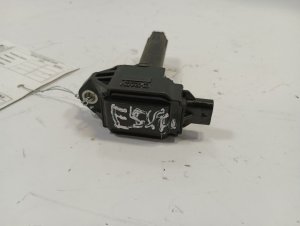
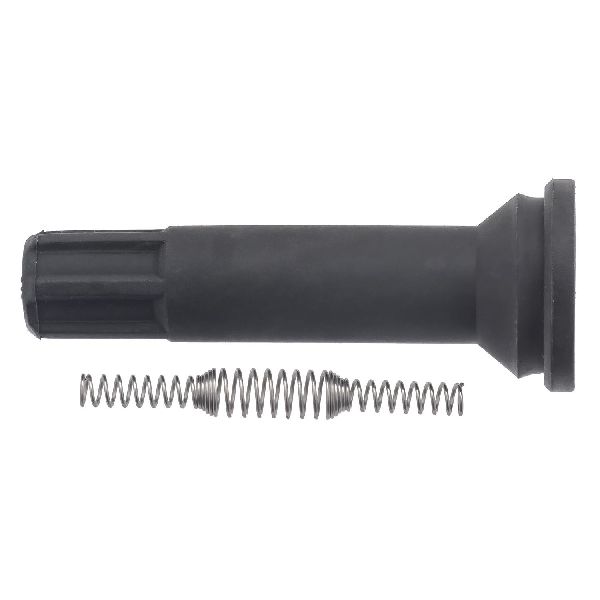
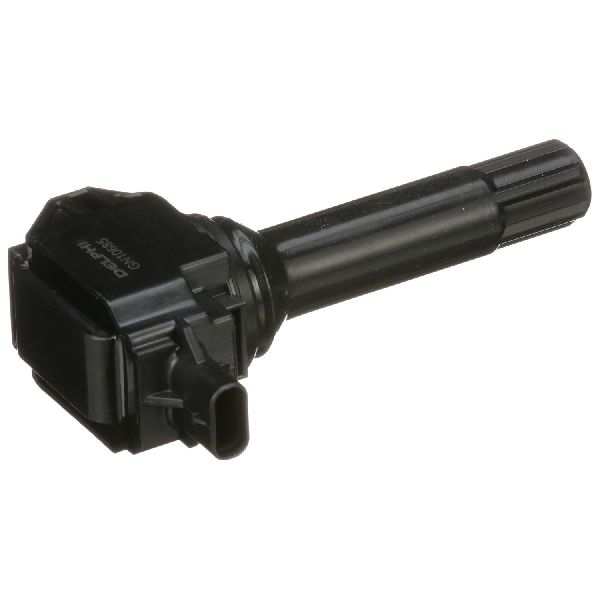
- Ignition Coil
(OEM #SU003-02193 (Old), 22433AA730 (Subaru, 2015+ updated part))— This is one of the most common failure items causing a single-cylinder misfire, especially the original coils on 2013 models.
Trusted brands: Denso, NGK, Subaru (OEM)
OEM price range: $90-$150
Aftermarket price range: $50-$100 - Spark Plug
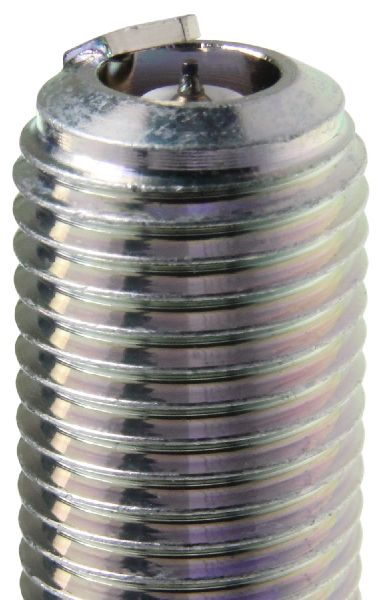
(OEM #SU003-01380 (Toyota), NGK DILKAR8A8)— Spark plugs are a routine maintenance item and a frequent cause of misfires if worn or fouled. The OEM plug is an NGK Iridium plug.
Trusted brands: NGK, Denso
OEM price range: $20-$30
Aftermarket price range: $15-$25
Related Codes That Often Appear With This One
- P0300 — If multiple cylinders are misfiring, you may see P0300 (Random/Multiple Misfire) in addition to P0302.
- P0301, P0303, P0304 — Misfire codes for other cylinders. Seeing them together points to a common problem like fuel delivery or a vacuum leak.
- P219A — This code indicates an air-fuel ratio imbalance for Bank 1. A misfire in one cylinder can cause the oxygen sensors to report an imbalance. One owner on ft86club.com reported P0302 along with P219A, which ended up being a faulty high-pressure fuel pump.
- P0171 — Indicates the engine is running too lean on Bank 1. This can be caused by a vacuum leak or fuel delivery issue that is also causing the misfire in cylinder 2.
Technical Service Bulletins (TSBs) & Recalls
- S-SB-0013-14: Addresses potential for misfire codes due to camshaft position sensor clearance.
- Subaru TSB 07-120-17: Pertains to the updated ignition coil and harness design to prevent premature failure, a common issue on early models.
Platform-Specific Known Issues
- TSB S-SB-0013-14: Camshaft Sensor Clearance: A Technical Service Bulletin issued by the manufacturer notes that some 2013 vehicles may experience engine misfire DTCs (including P0302) due to the camshaft position sensor clearance being out of specification.
- Valve Spring Recall (Subaru Recall WTY-84 / Toyota J1L/J02): The 2013 Scion FR-S was included in a recall for engine valve springs that could fracture, causing an engine malfunction or stall. While not a direct cause of every P0302, it's a significant known issue with the engine's valvetrain for this model year. A large number of owners have reported engine failures and misfires after the recall service, often linked to technician error during reassembly.
- Defective Early Model Ignition Coils: The ignition coils used on the 2013-2014 models are a known common failure point. An updated, more reliable part was introduced for the 2015 model year and is a recommended upgrade when replacing a failed coil.
Mechanic-Grade Diagnostic Values
- Port Fuel Injector Resistance — expected: ~12.3 Ohms. Failure: A reading significantly higher or lower than the specification, or an open circuit (infinite resistance).
- Low-Pressure Fuel System Pressure — expected: Constant 4 bar (58 psi). Failure: Pressure that is significantly lower than 58 psi may indicate a weak in-tank fuel pump.
- High-Pressure Fuel System Pressure — expected: 2,000 to 2,800 PSI under load. Failure: Inability to reach target pressure under load could indicate a failing high-pressure fuel pump (HPFP). Note: This system can hold pressure over 3,000 PSI even when the engine is off and requires a special scan tool procedure to bleed down safely.
Hidden / Shadow Codes Worth Checking
- Mode $06 Misfire Data: This is not a code but a diagnostic mode that provides raw test data from the ECM. It includes misfire counters for each individual cylinder. A technician can view these counters to see if cylinder 2 is logging misfires, even if the count is not yet high enough to trigger a P0302 trouble code and illuminate the check engine light. (see via Requires an advanced OBD-II scan tool with Mode $06 capability, such as Toyota's Techstream software. The data may be cleared when the ignition is turned off if the misfire is intermittent.)
Scan Tool Commands That Help
- Toyota Techstream: Misfire Monitor — This function provides a more accurate and detailed view of current and historical misfire counts (EWMA) than the standard live data list. It is the preferred method for diagnosing intermittent misfires that don't immediately set a code.
- Factory Scan Tool (e.g., Techstream): High-Pressure Fuel System Bleed Down — This is a critical safety procedure that must be performed before servicing any components on the high-pressure fuel side, such as the direct injectors or the HPFP. The system retains extremely high pressure even after the engine is shut off.
Wiring & Ground Locations
- Engine to Frame Grounds — There are three primary engine grounds: one on each side of the front-bottom of the engine connecting to the frame rails, and one from the passenger side top-rear of the engine/transmission to the transmission tunnel.. A loose or corroded ground, particularly the one near the transmission that is often forgotten during clutch service, can cause erratic electrical behavior and contribute to misfires or other sensor issues.
- ECM (Engine Control Module) — Located at the right end of the dashboard.. The ECM sends the trigger signal (IGT2) to the ignition coil for cylinder 2. Any wiring issues between the ECM connector (e.g., A36) and the coil can cause a misfire.
Real Owner Repair Stories
- YouTube user documenting a dealer repair (2013 Scion FR-S) — P0302 code with a loud, consistent metallic knocking sound, flashing check engine light.
❌ Tried (didn't work) Owner feared it was catastrophic rod knock based on advice from online forums.
✅ What actually fixed it A Subaru dealership diagnosed the issue as a faulty ignition coil, a leaking timing chain cover, and a leaking cam carrier. The knocking noise was attributed to the cam carrier area, not internal engine failure. The total repair cost was approximately $2,700 CAD. - YouTube channel ZacBaldy (Subaru BRZ (FA20 Engine)) — Mysterious engine knock.
❌ Tried (didn't work) Initial diagnosis was unclear.
✅ What actually fixed it The problem was traced to a missing direct injector seal, which was causing a combustion issue and the resulting noise. - ft86club forum user (2013 Scion FR-S) — Engine failure on the highway approximately one week and 1,000 miles after the valve spring recall service was performed.
❌ Tried (didn't work) The car was running perfectly before the recall service.
✅ What actually fixed it The dealership pulled the oil pan and found a spun rod bearing on cylinder #4. The dealer sourced and installed a used, low-mileage engine from a vehicle not affected by the recall, covered under warranty.
"I Checked Everything" — The Actual Cause
- A standard smoke test checks for vacuum leaks in the intake tract but would not identify a leak at a direct injector seal. In one documented case, a knocking sound and misfire-like symptoms were caused by a missing direct injector seal. This allows unmetered air and improper fueling directly at the combustion chamber, causing a noise that can be mistaken for mechanical failure, but the issue is with the seal, not a cracked intake or bad gasket that a smoke test would find.
OEM Part Supersession History
SU003-02193 (Toyota/Scion)→22433AA730 (Subaru)— The original ignition coils on 2013-2014 models were prone to premature failure. The updated part used on 2015+ models is more reliable.
Model Year Variations Within This Range
- 2013-2014: These model years were equipped with less reliable ignition coils (PN SU003-02193) that are a common failure point. The 2015+ models use an updated, more durable coil (PN 22433AA730).
- 2013: This model year is subject to the J1L/J02 valve spring recall and TSB S-SB-0013-14 for camshaft sensor clearance, both of which can be underlying causes for misfire codes.
Helpful Videos
Used OEM Parts in Stock
New Aftermarket Parts Available


The information in this article is provided for general reference and educational purposes only. Vehicle specifications, procedures, and part compatibility can vary by production date, trim level, and region. Always consult your vehicle's factory service manual and verify part numbers before purchasing or performing repairs. Safety-critical components such as airbags, seat belts, and braking systems should be installed by a qualified professional.
- Scion FR-S:
- 🎬 Helpful Videos
- 🛍️ Shop This Part
- What's Unique About the 2013-2013 Scion FR-S
- Diagnostic Flowchart
- Symptoms You May Notice
- Most Likely Causes
- Rare But Worth Checking
- Diagnosis Steps
- Parts You'll Likely Need
- Related Codes That Often Appear With This One
- Technical Service Bulletins (TSBs) & Recalls
- Platform-Specific Known Issues
- Mechanic-Grade Diagnostic Values
- Hidden / Shadow Codes Worth Checking
- Scan Tool Commands That Help
- Wiring & Ground Locations
- Real Owner Repair Stories
- "I Checked Everything" — The Actual Cause
- OEM Part Supersession History
- Model Year Variations Within This Range
- 🎟️ Get 5% Off