

P0302 on 2016-2020 Mazda CX-9: Cylinder 2 Misfire Causes and Fixes
P0302 on a 2016-2020 Mazda CX-9 indicates a misfire in cylinder 2. The most common causes are a faulty ignition coil or a worn-out spark plug, which should be replaced every 40,000 miles. This is a DIY-friendly repair, with a single ignition coil costing around $65-$95 and a set of four spark plugs costing $60-$120. However, be aware of Mazda Technical Service Bulletins (TSBs) that point to more serious engine problems if the simple fixes don't work.
- P0302 means cylinder #2 is misfiring. Do not ignore it, especially if the check engine light is flashing, to avoid catalytic converter damage.
- The most likely cause is a bad ignition coil or a worn spark plug. Start your diagnosis by swapping the cylinder 2 ignition coil with another one to see if the code follows it.
- The spark plugs on the 2.5L Turbo engine should be replaced every 40,000 miles. If your vehicle is near or over this mileage, replace them.
- Accessing the coil and plug for cylinder 2 requires loosening and moving a metal bracket on top of the engine.
- If new coils and plugs don't fix the issue, be aware of Mazda TSBs that point to a more serious problem with the exhaust manifold and cylinder head that requires professional repair.
What's Unique About the 2016-2020 Mazda CX-9
The 2016-2020 Mazda CX-9 uses a high-compression, direct-injection 2.5L SkyActiv-G turbocharged engine. While this technology provides excellent power and efficiency, it relies on a strong, precise ignition system. Misfires can be common, and Mazda has issued Technical Service Bulletins (TSBs) for this engine family related to misfires caused by issues ranging from faulty exhaust manifold valves to oil consumption and cracked cylinder heads, indicating that diagnosis should not stop at just coils and plugs if the problem persists.
Diagnostic Flowchart
Tap your situation to follow the diagnostic path that matches what you're seeing on this vehicle.
Symptoms You May Notice
- Rough or shaky idling
- Poor acceleration and hesitation.
- Flashing or solid Check Engine Light.
- Reduced engine power.
- Decreased fuel economy.
- Unusual exhaust odor.
- Replacing only the spark plug when the ignition coil is the actual cause.
- Replacing fuel system components before performing a simple ignition coil swap test.
- Assuming a simple tune-up will fix the issue when the underlying cause is a more serious mechanical problem described in a TSB.
Most Likely Causes
- Faulty Ignition Coil 🔴 High Probability Ignition coils are a common wear item on modern direct-injection engines due to high heat and electrical stress. They are the most frequent first point of failure for a single-cylinder misfire.
How to confirm: Swap the ignition coil from cylinder 2 with another cylinder (e.g., cylinder 3). Clear the codes and drive. If the code changes to P0303, the ignition coil is faulty.
Typical fix: Replace the failed ignition coil. It is often recommended to replace the spark plugs at the same time, especially if they are near their 40,000-mile service interval.
Est. part cost: $65-$150 - Worn or Fouled Spark Plug 🔴 High Probability The 2.5L Turbo engine has a recommended spark plug replacement interval of 40,000 miles. Exceeding this interval significantly increases the risk of misfires. Forum users on Reddit confirm this is a critical maintenance item.
How to confirm: After ruling out the ignition coil, remove the spark plug from cylinder 2. Inspect it for wear (eroded electrode), carbon fouling, oil, or damage. Compare it to a new plug.
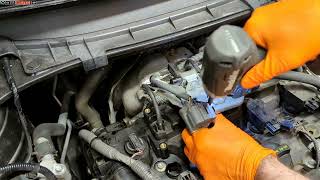
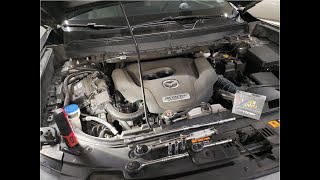
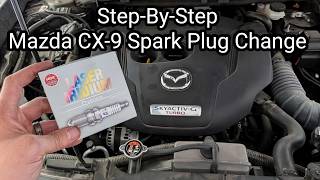
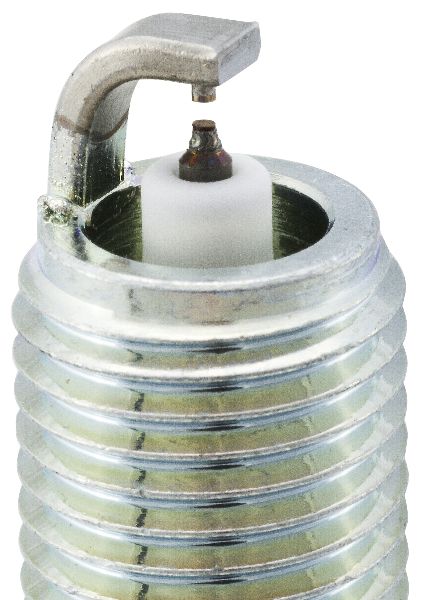
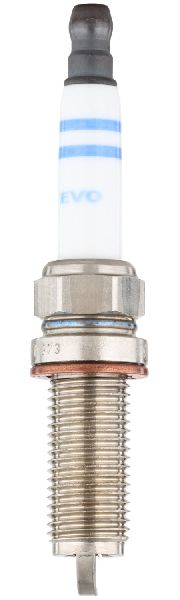
Typical fix: Replace all four spark plugs. It is critical to use the correct type (Iridium) and ensure they are gapped properly, although most come pre-gapped. The OEM-equivalent NGK 90288 is a popular 🎬 See how to install new spark plugs on this engine., cost-effective choice among owners.
Est. part cost: $60-$160 for a set of four - Faulty Fuel Injector ⚪ Low Probability Direct injection fuel injectors operate under very high pressure and can become clogged with carbon deposits or fail electronically over time, leading to an improper fuel mixture in the cylinder.
How to confirm: This is more difficult to diagnose and may require a professional. It involves checking the injector's electrical circuit with a multimeter or noid light, and potentially performing a flow test. Sometimes, a quality fuel system cleaner can resolve a minor clog.
Typical fix: Replace the faulty fuel injector and its seals. This is a more involved repair than a coil or plug and may require special tools.
Est. part cost: $100-$250
Rare But Worth Checking
- Internal Engine Issue (per TSB #01-001-23a): Mazda TSB #01-001-23a describes a scenario where a seizing exhaust manifold variable valve can cause overheating, leading to uneven wear on exhaust valve seats and a loss of compression. This is a significant mechanical failure requiring professional diagnosis and repair, which may include cylinder head replacement. A forum user on Mazdas247 reported a dealer quote of $6,000 for this repair, which was negotiated down to a $2,000 customer portion after corporate assistance.
- Intake Valve Carbon Buildup: Like many direct-injection engines, the SkyActiv-G 2.5T can be prone to carbon deposits on the intake valves over time, as fuel is injected directly into the cylinder and does not wash over the valves. While Mazda's design aims to minimize this by running hotter valves, it can still disrupt airflow and cause misfires, especially on vehicles used for frequent short trips. Diagnosis requires a borescope, and cleaning is typically done via walnut blasting.
- Cracked Cylinder Head: Mazda issued TSB #01-013/21 for coolant leaks around the exhaust manifold on 2016-2020 CX-9s (among other 2.5T models) due to cracks forming in the cylinder head. While not directly a misfire TSB, a coolant leak into a cylinder can cause a misfire and may present with P030x codes.
Diagnosis Steps
- Read the trouble codes with an OBD-II scanner and confirm P0302 is present. Note any other codes.
- Identify cylinder 2. On the transverse-mounted 2.5L Turbo, the cylinders are numbered 1-2-3-4 from the passenger side (front/belt side) to the driver side (transmission side). Cylinder 2 is the second cylinder from the passenger side.
- Perform an ignition coil swap. Switch the coil from cylinder 2 with the coil from cylinder 3. Clear the codes and drive the vehicle until the check engine light returns.
- Re-scan the codes. If the code is now P0303, the ignition coil you moved is faulty and needs replacement.
- If the code remains P0302, the coil is likely good. Proceed to inspect the spark plug. Remove the plug from cylinder 2 and check for wear, damage, or heavy deposits.
- If the spark plug is old or visibly worn, replace all four spark plugs. The recommended interval is 40,000 miles. 🎬 Follow this DIY walkthrough for a 2.5L turbo plug replacement.
- If the coil and plug are good, the issue may be with the fuel injector, carbon buildup, or a mechanical problem. At this stage, professional diagnosis is recommended to check for fuel injector issues, perform a compression test, or use a borescope to inspect for carbon buildup or valve issues.
Parts You'll Likely Need
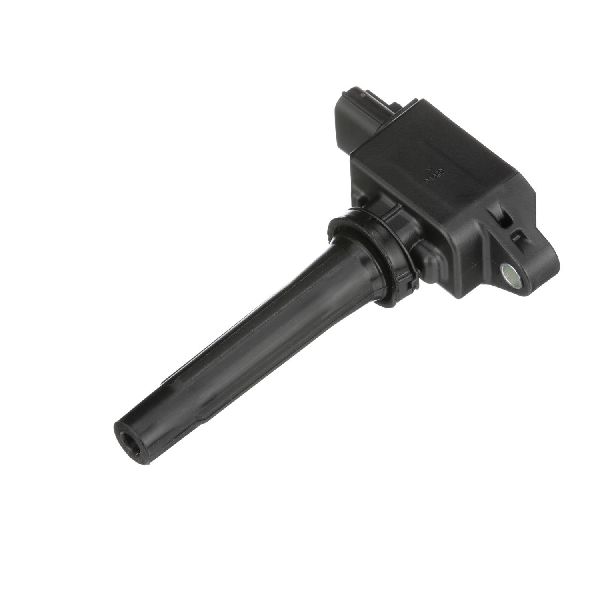
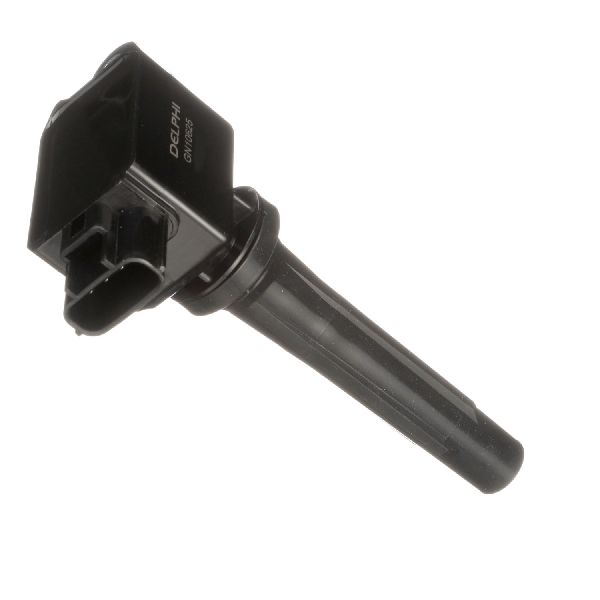
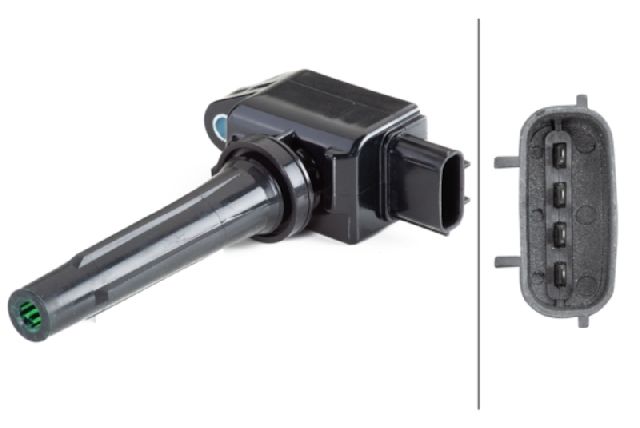
- Ignition Coil
(OEM #PY8W-18-100)— This is the most common failure point for a single-cylinder misfire on this engine.
Trusted brands: Mazda (OEM), NGK, Delphi, Hella
OEM price range: $65-$95
Aftermarket price range: $45-$75 - Iridium Spark Plug
(OEM #PY8V-18-110)— Spark plugs are a routine maintenance item and a frequent cause of misfires if their 40,000-mile service life is exceeded.
Trusted brands: NGK (OEM equivalent is NGK 90288 DILKAR7M8)
OEM price range: $25-$35 per plug
Aftermarket price range: $15-$25 per plug
Related Codes That Often Appear With This One
- P0300 — If the misfire is intermittent or begins to affect other cylinders, a P0300 (Random Misfire) code may be stored alongside P0302.
- P0301, P0303, P0304 — If other cylinder-specific misfire codes are present, it points towards a systemic issue like bad fuel, a vacuum leak, or the more serious valve seat issue described in TSB #01-001-23a.
- U0401:00 — TSB #01-010-18-3442b notes that this ABS code (Signal error from PCM) can be detected along with P0302/P0303 when the misfire is caused by the exhaust manifold variable valve issue on 2016-2017 models.
Technical Service Bulletins (TSBs) & Recalls
- 01-001-23a: Poor acceleration, rough idle, and misfire DTCs (P0301-P0304) on turbo engines due to a seizing exhaust manifold valve causing compression leakage.
- 01-010-18-3442b: Misfire on cylinder 2 or 3 (P0302, P0303) during acceleration on some 2016-2017 models, potentially related to the exhaust manifold variable valve.
- 01-013/21: Coolant leaks at the cylinder head around the exhaust manifold due to cracks, which can potentially cause misfires.
Platform-Specific Known Issues
- TSB #01-001-23a: Affects 2016-2020 CX-9 turbo models. A seizing variable valve in the exhaust manifold can cause excessive heat, leading to uneven wear on exhaust valve seats and compression loss, resulting in misfires (P030x). The fix involves replacing the cylinder head and the redesigned exhaust manifold.
- TSB #01-010-18-3442b: Affects 2016-2017 CX-9 models produced before Dec. 27, 2016. Describes misfires (P0302, P0303) during acceleration due to an out-of-alignment exhaust manifold variable valve shaft. The fix involves replacing the exhaust manifold and turbocharger assembly.
- TSB #01-013/21: Affects 2016-2020 CX-9 models (among others). Notes that some vehicles may experience coolant leaks at the cylinder head around the exhaust manifold due to cracks. This can lead to misfires if coolant enters a cylinder.
Mechanic-Grade Diagnostic Values
- Fuel Injector Resistance — expected: 12-18 Ohms (for high-impedance injectors). Failure: A reading of 0 Ohms indicates a dead short, while a reading significantly outside the expected range or inconsistent with other injectors suggests a failure.
- Short & Long Term Fuel Trims (STFT/LTFT) at idle — expected: Within +/- 8%. Failure: Consistently high positive trims (>10%) can indicate a vacuum leak, while high negative trims can indicate a leaking injector. While not a direct misfire test, it provides context on the fuel system's health.
Hidden / Shadow Codes Worth Checking
- Mode 6 Misfire Counters: The ECU tracks misfire events for each cylinder even if they are not frequent enough to set a P030x trouble code. This data can reveal which cylinder is misfiring intermittently before a Check Engine Light appears. (see via A professional scan tool or advanced DIY software like FORScan that can access OBD-II Mode 6 data. Look for Test ID $A2 through $AB (for up to 10 cylinders) to find misfire counts for the current and last 10 driving cycles.)
- U0401:00: Signal error from PCM, stored in the ABS module. Per TSB #01-010-18-3442b, this code can be stored along with a P0302 or P0303 misfire, even if the misfire code itself is not yet permanent. Its presence strongly points to the exhaust manifold variable valve issue on affected 2016-2017 models. (see via A scan tool capable of reading codes from the ABS control module, not just the PCM.)
Scan Tool Commands That Help
- Mazda M-MDS (MDARS): Module Reprogramming — Required when a TSB indicates that a PCM software update is the specified fix for a particular misfire condition, such as the issue described in TSB #01-021/18 for other models.
- Mazda M-MDS (MDARS): Collect Diagnostic Information — Used after a repair or reprogramming to upload the diagnostic record to Mazda's central server, confirming the work was completed.
Wiring & Ground Locations
- Interior Fuse Box Ground — There is a metal bolt near the interior fuse box (driver's side kick panel area) that can be used as a ground point. It may be on a painted surface.. A poor ground for the PCM or related sensors can cause erratic behavior and phantom codes. While this specific ground is not confirmed as the main engine ground, ensuring all grounds are clean and tight is a crucial step in complex electrical diagnosis. Continuity should be tested with a multimeter.
- Ignition Coil Connector — On top of the valve cover, connecting to each ignition coil.. The connector for the cylinder 2 ignition coil is a primary point of failure. It is a 3-wire connector. Checking for corrosion, backed-out pins, or harness damage at this connector is a key diagnostic step.
Real Owner Repair Stories
- Mazdas247 user 'texas_cx9' (2009 Mazda CX-9 Grand Touring, 106k miles (Note: First generation, but demonstrates a valid diagnostic path for a Mazda V6)) — Check engine light, loss of power, limp mode.
❌ Tried (didn't work) Initial diagnosis pointed to cylinder 4.
✅ What actually fixed it The user received codes P0204 (Injector Circuit Malfunction) and P0304 (Cylinder 4 Misfire). An Ohm test on injector #4 showed it was dead (0 Ohms). The other injectors measured between 12.3-12.6 Ohms. Replacing the single failed fuel injector resolved both codes. The new injector measured 12.8 Ohms.
OEM Part Supersession History
PE2L-18-100A (Incorrect for this vehicle)→PY8W-18-100 (Correct for 2.5T)— Part number correction.
Heads up: Part numbers like PE20-18-100A are for non-turbo Mazda engines and are not compatible with the 2.5L SkyActiv-G Turbo in the CX-9. Using the wrong coil can lead to poor performance or damage.
Model Year Variations Within This Range
- 2016-2017: Per TSB #01-010-18-3442b, vehicles produced before December 27, 2016, are susceptible to misfires on cylinders 2 and 3 during acceleration due to an out-of-alignment exhaust manifold variable valve shaft. Mazda improved production processes after this date to correct the issue.
Helpful Videos
Used OEM Parts in Stock

New Aftermarket Parts Available


The information in this article is provided for general reference and educational purposes only. Vehicle specifications, procedures, and part compatibility can vary by production date, trim level, and region. Always consult your vehicle's factory service manual and verify part numbers before purchasing or performing repairs. Safety-critical components such as airbags, seat belts, and braking systems should be installed by a qualified professional.
- Mazda CX-9:
- 🎬 Helpful Videos
- 🛍️ Shop This Part
- What's Unique About the 2016-2020 Mazda CX-9
- Diagnostic Flowchart
- Symptoms You May Notice
- Most Likely Causes
- Rare But Worth Checking
- Diagnosis Steps
- Parts You'll Likely Need
- Related Codes That Often Appear With This One
- Technical Service Bulletins (TSBs) & Recalls
- Platform-Specific Known Issues
- Mechanic-Grade Diagnostic Values
- Hidden / Shadow Codes Worth Checking
- Scan Tool Commands That Help
- Wiring & Ground Locations
- Real Owner Repair Stories
- OEM Part Supersession History
- Model Year Variations Within This Range
- 🎟️ Get 5% Off