

P0302 on 2014-2020 Mazda CX-5: Cylinder 2 Misfire Causes and Fixes
On a 2014-2020 Mazda CX-5, code P0302 most often points to a failed ignition coil or a worn-out spark plug in cylinder 2. The PCM flags this code when it detects a loss of rotational speed in the crankshaft corresponding to cylinder 2's power stroke. Replacing a single ignition coil typically costs between $50 and $150 for the part, while a set of four spark plugs is around $60-$120.
- P0302 indicates a misfire in cylinder 2, the second cylinder from the belt-side of the engine.
- The most likely cause is a faulty ignition coil, followed by a worn spark plug. Both are common DIY repairs.
- A simple and effective diagnostic test is to swap the ignition coil from cylinder 2 with an adjacent cylinder and see if the misfire code follows the coil.
- Do not delay fixing this code. A persistent misfire can destroy your catalytic converter, turning a minor repair into a major expense.
- Mazda has officially recognized several causes for misfires on this platform via TSBs, including failing ignition coils and, on turbo models, frozen water in the intake.
What's Unique About the 2014-2020 Mazda CX-5

The 2014-2020 Mazda CX-5, featuring Skyactiv direct-injection engines, is specifically addressed in several manufacturer Technical Service Bulletins (TSBs) for misfire codes. One notable TSB points to ignition coils from a specific supplier that can fail internally due to significant temperature differences. Another TSB, specific to turbo models, warns that frozen water in the intake system can cause misfires in cold climates. These official documents suggest a known sensitivity in the ignition and intake systems under certain conditions.
Diagnostic Flowchart

Tap your situation to follow the diagnostic path that matches what you're seeing on this vehicle.
Generation note: This range covers two generations of the CX-5: the first generation (KE, 2014-2016) and the second generation (KF, 2017-2020). The 2.5L Turbo engine, which has a specific TSB related to misfires, was introduced in the 2019 model year (second generation).
Symptoms You May Notice
- Rough or shaky idling
- Poor acceleration and lack of engine power. 🎬 Watch: Real-world diagnosis of a P0302 misfire and power loss.
- Hesitation or stumbling during acceleration.
- Flashing Check Engine Light
- Noticeable decrease in fuel economy.
- Engine stalling.
- Replacing oxygen sensors or the catalytic converter before diagnosing the misfire. A misfire causes these components to report errors, but they are usually not the root cause of the P0302 code.
- Assuming a new aftermarket ignition coil is good. One owner on a forum reported receiving a bad coil out of the box, which complicated diagnosis until it was swapped with another new part.
Most Likely Causes

- Failed Ignition Coil 🔴 High Probability Mazda issued a TSB (#01-014-16-3208A) specifically mentioning internal failure of ignition coils due to large temperature swings. The TSB notes this primarily affects coils from the vendor YUMEBISHI, which can be identified by a 4-digit lot number on the coil. Multiple owners on forums like Mazdas247.com have confirmed this failure.
How to confirm: Swap the ignition coil from cylinder 2 with another cylinder (e.g., cylinder 3). Clear the codes and run the engine. If the code changes to P0303, the ignition coil is faulty. One owner on a forum noted a visible 'burnt/bubble area' on the failed coil pack.
Typical fix: Replace the failed ignition coil. It is located on top of the engine, held by a single 8mm bolt. Many owners recommend replacing all four coils for peace of mind, especially if they are original and high-mileage.
Est. part cost: $50 - $150 - Worn or Fouled Spark Plug 🔴 High Probability Spark plugs are a regular maintenance item with a typical lifespan of 60,000 to 100,000 miles for Iridium types. However, factors like short-trip driving can lead to premature fouling. If they have not been replaced according to the service interval, they are a very common cause of misfires.
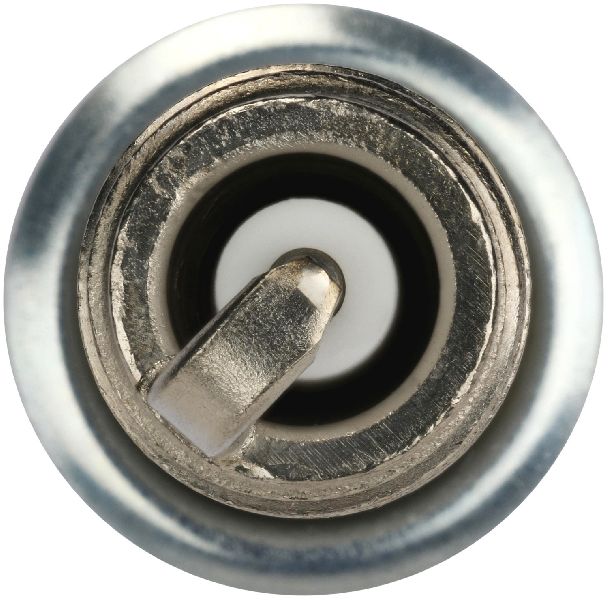
How to confirm: After confirming the coil is good, swap the spark plug from cylinder 2 with another cylinder (e.g., cylinder 4). If the code changes to P0304, the spark plug is bad. Visually inspect the plug for wear, corrosion, oil, or heavy carbon fouling.
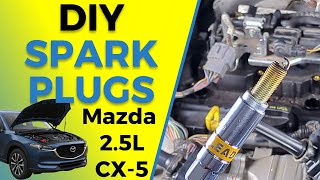
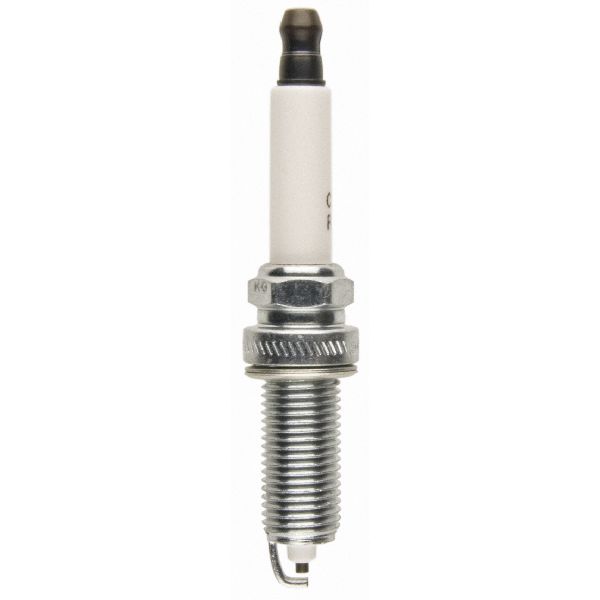
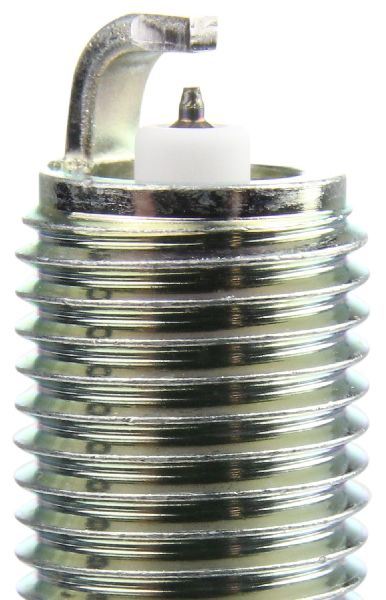
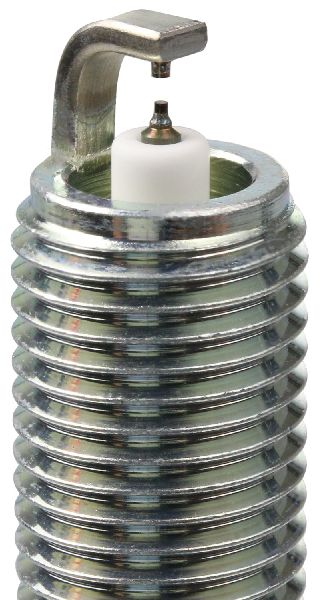
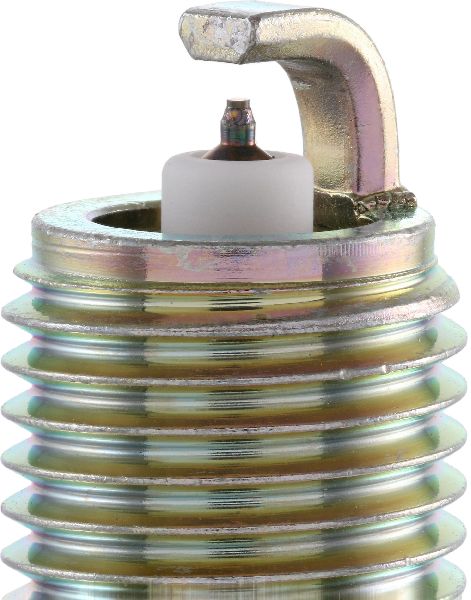
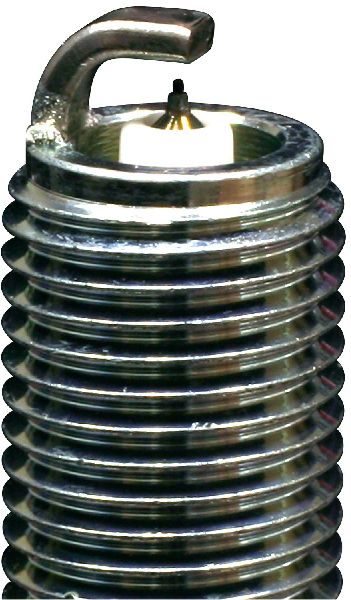
Typical fix: Replace all four spark plugs as a set to ensure even performance. Use high-quality Iridium plugs as specified by the manufacturer, such as NGK Laser Iridium ILKAR7L11. Torque to approximately 15 ft-lb.
Est. part cost: $60 - $120 (for a set of 4) - Faulty Fuel Injector 🟡 Medium Probability A TSB (#01-017-16-3242) indicates that misfire codes (P030x) can be stored at the same time as fuel injector circuit codes (P020x), pointing to potential injector issues. Direct injection injectors operate under high pressure and can become clogged or fail electronically.
How to confirm: A professional can perform a fuel injector balance test. You can also test the injector's resistance with a multimeter; the specification for Skyactiv engines is 1.74–2.04 ohms at 20°C (68°F). Swapping injectors between cylinders is also possible but is a much more involved job than swapping coils or plugs.
Typical fix: Replace the faulty fuel injector for cylinder 2. This is an advanced repair as it requires removing the intake manifold and depressurizing the fuel system. The O-rings, seals, and stopper rings must be replaced anytime an injector is removed.
Est. part cost: $100 - $250
Rare But Worth Checking
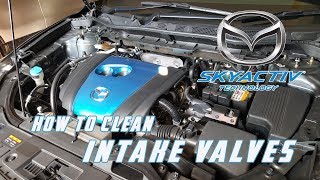
- Carbon Buildup on Intake Valves: Skyactiv engines use direct injection, where fuel is sprayed directly into the cylinder. This means no fuel washes over the intake valves, allowing carbon deposits from oil vapors to build up over time, which can restrict airflow and cause misfires, especially on cold starts. Several owners have resolved persistent misfires by performing a manual intake valve cleaning (e.g., walnut blasting) or using a chemical cleaning solution like Seafoam 🎬 Watch: How to clean carbon buildup from your intake valves. through a vacuum line.
- Frozen Water in Intake System (Turbo Models): For CX-5s with the 2.5L Turbo engine, TSBs #01-007-19-3541 and #01-006-18-3429 warn that in cold climates, water can freeze in the intercooler or intake piping, causing a misfire on startup.
Diagnosis Steps
- Read the fault codes with an OBD-II scanner and note any other codes present.
- Identify cylinder 2. On Mazda's inline 4-cylinder engines, it is the second cylinder from the front of the engine (the side with the accessory belts).
- Swap the ignition coil from cylinder 2 with the coil from cylinder 3. Clear the codes and drive the vehicle. If the code returns as P0303, the ignition coil is the problem.
- If the code remains P0302, swap the spark plug from cylinder 2 with the plug from cylinder 4. Clear codes and drive. If the code returns as P0304, the spark plug is faulty.
- If the code still remains P0302, inspect the electrical connector and wiring for the cylinder 2 ignition coil and fuel injector for any damage, corrosion or loose connections.
- If ignition and wiring are good, consider a fuel system issue. A clogged fuel injector is the next likely culprit. This may require professional diagnosis.
- For persistent issues, especially at higher mileage (over 100k miles), consider mechanical problems like low compression or carbon buildup on the intake valves. A compression test can check for mechanical engine health.
Parts You'll Likely Need

- Ignition Coil
(OEM #PE20-18-100A)— This is the most common failure point for a single-cylinder misfire and is identified as a known issue in a Mazda TSB. It supersedes part numbers PE01-18-100, PE01-18-100A, and P51B-18-100.
Trusted brands: Mazda (OEM), NGK (P/N: 48942), Denso, Delphi
OEM price range: $140 - $175
Aftermarket price range: $50 - $100 - Iridium Spark Plug
(OEM #PE5R-18-110A)— Spark plugs are a primary wear item in the ignition system and a frequent cause of misfires. It's recommended to replace them as a set. This part number supersedes several previous numbers including PE02-18-110 and PE21-18-110.
Trusted brands: NGK (Laser Iridium, P/N: ILKAR7L11 / 94124), Denso (Iridium, P/N: 3499)
OEM price range: $25 - $40 (per plug)
Aftermarket price range: $15 - $25 (per plug)
Related Codes That Often Appear With This One
- P0300 — This is a 'Random Misfire' code. It can appear with P0302 if the misfire is intermittent or starting to affect other cylinders.
- P0301, P0303, P0304 — Misfire codes for other cylinders. If multiple cylinders are misfiring, it points to a systemic issue like a vacuum leak, bad fuel, or a clogged fuel filter.
- P0202 — This code means 'Fuel Injector Circuit/Open - Cylinder 2'. TSB #01-017-16-3242 explicitly states that this code is usually stored at the same time as the P0302 misfire code when an injector is the cause.
Technical Service Bulletins (TSBs) & Recalls
- 01-001-23a: Notes poor acceleration and rough idle with P030x codes on turbo engines.
- 01-007-19-3541: Cites frozen water in the intake as a potential cause for P030x codes.
- 01-014-16-3208A: Identifies internal ignition coil failure from temperature changes as a cause for misfires.
- 01-017-16-3242: Links misfire codes with fuel injector circuit/open codes.
- 01-006-18-3429: Warns that frozen water in the intake system can lead to misfires in cold weather regions.
- 01-005-15-3030A: Connects P030x misfire codes with an increased engine oil level.
- 01-004-17-3317a: States that engine misfire DTCs are usually stored at the same time as fuel injector circuit open codes.
- 01-002-17-3299a: Mentions frozen water accumulation as a cause for misfire DTCs.
- 01-011-16-3139A: Also identifies frozen water as a cause for misfire codes.
Platform-Specific Known Issues
- Ignition Coil Failure: TSB #01-014-16-3208A was issued for 2013-2016 CX-5, 2014-2016 Mazda3, and 2014-2016 Mazda6 models due to ignition coils (specifically from vendor YUMEBISHI) failing internally from large differences between cold and warm temperatures, causing misfires.
- Fuel Injector Circuit Faults: TSB #01-017-16-3242 for 2015-2016 models notes that open fuel injector circuits can cause misfires, often logging P020x and P030x codes together.
- Intake Freezing (Turbo Only): TSBs #01-007-19-3541 and #01-006-18-3429 apply to models in cold weather regions, where frozen water in the intake system can lead to misfires.
- Poor Acceleration (Turbo Only): TSB #01-001-23a addresses complaints of poor acceleration and rough idling with P030x codes specifically on turbo engines.
Mechanic-Grade Diagnostic Values

- Ignition Coil Resistance (Primary Winding) — expected: 0.49 - 0.57 Ohms at 20°C (68°F). Failure: A reading outside this range indicates a faulty coil.
- Ignition Coil Resistance (Secondary Winding) — expected: 9.5 - 11.1 kOhms. Failure: A reading outside this range indicates a faulty coil.
- Fuel Injector Resistance — expected: 1.74 - 2.04 Ohms at 20°C (68°F). Failure: A reading of 0 (short) or OL (open) indicates a failed injector. A reading outside the specified range also indicates a fault.
- High-Pressure Fuel System Pressure (at idle) — expected: 3.0 MPa (435 psi) or more. Failure: A significantly lower reading on a scan tool's 'FUEL_PRES' PID suggests a problem with the high-pressure fuel pump.
- Low-Pressure Fuel System Pressure (Key On, Engine Off) — expected: 45 - 50 psi. Failure: A reading below 45 psi on a mechanical fuel pressure gauge suggests a weak in-tank fuel pump or relay issue.
Hidden / Shadow Codes Worth Checking
- Mode $06, TID $A3: This is not a DTC, but a diagnostic data point. It represents the raw misfire count for cylinder 2 monitored during the last drive cycle. A high value compared to other cylinders (e.g., TID $A2 for Cyl 1, $A4 for Cyl 3) can confirm an intermittent misfire on cylinder 2 before it's frequent enough to set the P0302 code. (see via An advanced OBD-II scanner or software like FORScan that can display Mode $06 test results.)
Scan Tool Commands That Help
- Mazda M-MDS, FORScan, or other professional-grade scanners: Cylinder Power Balance Test — Use this active test to confirm a misfire on cylinder 2 without swapping parts. The tool will sequentially disable each cylinder's injector. A healthy cylinder will cause a significant, measurable RPM drop when disabled. If disabling cylinder 2 causes little or no RPM drop, it confirms that cylinder is not contributing power.
Wiring & Ground Locations
- G03 — Located on the left front of the engine compartment, typically on the chassis frame rail near the headlight assembly.. This is a primary ground point for various engine components. Corrosion or a loose connection at G03 can cause intermittent and hard-to-diagnose electrical issues for the ignition and fuel systems, potentially leading to misfire codes.
Real Owner Repair Stories
- Mazdas247 Forum user 'mhj' (2013 Mazda CX-5 Sport, ~130,000 miles) — Persistent P0302 code, intermittent loss of power, and flashing check engine light. Problem would temporarily resolve after replacing spark plugs but always returned after a few months.
❌ Tried (didn't work) Replacing spark plugs (twice), Replacing all ignition coils, An initial, less-thorough intake valve cleaning
✅ What actually fixed it The owner performed a second, much more thorough manual cleaning of the intake valves using the 'ziptie method' and brake cleaner to remove heavy carbon deposits. This was followed by using a full can of Techron fuel system cleaner in the gas tank and an oil change. The problem did not return, indicating severe carbon buildup was the root cause.
"I Checked Everything" — The Actual Cause
- In cases of persistent P0302 on high-mileage Skyactiv engines where ignition parts are confirmed good and a smoke test reveals no vacuum leaks, the root cause is often severe carbon buildup on the back of the intake valves. This buildup restricts airflow into the cylinder, disrupting the air/fuel mixture and causing a misfire that standard diagnostic procedures might miss. The fix is a manual 'off-car' cleaning (like walnut blasting) or a very thorough mechanical scraping, as a simple chemical spray may not be sufficient.
When the Usual Fixes Don't Work
- While ignition coils and spark plugs are the most common culprits, there are numerous documented cases on forums where replacing these parts does not solve a persistent P0302. In many of these instances, particularly on engines over 100,000 miles, the problem was ultimately traced back to heavy carbon buildup on the intake valves, a known side effect of the Skyactiv direct injection system. One owner tried replacing plugs and coils multiple times with only temporary relief before a thorough manual valve cleaning finally resolved the issue permanently.
OEM Part Supersession History
PE01-18-100, PE01-18-100A, P51B-18-100→PE20-18-100A— Improved design or change in supplier to increase reliability and address failures noted in TSB 01-014-16-3208A.
Model Year Variations Within This Range
- 2019-2020: The 2.5L Turbo engine was introduced as an option, which has specific TSBs related to misfires caused by frozen water in the intercooler system in cold climates.
- 2017-2020 (Gen 2): The second generation (KF) features a revised chassis and interior. Later models in this range (approx. 2019+) began incorporating cylinder deactivation on the 2.5L non-turbo engine to improve fuel economy.
Helpful Videos

Used OEM Parts in Stock

New Aftermarket Parts Available

The information in this article is provided for general reference and educational purposes only. Vehicle specifications, procedures, and part compatibility can vary by production date, trim level, and region. Always consult your vehicle's factory service manual and verify part numbers before purchasing or performing repairs. Safety-critical components such as airbags, seat belts, and braking systems should be installed by a qualified professional.
- Mazda CX-5:
- 🎬 Helpful Videos
- 🛍️ Shop This Part
- What's Unique About the 2014-2020 Mazda CX-5
- Diagnostic Flowchart
- Symptoms You May Notice
- Most Likely Causes
- Rare But Worth Checking
- Diagnosis Steps
- Parts You'll Likely Need
- Related Codes That Often Appear With This One
- Technical Service Bulletins (TSBs) & Recalls
- Platform-Specific Known Issues
- Mechanic-Grade Diagnostic Values
- Hidden / Shadow Codes Worth Checking
- Scan Tool Commands That Help
- Wiring & Ground Locations
- Real Owner Repair Stories
- "I Checked Everything" — The Actual Cause
- When the Usual Fixes Don't Work
- OEM Part Supersession History
- Model Year Variations Within This Range
- 🎟️ Get 5% Off