

P0302 on 2023-2025 Lincoln Corsair: Cylinder 2 Misfire Causes and Fixes
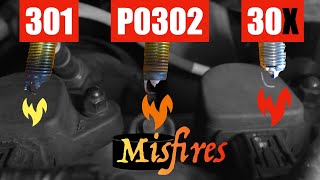
P0302 indicates a misfire in cylinder 2. On the 2023-2025 Lincoln Corsair, this is most often caused by a faulty ignition coil or a worn spark plug. Replacing the spark plug and ignition coil for cylinder 2 is the most common fix. However, be aware of more serious underlying issues like coolant intrusion.
- P0302 on a 2023-2025 Corsair almost always points to a bad ignition coil or spark plug on cylinder 2.
- The easiest way to diagnose the problem is to swap the ignition coil from cylinder 2 with another cylinder and see if the misfire code follows.
- Do not drive the vehicle if the check engine light is flashing, as this can cause expensive damage to the catalytic converter.
- When replacing one spark plug or coil, it is best practice to replace the full set to ensure long-term reliability.
What's Unique About the 2023-2025 Lincoln CORSAIR
The 2023-2025 Lincoln Corsair's 2.0L EcoBoost engine is a Gasoline Direct Injection (GDI) and turbocharged powerplant. This design increases power and efficiency but also makes it sensitive to spark plug and ignition coil condition. More critically, this engine family has a known design flaw where coolant can intrude into the cylinders, causing misfires that are often misdiagnosed as simple ignition problems. Multiple Technical Service Bulletins (TSBs) from Ford/Lincoln point directly to faulty spark plugs and/or ignition coils as the primary cause for misfire codes (P0301-P0304), but a persistent P0302 after replacing these parts warrants investigation for coolant intrusion or carbon buildup.
Diagnostic Flowchart
Tap your situation to follow the diagnostic path that matches what you're seeing on this vehicle.
Symptoms You May Notice
- Rough or shaky idle
- Hesitation or stumbling during acceleration
- Reduced engine power
- Flashing or solid Check Engine Light
- Decreased fuel economy
- Sweet smell from the exhaust (indicates burning coolant)
- White smoke from the exhaust, especially on a cold start
- Replacing the oxygen (O2) sensor. An O2 sensor might report a problem due to the misfire, but it is almost never the root cause of a single-cylinder misfire code.
- Replacing the mass airflow (MAF) sensor. A faulty MAF sensor would typically affect all cylinders and cause a random misfire code (P0300) or other system codes, not just P0302.
Most Likely Causes
- Faulty Ignition Coil 🔴 High Probability Ford/Lincoln TSB 24-2384 identifies ignition system components as a primary cause for misfires on the 2.0L EcoBoost engine used in the Corsair and its platform mates. Heat and wear can cause the coil to fail, preventing a strong spark.
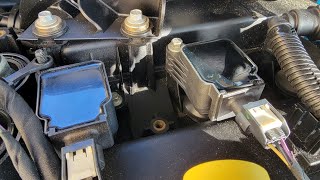
How to confirm: Swap the ignition coil from cylinder 2 with another cylinder (e.g., cylinder 3). Clear the codes and drive the vehicle. If the code changes to P0303, the ignition coil is faulty.
Typical fix: Replace the faulty ignition coil. It is often recommended to replace all four coils and spark plugs at the same time for preventative maintenance.
Est. part cost: $40-$80 per coil - Worn or Fouled Spark Plug 🔴 High Probability TSB 24-2384 and SSM 52630 specifically call out inspecting and replacing spark plugs to correct misfire conditions on these engines. Turbocharged GDI engines are harder on plugs, and a worn plug can strain and damage the ignition coil.
How to confirm: After confirming the coil is good, remove the spark plug from cylinder 2. Inspect it for wear (worn electrode), carbon buildup, oil fouling, or cracks in the porcelain. A plug fouled with coolant will appear unusually clean or have white, crystalline deposits.
Typical fix: Replace the spark plug in cylinder 2. It is best practice to replace all four spark plugs at the same time to ensure even performance and prevent future misfires.
Est. part cost: $15-$30 per plug - Faulty Fuel Injector ⚪ Low Probability While less common than ignition issues, a clogged or failing direct injector can prevent the correct amount of fuel from reaching cylinder 2, causing a misfire. The 2.0L EcoBoost uses a high-pressure direct injection system; the direct injector is the more likely of the two to cause a misfire if it fails.
How to confirm: This is more complex. A mechanic can perform a fuel injector balance test. A DIY method involves listening to the injector with a mechanic's stethoscope to ensure it's clicking. Swapping injectors between cylinders is possible but is significantly more labor-intensive than swapping coils.
Typical fix: Clean or replace the faulty fuel injector. It is often recommended to replace all injectors in the set.
Est. part cost: $70-$150 per injector
Rare But Worth Checking
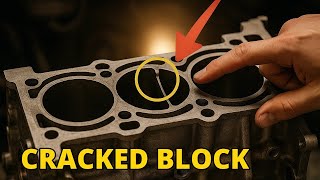
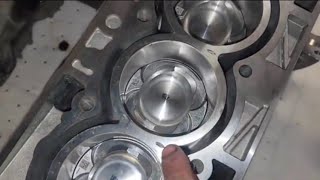
- Engine Coolant Intrusion: A critical and well-documented issue on 1.5L and 2.0L EcoBoost engines where a design flaw in the engine block allows coolant to leak into the cylinders. This fouls the spark plug and causes misfires (P0301-P0304). Symptoms include unexplained coolant loss and white exhaust smoke. Ford addressed this in TSB 19-2346, often requiring a long block replacement. 🎬 Watch: Everything you need to know about EcoBoost coolant intrusion issues. If you have replaced plugs and coils and the P0302 returns, this is a strong possibility.
- Carbon Buildup on Intake Valves: As a Gasoline Direct Injection (GDI) engine, fuel is sprayed directly into the cylinder, not over the intake valves. Over time, oil vapor from the PCV system can bake onto the back of the valves, restricting airflow and causing rough idle and misfires, especially when cold. The only effective fix is physical cleaning, such as walnut shell blasting.
- Vacuum Leak: A leak in the intake manifold gasket or a vacuum hose near cylinder 2 can lean out the air/fuel mixture and cause a misfire. A failed PCV valve or hose can also create a significant vacuum leak.
- Low Cylinder Compression: Internal engine issues like worn piston rings, a damaged piston, or a problem with the cylinder head valves can cause a loss of compression, leading to a misfire. This is the least likely cause and requires a compression test to confirm.
Diagnosis Steps
- Read the code with an OBD-II scanner to confirm P0302 is the primary code. Note any other codes like P0300 or P0316.
- Check for signs of a major issue: Is the coolant reservoir low? Is there white smoke from the exhaust? If yes, suspect coolant intrusion and proceed with caution.
- Inspect the wiring and connector for the cylinder 2 ignition coil for any visible damage or looseness. These connectors can become brittle and break.
- Swap the ignition coil from cylinder 2 with the coil from cylinder 3. Clear the codes and drive the car. If the code changes to P0303, the ignition coil is bad and needs replacement.
- If the code remains P0302, swap the spark plug from cylinder 2 with the plug from cylinder 1. Clear the codes and drive. If the code changes to P0301, the spark plug is bad. 🎬 Watch: Step-by-step diagnosis and fix for a P0302 misfire code.
- If the code remains P0302, the issue is less common. Investigate the fuel injector for cylinder 2. Listen for a consistent clicking sound with a mechanic's stethoscope.
- If ignition and fuel seem okay, perform a cylinder compression test. A low reading in cylinder 2 points to a mechanical problem (piston rings, valves, head gasket).
- If compression is good but you suspect coolant intrusion, a cylinder leak-down test or a chemical test for combustion gases in the coolant can confirm a breach.
Parts You'll Likely Need
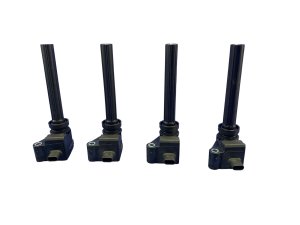
- Ignition Coil
(OEM #JX6Z-12029-B (supersedes JX6Z-12029-A))— This is the most common cause of a P0302 code on this platform, as identified in manufacturer TSBs.
Trusted brands: Motorcraft, Delphi, NGK
OEM price range: $60-$90
Aftermarket price range: $40-$70 - Spark Plug
(OEM #SP-594 (Motorcraft CYFS-12Y-PCT))— Spark plugs are a regular maintenance item and a frequent cause of misfires. A worn plug can cause the ignition coil to fail.
Trusted brands: Motorcraft, NGK, Bosch
OEM price range: $20-$30
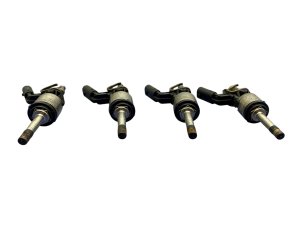
Aftermarket price range: $15-$25 - Direct Fuel Injector (High-Pressure)
(OEM #P2GZ-9F593-C (supersedes P2GZ-9F593-B))— If ignition components are confirmed good, a faulty direct injector is the next likely cause. The 2.0L engine has both port and direct injectors; this is the high-pressure one.
Trusted brands: Motorcraft
OEM price range: $70-$120
Aftermarket price range: $50-$90
Related Codes That Often Appear With This One
- P0300 — If the misfire is intermittent or begins to affect other cylinders (e.g., due to coolant intrusion), a P0300 (Random/Multiple Cylinder Misfire Detected) may be stored alongside P0302.
- P0316 — This code indicates a misfire was detected within the first 1,000 engine revolutions on startup. It is often logged with a specific cylinder misfire code like P0302 and is a key indicator in TSBs related to coolant intrusion.
Technical Service Bulletins (TSBs) & Recalls
- TSB 24-2384: Directly addresses misfire DTCs P0301-P0304 on 2023-2025 Escape/Corsair vehicles with the 2.0L EcoBoost engine, advising diagnosis. This is the most current and relevant TSB for an initial diagnosis.
- SSM 52630: Advises inspecting the condition of all spark plugs to correct misfire conditions on 2.3L and 2.0L EcoBoost engines.
- TSB 19-2346: Details the coolant intrusion issue on earlier 2.0L EcoBoost engines, which shares the same fundamental design. It lists associated misfire codes (P0301-P0304, P0316) and specifies long block replacement as the fix.
Platform-Specific Known Issues
- Engine Coolant Intrusion: A known design defect in the 2.0L EcoBoost engine block can cause coolant to leak into the cylinders, leading to misfires and eventual engine failure. This is covered under TSB 19-2346 and is a critical issue to be aware of if simple ignition part swaps do not fix the misfire.
- Carbon Buildup: The GDI fuel system leads to carbon deposits on the intake valves, which are not washed by fuel. This can cause misfires and rough running over time, requiring professional cleaning (walnut blasting).
Mechanic-Grade Diagnostic Values
- High-Pressure Fuel System — expected: 65 to 2,150 psi, depending on engine load and demand.. Failure: Pressure that is significantly below specification under load can indicate a failing high-pressure fuel pump. The PCM may try to compensate by increasing low-side pressure.
- Ignition Coil Primary Resistance — expected: Approximately 0.410 Ohms for a known aftermarket equivalent (MSD). OEM values should be similar.. Failure: A reading that is significantly higher (open circuit) or lower (short) indicates a failed coil winding.
- Ignition Coil Connector Voltage (Key On, Engine Off) — expected: One pin should show battery voltage (approx. 12V) which is the switched power supply from the PCM. The other pin is the ground control from the PCM and should show near 0V.. Failure: No voltage on the power supply pin indicates a wiring or fuse issue. Voltage on the ground control pin with the key on suggests a PCM driver issue.
Scan Tool Commands That Help
- Ford IDS / FORScan: Power Balance / Cylinder Contribution Test — This test graphically displays the performance of each cylinder, allowing a technician to see the drop in performance from cylinder 2 in real-time. Advanced tools like the Ford IDS or FORScan can disable individual injectors to see how it affects engine speed, helping to confirm a misfire without swapping parts.
Wiring & Ground Locations
- Ignition Coil Connector C156 (Cylinder 2) — On top of the valve cover, plugged into the second ignition coil from the front of the engine.. This 3-pin connector provides power and ground signal to the ignition coil. Damage to the connector or its wiring is a common point of failure, leading to a P0302 code. The plastic locking tabs often become brittle and break.
- Engine Compartment Fuse Box — Located near the battery in the engine bay.. This fuse box contains fuses and relays for the Powertrain Control Module (PCM) and ignition coils. A blown fuse can cut power to the ignition system, causing a misfire.
Real Owner Repair Stories
- CarKiller Forum user @jonnyboy57 (2018 Ford Edge 2.0L EcoBoost with 75k miles) — Check engine light, losing coolant with no visible leak, misfire fault.
❌ Tried (didn't work) The user identified the issue as coolant intrusion based on the well-known TSB.
✅ What actually fixed it This was not a permanent fix, but a temporary workaround was discovered: After driving, unscrewing the coolant reservoir cap to release system pressure would prevent coolant from being pushed into the cylinder through the block defect. This minimized coolant loss and prevented the misfire code from triggering.
OEM Part Supersession History
JX6Z-12029-A→JX6Z-12029-B— Standard part revision by the manufacturer, likely for improved reliability or manufacturing process.P2GZ-9F593-B→P2GZ-9F593-C— Standard part revision for the high-pressure direct fuel injector.
Helpful Videos
Used OEM Parts in Stock

New Aftermarket Parts Available


The information in this article is provided for general reference and educational purposes only. Vehicle specifications, procedures, and part compatibility can vary by production date, trim level, and region. Always consult your vehicle's factory service manual and verify part numbers before purchasing or performing repairs. Safety-critical components such as airbags, seat belts, and braking systems should be installed by a qualified professional.
- Lincoln CORSAIR:
- 🎬 Helpful Videos
- 🛍️ Shop This Part
- What's Unique About the 2023-2025 Lincoln CORSAIR
- Diagnostic Flowchart
- Symptoms You May Notice
- Most Likely Causes
- Rare But Worth Checking
- Diagnosis Steps
- Parts You'll Likely Need
- Related Codes That Often Appear With This One
- Technical Service Bulletins (TSBs) & Recalls
- Platform-Specific Known Issues
- Mechanic-Grade Diagnostic Values
- Scan Tool Commands That Help
- Wiring & Ground Locations
- Real Owner Repair Stories
- OEM Part Supersession History
- 🎟️ Get 5% Off