

P0302 on 2011-2015 Lexus CT Hybrid: Cylinder 2 Misfire Causes and Fixes
On a 2011-2015 Lexus CT200h, a P0302 misfire is most often caused by a clogged Exhaust Gas Recirculation (EGR) system, followed by worn spark plugs or a bad ignition coil. Cleaning the EGR system is a common, effective fix. However, this code can also be an early symptom of a failing head gasket, which is another known issue on this platform.
- P0302 on a Lexus CT200h is very often caused by a clogged EGR system, a known issue for this engine.
- Always start diagnosis with the simplest and cheapest steps: swap the ignition coil, then the spark plug, to see if the misfire moves to another cylinder.
- If ignition parts are not the cause, a thorough cleaning of the EGR valve, EGR cooler, and intake manifold passages is the most likely solution.
- Driving with a persistent misfire can lead to costly damage to your catalytic converter, so address the issue promptly.
What's Unique About the 2011-2015 Lexus CT HYBRID
The 2ZR-FXE engine in the Lexus CT200h, shared with the Toyota Prius, is known for its reliability but has a specific weakness. The design of the Exhaust Gas Recirculation (EGR) system can lead to significant carbon buildup over time, typically after 100,000 miles. This buildup clogs passages in the EGR cooler, valve, and intake manifold, which disrupts airflow to the cylinders and is a primary cause of misfire codes like P0302, especially during light acceleration or on cold starts. This issue is so prevalent that Lexus issued Technical Service Bulletin L-SB-0019-16 to address it. Furthermore, a clogged EGR system is believed to create hotspots in the cylinder head, which can lead to the second major issue on this platform: head gasket failure.
Diagnostic Flowchart
Tap your situation to follow the diagnostic path that matches what you're seeing on this vehicle.
Symptoms You May Notice
- Check Engine Light is on or flashing
- Rough or shaky engine idle, often described as a 'death rattle' on cold starts
- Vehicle runs rough, especially under light acceleration.
- Hesitation or stumbling during acceleration
- Reduced power
- Decreased fuel economy
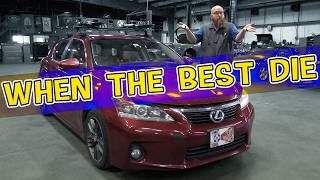
- Noticeable loss of engine coolant with no visible external leaks (symptom of head gasket failure) 🎬 Watch: See how these symptoms sound and what they cost to fix.
- White smoke from the exhaust, especially on startup (symptom of head gasket failure)
- Replacing only the spark plugs and ignition coils without inspecting the EGR system. Given the prevalence of EGR clogging on this platform, ignoring it often leads to the problem returning.
- Assuming a simple ignition problem when symptoms like cold start rattle and coolant loss are present, which strongly point to a head gasket failure.
Most Likely Causes
- Clogged EGR System (Intake Manifold, Cooler, Valve) 🔴 High Probability The 2ZR-FXE engine's EGR circuit design is highly susceptible to carbon accumulation, which restricts gas flow and causes uneven distribution to the cylinders, leading to misfires. This is documented in Lexus TSB L-SB-0019-16. The problem often manifests after 100,000 miles and is a common topic in owner forums.
How to confirm: Inspect the EGR pipe, EGR valve, and intake manifold ports for heavy, black carbon deposits. The misfire often occurs specifically during light acceleration when the EGR system is active. The presence of code P0401 (EGR Flow Insufficient) alongside P0302 is a strong confirmation.
Typical fix: Thoroughly clean the intake manifold, EGR cooler, EGR valve, and EGR pipe. Replace all associated gaskets. Many owners and shops recommend replacing the PCV valve at the same time. In some cases, the intake manifold may need to be replaced if cleaning is ineffective or if following TSB L-SB-0019-16, which recommends replacement.
Est. part cost: $20-$50 for gaskets, or up to $400 for a new manifold assembly. - Worn Spark Plugs 🟡 Medium Probability Spark plugs are a standard maintenance item. The recommended replacement interval is 120,000 miles, but they can fail earlier, causing a weak or inconsistent spark, especially if the engine is consuming oil.
How to confirm: Remove the spark plug from cylinder 2 and inspect it for wear, fouling, or damage. A plug that appears wet or steam-cleaned can indicate a coolant leak from a bad head gasket. A diagnostic test is to swap the plug with another cylinder and see if the misfire code follows.
Typical fix: Replace all four spark plugs. It is recommended to use OEM-equivalent Iridium plugs from brands like Denso or NGK. Toyota later superseded the original SC20HR11 plugs with a hotter SC16HR11 plug.
Est. part cost: $40-$80 for a set of four high-quality plugs. 🎬 Watch: A complete walkthrough for a tune-up and spark plug replacement.
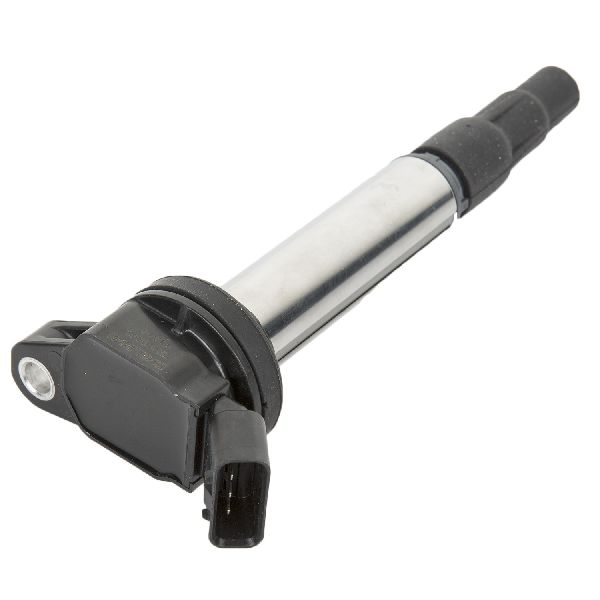
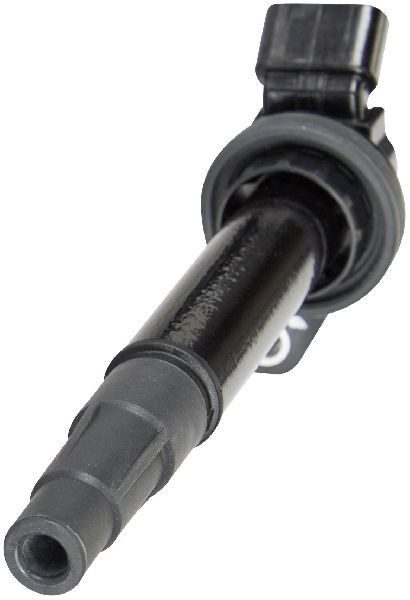
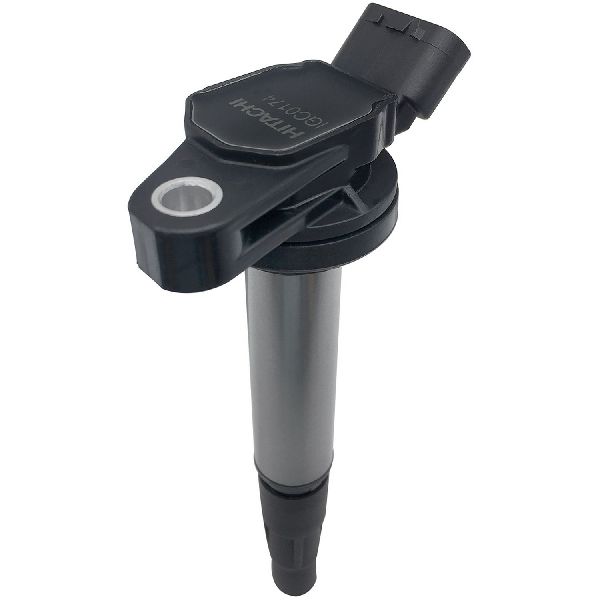
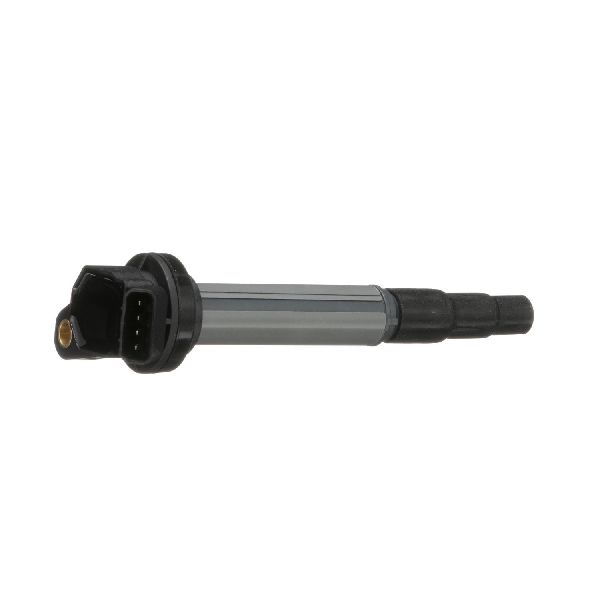
- Faulty Ignition Coil 🟡 Medium Probability
How to confirm: Swap the ignition coil from cylinder 2 with another cylinder (e.g., cylinder 4). Clear the codes and drive the vehicle. If the code changes to P0304, the ignition coil is faulty. This is a primary diagnostic step before suspecting more complex issues.
Typical fix: Replace the failed ignition coil. It is often recommended to replace them as a set if they are original and have high mileage.
Est. part cost: $50-$100 for a single OEM-quality coil. - Faulty Fuel Injector ⚪ Low Probability
How to confirm: After ruling out spark and EGR issues, a technician can perform a fuel injector balance test or swap the injector to another cylinder to see if the misfire follows. This is less common than ignition or EGR problems. The resistance of the injector should be between 11.6 and 12.4 Ω at 20°C (68°F).
Typical fix: Replace the faulty fuel injector and its seals.
Est. part cost: $100-$250 for a single injector.
Rare But Worth Checking
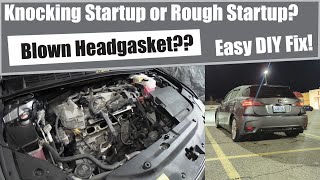
- Blown Head Gasket: While presented as rare, this is a significant and well-documented issue on the 2ZR-FXE engine, often following a period of EGR system neglect. It allows coolant to enter the cylinder (commonly cylinder 1 or 2), causing a misfire, especially on a cold start. Key symptoms include a rough, rattling idle on startup, mysterious coolant loss, and white exhaust smoke. A definitive diagnosis can be made with a chemical combustion leak test or by using a borescope to see coolant inside the cylinder.
- Engine Control Module (ECM) Logic: TSB L-SB-0174-17 mentions that misfire codes can be set due to an ECM logic issue, particularly if accompanied by a tapping noise from the transaxle after a cold soak. The fix involves a software update for the ECM.
Diagnosis Steps
- Read the code with an OBD-II scanner and check for any other pending or stored codes, especially P0300 or P0401.
- Check the coolant level in the reservoir. If it is low without any visible external leaks, suspect a head gasket failure.
- To rule out an ignition coil, swap the coil from cylinder 2 with another cylinder (e.g., cylinder 4). Clear the codes, drive the car, and see if the misfire code changes to P0304. If it does, the coil is bad.
- If the misfire remains on cylinder 2, perform the same test with the spark plug. Swap the plug from cylinder 2 with the one from the cylinder you moved the coil to. If the misfire follows the plug, replace the spark plugs.
- If ignition components are good, the next step is to inspect the EGR system. This is the most probable cause. Remove the EGR pipe and check for heavy carbon buildup. If the pipe is clogged, it's highly likely the intake manifold passages, EGR cooler, and EGR valve are also restricted and require a thorough cleaning.
- If losing coolant or if a cold-start rattle is present, perform a combustion leak test (chemical block test) to check for a blown head gasket. A borescope can also be used to visually inspect the piston top in cylinder 2 for signs of being 'steam-cleaned' by coolant.
- If all the above steps do not resolve the issue, consider a mechanical compression test to check for issues like a bad valve or piston rings, though this is less likely than an EGR or head gasket issue. A healthy cylinder should show around 150 PSI.
Parts You'll Likely Need
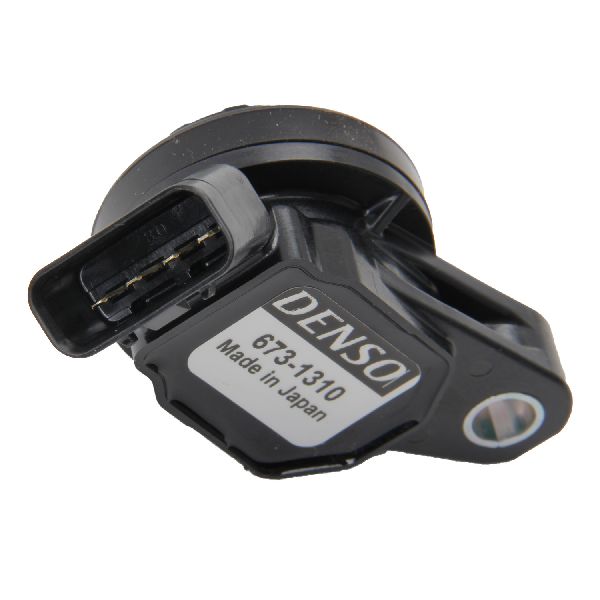
- Ignition Coil
(OEM #90919-02258)— A common failure point for misfires. Easy to diagnose by swapping between cylinders.
Trusted brands: Denso, Bosch, NGK
OEM price range: $90-$120
Aftermarket price range: $40-$75 - Iridium Spark Plugs
(OEM #90919-01275 (Denso SC16HR11))— A regular maintenance item that is a frequent cause of isolated cylinder misfires. Toyota superseded the original SC20HR11 plugs with this hotter plug.
Trusted brands: Denso SC16HR11, NGK ILKAR7B11
OEM price range: $15-$25 per plug
Aftermarket price range: $10-$18 per plug - Intake Manifold Assembly
(OEM #17120-37054 (replaces 17120-37050, 17120-37051, 17120-37052, 17120-37053))— TSB L-SB-0019-16 recommends full replacement to fix clogged EGR ports. While cleaning is possible, replacement with an updated part is the official fix.
Trusted brands: Lexus/Toyota OE
OEM price range: $230-$350
Aftermarket price range: N/A - Intake Manifold Gasket
Related Codes That Often Appear With This One
- P0300 — This is a 'Random/Multiple Cylinder Misfire' code. It often appears with P0302 if the underlying issue, like a clogged EGR system or failing head gasket, begins to affect other cylinders intermittently.
- P0301, P0303, P0304 — These codes indicate misfires in cylinders 1, 3, and 4, respectively. Seeing them alongside P0302 strongly points to a systemic problem like a clogged EGR system, vacuum leak, or head gasket failure affecting the entire engine.
- P0401 — This code for 'Insufficient EGR Flow' is a smoking gun. If you see P0401 along with any P030x misfire codes, the clogged EGR system is almost certainly the root cause of the misfire.
Technical Service Bulletins (TSBs) & Recalls
- L-SB-0019-16: Misfire While Driving With EGR Active. States that clogged EGR ports in the intake manifold can cause P030x codes.
- L-SB-0174-17: Shudder or Tapping Noise from HV Transaxle After Cold Soak. Mentions that P030x codes can be triggered due to an ECM logic issue.
Platform-Specific Known Issues
- Lexus issued Technical Service Bulletin L-SB-0019-16 for 2011-2016 CT200h models that exhibit misfire codes (P0300-P0304) during light acceleration. The bulletin identifies the cause as clogged EGR ports in the intake manifold and recommends replacing the intake manifold assembly.
- Lexus TSB L-SB-0174-17 addresses misfire codes that may appear with a tapping noise from the hybrid transaxle after a cold start, pointing to a need for an ECM software update.
- Head gasket failure is a widely reported secondary issue, often believed to be caused by the increased cylinder head temperatures from a clogged EGR system. Symptoms include a cold start rattle, coolant consumption, and misfires.
Mechanic-Grade Diagnostic Values
- Fuel Injector Resistance — expected: 11.6 to 12.4 Ω at 20°C (68°F). Failure: A reading outside this range indicates a faulty injector.
- Compression Test — expected: Approximately 150 PSI in all cylinders. Failure: Significantly lower pressure in one cylinder, or large variations between cylinders, indicates mechanical engine problems. However, a passing test does not completely rule out a head gasket leak.
Hidden / Shadow Codes Worth Checking
- Mode 6, Test ID $A2-$A7: These are not codes but onboard monitor test results for misfire counts. For P0302, a technician would look at 'MISFIRE RATE2' or 'EWMA MISFIRE2'. High counts here confirm the misfire on cylinder 2 even before the CEL is triggered for a second trip. (see via An advanced scan tool like Toyota Techstream is required to view Mode 6 data.)
Scan Tool Commands That Help
- Toyota Techstream: Active Test: Power Balance — This function allows a technician to individually shut off fuel injectors to each cylinder. When cylinder 2's injector is shut off, if there is no change in engine RPM or smoothness, it confirms that cylinder 2 was not contributing, helping to isolate the fault.
- Toyota Techstream: Calibration Update — After performing major EGR system repairs or head gasket replacement, some technicians recommend checking for and applying an ECM calibration update. TSB L-SB-0174-17 mentions an update for misfire logic, and other updates may exist to adjust EGR operation to reduce future carbon buildup.
Wiring & Ground Locations
- ECM (Engine Control Module) — Located on the left side of the engine compartment.. The ECM is the central computer that monitors all engine sensors and controls the ignition coils and fuel injectors. A poor connection or ground at the ECM can cause a wide range of issues, including misfires.
- Engine Ground Points — Multiple ground points exist. Key grounds are located on the cylinder head, engine block, and connected to the chassis from the wiring harness. For example, a main ground is on the left side of the engine compartment.. The ignition coils are grounded through the cylinder head to the main engine ground. A corroded or loose ground connection can cause a weak spark, leading to intermittent or persistent misfires.
Real Owner Repair Stories
- Reddit user in r/CT200h (CT200h, year not specified, ~100,000+ miles) — Shuddering noises on startup, sounding like 'plastic hitting plastic'.
❌ Tried (didn't work) Replacing ignition coils and spark plugs.
✅ What actually fixed it Head gasket replacement. The mechanic confirmed the diagnosis after keeping the car overnight to reproduce the cold start symptom. - ClubLexus user 'stanwai' (2012 CT200h, 159,000 miles) — Engine stalling, rough idling, and Check Engine Light with code P0302.
❌ Tried (didn't work) The dealership replaced the intake manifold assembly, but the issue persisted.
✅ What actually fixed it The thread ended before a final resolution was posted, but the dealership's next diagnostic step was suspecting a leaky head gasket, highlighting a common misdiagnosis path where the expensive intake manifold is replaced without fixing the root cause. - Reddit user in r/CT200h (2015 CT200h, 143,000 miles) — Rough start and idle, CEL P0302. Later escalated to P0300, P0302, P0304.
❌ Tried (didn't work) Swapping coils between cylinders 2 and 3., Replacing all spark plugs and ignition coils.
✅ What actually fixed it The user's story highlights a diagnostic challenge: a shop performed a compression test which passed with 150 PSI on all cylinders, leading them to believe the head gasket was fine. However, the symptoms persisted, pointing towards the fact that a compression test can sometimes fail to detect a small head gasket leak that only manifests on cold starts. The final fix was not posted.
OEM Part Supersession History
25620-37110→25620-37120— Unknown, likely an internal design revision to improve durability or flow characteristics.Pistons and Rings prior to 2014/2015 model year→Updated piston (13101-37240) and ring set (13011-37260) per T-SB-0169-16.— The original low-tension piston rings were prone to clogging, leading to excessive oil consumption which can foul spark plugs and cause misfires.
Model Year Variations Within This Range
- 2011-2013: These earlier models are more susceptible to both EGR clogging and head gasket failure. They also used lower-tension piston rings which can lead to oil consumption issues over time.
- 2014-2015: The 2014 model year received a facelift with the 'spindle grille' and interior updates. More importantly, partway through 2014 and into 2015, the 2ZR-FXE engine received updated pistons and higher-tension piston rings to combat oil consumption issues, making these later models potentially less prone to oil-fouling-related misfires.
Helpful Videos
Used OEM Parts in Stock


New Aftermarket Parts Available


The information in this article is provided for general reference and educational purposes only. Vehicle specifications, procedures, and part compatibility can vary by production date, trim level, and region. Always consult your vehicle's factory service manual and verify part numbers before purchasing or performing repairs. Safety-critical components such as airbags, seat belts, and braking systems should be installed by a qualified professional.
- Lexus CT HYBRID:
- 🎬 Helpful Videos
- 🛍️ Shop This Part
- What's Unique About the 2011-2015 Lexus CT HYBRID
- Diagnostic Flowchart
- Symptoms You May Notice
- Most Likely Causes
- Rare But Worth Checking
- Diagnosis Steps
- Parts You'll Likely Need
- Related Codes That Often Appear With This One
- Technical Service Bulletins (TSBs) & Recalls
- Platform-Specific Known Issues
- Mechanic-Grade Diagnostic Values
- Hidden / Shadow Codes Worth Checking
- Scan Tool Commands That Help
- Wiring & Ground Locations
- Real Owner Repair Stories
- OEM Part Supersession History
- Model Year Variations Within This Range
- 🎟️ Get 5% Off