

P0302 on 2017-2018 Land Rover Discovery: Cylinder 2 Misfire Causes and Fixes
P0302 indicates a misfire on cylinder 2 of your Land Rover Discovery's 3.0L V6 engine. The most common causes are a faulty ignition coil or a worn-out spark plug. A simple DIY diagnostic is to swap the coil from cylinder 2 with another cylinder to see if the code follows. Parts for this common repair typically cost between $75 and $200. Be aware that this code can sometimes be an early indicator of more serious timing chain or VVT system issues.
- P0302 on a 2017-2018 Discovery means cylinder 2 (front, driver's side) is misfiring.
- The most likely culprits are a bad ignition coil or spark plug, which are DIY-friendly fixes.
- Use the 'swap test' to diagnose a bad ignition coil before buying parts.
- Do not drive with a flashing check engine light, as this can quickly destroy the catalytic converter, leading to a much more expensive repair.
- If other codes related to engine timing are present, the problem may be more complex and involve the VVT system, as noted in TSB SSM74161.
What's Unique About the 2017-2018 Land Rover DISCOVERY
On the Land Rover 3.0L Supercharged V6, a P0302 code, while often a simple ignition issue, can sometimes be linked to more complex platform-specific problems. Technical Service Bulletins suggest this misfire can appear alongside camshaft timing codes, pointing to potential issues with the Variable Valve Timing (VVT) system. Additionally, as these are direct-injection engines, they can be prone to carbon buildup on intake valves, which can disrupt airflow and lead to misfires. A more serious known issue with the AJ126 engine family is premature wear of the plastic timing chain guides 🎬 See this deep dive into AJ126 engine timing and repairs., which can lead to timing-related misfires.
Diagnostic Flowchart
Tap your situation to follow the diagnostic path that matches what you're seeing on this vehicle.
Symptoms You May Notice
- Check Engine Light is on or flashing
- Rough or shaky idle
- Engine hesitation or stumbling during acceleration
- Reduced engine power and sluggish performance
- Decreased fuel economy
- Vibration from the engine bay, especially between idle and ~2000 RPM
- In some cases, the code may be stored with no noticeable driveability issues, as noted in TSB #SSM74161.
- Replacing oxygen (O2) sensors. A misfire can cause lean or rich running conditions, which may trigger O2 sensor codes (like P2096/P2097). The O2 sensor is often reporting the problem correctly, but is not the root cause.
Most Likely Causes
- Faulty Ignition Coil 🔴 High Probability Coil-on-plug systems are exposed to significant heat and vibration, making them a common failure point on modern engines like the AJ126. They are the most frequent cause of a single-cylinder misfire on this platform.
How to confirm: Swap the ignition coil from cylinder 2 with another cylinder (e.g., cylinder 4, the middle cylinder on the same bank). Clear the codes and drive. If the code changes to P0304, the coil is bad.
Typical fix: Replace the failed ignition coil. It is often recommended to replace the spark plug at the same time.
Est. part cost: $85-$135 - Worn or Fouled Spark Plug 🔴 High Probability Spark plugs are a regular maintenance item with a service life that can be reduced by the stresses of a supercharged engine. Additionally, oil leaks from valve cover gaskets can foul the plugs, causing misfires.
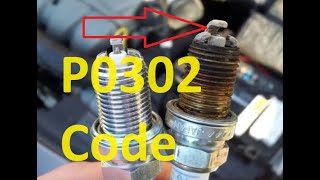
How to confirm: After confirming the coil is good, remove the spark plug from cylinder 2. Inspect it for wear (worn electrode), carbon fouling, oil contamination, or a cracked insulator. Compare it to a plug from a working cylinder.
Typical fix: Replace the spark plug in cylinder 2. It is best practice to replace all six spark plugs at once 🎬 Watch: This DIY guide shows how to replace coils and plugs. if they are near the end of their service life (typically recommended every 60,000-100,000 miles).
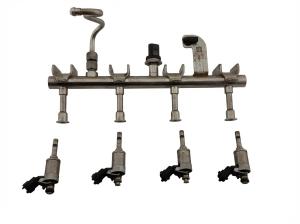
Est. part cost: $15-$30 per plug - Clogged or Faulty Fuel Injector 🟡 Medium Probability Direct injection (GDI) fuel injectors operate under very high pressure and can become clogged by fuel contaminants or carbon deposits over time, leading to improper fuel delivery.
How to confirm: If the misfire remains on cylinder 2 after swapping the coil and plug, the injector is a likely suspect. A professional can perform a fuel injector balance test. A DIY method is to listen to the injector with a mechanic's stethoscope for a consistent clicking sound. Swapping injectors is a much more involved job than swapping coils or plugs.
Typical fix: Replace the faulty fuel injector. This requires removing the fuel rail and new injectors must be calibrated to the PCM using specialized diagnostic software. Sometimes, a professional fuel system cleaning can resolve minor clogging.
Est. part cost: $100-$250 - Vacuum Leak ⚪ Low Probability Degraded gaskets (intake manifold, throttle body) or cracked plastic hoses can introduce unmetered air into the engine, leaning out the air-fuel mixture and causing misfires. TSB LTB00902NAS2 links misfire codes to lean conditions (P2096/P2097).
How to confirm: A mechanic can use a smoke machine to pressurize the intake system and identify the source of any leaks. A DIY check can involve carefully spraying brake cleaner around gasket areas while listening for a change in engine idle.
Typical fix: Replace the leaking gasket or hose.
Est. part cost: $20-$200 depending on the part
Rare But Worth Checking
- Low Engine Compression: This is a more serious mechanical issue, such as a bad valve, worn piston rings, or a leaking head gasket. Overheating from failures in the plastic cooling system components is a known cause of head gasket failure on the AJ126. A compression test is required to diagnose this.
- Variable Valve Timing (VVT) System Fault: As per TSB #SSM74161, this misfire code can be stored with camshaft timing DTCs. The bulletin specifically points to faulty VVT solenoids (Part No. LR073778) manufactured before August 23, 2018, as a potential cause.
- Timing Chain Guide/Tensioner Wear: The AJ126 engine is known for premature wear of its plastic timing chain guides. This can cause the timing chain to develop slack, leading to a rattling noise on startup and incorrect camshaft timing, which can manifest as a misfire code like P0302 before a more catastrophic failure occurs.
Diagnosis Steps
- Read all stored trouble codes with an OBD-II scanner. Note any codes present besides P0302, especially timing or fuel trim codes.
- Identify cylinder 2: It is the front-most cylinder on the driver's side (Bank 2).
- Perform an 'ignition coil swap test'. Swap the ignition coil from cylinder 2 with the coil from cylinder 4 (middle cylinder, driver's side).
- Clear the codes with the scanner and start the engine. Let it run and then re-scan. A short test drive may be necessary.
- If the code has moved to P0304, the ignition coil is faulty and needs replacement.
- If the code remains P0302, the coil is likely good. Proceed to swap the spark plug from cylinder 2 with cylinder 4 and repeat the test.
- If the code changes to P0304 after the spark plug swap, the plug is the culprit.
- If the P0302 code persists after both swaps, the issue is likely with the fuel injector, wiring, or a mechanical engine problem.
- Inspect the fuel injector wiring for damage. Listen for a steady clicking from the injector using a stethoscope.
- If the cause is still not found, a professional should perform a compression test and check for vacuum leaks with a smoke machine. If a rattling noise is present, investigation of the timing system is warranted.
Parts You'll Likely Need
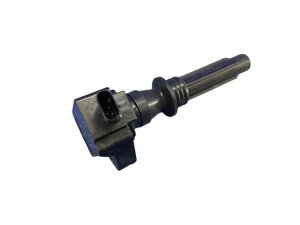
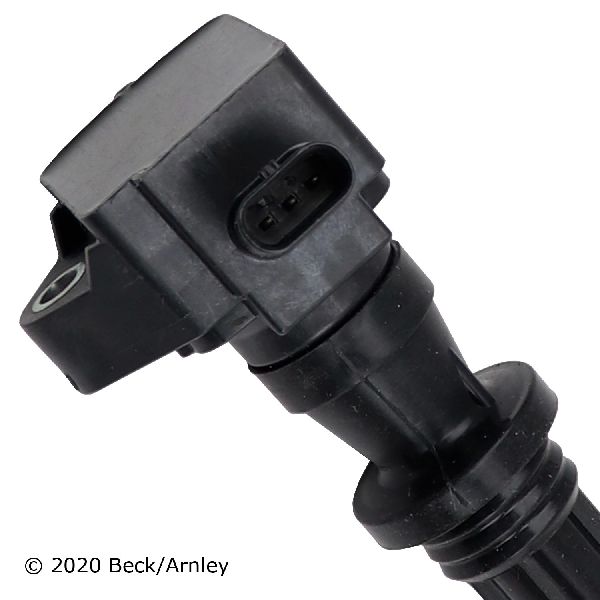
- Ignition Coil
(OEM #LR078438)— This is the most frequent cause of a single-cylinder misfire due to wear from heat and vibration.
Trusted brands: Bosch, Delphi, NGK, Eurospare
OEM price range: $110-$150
Aftermarket price range: $70-$110 - Spark Plug
(OEM #LR050998 / LR032080 (NGK SILZKAR7E8S))— A worn, fouled, or damaged spark plug cannot create the spark needed for proper combustion. It's a common wear item.
Trusted brands: NGK (OEM), Bosch
OEM price range: $20-$35
Aftermarket price range: $15-$25 - Fuel Injector
(OEM #LR105439)— Clogging or electronic failure of the direct injector for cylinder 2 will prevent proper fueling, causing a misfire.
Trusted brands: Bosch (OEM supplier)
OEM price range: $200-$300
Aftermarket price range: $120-$200
Related Codes That Often Appear With This One
- P0300 — Indicates a random or multiple cylinder misfire. If the problem (like a vacuum leak or fuel pressure issue) is not isolated to cylinder 2, this code may appear as well.
- P0301, P0303, P0304, P0305, P0306 — Misfire codes for other cylinders. Seeing multiple codes often points to a systemic issue rather than a single component failure on one cylinder.
- P2096 / P2097 — These codes indicate a lean or rich condition. TSB LTB00902NAS2 notes that a misfire can cause these codes because unburnt oxygen from the misfiring cylinder skews the O2 sensor readings.
- P0014, P0341, P054A — These are camshaft and timing-related codes. TSB SSM74161 specifically mentions that these can be stored along with P0302, pointing to a potential VVT system issue.
Technical Service Bulletins (TSBs) & Recalls
- SSM74161: Misfire codes stored with camshaft timing DTCs, possibly with no driveability concern.
- LTB00902NAS2: Misfire codes appearing in conjunction with fuel trim (lean/rich) codes.
Platform-Specific Known Issues
- TSB #SSM74161: Notes that misfire codes P0302 and P0303 can be stored along with various camshaft position timing codes (P054A-00, P0014-71, etc.) in the PCM, sometimes without any noticeable driveability issues. This may be caused by a faulty VVT solenoid (LR073778) made before 08/23/2018.
- TSB #LTB00902NAS2: Links misfire codes (including P0302) with lean condition codes P2096 or P2097, suggesting the misfire itself can cause the fuel trim abnormality detected by the O2 sensors.
Mechanic-Grade Diagnostic Values
- Ignition Coil Primary Resistance — expected: 0.49 - 0.57 Ohms. Failure: A reading outside this range indicates a faulty primary winding.
- Ignition Coil Secondary Resistance — expected: 9.5 - 11.1 kOhms (kilohms). Failure: A reading outside this range indicates a faulty secondary winding.
Scan Tool Commands That Help
- JLR Pathfinder / SDD: Misfire Counter Live Data — Use this to confirm in real-time that cylinder 2 is the one actively misfiring. This is essential for verifying if a component swap (like an ignition coil) has moved the misfire to another cylinder.
- JLR Pathfinder / SDD: Set Injector / Injector Coding — This function is mandatory after replacing a fuel injector. Each new injector has a unique calibration code that must be programmed into the PCM to ensure balanced fuel delivery and prevent rough running.
- JLR Pathfinder / SDD: Fuel System Depressurize — This is a critical safety procedure that must be run before physically disconnecting any high-pressure fuel lines to replace a component like a fuel injector.
OEM Part Supersession History
LR011964, LR019568, LR037088, LR069897, LR079542→LR105439— Standard part evolution for improved reliability or manufacturing changes.
Heads up: When replacing a fuel injector, it is best practice to use the latest part number (LR105439) from an OEM supplier like Bosch.
Model Year Variations Within This Range
- 2017+: Vehicles from the 2017 model year onward require the JLR Pathfinder diagnostic software. Older versions of the Symptom Driven Diagnostics (SDD) software may have limited functionality for advanced diagnosis, coding, and service functions on these newer models.
Helpful Videos

Used OEM Parts in Stock


New Aftermarket Parts Available



The information in this article is provided for general reference and educational purposes only. Vehicle specifications, procedures, and part compatibility can vary by production date, trim level, and region. Always consult your vehicle's factory service manual and verify part numbers before purchasing or performing repairs. Safety-critical components such as airbags, seat belts, and braking systems should be installed by a qualified professional.
- Land Rover DISCOVERY:
- 🎬 Helpful Videos
- 🛍️ Shop This Part
- What's Unique About the 2017-2018 Land Rover DISCOVERY
- Diagnostic Flowchart
- Symptoms You May Notice
- Most Likely Causes
- Rare But Worth Checking
- Diagnosis Steps
- Parts You'll Likely Need
- Related Codes That Often Appear With This One
- Technical Service Bulletins (TSBs) & Recalls
- Platform-Specific Known Issues
- Mechanic-Grade Diagnostic Values
- Scan Tool Commands That Help
- OEM Part Supersession History
- Model Year Variations Within This Range
- 🎟️ Get 5% Off