

P0302 on 2010-2014 Jaguar XJ: Cylinder 2 Misfire Causes and Fixes
P0302 on a 2010-2014 Jaguar XJ means cylinder 2 is misfiring. The most common cause is a failed ignition coil (Part No. C2Z18619) or a worn-out spark plug (Part No. ILKAR7C10). A simple way to diagnose this is to swap the ignition coil from cylinder 2 with another cylinder and see if the code changes. Cylinder 2 is the front-most cylinder on the left-hand (driver's side in US) bank. A new OEM ignition coil costs around $90.
- P0302 means your Jaguar XJ has a misfire in cylinder 2.
- The most probable cause is a bad ignition coil, followed by a worn spark plug.
- A simple DIY diagnostic is to swap the cylinder 2 ignition coil with another one and see if the code follows the coil.
- Do not ignore a flashing check engine light, as this indicates a severe misfire that can quickly damage the catalytic converter.
- When replacing spark plugs or coils, it's wise to replace them as a set if the vehicle has high mileage for long-term reliability.
What's Unique About the 2010-2014 Jaguar XJ
For the 2010-2014 (X351 generation) Jaguar XJ, this code is straightforward. The primary engines, the 3.0L V6 and 5.0L V8, use a reliable coil-on-plug ignition system. While generally robust, individual coils can fail with age and heat cycles. The 5.0L V8 uses direct injection (GDI), which means a faulty fuel injector is more complex to replace than on a port-injected engine. Furthermore, GDI engines can be susceptible to carbon buildup on the back of intake valves, which can cause misfires, though this is less common than a simple coil or plug failure. Jaguar has issued Technical Service Bulletins (TSBs) that include P0302, sometimes related to broader issues like fuel quality, indicating that while the cause is often a simple ignition component, other factors are occasionally at play. [Bulletin #SSM-63697, Bulletin #JTB00533NAS1]
Diagnostic Flowchart
Tap your situation to follow the diagnostic path that matches what you're seeing on this vehicle.
Symptoms You May Notice
- Check Engine Light is on or flashing
- Rough engine idle or vibration, especially at a stop [Bulletin #SSM-63697]
- Reduced engine power and sluggish acceleration
- Hesitation during acceleration
- Increased fuel consumption
- Smell of unburnt fuel from the exhaust
- "Restricted Performance" message on the dash 🎬 Watch: A professional diagnosis and fix for Jaguar XJ misfiresboard
- Replacing all spark plugs and coils without first performing the 'swap test' to isolate the faulty component. This can lead to unnecessary expense.
- Assuming a fuel injector is bad on a GDI engine without first trying a potent fuel system cleaner, which has been reported by some owners to resolve clogging issues.
Most Likely Causes
- Faulty Ignition Coil 🔴 High Probability Ignition coils are a very common failure point on the JLR 3.0L and 5.0L engines due to high heat and electrical stress. The coil-on-plug design means a single coil failure only affects one cylinder, making P0302 a classic symptom.
How to confirm: Swap the ignition coil from cylinder 2 with a coil from another cylinder (e.g., cylinder 4 on the same bank, or cylinder 1 on the opposite bank). Clear the codes and drive the car. If the code changes to P0304 or P0301, the ignition coil is faulty. This is the definitive DIY diagnostic step.
Typical fix: Replace the faulty ignition coil. It is often recommended to replace all coils on the affected bank, or all coils on the engine if they are original and the vehicle has high mileage, as they have all experienced the same wear.
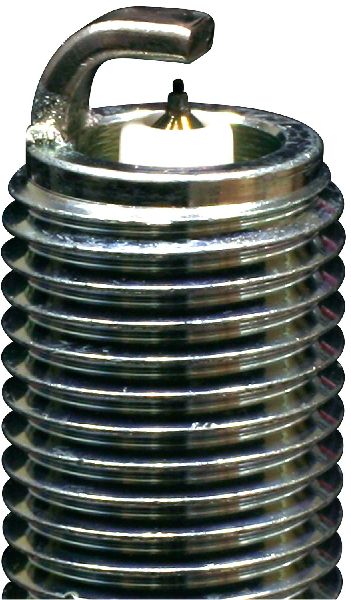
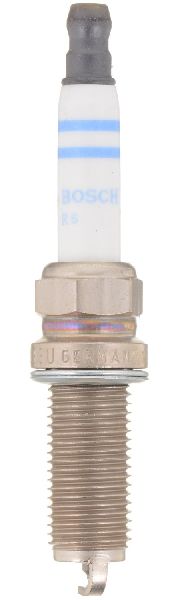
Est. part cost: $70-$115 - Worn or Fouled Spark Plug 🟡 Medium Probability Spark plugs are a regular maintenance item with a finite lifespan. If they are past their service interval (typically 60k-100k miles), the gap can become too large or electrodes can become worn, leading to a weak or inconsistent spark.
How to confirm: After ruling out the ignition coil, remove and inspect the spark plug from cylinder 2. Look for wear, oil fouling, carbon buildup, or a cracked ceramic insulator. Compare it to a plug from a healthy cylinder. A fouled plug is a strong indicator.
Typical fix: Replace the spark plug in cylinder 2. It is best practice to replace all spark plugs at the same time to ensure even performance and avoid future misfires.
Est. part cost: $15-$25 per plug - Clogged or Faulty Fuel Injector ⚪ Low Probability The direct injection (GDI) fuel injectors on the 5.0L V8 (and later 3.0L V6) operate under high pressure and can become clogged from fuel contaminants or carbon deposits. A TSB from JLR acknowledges that poor fuel quality can lead to clogged injectors and misfires.
How to confirm: This is more difficult for a DIYer. A professional can perform a fuel injector balance test. An initial, though less definitive, step can be to try a high-quality fuel system cleaner with Polyetheramine (PEA), like BG 44K or Redline SI-1, to see if the misfire improves.
Typical fix: Replace the faulty fuel injector. On these direct injection engines, this is a more labor-intensive job that may require removing the fuel rail. It's recommended to have the fuel system professionally cleaned at the same time.
Est. part cost: $100-$200
Rare But Worth Checking
- Intake Valve Carbon Buildup: A known issue with direct injection engines like the AJ133 5.0L V8 is the buildup of carbon on the back of the intake valves. Since fuel is injected directly into the cylinder, it doesn't wash over and clean the valves. This buildup can disrupt airflow into cylinder 2, causing a misfire. This typically occurs at higher mileage (70k+ miles) and may require professional cleaning (e.g., walnut blasting).
- Poor Fuel Quality: A Jaguar TSB specifically mentions poor fuel quality as a potential cause for misfires across multiple cylinders. [Bulletin #SSM-63697] While it usually triggers multiple codes, it could isolate to one cylinder initially.
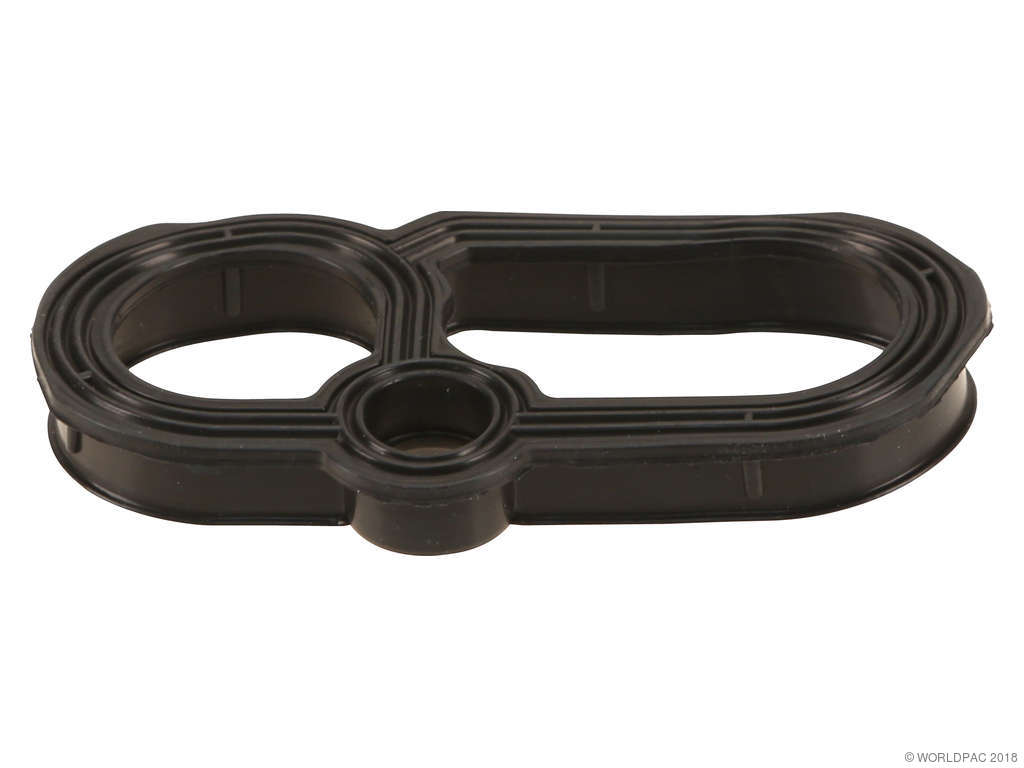
- Vacuum Leak: A vacuum leak from a cracked hose or a failed intake manifold gasket near the runner for cylinder 2 could lean out the air/fuel mixture enough to cause a misfire. This would typically be accompanied by other lean codes (e.g., P0171, P0174).
- Low Engine Compression: This is a more serious mechanical issue, such as a worn piston ring, leaking valve, or bad head gasket. On the 5.0L V8, early timing chain tensioner issues could potentially lead to valve timing problems, but this usually affects an entire bank. A compression test is needed to diagnose this.
Diagnosis Steps
- Read the trouble codes with an OBD-II scanner and note any other codes present. Confirm P0302 is the primary or only misfire code.
- Identify the physical location of cylinder #2. Standing in front of the car, it is the front-most cylinder on the left (US driver's) side.
- Check the freeze frame data to see the engine conditions (RPM, load, temperature) when the misfire occurred.
- To test the ignition coil, swap the coil from cylinder 2 with one from another cylinder (e.g., cylinder 4 on the same bank). This is the most effective first step.
- Clear the codes, start the engine, and let it run or drive it briefly. Re-scan for codes. If the code has moved to the cylinder you swapped the coil to (e.g., P0304), the ignition coil is the problem and needs replacement.
- If the code remains P0302, the coil is likely good. Remove the spark plug from cylinder 2 and inspect it for wear, damage, or fouling. If it looks worn, cracked, or is covered in oil or carbon, replace it. It's best to replace all plugs at once.
- If the plug and coil are good, consider a clogged fuel injector. Try using a full bottle of a high-quality fuel injector cleaner containing PEA (like Redline SI-1 or BG 44K) with a full tank of premium fuel. Drive the car to see if the misfire clears.
- If the misfire persists, check for vacuum leaks around the intake manifold, especially near the runner for cylinder 2.
- If all else fails, a professional diagnosis is needed. This may involve a fuel injector balance test or a compression test to rule out internal engine mechanical problems.
Parts You'll Likely Need
- Ignition Coil
(OEM #C2Z18619)— This is the most frequent cause of a single-cylinder misfire on the XJ's V6 and V8 engines.
Trusted brands: Jaguar (OEM), Bosch, NGK, Delphi
OEM price range: $90-$115
Aftermarket price range: $50-$80 - Spark Plug
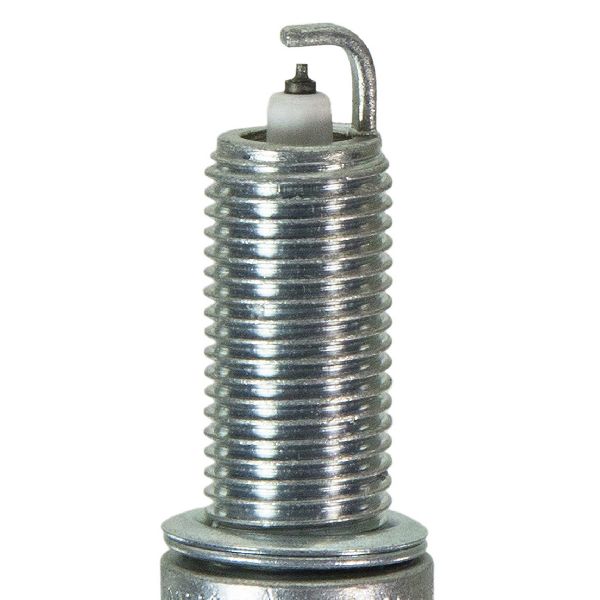
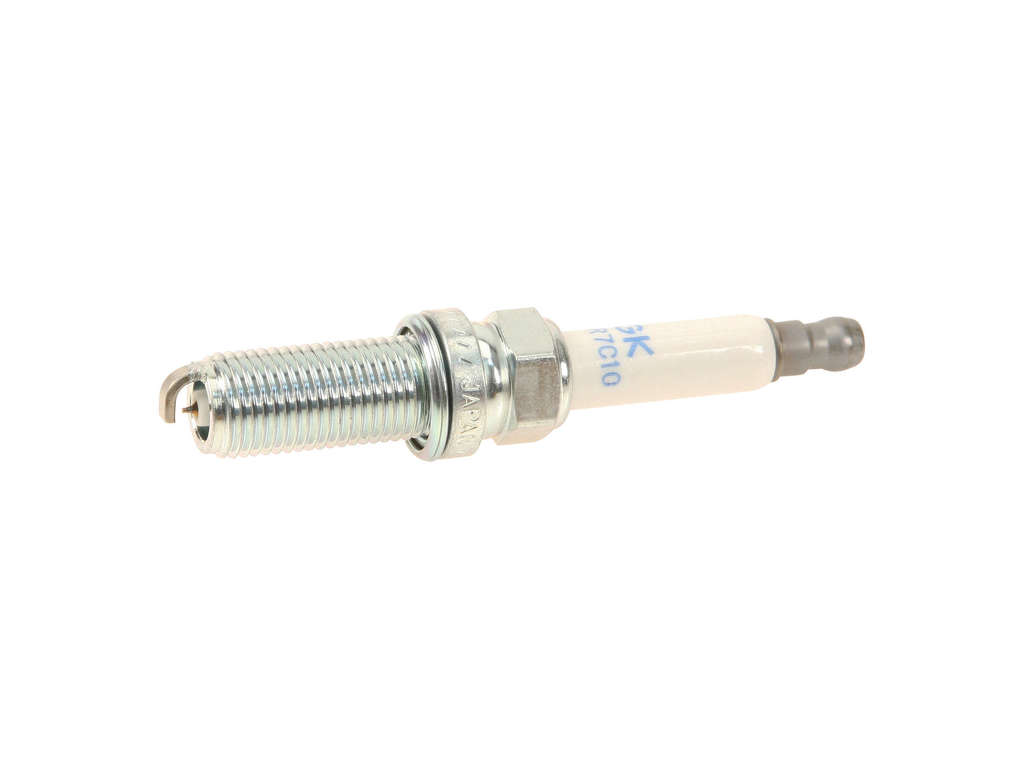
(OEM #ILKAR7C10)— As a routine maintenance item, a worn spark plug is the second most likely cause of a misfire. The OEM plugs are made by NGK.
Trusted brands: NGK (OEM), Denso
OEM price range: $20-$30
Aftermarket price range: $15-$25
Related Codes That Often Appear With This One
- P0300 — If the misfire is intermittent or affects multiple cylinders, a P0300 (Random Misfire) code may appear alongside P0302.
- P0316 — This code indicates a misfire was detected within the first 1,000 engine revolutions at startup. It is often stored with specific cylinder misfire codes like P0302, as noted in Jaguar TSB JTB00533NAS1.
- P0304, P0306, P0308 — If other even-numbered misfire codes are present, it points to a problem affecting the entire left-hand bank (Bank 2), such as a vacuum leak on that side or a bank-specific sensor issue.
Technical Service Bulletins (TSBs) & Recalls
- JTB00533NAS1: Mentions P0302 in a list of potential misfire codes that can be stored with P0316.
- SSM-63697: Cites misfire codes including P0302 as potentially being caused by poor fuel quality.
Platform-Specific Known Issues
- TSB #SSM-63697 notes that on some 2010 models, misfire codes can be caused by poor fuel quality, leading to engine vibration at idle.
- TSB #JTB00533NAS1 mentions that P0302 can be stored along with P0316 (Misfire Detected on Startup).
Mechanic-Grade Diagnostic Values
- Engine Ground Voltage Drop — expected: Well under 0.5V (500mV). Failure: A reading higher than 0.5V while cranking the engine indicates a poor ground connection, which can cause erratic behavior in ignition and fuel systems.
Hidden / Shadow Codes Worth Checking
- N/A - No specific shadow codes found: Unlike some manufacturers, Jaguar does not appear to use common, publicly documented 'shadow' or 'hidden' codes for misfires. Diagnosis relies on standard P030x codes. Notably, some users report that even the dealer-level SDD/IDS software does not provide live misfire counters for individual cylinders, making it difficult to diagnose intermittent misfires that do not set a hard code. (see via Standard OBD-II scanner for P-codes; JLR SDD for comprehensive diagnostics.)
Scan Tool Commands That Help
- JLR SDD (Symptom Driven Diagnostics): Fuel Injector Calibration / Configuration — This function is required after replacing a fuel injector on the direct-injection 5.0L V8 or 3.0L V6 engines. The new injector must be calibrated to the PCM to ensure correct fuel delivery and prevent performance issues or further misfires.
- JLR SDD (Symptom Driven Diagnostics): Data Logger / Live Data — Used to monitor real-time sensor data to diagnose underlying causes. While it may not show live misfire counts per cylinder, it is essential for viewing fuel trims, sensor voltages, and other parameters that can point to a vacuum leak, fuel delivery problem, or sensor fault.
Wiring & Ground Locations
- Engine Ground Strap — Typically runs from the transmission bellhousing to the vehicle's underbody/chassis.. This is a primary ground path for the engine and transmission. Corrosion or looseness here due to its exposed location can cause a host of electrical issues, including weak spark or erratic injector performance leading to misfires.
- Alternator Ground Path — The ground path from the alternator, through its mounting bracket, to the engine block.. A poor ground here can affect the entire electrical system's stability and voltage regulation, potentially impacting ignition coil performance.
- Firewall Ground Studs — There are ground posts on the firewall, typically one on each side of the engine bay.. These are critical grounding points for various engine bay systems and sensors. Cleaning these contact points is a key step in resolving difficult-to-diagnose electrical issues.
Real Owner Repair Stories
- JaguarForums user (Jaguar S-Type (similar engine controls)) — An intermittent 'fish bite' misfire felt when the engine is hot and under load at low RPM, but no trouble codes were being stored.
❌ Tried (didn't work) Replacing all spark plugs., Replacing all ignition coils.
✅ What actually fixed it The user suspected a faulty injector but could not confirm which one. The key takeaway was that even with the dealer-level JLR SDD/IDS software, they were unable to find a live misfire counter for individual cylinders. This highlights a significant diagnostic challenge: without a hard code, identifying the specific problematic cylinder for an intermittent misfire can be very difficult even with professional tools.
"I Checked Everything" — The Actual Cause
- While not a smoke test story, TSB SSM75972 for the 3.0L V6 (AJ126) engine identifies a cause for cold-start misfires (including on cylinders 4 and 6) that would not be found with conventional tests. The cause is listed as incorrect valve clearances on some new or remanufactured engines, a mechanical issue that would not be detected by checking for vacuum leaks, fuel, or spark issues.
OEM Part Supersession History
AJ811378→C2Z18619 / LR010687— Part number consolidation and updates across the Jaguar Land Rover (JLR) family.
Heads up: Ignition coil C2Z18619 is specified for XJ models 'From vin v39427'. Vehicles before this VIN may use a different part. Always verify the part number with the vehicle's VIN.
Model Year Variations Within This Range
- 2013-2014: For the 2013 model year, Jaguar introduced major powertrain changes. The naturally aspirated 5.0L V8 was replaced by a new 3.0L Supercharged V6 as the base engine. An 8-speed ZF automatic transmission replaced the previous 6-speed across all engine options. Additionally, an All-Wheel Drive (AWD) system became available for the first time, but only on V6 models. These changes mean the potential causes and diagnostic approaches can differ slightly between a 2012 and a 2013 model.
- 2014: For 2014, the high-performance XJR trim, with a more powerful supercharged V8, replaced the previous 'Super Sport' trim level.
Helpful Videos
Used OEM Parts in Stock

New Aftermarket Parts Available


The information in this article is provided for general reference and educational purposes only. Vehicle specifications, procedures, and part compatibility can vary by production date, trim level, and region. Always consult your vehicle's factory service manual and verify part numbers before purchasing or performing repairs. Safety-critical components such as airbags, seat belts, and braking systems should be installed by a qualified professional.
- Jaguar XJ:
- 🎬 Helpful Videos
- 🛍️ Shop This Part
- What's Unique About the 2010-2014 Jaguar XJ
- Diagnostic Flowchart
- Symptoms You May Notice
- Most Likely Causes
- Rare But Worth Checking
- Diagnosis Steps
- Parts You'll Likely Need
- Related Codes That Often Appear With This One
- Technical Service Bulletins (TSBs) & Recalls
- Platform-Specific Known Issues
- Mechanic-Grade Diagnostic Values
- Hidden / Shadow Codes Worth Checking
- Scan Tool Commands That Help
- Wiring & Ground Locations
- Real Owner Repair Stories
- "I Checked Everything" — The Actual Cause
- OEM Part Supersession History
- Model Year Variations Within This Range
- 🎟️ Get 5% Off