

P0302 on 2009-2015 Honda Pilot: Cylinder 2 Misfire Causes and Fixes
P0302 on a 2009-2015 Honda Pilot most often means the spark plug in cylinder 2 is fouled with oil. This is a known issue related to the VCM system causing oil to bypass worn or stuck piston rings. The immediate fix is a new spark plug (and possibly an ignition coil), but the long-term solution involves either disabling the VCM system with a 'VCM Muzzler' or performing an engine repair to clean/replace the piston rings.
- P0302 on a 2009-2015 Pilot is very frequently caused by an oil-fouled spark plug in cylinder 2.
- This problem is well-documented by Honda in TSB A13-082 and is related to the engine's VCM system and piston rings.
- A simple diagnostic step is to swap the ignition coil from cylinder 2 with another cylinder to see if the misfire code moves.
- The immediate fix is replacing the spark plug and, if needed, the ignition coil.
- For a long-term solution to prevent recurring fouled plugs, many owners choose to install an aftermarket VCM disabling device.
What's Unique About the 2009-2015 Honda PILOT

The 2009-2015 Pilot is equipped with Honda's 3.5L J35Z4 V6 engine, which features a Variable Cylinder Management (VCM) system. This system is designed to improve fuel economy by deactivating cylinders under light load. However, this process has been linked to increased oil consumption, which leads to oil-fouled spark plugs, particularly in the VCM-managed cylinders (1-4). This specific issue is so prevalent that Honda issued multiple Technical Service Bulletins (TSBs) and extended the warranty to cover repairs for this exact problem, as it also affects numerous other Honda and Acura models with the J35 V6 engine.
Diagnostic Flowchart

Tap your situation to follow the diagnostic path that matches what you're seeing on this vehicle.
Symptoms You May Notice
- Rough or shaking idle
- Hesitation or stumbling during acceleration
- Noticeable loss of engine power
- Flashing Check Engine Light (indicates a severe misfire)
- Solid Check Engine Light
- Reduced fuel economy
- ECO light turning on and off frequently or rough engine feel when it does
- Replacing only the ignition coil without inspecting the spark plug. Often, a fouled plug is the primary issue, and a new coil will not solve it.
- Repeatedly replacing spark plugs without addressing the root cause (VCM-induced oil consumption). The misfire will keep returning.
- Assuming the engine needs a complete rebuild immediately. Many owners have found that simply disabling the VCM and replacing the fouled plugs is enough to stop the oil consumption and prevent future misfires.
Most Likely Causes

- Fouled Spark Plug 🔴 High Probability As documented in Honda TSB A13-082, oil fouling of spark plugs is the primary symptom of the underlying VCM issue. The VCM system's operation can cause oil to bypass the piston rings and contaminate the spark plugs in cylinders 1-4, leading to misfires. Cylinder 2 is one of the most commonly affected cylinders.
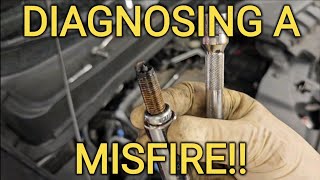
How to confirm: Remove the spark plug from cylinder 2 (middle cylinder on the rear bank 🎬 Watch: A mechanic diagnoses a P0302 misfire on this engine., near the firewall) and inspect it. A plug that is black, oily, or covered in wet carbon deposits is fouled. This is a very strong indicator of the VCM-related issue.
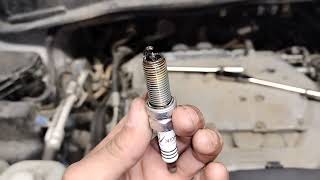
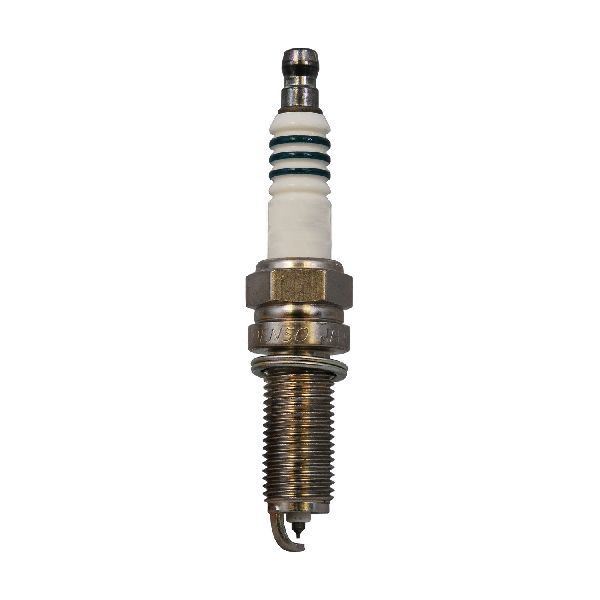
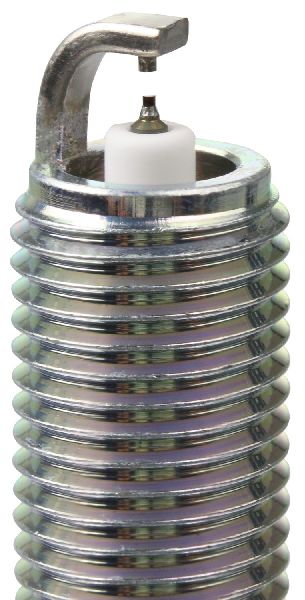
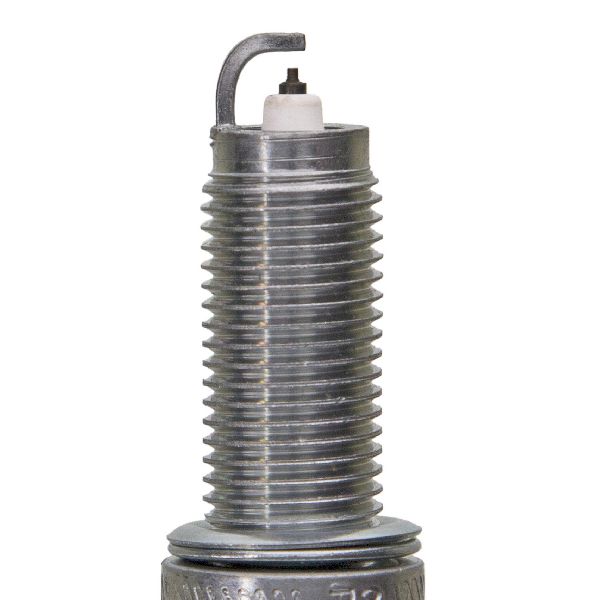
Typical fix: Replace the fouled spark plug. It is highly recommended to replace all six spark plugs with the correct OEM-spec NGK or Denso Iridium plugs. 🎬 See this walkthrough on how to replace your spark plugs. However, this is often a temporary fix if the underlying oil consumption issue is not addressed.
Est. part cost: $15-$30 per plug - Internal Engine Issue (Piston Rings) 🔴 High Probability This is the root cause of the problem. Honda TSB A13-082 and a related class-action lawsuit directly address an issue where piston rings on VCM-deactivated cylinders (1-4) can become clogged with carbon and stick, allowing oil to enter the combustion chamber. This fouls the spark plugs and causes the misfire.
How to confirm: This is difficult to confirm without professional diagnosis. Persistent, recurring P0301-P0304 codes after replacing plugs and coils strongly suggest this underlying problem. A borescope inspection may show oil on the piston top. A cylinder leak-down or compression test can help identify poor ring sealing.
Typical fix: Honda's official repair involves cleaning the pistons and replacing the piston rings in the affected bank of cylinders (1-3 or 1-4). This is a labor-intensive and expensive repair, with dealer quotes sometimes reaching several thousand dollars. A widely adopted long-term solution by owners is to install a VCM disabling device (e.g., VCM Muzzler, S-VCM, VCMTuner II) which prevents the system from activating, thereby stopping the abnormal ring wear and oil consumption.
Est. part cost: $200-$500+ for piston ring set and gaskets; $100-$150 for a VCM disabling device. - Failed Ignition Coil 🟡 Medium Probability Ignition coils are a common failure item on most modern vehicles as they age. While the Honda OEM coils are generally robust, they can fail, and a misfire is the primary symptom.
How to confirm: Swap the ignition coil from cylinder 2 with another cylinder (e.g., cylinder 5 in the front). Clear the codes and drive the vehicle. If the code changes to P0305, the ignition coil is faulty.
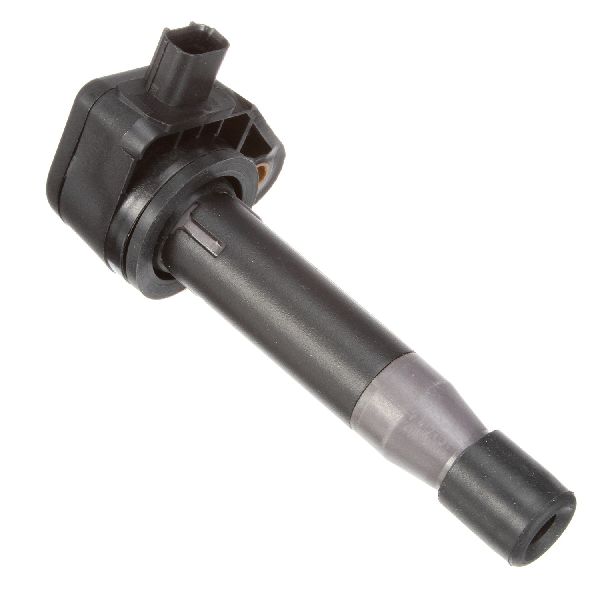
Typical fix: Replace the failed ignition coil. It is best to use OEM (Honda Part No. 30520-RN0-A01) or high-quality brands like NGK or Denso.
Est. part cost: $50-$100 - Clogged or Faulty Fuel Injector ⚪ Low Probability
How to confirm: After ruling out spark plugs and ignition coils, the fuel injector is the next suspect. You can test the injector's resistance with a multimeter or swap it with another cylinder's injector to see if the misfire code follows. This is more involved than a coil swap.
Typical fix: Replace the faulty fuel injector. Sometimes running a high-quality fuel system cleaner can resolve a minor clog.
Est. part cost: $70-$150
Rare But Worth Checking
- Needs Valve Adjustment:
Diagnosis Steps
- Read the code with an OBD-II scanner to confirm P0302 and check for any other codes.
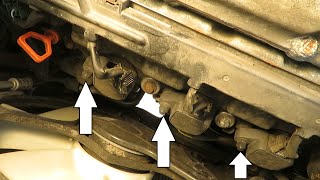
- Locate cylinder 2. On the Honda J35 V6, the cylinders are numbered 1-2-3 on the rear bank (near the firewall) and 4-5-6 on the front bank. Cylinder 2 is the middle cylinder on the rear bank.
- Swap the ignition coil from cylinder 2 with the coil from cylinder 5 (middle, front bank).
- Clear the codes and drive the vehicle until the check engine light returns.
- If the code is now P0305, the ignition coil is bad and needs to be replaced.
- If the code remains P0302, turn off the engine and remove the ignition coil from cylinder 2 again.
- Remove the spark plug from cylinder 2. Inspect it for signs of oil, fuel, or heavy, wet carbon buildup. A fouled plug is the most likely finding.
- Replace the spark plug in cylinder 2. For best results, replace all six plugs with OEM-spec NGK Laser Iridium (Part #DILZKR7A11G or #95350) or Denso Iridium plugs.
- If the plug was not fouled and the coil is good, the next step is to inspect the fuel injector and its wiring.
- If the problem persists after these steps, or if the spark plug was heavily oil-fouled, the recommended long-term solution is to install a VCM disabling device to prevent recurrence.
- For a definitive diagnosis of the engine's internal condition, a professional should perform a compression and leak-down test to check for the known piston ring issue.
Parts You'll Likely Need

- Spark Plug
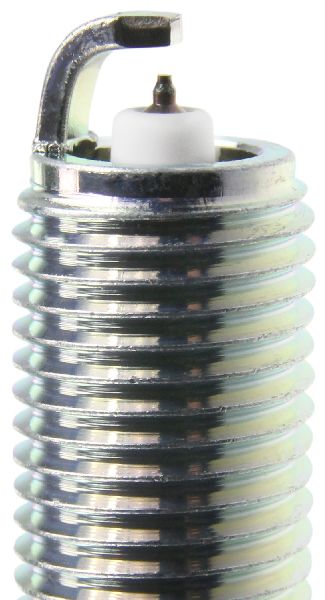
(OEM #NGK DILZKR7A11G (95350))— This is the most common failure point due to the VCM-related oil fouling issue documented in Honda's TSBs. Using the correct OEM Iridium plug is critical.
Trusted brands: NGK, Denso
OEM price range: $20-$30
Aftermarket price range: $15-$25 - Ignition Coil
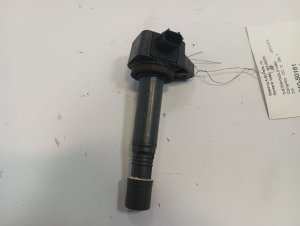
(OEM #30520-RN0-A01)— A common point of failure for ignition systems and the easiest component to diagnose via swapping.
Trusted brands: Honda (OEM), NGK, Denso, Hitachi
OEM price range: $80-$120
Aftermarket price range: $40-$80 - VCM Disabling Device — An aftermarket device that is the most popular long-term fix among owners to prevent the VCM system from causing oil consumption and recurring spark plug fouling.
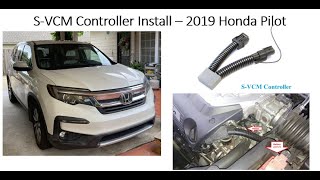
Trusted brands: VCMTuner II, S-VCM Controller, VCM Muzzler 🎬 Watch: How to install an S-VCM controller to prevent fouling.
Related Codes That Often Appear With This One
- P0300 — If the misfire is severe or intermittent, the computer may also log a P0300 for random/multiple cylinder misfires, especially if other VCM cylinders are also beginning to foul.
- P0301, P0303, P0304 — These codes indicate misfires in other cylinders. Seeing them together with P0302 strongly points to the VCM-related piston ring and spark plug fouling issue, as cylinders 1-4 are the ones affected by VCM operation.
- P0420, P0430 — These codes for 'Catalyst System Efficiency Below Threshold' can appear after extended driving with a misfire. The unburned fuel from the misfiring cylinder(s) damages the catalytic converters.
Technical Service Bulletins (TSBs) & Recalls

- A13-082: Warranty Extension: MIL Comes On With DTCs P0301 thru P0304. Details the piston ring alignment issue causing spark plug fouling. The official fix procedure involves software updates for early models and/or piston cleaning and ring replacement.
- A26-002 & A25-060: Mention that oil sludge can adhere to the spark plug, leading to carbon fouling and misfires on cylinders 1-4.
- 13-078 & 13-079: Similar TSBs for the Accord and Crosstour V6 models, detailing the exact same VCM issue and repair procedure, confirming it's a widespread problem with the J35 engine family.
Platform-Specific Known Issues
- Variable Cylinder Management (VCM) and Piston Ring Alignment: Honda issued TSB A13-082 for 2009-2013 Pilots, which states, 'The piston rings on certain cylinders may rotate and align which can lead to spark plug fouling. This can set DTCs P0301 through P0304...' This issue was the subject of a class-action lawsuit, and Honda extended the powertrain warranty to 8 years/unlimited miles (and later to 10 years/150k miles for some models) to cover this specific repair. While the warranty period has expired for most of these vehicles, the TSB confirms the mechanical cause of recurring misfires on cylinders 1-4.
- Owner Repair Stories: Numerous owners on forums like Piloteers.org and Reddit report getting a P0302 (or P0301-P0304) code, replacing the fouled plug, and having the misfire return thousands of miles later. Many of these owners then install a VCM disabling device, which permanently solves the problem by keeping all 6 cylinders active, preventing the conditions that lead to oil blow-by and plug fouling.
Mechanic-Grade Diagnostic Values
- Fuel Pressure — expected: 390-440 kPa (57-64 psi) at idle. Failure: Pressure below this range can cause lean misfires across multiple cylinders.
- Fuel Injector Resistance — expected: Approximately 10.5 to 12.0 ohms. Failure: A reading significantly outside this range, or an open circuit (OL), indicates a failed injector coil.
- Ignition Coil Primary Resistance — expected: Approximately 0.49—0.57 ohms at 68°F (20°C). Failure: A reading outside this narrow range suggests a faulty primary winding.
Hidden / Shadow Codes Worth Checking
- Mode $06 Misfire Counts: This is not a DTC, but a function within a capable OBD-II scanner. It allows viewing of the raw misfire count for each individual cylinder over the current and last 10 drive cycles. This is extremely useful for confirming the misfire is isolated to cylinder 2 before the PCM has logged enough events to set a P0302. (see via A professional scan tool like the Honda HDS or some high-end consumer OBD-II scanners with Mode $06 functionality. The data will be under Test ID $A2 through $AD for misfire counts.)
Scan Tool Commands That Help
- Honda Diagnostic System (HDS): Misfire Data Display — When diagnosing an active misfire, the HDS can show a live data list of misfire counts per cylinder. This allows a technician to confirm in real-time that cylinder 2 is the source of the problem while the engine is running.
- Honda Diagnostic System (HDS): PCM Software Update — For 2009-2011 models, TSB 13-082 requires checking the PCM software version and updating it if it's outdated. This update modifies the VCM logic to help reduce the conditions that lead to spark plug fouling. This step is critical before proceeding to piston ring replacement.
Wiring & Ground Locations
- G101 — Typically located on the thermostat housing, at the left rear of the engine.. G101 is a primary ground point for the Powertrain Control Module (PCM) and multiple critical engine sensors and actuators, including the PGM-FI main relay and potentially the ignition coils via the PCM. A corroded or loose G101 ground can cause erratic behavior, including misfires that can be difficult to diagnose, as components may test good individually but fail intermittently due to the bad ground.
Real Owner Repair Stories
- YouTube user 'Car Light' (2009 Honda Pilot 3.5L) — Check engine light on with code P0302, engine misfiring.
❌ Tried (didn't work) Initially replaced only the ignition coil for cylinder 2.
✅ What actually fixed it The misfire persisted after replacing the coil. Upon further inspection, the spark plug in cylinder 2 was found to be severely damaged and broken. The final fix required replacing the bad ignition coil AND all the spark plugs. The plug in cylinder 1 was also found to be damaged but had not yet set a code. - Honda-Tech forum user (2011 Honda Pilot) — P0302 misfire code, VSA light also came on.
❌ Tried (didn't work) Replaced the cylinder #2 coil pack and spark plug.
✅ What actually fixed it The code returned after replacing the plug and coil. The community identified the likely cause as VCM-related piston ring/oil consumption issues. The recommended fix, since the vehicle was out of warranty, was to install an aftermarket VCM disabling device ('VCM Muzzler II') to prevent the root cause from recurring.
OEM Part Supersession History
30520-RN0-A01→30520-RN0-S01— Part revision by the manufacturer. The function remains the same.
Heads up: The parts are interchangeable. 30520-RN0-A01 is the original number often referenced in forums and older part diagrams, while 30520-RN0-S01 is the current replacement part number supplied by Honda dealers.
Model Year Variations Within This Range
- 2009-2011: These earlier models may not have the updated PCM software designed to mitigate the VCM issue. TSB 13-082 specifies that the first step for these years is to update the PCM software and replace plugs. If the issue returns, then the piston ring repair is performed.
- 2012-2015: These later models were equipped from the factory with the updated PCM software. Therefore, per TSB 13-082, diagnosis on these vehicles proceeds directly to spark plug inspection and, if fouled, the piston ring cleaning/replacement procedure. No software update is required.
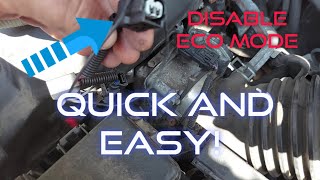
Helpful Videos
Used OEM Parts in Stock
New Aftermarket Parts Available

The information in this article is provided for general reference and educational purposes only. Vehicle specifications, procedures, and part compatibility can vary by production date, trim level, and region. Always consult your vehicle's factory service manual and verify part numbers before purchasing or performing repairs. Safety-critical components such as airbags, seat belts, and braking systems should be installed by a qualified professional.
- Honda PILOT:
- 🎬 Helpful Videos
- 🛍️ Shop This Part
- What's Unique About the 2009-2015 Honda PILOT
- Diagnostic Flowchart
- Symptoms You May Notice
- Most Likely Causes
- Rare But Worth Checking
- Diagnosis Steps
- Parts You'll Likely Need
- Related Codes That Often Appear With This One
- Technical Service Bulletins (TSBs) & Recalls
- Platform-Specific Known Issues
- Mechanic-Grade Diagnostic Values
- Hidden / Shadow Codes Worth Checking
- Scan Tool Commands That Help
- Wiring & Ground Locations
- Real Owner Repair Stories
- OEM Part Supersession History
- Model Year Variations Within This Range
- 🎟️ Get 5% Off