

P0302 on 2015-2022 GMC Canyon: Cylinder 2 Misfire Causes and Fixes
P0302 indicates a misfire on cylinder 2. On the 3.6L V6 GMC Canyon, this is most often caused by a failed ignition coil or a worn spark plug. A simple coil swap between cylinders can diagnose the issue. However, a known issue with a faulty Active Fuel Management (AFM) oil control valve (OCV) solenoid can also cause this code, as noted in GM TSB #21-NA-036. In rare cases, a porous cylinder head (TSB #21-NA-147) could be the cause, requiring a more extensive repair.
- P0302 signifies a misfire in cylinder 2, located on the passenger side of the engine, second from the front.
- The most common and easiest-to-diagnose causes are a bad ignition coil or spark plug.
- Always start diagnosis by swapping the cylinder 2 ignition coil with another cylinder to see if the misfire code follows the coil.
- Be aware of GM Technical Service Bulletin #21-NA-036, which points to a faulty AFM oil control valve solenoid as a specific cause for this code on the 3.6L V6 engine.
- If the check engine light is flashing, avoid driving the vehicle to prevent expensive damage to the catalytic converter.
What's Unique About the 2015-2022 Gmc CANYON

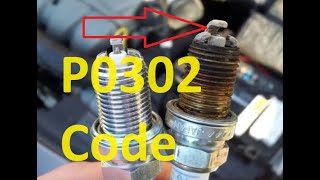
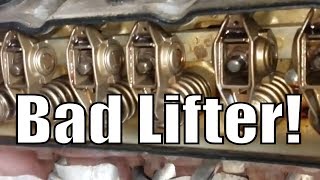
For the GMC Canyon with the 3.6L V6 engine (LGZ), the standard causes of a misfire like ignition coils and spark plugs are common. However, this platform has specific, documented issues that can lead to a P0302 code. 🎬 See this breakdown of common causes and fixes for P0302. GM issued Technical Service Bulletin #21-NA-036 which identifies a potentially damaged Active Fuel Management (AFM) Oil Control Valve (OCV) solenoid as a cause for misfires on cylinders 2 and/or 5. The failure occurs when the solenoid leaks or breaks, causing inadequate oil pressure for the AFM system, which can deactivate the cylinder. 🎬 Watch: How to diagnose a bad hydraulic lifter on GMC trucks. Furthermore, rare but serious manufacturing defects like porosity in the cylinder head (TSB #21-NA-147) or engine block (TSB #18-NA-115) are known causes of persistent misfires on this engine family.
Diagnostic Flowchart

Tap your situation to follow the diagnostic path that matches what you're seeing on this vehicle.
Symptoms You May Notice
- Flashing or solid Check Engine Light
- Rough or shaky idle
- Engine hesitation or stumbling during acceleration
- Reduced engine power
- Poor fuel economy
- Difficulty starting the engine
- Fuel smell from the exhaust
- Replacing the oxygen sensors, as they may report issues that are actually caused by the misfire.
- Replacing the catalytic converter when it has been damaged by a long-term misfire, without first fixing the root cause of the misfire.
Most Likely Causes

- Failed Ignition Coil 🔴 High Probability Ignition coils are a common failure point on most modern engines, including the GM 3.6L, due to constant exposure to heat and vibration.
How to confirm: Swap the ignition coil from cylinder 2 with another cylinder (e.g., cylinder 4). Cylinder 2 is on the driver's side, front cylinder. Clear the codes and drive the vehicle. If the code changes to P0304, the ignition coil is faulty.
Typical fix: Replace the failed ignition coil. Many owners choose to replace all coils on the bank, or all six, if they are high mileage or original.
Est. part cost: $40-$80 per coil - Worn or Fouled Spark Plug 🔴 High Probability
How to confirm: After ruling out the ignition coil, remove the spark plug from cylinder 2. Inspect it for wear (worn electrode), carbon buildup, or oil/coolant fouling. A cracked porcelain insulator is a definitive sign of failure. The service interval is typically around 100,000 miles.
Typical fix: Replace the spark plug. It is best practice to replace all six spark plugs at the same time for even performance, especially if near the service interval.
Est. part cost: $10-$20 per plug - Faulty Active Fuel Management (AFM) Oil Control Valve (OCV) Solenoid 🟡 Medium Probability GM TSB #21-NA-036 specifically calls out this failure on 2017-2022 models with the 3.6L LGZ V6, noting it can cause oil leaks and misfires on cylinders 2 and 5. These are the two cylinders deactivated during V4 mode.
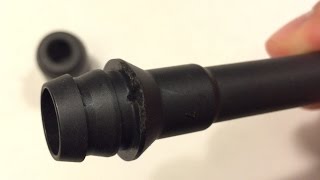
How to confirm: Inspect the OCV solenoid on the driver-side camshaft cover for signs of oil leakage or physical damage. The TSB notes that the end of the solenoid may break off and remain inside the camshaft cover bore. If the solenoid appears fine, the TSB suggests the issue could be with the cylinder's rockers (SRFFs) or lifters (SHLAs).
Typical fix: Replace the damaged AFM OCV solenoid and its O-rings. If the tip is broken off, it must be carefully extracted from the bore with a pick tool or snap-ring pliers.
Est. part cost: $40-$60 - Clogged or Faulty Fuel Injector ⚪ Low Probability The 3.6L is a direct-injection engine, and while reliable, injectors can become clogged or fail electronically. Carbon buildup on intake valves is also a known characteristic of these engines and can affect cylinder airflow, contributing to misfire conditions.
How to confirm: If spark components are good, the fuel injector is the next suspect. A professional can perform a fuel injector balance test (AFIT) using a GDS2 scan tool. A DIY method is to swap the injector with another cylinder, but this is labor-intensive as it requires removing the intake manifold.
Typical fix: Replace the faulty fuel injector. It's often recommended to replace all three on the same bank if they are high mileage.
Est. part cost: $50-$100
Rare But Worth Checking
- Internal Cylinder Head Leak (Porous Casting): TSB #21-NA-147 describes a critical issue where, due to a manufacturing defect, the cylinder head casting is porous, allowing coolant or oil to leak directly into a spark plug tube. This fouls the plug and coil, causing a persistent misfire. The spark plug tubes are permanently sealed and cannot be replaced individually; the only official GM repair is to replace the entire cylinder head assembly.
- Internal Engine Coolant Leak (Porous Block): A separate issue, described in TSB #18-NA-115, involves porosity in the engine block itself, which can allow coolant to seep into a cylinder. This typically causes a misfire on a cold start that may improve as the engine warms up. If this condition is verified, the only repair is to replace the engine assembly.
- Loss of Compression (Mechanical Fault): Mechanical engine issues like a damaged valve, worn piston rings, or a faulty/collapsed hydraulic lash adjuster (lifter) or rocker arm can cause a loss of compression. TSB #21-NA-036 and #PIP5824 note that failed AFM lifters and rockers can cause misfires on cylinders 2 and 5. A compression test is required to diagnose this.
Diagnosis Steps
- Read the code with an OBD-II scanner and confirm P0302 is present. Note any other codes, especially P0300, P0305, or P050D.
- Check if the Check Engine Light is flashing. A flashing light indicates a severe misfire that can damage the catalytic converter; driving should be minimized.
- Swap the ignition coil from cylinder 2 (driver's side, front cylinder) with the coil from cylinder 4 (driver's side, middle cylinder).
- Clear the codes and test drive the vehicle. If the code returns as P0304, the ignition coil is the problem. Replace the faulty coil.
- If the code remains P0302, swap the spark plug from cylinder 2 with cylinder 4. If the code changes to P0304, the spark plug was the issue. Replace the spark plugs (all six recommended).
- If the misfire persists on cylinder 2, inspect the wiring and connector for the ignition coil and fuel injector for any damage.
- For 2017-2022 models, following TSB #21-NA-036, inspect the AFM Oil Control Valve (OCV) solenoid on the driver-side camshaft cover. Check for oil leaks or damage. Remove the solenoid and inspect its tip and the bore for a broken-off piece.
- If the intake manifold is removed for injector access, inspect the intake valves for heavy carbon buildup, a known issue on direct injection engines.
- If no external parts are at fault, check for the rare but serious TSBs. Inspect the spark plug tube for cylinder 2 for any signs of oil or coolant intrusion from below, which would indicate a porous cylinder head per TSB #21-NA-147.
- If all else fails, a mechanical issue is likely. Perform a compression test on cylinder 2 to check for issues with valves, piston rings, or AFM lifters.
Parts You'll Likely Need
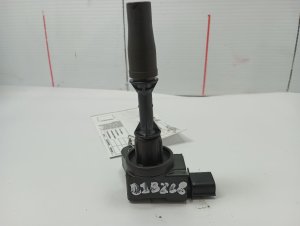
- Ignition Coil
(OEM #12674754)— This is the most frequent cause of a single-cylinder misfire. It's a common wear-and-tear item.
Trusted brands: ACDelco, Delphi, NGK, Duralast
OEM price range: $60-$90
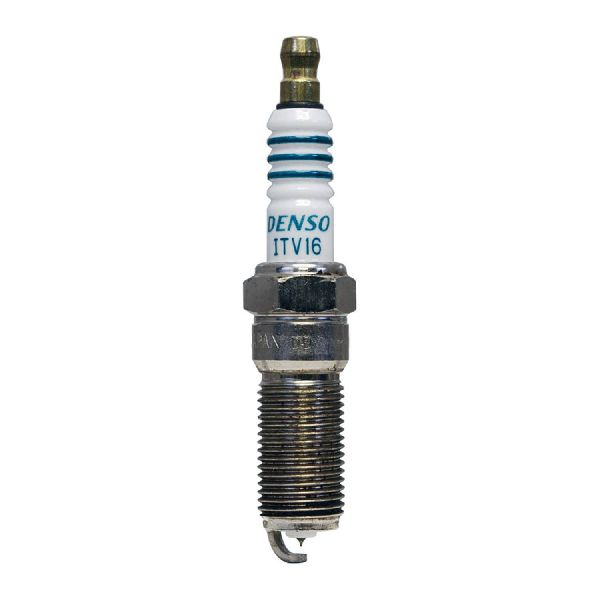
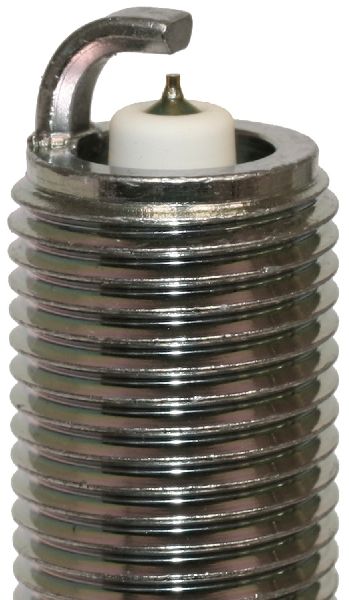
Aftermarket price range: $40-$75 - Spark Plug
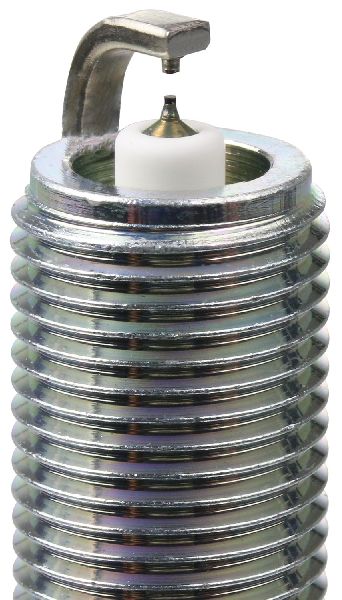
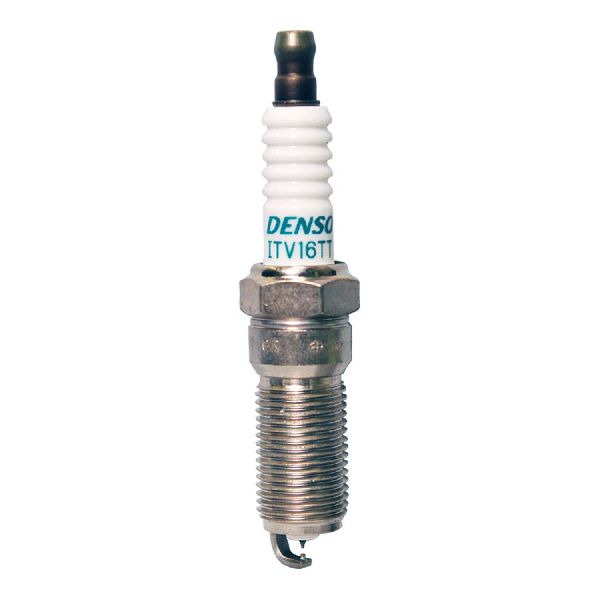
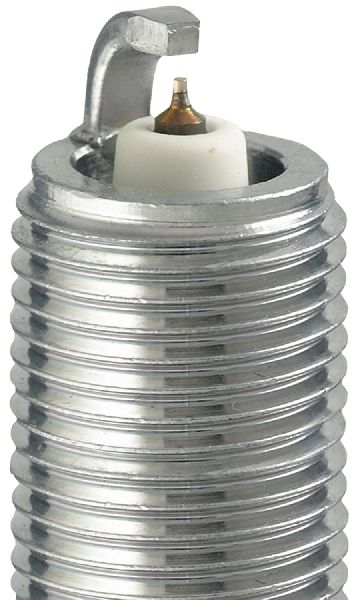
(OEM #12681660)— Spark plugs are a routine maintenance item and can become worn or fouled, causing a misfire. They are typically replaced when diagnosing a misfire.
Trusted brands: ACDelco (Iridium), NGK (Iridium)
OEM price range: $15-$25
Aftermarket price range: $10-$20 - Rocker Arm Oil Control Solenoid (AFM OCV Solenoid)
(OEM #12681073)— Specifically cited in GM TSB #21-NA-036 as a cause for misfires on cylinder 2 in the 2017+ 3.6L LGZ V6 engine.
Trusted brands: ACDelco (GM Genuine Parts)
OEM price range: $45-$65
Aftermarket price range: $30-$50
Related Codes That Often Appear With This One
- P0300 — If the misfire is intermittent or starting to affect other cylinders, a P0300 (Random Misfire) code may appear alongside P0302.
- P0305 — TSB #21-NA-036 specifically groups P0302 and P0305 together as they are both cylinders deactivated by the Active Fuel Management (AFM) system and can be affected by the same faulty OCV solenoid or related lifters.
- P050D — TSB #PIE0688A and #PIE0688 link P0302 with P050D (Cold Start Rough Idle), suggesting the misfire may be related to cold-start engine control issues, potentially pointing towards the rare block porosity issue (TSB #18-NA-115).
Technical Service Bulletins (TSBs) & Recalls

- 21-NA-036: Information on Malfunction Indicator Lamp (MIL) Illuminated – DTC P0300, P0302 and/ or P0305 Set
- PIE0688A: Engineering Information – Malfunction Indicator Lamp (MIL) Illuminated On Driver Information Center (DIC) with DTCs P0300, P0302 and/or P050D Set
- PIE0688: Engineering Information – Malfunction Indicator Lamp (MIL) Illuminated On Driver Information Center (DIC) with DTCs P0300, P0302 and/or P050D Set
- 21-NA-147: Fluid In Spark Plug Tubes, Coolant and/or Oil Leak, Malfunction Indicator Lamp (MIL) Illuminated
- 18-NA-115: Cold Start Misfire/Rough Idle with DTC P0300
- 21-NA-278: Diagnostic Strategy for Ticking, Tap or Rattle Noise from Engine with Possible Misfire
Platform-Specific Known Issues

- TSB #21-NA-036: Addresses a condition where a damaged Active Fuel Management (AFM) Oil Control Valve (OCV) solenoid can cause a misfire on cylinder 2 and/or 5 on 2017-2022 models with the LGZ engine. The solenoid can break, leaving its tip inside the camshaft cover, requiring extraction.
Mechanic-Grade Diagnostic Values
- Direct Fuel Injector Coil Resistance — expected: 1.5 - 1.6 ohms. Failure: A reading near zero (short) or infinity (open), or a significant deviation from other injectors, indicates failure.
- Low-Side Fuel Pressure (Key On, Engine Off) — expected: 345-427 kPa (50-62 psi). Failure: Pressure significantly below this range indicates a weak in-tank fuel pump or a leak.
- High-Side Fuel Pressure (Direct Injection) — expected: Can range from 2,000 to 2,800 PSI. Failure: This is for information only; testing requires specialized tools and procedures.
- Ignition Coil Bolt Torque — expected: 10 Nm (89 in-lbs). Failure: Improper torque can lead to a poor ground connection or allow the coil to vibrate loose.
- Spark Plug Torque — expected: 18 Nm (13 ft-lbs). Failure: Incorrect torque can cause sealing issues or damage the cylinder head threads.
Hidden / Shadow Codes Worth Checking
- Misfire History / Current Misfire Counters: These are not codes but live data parameters that show the number of misfire events per cylinder. They can confirm a misfire on cylinder 2 even if the count is not yet high enough to trigger a P0302 code and illuminate the check engine light. (see via GM GDS2, Tech2, or a high-end bidirectional scan tool with access to GM-specific Mode 6 data or live data lists.)
Scan Tool Commands That Help
- GDS2 / High-End Bidirectional Scanner: Cylinder Power Balance Test — This is a definitive test to confirm which cylinder is misfiring. The tool disables one injector at a time and monitors RPM drop. If disabling cylinder 2 causes little or no RPM drop, it confirms that cylinder is not contributing power.
- GDS2 / High-End Bidirectional Scanner: Fuel Injector Balance Test (AFIT) — Use this after confirming the misfire is on cylinder 2 and ruling out ignition issues. The tool measures the fuel pressure drop for each injector pulse. A pressure drop for cylinder 2 that is significantly different from others indicates a clogged or leaking injector.
- GDS2 / Tech2: Crankshaft Position (CKP) Variation Learn — This procedure MUST be performed after replacing timing components (chains, guides), the crankshaft sensor, or the ECM. It synchronizes the sensor with the physical crankshaft reluctor wheel, ensuring accurate misfire detection.
Wiring & Ground Locations
- Engine Ground Straps/Splice Packs — Check for main ground points from the engine block to the chassis and body. On similar GM trucks, problematic ground splice packs are often found on the inner fenders in the engine bay, one near the battery/fuse box and another near the air intake box.. A corroded or loose engine ground can cause erratic behavior in the ignition system, leading to weak spark and intermittent misfires that are difficult to diagnose. The ECM and ignition coils rely on solid ground connections to function correctly.
Real Owner Repair Stories
- RamForum.com user @Ram1500Josh2012 (Dodge Ram with P0302 (demonstrates a similar diagnostic path for AFM/MDS engines)) — P0302 code appeared under heavy load.
❌ Tried (didn't work) Replaced the MDS solenoid (equivalent to GM's AFM solenoid)., Replaced spark plugs.
✅ What actually fixed it The user diagnosed a failed lifter by manually turning the engine over and observing that the valve on cylinder 2 was only opening about 15% of its normal travel, indicating the lifter had collapsed and the camshaft was likely damaged.
OEM Part Supersession History
12647362, 12650300→12692884— Standard part evolution and updates for the 3.6L GDI fuel injector.
Heads up: While these part numbers are often interchangeable for the LGZ engine, always verify the correct part number for your specific vehicle using its VIN.
Model Year Variations Within This Range
- 2015-2016: These models are equipped with the 3.6L LFX V6 engine. This engine does NOT have Active Fuel Management (AFM). Therefore, AFM-related causes like a failed OCV solenoid or AFM lifters do not apply. Diagnosis should focus on standard ignition, fuel, and mechanical issues.
- 2017-2022: These models use the updated 3.6L LGZ V6 engine, which includes Active Fuel Management (AFM). This system can deactivate cylinders 2 and 5 under light load. This makes failures of the AFM OCV solenoid (TSB #21-NA-036) and AFM lifters a specific and more probable cause for a P0302 on these model years.
Helpful Videos
Used OEM Parts in Stock

New Aftermarket Parts Available


The information in this article is provided for general reference and educational purposes only. Vehicle specifications, procedures, and part compatibility can vary by production date, trim level, and region. Always consult your vehicle's factory service manual and verify part numbers before purchasing or performing repairs. Safety-critical components such as airbags, seat belts, and braking systems should be installed by a qualified professional.
- Gmc CANYON:
- 🎬 Helpful Videos
- 🛍️ Shop This Part
- What's Unique About the 2015-2022 Gmc CANYON
- Diagnostic Flowchart
- Symptoms You May Notice
- Most Likely Causes
- Rare But Worth Checking
- Diagnosis Steps
- Parts You'll Likely Need
- Related Codes That Often Appear With This One
- Technical Service Bulletins (TSBs) & Recalls
- Platform-Specific Known Issues
- Mechanic-Grade Diagnostic Values
- Hidden / Shadow Codes Worth Checking
- Scan Tool Commands That Help
- Wiring & Ground Locations
- Real Owner Repair Stories
- OEM Part Supersession History
- Model Year Variations Within This Range
- 🎟️ Get 5% Off