

P0302 on 2010-2013 Chevrolet Express: Cylinder 2 Misfire Causes and Fixes
Code P0302 on a 2010-2013 Chevy Express indicates a misfire in cylinder 2. The most common causes are a faulty spark plug, a bad ignition coil, or a loose spark plug wire, which is noted in a GM Technical Service Bulletin. For 5.3L engines, a failing AFM lifter is also a possible, more serious cause. A DIY fix for common issues is often possible for around $20-$80.
- P0302 is a misfire on cylinder #2, which is the front-most cylinder on the passenger side of the engine.
- Always check for a loose spark plug wire first, as this is a known issue documented by GM.
- The easiest way to diagnose a bad spark plug or ignition coil is to swap the component from cylinder #2 with an adjacent cylinder (like #4) and see if the trouble code follows the part.
- Driving with a misfire can lead to costly damage to the catalytic converter, so it's important to fix the issue promptly.
What's Unique About the 2010-2013 Chevrolet EXPRESS
The 2010-2013 Express vans are typically equipped with robust Vortec V8 engines (like the 4.8L, 5.3L, or 6.0L). A specific GM Technical Service Bulletin (TSB) for this era, #PIP4819A, directly calls out that P030x misfire codes can be caused by something as simple as a loose spark plug wire, making it a critical first check. Furthermore, the 5.3L V8 engines equipped with Active Fuel Management (AFM) are known to be susceptible to lifter failure, which can present as a single-cylinder misfire (like P0302) before escalating.
Diagnostic Flowchart
Tap your situation to follow the diagnostic path that matches what you're seeing on this vehicle.
Symptoms You May Notice
- Flashing or solid Check Engine Light
- Rough or shaky idle
- Engine hesitation or stumbling during acceleration
- Noticeable loss of engine power
- Reduced fuel economy
- A smell of unburnt gasoline from the exhaust
- Engine stalling, especially under load
- Replacing oxygen (O2) sensors before diagnosing the ignition system. While a misfire can affect O2 sensor readings, the sensors are rarely the cause of a single-cylinder misfire.
- Replacing the fuel pump. A failing fuel pump typically causes random misfires on multiple cylinders (P0300) or lean codes, not a consistent misfire on a single cylinder.
Most Likely Causes
- Loose or Faulty Spark Plug Wire 🔴 High Probability A General Motors TSB (#PIP4819A) specifically identifies loose spark plug wires as a cause for P030x codes on these vehicles. The connection at the coil or plug can weaken over time due to engine vibration and heat cycles.
How to confirm: Visually inspect the spark plug wire for cylinder #2. Ensure it is firmly clicked onto both the ignition coil and the spark plug. Check for any visible damage, cracking, or burn marks on the wire boot.
Typical fix: Reseat the wire firmly. If the wire is damaged or old, replace the full set of spark plug wires. 🎬 See this step-by-step Chevy Express tune-up walkthrough.
Est. part cost: $50-$100 - Worn or Fouled Spark Plug 🔴 High Probability Spark plugs are a standard wear item with a service life of around 100,000 miles. Over time, the electrode wears down or can become fouled with carbon or oil, preventing a strong spark.
How to confirm: Remove the spark plug from cylinder #2. Inspect it for a worn electrode, cracks in the porcelain, or heavy deposits. A good diagnostic step is to swap the cylinder #2 spark plug with one from another cylinder (e.g., #4). If the code changes to P0304, the spark plug is the culprit.
Typical fix: Replace the spark plug. It is best practice to replace all spark plugs at the same time using OEM-spec Iridium plugs.
Est. part cost: $10-$25 per plug - Failing Ignition Coil 🟡 Medium Probability The coil-on-plug ignition system means each cylinder has its own coil. Constant exposure to engine heat and vibration can cause these coils to fail over time, a common issue on GM trucks and vans.
How to confirm: Swap the ignition coil from cylinder #2 with another cylinder (e.g., #4). Clear the codes and run the engine. If the misfire code moves to P0304, the ignition coil is faulty.
Typical fix: Replace the failing ignition coil. Many owners choose to replace just the single failed coil.
Est. part cost: $40-$120 - Clogged or Faulty Fuel Injector ⚪ Low Probability Fuel injectors can become clogged with carbon deposits over time, especially with lower-quality fuel, preventing the correct amount of fuel from reaching the cylinder.
How to confirm: This is more complex. A mechanic can perform a fuel injector balance test. A DIY method involves listening to the injector with a mechanic's stethoscope to ensure it's clicking. You can also swap the injector with another cylinder, similar to the coil/plug swap, though this is more labor-intensive.
Typical fix: Clean or replace the fuel injector for cylinder #2. Sometimes running a high-quality fuel system cleaner can help, but replacement is often necessary if clogged.
Est. part cost: $50-$150
Rare But Worth Checking
- Intake Manifold Gasket Leak: The intake manifold gaskets on Vortec engines can fail, causing a vacuum leak near a specific cylinder. This leans out the air/fuel mixture and can cause a misfire. A smoke test is the best way to confirm a vacuum leak.
- Internal Engine Mechanical Failure: In rare cases, a misfire can be caused by a loss of compression from a bad valve, worn piston rings, or a failing lifter. A compression test and/or a cylinder leak-down test is needed to diagnose this.
- AFM/DOD Lifter Failure (5.3L V8): The Active Fuel Management (AFM) system on 5.3L engines uses special lifters that can collapse to deactivate cylinders for fuel economy. These lifters are a known failure point and can get stuck or collapse, causing a persistent misfire on an AFM cylinder (1, 4, 6, or 7). However, related issues can sometimes manifest on other cylinders. TSB #19-NA-219 discusses misfires related to lifter and camshaft issues. 🎬 Watch: How to diagnose GM lifter issues and misfire codes.
Diagnosis Steps
- Read the code with an OBD-II scanner to confirm P0302 and check for any other codes. Note any freeze-frame data.
- Locate cylinder #2. On Chevy V8 engines, the cylinders are numbered 1-3-5-7 on the driver's side (front to back) and 2-4-6-8 on the passenger's side. Cylinder #2 is the front-most cylinder on the passenger side.
- Inspect the spark plug wire for cylinder #2. Per TSB #PIP4819A, ensure it is fully seated and not damaged. Check for arcing marks on the boot or wire.
- Swap the ignition coil from cylinder #2 with the coil from cylinder #4. Clear the codes and drive. If the code returns as P0304, the coil is bad.
- If the code remains P0302, swap the spark plug from cylinder #2 with the plug from cylinder #4. If the code changes to P0304, the plug is bad. 🎬 Watch: Quick 3-minute DIY methods to fix a P0302 code.
- If ignition components are good, inspect the fuel injector for cylinder #2. Listen for a consistent clicking sound with a mechanic's stethoscope while the engine is running.
- If the cause is still not found, check for vacuum leaks near the intake manifold for cylinder #2 using a smoke machine or by carefully spraying brake cleaner around the gasket area (a change in idle indicates a leak).
- Check fuel trims with a capable scanner. High positive trims could indicate a vacuum leak affecting that cylinder bank.
- As a final step for DIY, perform a cylinder compression test to rule out internal mechanical engine problems like bad rings or valves. If compression is low, a cylinder leak-down test can pinpoint the source of the leak (intake valve, exhaust valve, or piston rings).
Parts You'll Likely Need
- Spark Plug
(OEM #41-110)— This is a primary wear item and a very frequent cause of single-cylinder misfires. The ACDelco 41-110 Iridium plug is often preferred by owners over the 41-162 for a smoother idle.
Trusted brands: ACDelco, NGK
OEM price range: $12-$25
Aftermarket price range: $8-$18 - Spark Plug Wire Set
(OEM #9748UU)— A GM TSB specifically calls out loose or bad wires as a cause for this code on these vans. It's best to replace them as a set if they are original or show signs of wear.
Trusted brands: ACDelco, Delphi
OEM price range: $60-$100
Aftermarket price range: $40-$80 - Ignition Coil
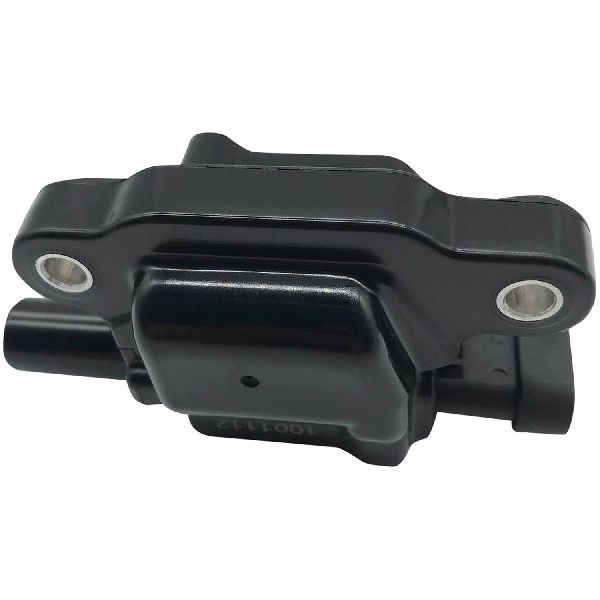
(OEM #12573190)— The individual coil for cylinder #2 can fail from heat and age, leading to a lack of spark. The OEM part is 12573190, which has been superseded by GM part number 12699382. Aftermarket equivalents include D585.
Trusted brands: ACDelco, Delphi
OEM price range: $60-$120
Aftermarket price range: $30-$70
Related Codes That Often Appear With This One
- P0300 — If the misfire on cylinder 2 is intermittent or if other cylinders are also beginning to misfire, a P0300 (Random/Multiple Cylinder Misfire Detected) code may also be stored. This can happen if the root cause (like low fuel pressure or a large vacuum leak) affects the whole engine.
Technical Service Bulletins (TSBs) & Recalls
- Bulletin #PIP4819A: Notes that P030x codes can be caused by loose spark plug wires that require inspection and replacement.
- Bulletin #19-NA-219: Discusses engine misfire DTCs (P0300-P0308) that can be caused by internal issues like a worn camshaft lobe, a sticking valve, or a collapsed AFM lifter.
Platform-Specific Known Issues
- Per TSB #PIP4819A, these vehicles can set misfire codes simply due to loose spark plug wires. Always check that the wires are firmly connected at both the coil pack and the spark plug before replacing parts.
- On 5.3L V8s with Active Fuel Management (AFM), a P0302 code can be an early symptom of a failing AFM lifter, which is a more serious and expensive mechanical repair. This is discussed in TSB #19-NA-219 and widely in owner forums.
Mechanic-Grade Diagnostic Values
- Ignition Coil Primary Resistance — expected: 0.3 to 1.5 ohms. Failure: A reading outside of this range indicates a faulty coil.
- Ignition Coil Secondary Resistance — expected: 5,000 to 15,000 ohms (5k-15k Ω). Failure: A reading outside of this range suggests the coil's secondary winding has failed.
- Fuel Injector Resistance (High Impedance) — expected: 11.0 to 16.0 ohms. Failure: A reading of 'OL' (open) or significantly lower than other injectors (shorted) indicates a bad injector. All injectors should be within 0.5 ohms of each other.
- Fuel Pressure (Key On, Engine Off) — expected: 55-60 psi. Failure: Pressure below this range may indicate a weak fuel pump, which typically causes multiple/random misfires rather than a single cylinder misfire.
Scan Tool Commands That Help
- GDS2 (GM Diagnostic Software): Cylinder Power Balance Test — This function allows a technician to view the contribution of each cylinder in real-time. A significant drop in RPM when cylinder #2 is deactivated (compared to others) suggests it's firing, while little to no change indicates it's the source of the misfire. This helps confirm the misfire location before swapping parts.
Wiring & Ground Locations
- G102 — On the left rear of the engine for 4.8L, 5.3L, & 6.0L V8s.. This is a primary engine block ground. A loose or corroded G102 can cause erratic behavior in sensors and actuators, including the ignition system, potentially leading to misfire codes.
- Underhood Fuse Block — On the left side of the engine compartment.. This block contains fuses and relays critical for the ignition system and ECM. Specifically, fuses like 'ECM BATT' (Fuse 19) and relays for the powertrain control module are located here and should be checked for integrity.
- G302 — Behind the left kick panel, inside the cabin.. This is a body ground point. While less likely to cause a specific cylinder misfire, poor grounding here can affect modules that communicate with the ECM, such as the Body Control Module (BCM), leading to various electrical issues.
OEM Part Supersession History
12573190→12611424, 12629434, 12699382, 12739916— Standard part evolution and updates by the manufacturer.
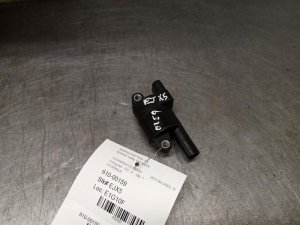
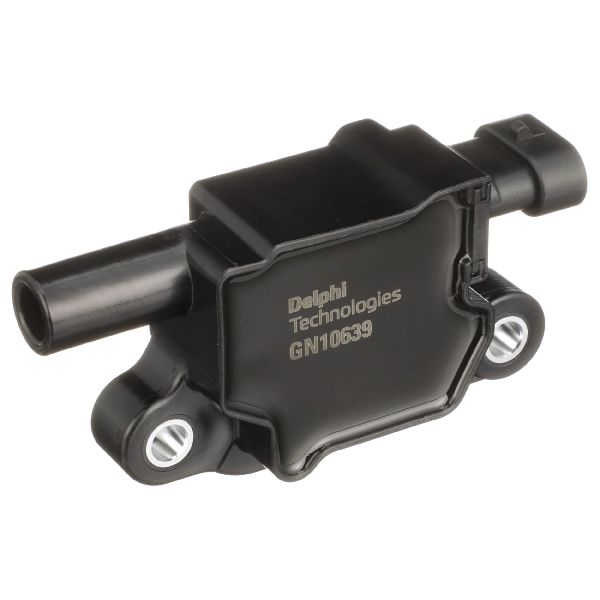
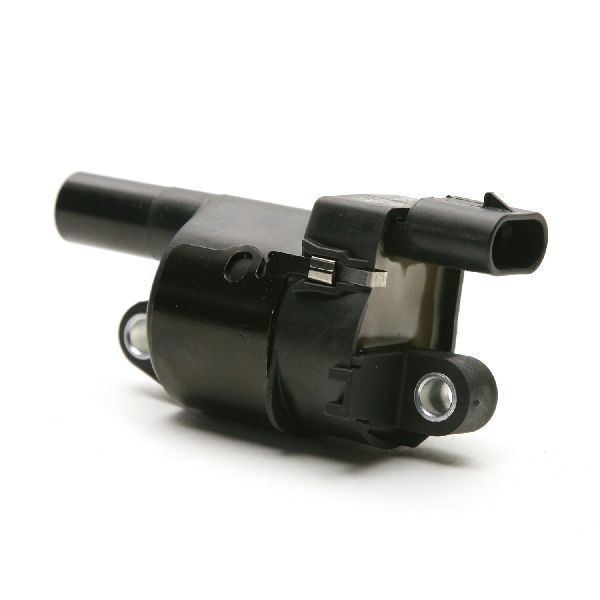
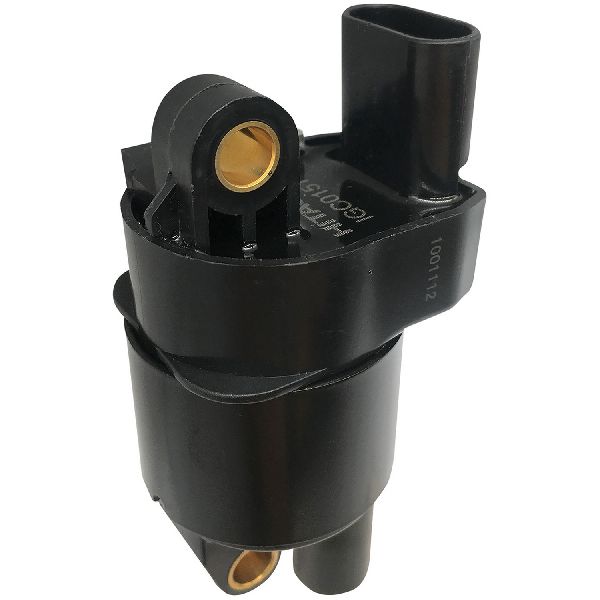
Heads up: GM used both round and square style ignition coils on Vortec engines during this period. The part numbers are not interchangeable. Visual inspection of the original coil is required before ordering a replacement to ensure the correct physical shape is purchased.
Model Year Variations Within This Range
- 2010-2014: The 1500 series vans primarily used a 4-speed 4L60-E automatic transmission, while the heavier duty 2500/3500 series received the 6-speed 6L90-E transmission starting in 2010. This doesn't directly cause P0302, but it's a key platform difference affecting drivetrain and potentially some engine management parameters.
- 2010-2013: Engine options included the 4.8L (L20), 5.3L (LMF), and 6.0L (L96) V8s, all of which could be Flex-Fuel capable. The 5.3L LMF engine specifically includes Active Fuel Management (AFM), making it prone to lifter issues not present in the 4.8L or 6.0L engines.
Helpful Videos
![How to Fix P0302 Engine Code in 3 Minutes [2 DIY Methods / Only $4.22]](https://img.youtube.com/vi/GG0XtnX35RY/mqdefault.jpg)
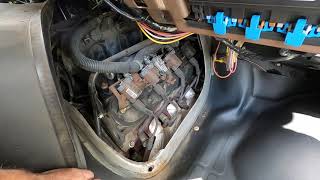
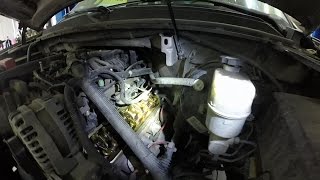
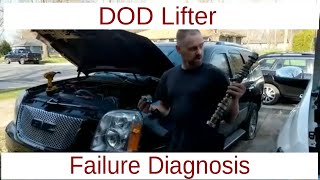
Used OEM Parts in Stock
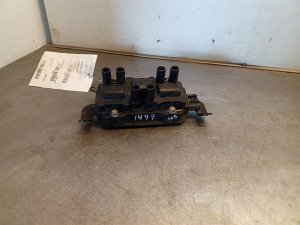

New Aftermarket Parts Available


The information in this article is provided for general reference and educational purposes only. Vehicle specifications, procedures, and part compatibility can vary by production date, trim level, and region. Always consult your vehicle's factory service manual and verify part numbers before purchasing or performing repairs. Safety-critical components such as airbags, seat belts, and braking systems should be installed by a qualified professional.
- Chevrolet EXPRESS:
- 🎬 Helpful Videos
- 🛍️ Shop This Part
- What's Unique About the 2010-2013 Chevrolet EXPRESS
- Diagnostic Flowchart
- Symptoms You May Notice
- Most Likely Causes
- Rare But Worth Checking
- Diagnosis Steps
- Parts You'll Likely Need
- Related Codes That Often Appear With This One
- Technical Service Bulletins (TSBs) & Recalls
- Platform-Specific Known Issues
- Mechanic-Grade Diagnostic Values
- Scan Tool Commands That Help
- Wiring & Ground Locations
- OEM Part Supersession History
- Model Year Variations Within This Range
- 🎟️ Get 5% Off