

P0302 on 2018-2019 Chevrolet Equinox: Cylinder 2 Misfire Causes and Fixes
On a 2018-2019 Equinox, P0302 most often indicates a failed spark plug or ignition coil on cylinder 2. A DIY replacement of a spark plug is around $10-$25, and an ignition coil is about $40-$70. These are the first and most common parts to check. TSB PIE0505 specifically investigated cracked spark plug ceramics on these models as a root cause.
- P0302 on a 2018-2019 Equinox is a misfire on cylinder 2, most likely caused by a bad spark plug or ignition coil.
- Start your diagnosis by swapping the ignition coil from cylinder 2 to another cylinder. If the code follows the coil, you've found the problem.
- If the coil is not the issue, inspect and consider replacing the spark plugs. GM specifically investigated spark plug failures on these models.
- Do not drive if the Check Engine Light is flashing, as this can cause expensive damage to your catalytic converter.
- If new plugs and coils do not fix the issue, the problem is likely a fuel injector or a more serious mechanical issue that may require professional diagnosis.
What's Unique About the 2018-2019 Chevrolet EQUINOX
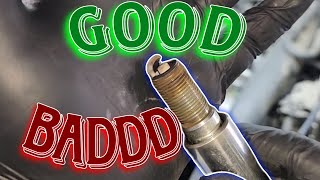
The 2018-2019 Equinox uses small-displacement, direct-injected turbocharged engines (GM calls this SIDI). While efficient, these engines are susceptible to specific issues. GM issued Technical Service Bulletin PIE0505 for these model years regarding rough running and misfire codes (including P0302), specifically investigating issues with spark plugs where the ceramic insulator could crack and cause a misfire. A video of a 2019 Equinox with a P0300 code showed the technician finding a broken spark plug porcelain, confirming this failure mode in the field. 🎬 Watch: Technician finds a broken spark plug causing a P0300 code. Furthermore, as SIDI engines, they are prone to carbon buildup on intake valves, which can disrupt airflow and cause misfires at higher mileage.
Diagnostic Flowchart
Tap your situation to follow the diagnostic path that matches what you're seeing on this vehicle.
Symptoms You May Notice
- Rough or shaky idle
- Hesitation or stumbling during acceleration
- Reduced engine power
- Poor fuel economy
- Flashing Check Engine Light (if the misfire is severe)
- Solid Check Engine Light
- Engine vibration that can be felt in the cabin
- Replacing fuel injectors before properly diagnosing the ignition system. Always start with the cheapest and easiest components: spark plugs and ignition coils.
- Replacing only the single failed spark plug. It is best practice to replace all plugs as a set to ensure even wear and performance.
Most Likely Causes
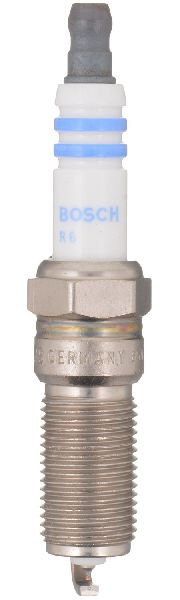
- Worn or Defective Spark Plug 🔴 High Probability As noted in GM TSB #PIE0505, these engines had issues with spark plug ceramics cracking, leading to misfires. The bulletin describes how the broken ceramic piece can move and block the spark gap, causing the misfire. This is the most widely reported cause in owner forums for a P030x code on this platform.
How to confirm: Inspect the spark plug from cylinder 2. Look for cracks in the white ceramic insulator, excessive wear on the electrode, or fouling from oil or carbon. A common diagnostic step is to swap the spark plug from cylinder 2 with one from another cylinder (e.g., cylinder 3). Clear the codes and drive. If the code changes to P0303, the spark plug is the problem.
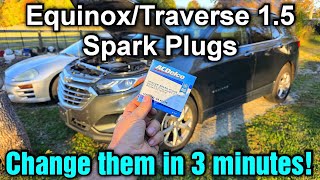
Typical fix: Replace the faulty spark plug. It is highly recommended to replace all four spark plugs at the same time to ensure consistent performance and prevent future misfires. Use high-quality Iridium plugs as specified 🎬 See this quick walkthrough on how to replace your spark plugs. by the manufacturer.
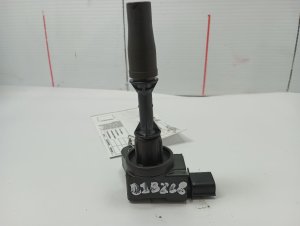
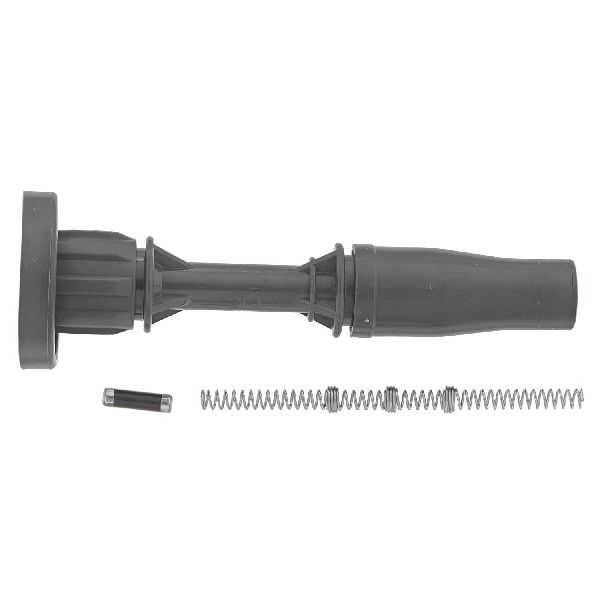
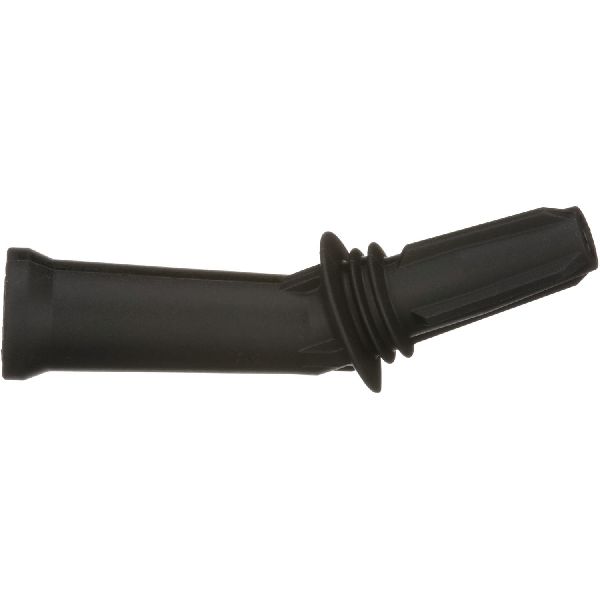
Est. part cost: $10-$25 per plug - Faulty Ignition Coil 🔴 High Probability Ignition coils are a common failure point on many modern engines due to high heat and electrical stress. They are responsible for delivering the high voltage needed to create a spark.
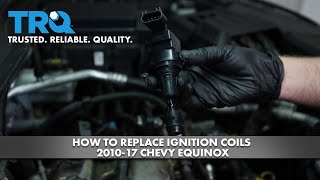
How to confirm: Swap the ignition coil from cylinder 2 with the coil from another cylinder (e.g., cylinder 1). Clear the codes and drive the vehicle. If the misfire code changes to P0301, the ignition coil is faulty. This is a standard and effective diagnostic procedure confirmed by many DIY repair videos 🎬 Watch: A mechanic chases down a misfire on a 2019 Equinox. and forum posts.
Typical fix: Replace the failed ignition coil. It is only necessary to replace the one that has failed, but using a quality OEM or reputable aftermarket brand like ACDelco or Delphi is crucial for longevity.
Est. part cost: $35-$70 - Faulty Fuel Injector 🟡 Medium Probability Direct injection systems operate under very high pressure, which can make injectors more prone to failure or clogging over time compared to older port injection systems. Carbon buildup on the injector tip can disrupt the spray pattern.
How to confirm: This is more difficult to diagnose than a plug or coil. A professional scan tool can be used to perform an injector balance test or monitor fuel trim data. Swapping injectors is possible but is a more labor-intensive job that involves depressurizing the high-pressure fuel system.
Typical fix: Replace the faulty fuel injector. This is a more complex job than plugs or coils and may be best left to a professional due to the high-pressure fuel lines.
Est. part cost: $60-$150
Rare But Worth Checking
- Cracked Piston (1.5L LYX Engine): A significant and severe issue noted on some GM 1.5L turbo engines is a cracked piston, particularly the ring land area. This will cause a loss of compression, leading to a persistent misfire code like P0302. This is a catastrophic failure requiring major engine repair or replacement. A compression test followed by a cylinder leak-down test would confirm this issue.
- Low Engine Compression: If ignition and fuel components are confirmed to be good, a compression test is the next step. A compression result for cylinder 2 that is significantly lower than the other cylinders (e.g., more than 15-20% difference) points to a mechanical problem. This could be a cracked piston as noted above, worn piston rings, or a problem with the valvetrain (e.g., burnt valve, bad valve seat).
- Carbon Buildup on Intake Valves: Direct injection engines can suffer from carbon buildup on the back of the intake valves, as fuel is no longer sprayed over them to keep them clean. This can disrupt airflow into the cylinder and cause misfires, especially on higher mileage vehicles (typically over 60,000 miles). The fix is a manual cleaning process, often walnut shell blasting.
- Chafed Engine Wiring Harness: GM has issued TSBs like 21-NA-149 for other models with similar engine architecture, warning that the engine wiring harness can rub against brackets or other components, causing wires to break. This could affect the signal to the ignition coil or fuel injector for cylinder 2, leading to an intermittent misfire. A thorough visual inspection of the harness near any sharp edges is required.
Diagnosis Steps
- Read the trouble codes with an OBD-II scanner. Note any other codes that are present and check freeze-frame data.
- Use a scan tool with live data to view misfire counts for each cylinder. This can confirm the misfire is isolated to cylinder 2.
- Visually inspect the wiring and connector for the cylinder 2 ignition coil and fuel injector for any signs of damage or looseness.
- Swap the ignition coil from cylinder 2 with another cylinder (e.g., cylinder 3). Clear the codes and run the engine to see if the misfire code moves to P0303. If it does, the coil is bad.
- If the misfire remains on cylinder 2, swap the spark plug from cylinder 2 with another cylinder. If the code moves, the spark plug is bad. Inspect the plug for cracks in the ceramic or heavy fouling.
- If the misfire remains on cylinder 2 after swapping the coil and plug, the issue is likely fuel or mechanical.
- Perform a compression test on all cylinders. Compare the reading from cylinder 2 to the others. A significant drop (over 15%) indicates a mechanical problem.
- If compression is good, the problem may be a clogged fuel injector. This may require professional diagnosis with an injector balance test.
- Inspect intake valves for carbon buildup if the vehicle has higher mileage (60k+ miles). This requires a borescope or partial disassembly.
Parts You'll Likely Need
- Iridium Spark Plug
(OEM #12683541)— This is the most common cause, and GM issued a TSB related to spark plug failure on these engines. It is a standard maintenance item.
Trusted brands: ACDelco (OEM), NGK (e.g., 90239 / ILTR6M9G)
OEM price range: $15-$25
Aftermarket price range: $10-$20 - Ignition Coil
(OEM #12697989)— The second most common failure point for a single-cylinder misfire. It's an easy part to swap for diagnosis and replacement.
Trusted brands: ACDelco (OEM), Delphi (e.g., GN10717)
OEM price range: $50-$70
Aftermarket price range: $35-$60
Related Codes That Often Appear With This One
- P0300 — If the misfire is intermittent or affects other cylinders, a P0300 (Random/Multiple Cylinder Misfire) may be stored alongside P0302. This can happen if the underlying cause, like a vacuum leak or fuel pressure issue, is starting to affect the whole engine.
- P0301, P0303, P0304 — If other cylinder-specific misfire codes are present, it could point to a systemic issue like a vacuum leak, low fuel pressure, or moisture in the charge air cooler, which was a known issue on some turbo models that typically causes a P0300.
Technical Service Bulletins (TSBs) & Recalls
- PIE0505A: Engineering Information request for Engine Running Rough and/or Check Engine Light Illuminated with DTCs P0300-P0304 set, to investigate root cause related to spark plugs. The bulletin shows images of cracked ceramics and melted electrodes as the failure mode.
- PIE0505: An earlier version of the same bulletin seeking information on the rough running condition.
Platform-Specific Known Issues
- A known issue investigated by GM involves the ceramic insulator on the spark plug cracking, which can cause an intermittent misfire. TSB #PIE0505A specifically requested field information on this condition for 2018-2019 models and instructed dealers to replace all four plugs if a cracked one was found.
- On the 1.5L LYX turbo engine, a rare but documented catastrophic failure is a cracked piston, which leads to a complete loss of compression in the affected cylinder and a persistent misfire code.
- On turbo models, moisture can accumulate in the charge air cooler under certain conditions, which can be ingested by the engine and cause a misfire, though this typically sets a P0300 random misfire code rather than a single cylinder misfire.
Mechanic-Grade Diagnostic Values
- High-Pressure Fuel System (Direct Injection) — expected: Approx. 20 MPa (2900 PSI). Failure: Significantly lower pressure could indicate a failing high-pressure fuel pump.
- ECM/PCM Ground Circuit Resistance — expected: Less than 1.0 ohm. Failure: Higher resistance indicates a poor ground connection, which can cause erratic sensor readings and misfires.
- Engine Compression (1.5L Turbo) — expected: Approximately 200-230 PSI per cylinder, with minimal variation between cylinders.. Failure: A reading significantly below spec (e.g., under 100 PSI) on one cylinder points to a major mechanical failure like a cracked piston.
Scan Tool Commands That Help
- GDS2 (GM Techline Connect): Cylinder Power Balance / Fuel Injector Balance Test — Use this after confirming spark plugs and ignition coils are good. The test disables one cylinder at a time and measures the RPM drop. If disabling cylinder 2 causes little or no RPM drop compared to other cylinders, it confirms cylinder 2 is not contributing power, isolating the fault without swapping parts.
Wiring & Ground Locations
- ECM/PCM Ground Wires — On the main ECM connectors, these are typically large gauge black or black-with-white-stripe wires. On a similar generation Equinox, they were located in the top corner of the connectors.. A poor ground for the engine computer can cause incorrect readings from sensors and faulty commands to actuators like the ignition coils or fuel injectors, leading to misfires.
- Cylinder 2 Ignition Coil Connector — On top of the valve cover, the second coil from the front (accessory belt side) of the engine. The connector has a red locking tab that must be slid back before squeezing to release.. This is the direct electrical connection for the cylinder 2 ignition coil. The connector or its wiring can become damaged, loose, or corroded, interrupting the signal and causing a misfire.
Real Owner Repair Stories
- YouTube channel 'automotive repair' (Chevy with 1.5L Turbo engine (Malibu/Equinox family)) — Engine misfire, P0301 code (but applicable to any P030x)
❌ Tried (didn't work) Swapping spark plugs, Swapping ignition coils
✅ What actually fixed it The engine had a cracked piston on the #1 cylinder. This was confirmed with a compression test that showed only 60 PSI, compared to a healthy cylinder's 230 PSI. The final repair was to tear down the engine and replace all four pistons.
OEM Part Supersession History
55490097→12683541— Standard part evolution and potential design improvement for the OEM ACDelco Iridium spark plug.
Helpful Videos

Used OEM Parts in Stock

New Aftermarket Parts Available


The information in this article is provided for general reference and educational purposes only. Vehicle specifications, procedures, and part compatibility can vary by production date, trim level, and region. Always consult your vehicle's factory service manual and verify part numbers before purchasing or performing repairs. Safety-critical components such as airbags, seat belts, and braking systems should be installed by a qualified professional.
- Chevrolet EQUINOX:
- 🎬 Helpful Videos
- 🛍️ Shop This Part
- What's Unique About the 2018-2019 Chevrolet EQUINOX
- Diagnostic Flowchart
- Symptoms You May Notice
- Most Likely Causes
- Rare But Worth Checking
- Diagnosis Steps
- Parts You'll Likely Need
- Related Codes That Often Appear With This One
- Technical Service Bulletins (TSBs) & Recalls
- Platform-Specific Known Issues
- Mechanic-Grade Diagnostic Values
- Scan Tool Commands That Help
- Wiring & Ground Locations
- Real Owner Repair Stories
- OEM Part Supersession History
- 🎟️ Get 5% Off