

P0302 on 2011-2018 Chevrolet Camaro: Cylinder 2 Misfire Causes & Fixes
P0302 indicates a misfire in cylinder #2 on your Camaro. The most common causes are a bad ignition coil (ACDelco D515C for V6) or a fouled spark plug (ACDelco 41-166 for V6). On 2011-2015 V8s, check for loose spark plug wires (TSB PIP4819A). On 2016+ 3.6L V6 models, a known issue is a damaged oil control valve (OCV) solenoid (TSB 21-NA-036), which can also trigger this code.
- P0302 on a Camaro is a misfire on cylinder #2, most commonly due to a bad ignition coil or spark plug.
- Always start diagnosis by swapping the coil, then the spark plug, between cylinder #2 and a known good cylinder. This is a fast, no-cost way to isolate the problem.
- Be aware of generation-specific issues: check spark plug wires on 2011-2015 V8s and inspect the OCV solenoid on 2016+ models, as per official GM service bulletins.
- Driving with a flashing check engine light can cause expensive damage to your catalytic converter; address the misfire promptly.
What's Unique About the 2011-2018 Chevrolet CAMARO

The 2011-2018 Camaro spans two distinct generations (5th: 2011-2015, 6th: 2016-2018), and each has documented, specific issues leading to a P0302 code. A GM Technical Service Bulletin (TSB PIP4819A) for early 5th-gen V8 models points to loose-fitting spark plug wires as a potential cause. Conversely, TSB 21-NA-036 for the 6th-gen 3.6L V6 highlights a problem with a damaged oil control valve (OCV) solenoid related to the Active Fuel Management (AFM) system that can lead to misfires specifically on cylinders 2 and/or 5. Direct injection on these engines can also lead to carbon buildup on intake valves, causing poor sealing and misfires, as noted by owners.
Diagnostic Flowchart

Tap your situation to follow the diagnostic path that matches what you're seeing on this vehicle.
Generation note: This range covers the end of the 5th generation (2011-2015) and the beginning of the 6th generation (2016-2018). TSB PIP4819A regarding loose spark plug wires applies to early 5th-gen V8 models. TSB 21-NA-036, which points to a faulty OCV solenoid, is documented for 2016+ models with the 3.6L LGX V6 engine.
Symptoms You May Notice

- Flashing or solid Check Engine Light
- Rough or shaky idle
- Engine hesitation or stumbling during acceleration
- Noticeable loss of power
- Reduced fuel economy
- The "Service Stabilitrak" message may appear on the dash
- Smell of unburnt gasoline from the exhaust
- Backfiring or popping sounds from the engine/exhaust
- Replacing wheel speed sensors when a 'Service Stabilitrak' message appears alongside the misfire. The Stabilitrak system is often disabled by the ECM as a precaution when an engine misfire is detected, as confirmed by numerous owner experiences.
Most Likely Causes

- Faulty Ignition Coil 🔴 High Probability Coil-on-plug systems are common failure points on many modern engines due to constant heat cycles and vibration. The rear bank on the V6 is particularly susceptible to heat soak.
How to confirm: Swap the ignition coil from cylinder #2 with another cylinder (e.g., cylinder #4). Clear the codes and drive the vehicle. If the code changes to P0304, the coil is bad. This is a widely accepted diagnostic step in owner forums.
Typical fix: Replace the faulty ignition coil. It is often recommended to replace the corresponding spark plug at the same time. For the 3.6L V6, accessing the passenger-side coils (2, 4, 6) requires removing the intake manifold, so many owners replace all three coils and plugs on that bank at once.
Est. part cost: $40-$90 - Worn or Fouled Spark Plug 🔴 High Probability
How to confirm: Remove the spark plug from cylinder #2 and inspect it for wear (worn electrode), carbon buildup, or oil/coolant fouling. A heavily sooted or wet plug is a clear sign of a problem. Compare it to a plug from a working cylinder.
Typical fix: Replace the spark plug. GM recommends using ACDelco Iridium plugs for longevity and performance. It is best practice to replace all spark plugs as a set if they are near the end of their 100,000-mile service life.
Est. part cost: $15-$30 per plug - Loose or Damaged Spark Plug Wire (Mainly 2011-2015 V8) 🟡 Medium Probability TSB #PIP4819A specifically calls out loose-fitting spark plug wires as a cause for misfires on 2011 V8 models. The connection at the coil or plug can become insecure over time.
How to confirm: Visually inspect the spark plug wire for cylinder #2. Ensure it is securely clicked into place at both the ignition coil and the spark plug. Check for any signs of arcing (white marks), burns, or physical damage to the boot or wire.
Typical fix: Reseat the wire firmly. If the connection feels loose or the wire is damaged, replace the spark plug wire set.
Est. part cost: $60-$190 for a set - Damaged Oil Control Valve (OCV) Solenoid (Mainly 2016+ 3.6L V6) 🟡 Medium Probability TSB #21-NA-036 identifies an issue where a damaged AFM Oil Control Valve (OCV) solenoid can leak oil, causing a loss of oil pressure to the lifters for that cylinder, leading to misfires. It specifically sets codes P0300, P0302, and/or P0305.
How to confirm: Following the TSB, inspect the OCV solenoid for cylinder #2 (located in the camshaft cover) for physical damage or signs of oil leakage. The end of the solenoid can break off and remain in the camshaft cover bore, which must be removed.
Typical fix: Replace the damaged OCV solenoid (e.g., ACDelco 12637581) and its O-rings. Ensure no broken pieces are left in the engine.
Est. part cost: $50-$130 - Faulty or Clogged Fuel Injector ⚪ Low Probability
How to confirm: Listen to the injector with a mechanic's stethoscope; it should make a consistent clicking sound. A more definitive test is to swap the injector from cylinder #2 with another cylinder and see if the misfire code follows. This is more labor-intensive than a coil swap. A user on Camaro5 forums ultimately traced their P0302 to a bad injector that also threw a P0202 code.
Typical fix: Replace the faulty fuel injector. It's recommended to replace the injector seal at the same time.
Est. part cost: $70-$150
Rare But Worth Checking
- Carbon Buildup on Intake Valves (Direct Injection Engines): The 3.6L (LFX/LGX) and 6.2L (LT1) are direct-injected, meaning fuel is sprayed directly into the cylinder, not over the intake valves. This can lead to carbon accumulation on the valves over time, preventing them from sealing properly and causing low compression and misfires at idle. One owner on a Camaro forum resolved a persistent P0302 code with a compression of only 75 PSI by performing a manual intake valve cleaning.
- Cylinder Head Porosity: A known GM issue covered by TSB 21-NA-147 where manufacturing defects in the cylinder head can allow coolant or oil to leak into the spark plug tube. This fouls the plug and coil, causing a misfire. The spark plug tubes are permanently sealed and not replaceable, so the fix requires cylinder head replacement.
- Low Engine Compression: Internal engine damage such as a worn piston ring, a bad valve, a damaged head gasket, or a failed AFM lifter can cause a loss of compression and a persistent misfire. This is a serious issue requiring a compression test to confirm.
- Camshaft/Timing Issues: On the 3.6L V6, issues with stretched timing chains or faulty camshaft phasers (actuators) can cause misfires. One technician found a camshaft phaser that was not locking in place when the engine was off, allowing the cam to move freely and causing P0302 and P0304 codes.
Diagnosis Steps
- Read the codes with an OBD-II scanner to confirm P0302 and note any other codes (e.g., P0300, P0202). Note the freeze frame data if available.
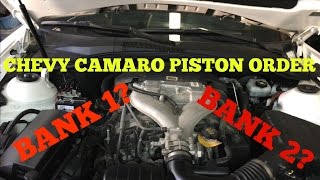
- Identify cylinder #2. On both V6 and V8 Camaro engines, it's the first cylinder on the passenger side bank, closest to the radiator.
- Swap the ignition coil from cylinder #2 with an adjacent, easily accessible coil (e.g., #4). Clear the codes and test drive. If the code changes to P0304, the coil is faulty. This is the most common first step.
- If the misfire remains on cylinder #2, inspect the spark plug. Remove it and check for heavy carbon fouling, oil, coolant, or a worn electrode. If in doubt, replace it.
- For 2011-2015 V8 models, inspect the spark plug wire for cylinder #2. Ensure it's securely attached and not damaged, per TSB PIP4819A.
- If the misfire persists, listen to the fuel injector on cylinder #2 with a mechanic's stethoscope. It should have a steady clicking sound. Compare it to a known good injector.
- For 2016 and newer 3.6L V6 models, inspect the OCV solenoid for damage or leaks as described in TSB 21-NA-036, especially if P0305 is also present.
- Check for oil or coolant in the spark plug well. If fluid is present, it could indicate a porous cylinder head (TSB 21-NA-147) or a leaking valve cover gasket.
- If all else fails, perform a compression test on cylinder #2 to check for mechanical engine problems like bad valves, rings, or a faulty head gasket. A forum user found low compression due to carbon buildup on the valves.
Parts You'll Likely Need
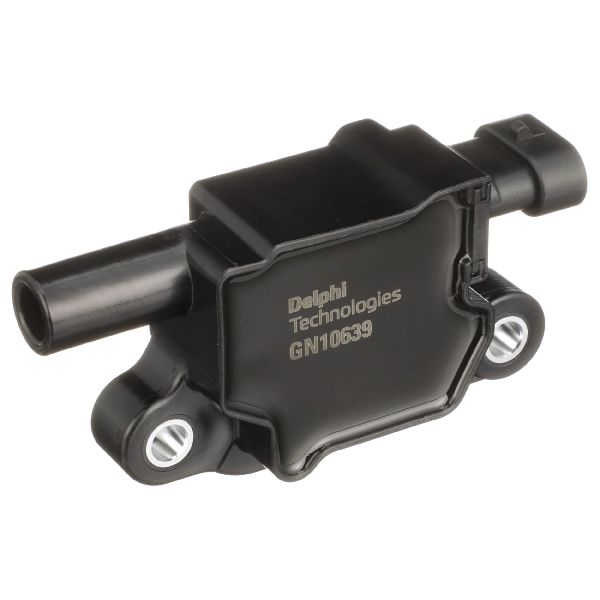
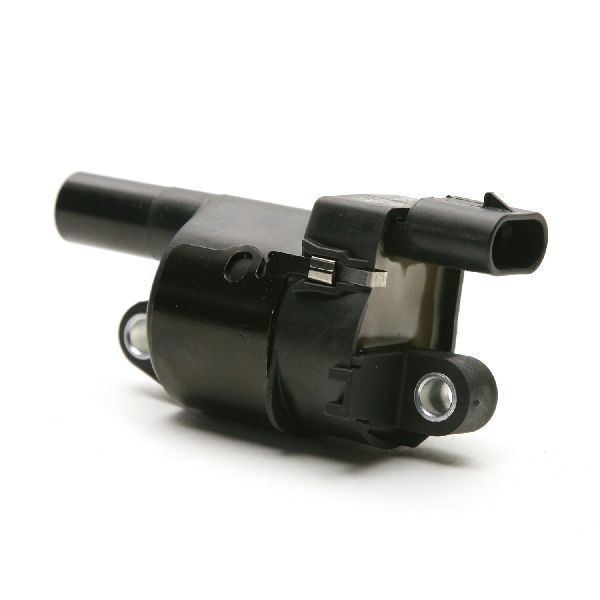
- Ignition Coil
(OEM #12632479 (ACDelco D515C for 3.6L V6), 12611424 (ACDelco D521C for 6.2L V8))— This is one of the most common failure items causing a single-cylinder misfire.
Trusted brands: ACDelco, Delphi, Duralast
OEM price range: $60-$100
Aftermarket price range: $40-$70 - Spark Plug
(OEM #41-166 (ACDelco Iridium for 3.6L V6), 41-162 (ACDelco Iridium for 6.2L LT1))— Spark plugs are a routine maintenance item and can become worn or fouled, leading to a misfire.
Trusted brands: ACDelco, NGK
OEM price range: $15-$30
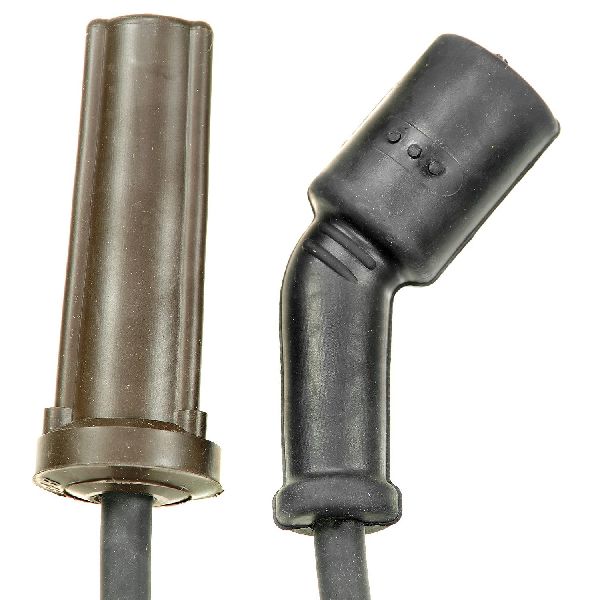
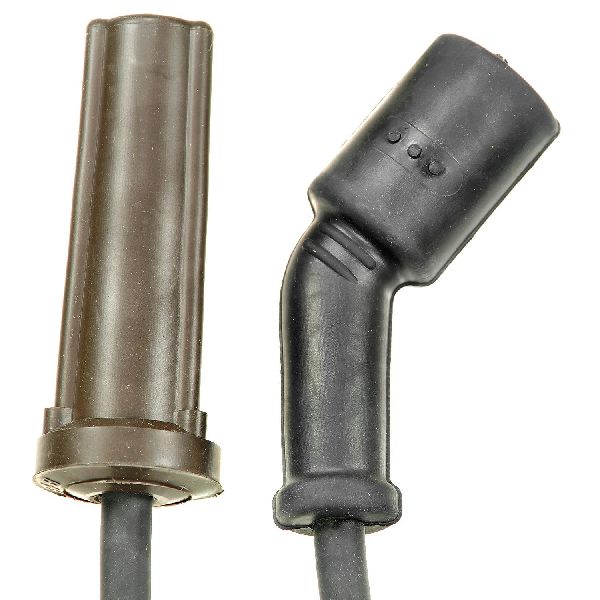
Aftermarket price range: $10-$20 - Spark Plug Wire Set (V8 Engines)
(OEM #92242410 (ACDelco 748UU for LS3/L99))— A known issue on early 5th-gen models where loose wires cause misfires, as noted in TSB PIP4819A.
Trusted brands: ACDelco, NGK
OEM price range: $80-$120
Aftermarket price range: $60-$90 - Oil Control Valve (OCV) / VVT Solenoid
(OEM #12637581 (For 3.6L LGX AFM))— A documented cause of misfires on cylinder 2 for 2016+ 3.6L V6 models per TSB 21-NA-036.
Trusted brands: ACDelco, Gates
OEM price range: $90-$130
Aftermarket price range: $50-$80
Related Codes That Often Appear With This One
- P0300 — This is a 'Random/Multiple Cylinder Misfire' code. It often appears with a specific cylinder code like P0302 when the misfire is severe or intermittent enough to be detected across multiple cylinders, or if the underlying cause (like a vacuum leak) affects more than one cylinder.
- P0202 — This code means 'Injector Circuit/Open - Cylinder 2'. It can appear alongside P0302 if the misfire is caused by an electrical fault in the fuel injector's wiring or the injector itself. One owner reported this exact combination, which confirmed the injector was the problem.
- P0305 — This code for 'Cylinder 5 Misfire' can appear with P0302 on 2016+ 3.6L V6 models. TSB 21-NA-036 specifically notes that a faulty OCV solenoid can cause misfires on cylinders 2 and/or 5, as these are the cylinders with Active Fuel Management (AFM).
Technical Service Bulletins (TSBs) & Recalls
- PIP4819A
- 21-NA-036
- 21-NA-147
Platform-Specific Known Issues
- TSB #21-NA-036: On 2016+ 3.6L V6 models, a damaged Active Fuel Management (AFM) oil control valve can cause an oil leak, leading to cylinder deactivation and misfire codes P0302 and/or P0305. The bulletin advises inspecting the solenoid for a broken end piece.
- TSB #PIP4819A: For 2011 V8 models, this bulletin points directly to loose-fitting spark plug wires as a common cause for single or multiple cylinder misfires. The fix is to ensure a secure connection or replace the wire set.
- Carbon Buildup (3.6L V6): Owners have reported resolving persistent P0302 codes, even after replacing plugs and coils, by performing an intake valve cleaning. Low compression on the affected cylinder (e.g., 75 PSI vs 125+ PSI) is a strong indicator of this issue.
Mechanic-Grade Diagnostic Values
- Ignition Coil Primary Resistance — expected: 0.4 - 2.0 Ohms. Failure: A reading outside this range. However, GM's primary diagnostic method is swapping the coil to another cylinder.
- Ignition Coil Secondary Resistance — expected: 6,000 - 10,000 Ohms (6kΩ - 10kΩ). Failure: A reading significantly outside this range indicates a faulty coil.
- Fuel Injector Resistance (High Impedance) — expected: 10 - 15 Ohms. Failure: A reading that is significantly lower (shorted) or infinite (open circuit).
- Low-Pressure Fuel System (V8 LS3/L99, 5th Gen) — expected: 58 PSI, which may drop to ~50 PSI at high RPM due to FPCM programming.. Failure: Pressure significantly below 50 PSI at wide-open throttle can indicate a weak in-tank fuel pump.
- Low-Pressure Fuel System (V6 LGX, 6th Gen) — expected: 35 - 60 PSI. Failure: Inconsistent or low pressure feeding the high-pressure pump.
- High-Pressure Fuel System (V6 LGX / V8 LT1, 6th Gen) — expected: 500 - 2,500+ PSI, depending on engine load.. Failure: Inability to reach target pressure commanded by the ECM, which would typically set fuel-pressure-specific codes but can contribute to misfires.
Hidden / Shadow Codes Worth Checking
- Mode $06, TID $A3: Provides raw misfire counts for cylinder 2 during the last 10 driving cycles (Test ID $0B) and the current/last driving cycle (Test ID $0C). (see via A professional scan tool capable of displaying Mode $06 data. This can reveal misfires that are occurring but are not yet frequent enough to set a P0302 code.)
Scan Tool Commands That Help
- GDS2 / Professional Scan Tool: Cylinder Power Balance Test — Used to identify a weak cylinder by deactivating each cylinder one by one and monitoring the RPM drop. If deactivating cylinder #2 results in little or no change in RPM compared to other cylinders, it confirms a lack of contribution.
- GDS2 / Professional Scan Tool: Fuel Injector Balance Test — This test fires each injector for a set period while monitoring fuel pressure drop. It can identify a clogged or faulty injector if the pressure drop for cylinder #2 is significantly different from the others.
Wiring & Ground Locations
- G102 — Located at the left rear of the engine (driver's side).. This ground point is specifically for the 8 ignition coils on the V8 engine. A poor connection here can cause weak spark or intermittent ignition issues for all cylinders, but can sometimes manifest as a single cylinder misfire under certain conditions.
- Grounds on back of cylinder heads — There are ground wires attached to the back of both the driver's side and passenger's side cylinder heads.. These are critical engine-to-chassis grounds. The passenger side ground is particularly relevant for cylinder #2. A loose or corroded connection here can cause a host of electrical issues, including misfires.
- G103 — Located on the cowl in the left rear of the engine compartment, above the brake booster.. This is a major grounding point for the Engine Control Module (ECM) and Transmission Control Module (TCM). A fault here can cause erratic ECM behavior and false sensor readings, potentially leading to misdiagnosed misfires.
- G105 — Located at the left front of the engine compartment, behind the cooling fan relays.. While primarily for lighting and fans, ensuring all major engine bay grounds are clean and tight is a crucial step when diagnosing persistent, unexplained electrical issues like a stubborn misfire.
Real Owner Repair Stories
- Camaro5 Forum User (2010 Camaro SS (LS3)) — P0302 misfire code.
❌ Tried (didn't work) Replaced spark plug, Swapped ignition coil, Swapped fuel injector
✅ What actually fixed it The porcelain insulator on the brand new spark plug was cracked, causing it to arc to the cylinder head. The crack was not visible until the plug was removed and closely inspected. Replacing the new, faulty plug with another new one resolved the issue. - Camaro6 Forum User (2016 Camaro SS (A8)) — Squeaky sound from top passenger side of engine, followed by Check Engine Light and P0307 (Cylinder 7 misfire).
❌ Tried (didn't work) Initial diagnosis pointed to a valvetrain issue.
✅ What actually fixed it The dealer determined it was a failed AFM (Active Fuel Management) lifter on cylinder #7. This is a known weak point on LT1 engines with AFM. Although the story cites P0307, the failure mechanism (failed AFM lifter) is identical for cylinder #2, which is also an AFM cylinder on V8 models. - Grumpas Garage YouTube (2011 Camaro V6) — P0300 random misfire, low ignition voltage, rough running.
❌ Tried (didn't work) Initial diagnosis was inconclusive.
✅ What actually fixed it The problem was traced to a faulty ground wire connection. Specifically, cleaning and securing the main engine and chassis ground points resolved the random misfire that could easily be mistaken for a single-cylinder issue at times.
"I Checked Everything" — The Actual Cause
- A cracked PCV hose or faulty PCV valve can cause an unmetered air leak (vacuum leak) leading to a lean condition and misfires. This leak is often behind the intake manifold and can be difficult to spot or may not show up on a smoke test if the crack only opens under specific temperature or vibration conditions.
Model Year Variations Within This Range
- 2011-2012 (V6 LLT): Early 5th-gen V6 models (LLT engine) had a PCV orifice in the valve cover that was found to be too small, leading to higher velocity of crankcase gases and increased oil consumption through the intake. This fouls intake valves and can contribute to misfires. In 2013, GM revised the orifice size to reduce this issue.
- 2016-2018 (Gen 6): The 6th generation introduced the LT1 V8 and LGX V6 engines, which feature more advanced direct injection systems and Active Fuel Management (AFM) or Dynamic Fuel Management (DFM). These systems add components like the OCV solenoid (TSB 21-NA-036) and complex AFM lifters, which became new, generation-specific potential causes for misfires not present in most 5th-gen models.
Helpful Videos
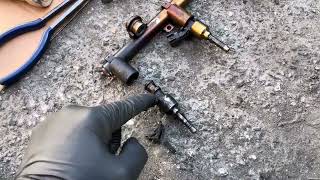
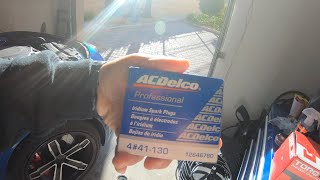

Used OEM Parts in Stock
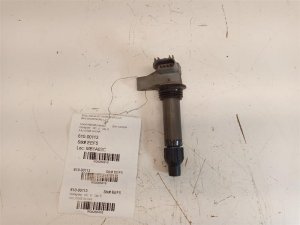
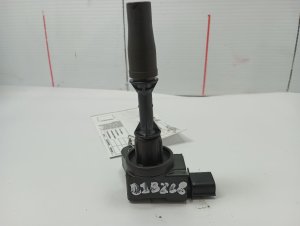

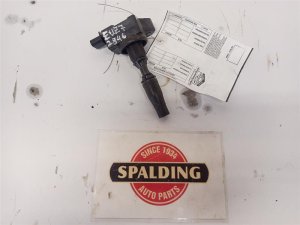
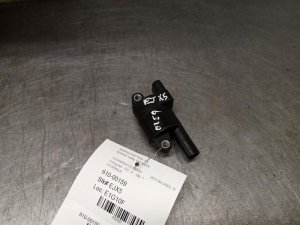
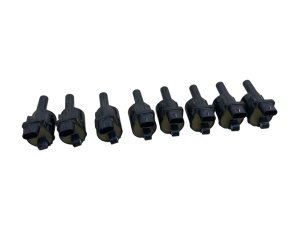
New Aftermarket Parts Available


The information in this article is provided for general reference and educational purposes only. Vehicle specifications, procedures, and part compatibility can vary by production date, trim level, and region. Always consult your vehicle's factory service manual and verify part numbers before purchasing or performing repairs. Safety-critical components such as airbags, seat belts, and braking systems should be installed by a qualified professional.
- Chevrolet CAMARO:
- 🎬 Helpful Videos
- 🛍️ Shop This Part
- What's Unique About the 2011-2018 Chevrolet CAMARO
- Diagnostic Flowchart
- Symptoms You May Notice
- Most Likely Causes
- Rare But Worth Checking
- Diagnosis Steps
- Parts You'll Likely Need
- Related Codes That Often Appear With This One
- Technical Service Bulletins (TSBs) & Recalls
- Platform-Specific Known Issues
- Mechanic-Grade Diagnostic Values
- Hidden / Shadow Codes Worth Checking
- Scan Tool Commands That Help
- Wiring & Ground Locations
- Real Owner Repair Stories
- "I Checked Everything" — The Actual Cause
- Model Year Variations Within This Range
- 🎟️ Get 5% Off