

P0302 on 2019-2022 Chevrolet Blazer: Cylinder 2 Misfire Causes and Fixes
P0302 indicates a misfire in cylinder 2. On the 2019-2022 Blazer, especially with the 3.6L V6, this is most often caused by a bad ignition coil or spark plug. A less common but documented issue is a faulty Active Fuel Management (AFM) oil control valve solenoid, as noted in GM Technical Service Bulletin 21-NA-036, which can cause oil pressure loss to the cylinder deactivation hardware.
- P0302 is a misfire on cylinder 2. Do not ignore it, especially if the check engine light is flashing, to prevent catalytic converter damage.
- On the 3.6L V6, the most common causes are a bad ignition coil or spark plug, but be aware of the specific TSB regarding the AFM Oil Control Valve (OCV) solenoid if those parts check out.
- The coil-swap method is the fastest and cheapest way to diagnose a bad ignition coil.
- If you have a 3.6L V6 and see P0302 combined with P0305, the AFM OCV solenoid is the most likely culprit.
What's Unique About the 2019-2022 Chevrolet BLAZER
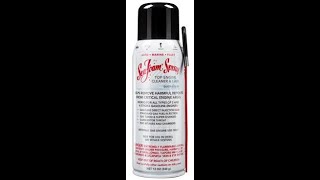
For the 2019-2022 Blazer equipped with the 3.6L V6 (LGX) engine, a specific Technical Service Bulletin (TSB 21-NA-036) points to a known issue beyond typical spark plugs and coils. A faulty Active Fuel Management (AFM) oil control valve (OCV) solenoid can leak oil or break apart, causing pressure loss that deactivates the cylinder and triggers a P0302 misfire. The bulletin notes the end of the solenoid can break off and get stuck in the camshaft cover, making this a critical vehicle-specific diagnostic step. All engines available are also direct-injection, making them prone to carbon buildup on intake valves over time, which can restrict airflow and cause misfires. GM has a TSB (16-NA-383) regarding this issue and recommends a chemical cleaning procedure.
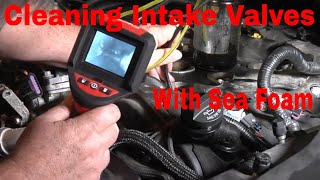
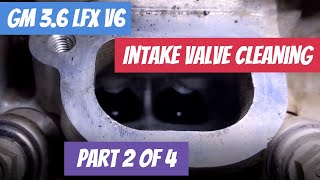
🎬 Watch: How to clean carbon buildup on 3.6L intake valves.Diagnostic Flowchart
Tap your situation to follow the diagnostic path that matches what you're seeing on this vehicle.
Symptoms You May Notice
- Rough or shaky idle
- Hesitation or stumbling during acceleration
- Noticeable loss of engine power
- Solid or flashing Check Engine Light
- Reduced fuel economy
- A smell of unburned gasoline from the exhaust
- StabiliTrak warning light may illuminate due to engine instability
- Replacing the fuel pump when only a single cylinder is misfiring. A fuel pump issue would typically affect multiple or all cylinders and set a P0300 code.
Most Likely Causes
- Faulty Ignition Coil 🔴 High Probability Coil-on-plug systems are a common failure point due to high heat and vibration in the engine bay.
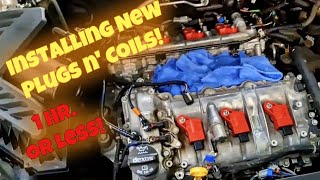
How to confirm: Swap the ignition coil from cylinder 2 with another cylinder (e.g., cylinder 4 on the V6). Clear the codes and drive the vehicle. If the code changes to P0304, the ignition coil is the faulty part.
Typical fix: Replace the faulty ignition coil. It is often recommended to replace the corresponding spark plug at the same time.
Est. part cost: $40-$80 - Worn or Fouled Spark Plug 🔴 High Probability
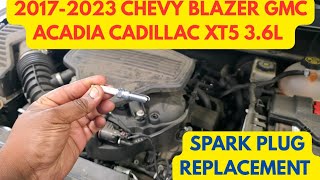
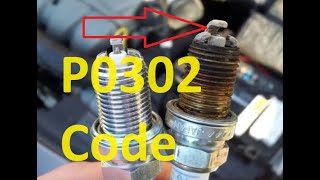
How to confirm: After ruling out the ignition coil, remove the spark plug from cylinder 2. Inspect it for wear (worn electrode), carbon buildup, or oil/fuel fouling. A cracked insulator is a definitive sign of failure.
Typical fix: Replace the spark plug. It is best practice to replace all spark plugs at the same time to maintain consistent performance, especially if they are near their service interval.
Est. part cost: $10-$25 per plug - Damaged AFM Oil Control Valve (OCV) Solenoid (3.6L V6) 🟡 Medium Probability A known issue documented in GM Technical Service Bulletin #21-NA-036 for the 3.6L LGX engine across multiple GM models. Cylinders 2 and 5 are the AFM cylinders, making them uniquely susceptible to this failure.
How to confirm: Inspect the OCV solenoid for cylinder 2 (located in the front camshaft cover) for signs of oil leakage or physical damage. Per the TSB, the solenoid may come out with its end broken off, which can remain lodged in the bore.
Typical fix: Replace the damaged AFM OCV solenoid and its O-rings. Carefully inspect the bore in the camshaft cover for any debris or damage before installing the new part. If the solenoid is not the cause, the TSB suggests inspecting the valve rockers and lifters for that cylinder.
Est. part cost: $45-$75 - Clogged or Faulty Fuel Injector ⚪ Low Probability Direct injection systems operate at very high pressures and can be sensitive to fuel quality, leading to potential clogging over time.
How to confirm: If ignition parts are good, swap the fuel injector from cylinder 2 with another cylinder. If the misfire code follows the injector, it needs to be replaced. This is a more involved job than swapping a coil. A dedicated P0202 code (Injector Circuit Malfunction) would also point directly to this component.
Typical fix: Replace the faulty fuel injector. It's recommended to replace the injector seals at the same time.
Est. part cost: $70-$120
Rare But Worth Checking
- Low Cylinder Compression: This indicates a more serious internal engine problem, such as a worn piston ring, leaking valve, or a bad head gasket. A compression test is needed to confirm.
- Vacuum Leak: A leak in a vacuum hose or intake manifold gasket near cylinder 2 can lean out the air-fuel mixture and cause a misfire. This would typically be accompanied by other codes or a rough idle affecting more than one cylinder.
- Carbon Buildup on Intake Valves: As direct injection engines, the 2.0L and 3.6L do not have fuel washing over the intake valves. This can lead to carbon accumulation that restricts airflow, causing misfires, especially on cold starts. GM has a TSB (16-NA-383) regarding this issue and recommends a chemical cleaning procedure.
Diagnosis Steps
- Read the trouble codes with an OBD-II scanner and note any other codes present, especially P0300 or P0305.
- Check the freeze frame data to see the engine conditions (RPM, load, temperature) when the misfire was detected. 🎬 See how to diagnose and fix a cylinder 2 misfire.
- On the 3.6L V6, locate cylinder 2 (front bank, middle cylinder). Swap its ignition coil with cylinder 4 (front bank, driver's side). Clear codes and test drive. If the code changes to P0304, the coil is bad.
- If the misfire remains on cylinder 2, swap the spark plug from cylinder 2 with the one from the cylinder you just moved the coil to. If the code now follows the spark plug, it is faulty.
- If the misfire still remains on cylinder 2, inspect the wiring and connector for the ignition coil and fuel injector for any damage, corrosion, or looseness.
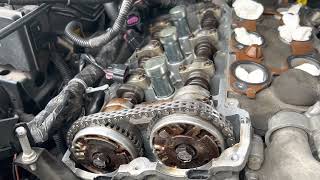
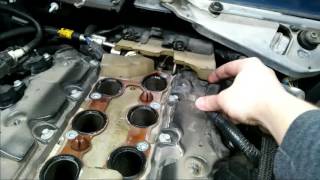
- For 3.6L V6 models, the next step is to inspect the AFM Oil Control Valve (OCV) solenoid for cylinder 2, per TSB #21-NA-036. Remove it from the front camshaft cover and check for oil leaks or a broken tip.
- If ignition and the OCV solenoid are good, consider less common causes. Check for vacuum leaks near cylinder 2 or consider a fuel injector issue.
- For higher mileage vehicles, especially if the misfire is worse on cold starts, consider carbon buildup on the intake valves as a possibility.
- As a final step for persistent issues, perform a compression test on cylinder 2 to check for mechanical engine problems like bad rings or valves.
Parts You'll Likely Need
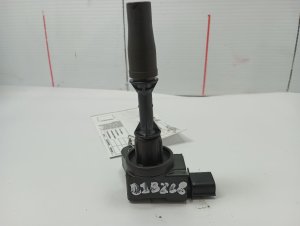
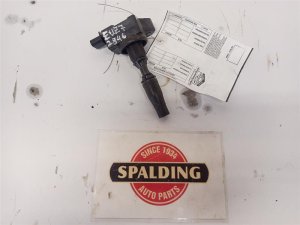
- Ignition Coil
(OEM #12707304)— This is one of the most common failure points for a single-cylinder misfire. It's responsible for generating the high voltage for the spark plug.
Trusted brands: ACDelco, Bosch, NGK
OEM price range: $50-$90
Aftermarket price range: $35-$60 - Spark Plug
(OEM #41-130)— Spark plugs are a routine maintenance item that wear out over time, leading to a weak or inconsistent spark.
Trusted brands: ACDelco, NGK, Denso
OEM price range: $15-$25
Aftermarket price range: $8-$18 - AFM Oil Control Valve Solenoid
(OEM #12687931)— Specific to the 3.6L V6, this part is known to fail per TSB 21-NA-036, causing misfires on AFM cylinders 2 and 5.
Trusted brands: ACDelco (GM Genuine), Dorman
OEM price range: $45-$75
Aftermarket price range: $30-$50 - Fuel Injector — Less common than ignition parts, but an injector can become clogged or fail electronically, preventing fuel from reaching the cylinder.
Trusted brands: ACDelco, Standard Motor Products, Hitachi
OEM price range: $90-$150
Aftermarket price range: $60-$100
Related Codes That Often Appear With This One
- P0300 — If the misfire is intermittent or affects other cylinders randomly, a P0300 (Random/Multiple Cylinder Misfire) may be stored alongside P0302.
- P0305 — Specifically for the 3.6L V6, TSB #21-NA-036 notes that a faulty AFM oil control valve can also cause a misfire on cylinder 5, which is the other AFM cylinder. Seeing P0302 and P0305 together strongly points to this specific solenoid issue.
- P0202 — This code for 'Cylinder 2 Injector Circuit Malfunction' would appear if the fuel injector's electrical circuit is the root cause of the misfire, rather than a clog or mechanical failure.
Technical Service Bulletins (TSBs) & Recalls
- Bulletin #21-NA-036: Addresses a potential issue with a damaged OCV solenoid that may cause an oil leak and misfire, illuminating the MIL and setting DTCs P0300, P0302 and/or P0305 on 3.6L V6 engines.
- Bulletin #16-NA-383: Provides information on rough idle or misfire codes (including P0302) caused by excessive carbon buildup on intake valves in gasoline direct injection (GDI) engines.
Platform-Specific Known Issues
- On 3.6L V6 engines, GM issued Technical Service Bulletin #21-NA-036 regarding a potential issue with a damaged Active Fuel Management (AFM) Oil Control Valve (OCV) solenoid. This can cause an oil leak, improper oil pressure to the valve lifters, and result in a misfire on cylinder 2 and/or 5. The bulletin explicitly mentions that the end of the solenoid can break off and get stuck in the camshaft cover.
- All available engines (2.5L, 2.0T, 3.6L) use direct fuel injection, which makes them susceptible to carbon buildup on the intake valves over time. This can restrict airflow and lead to misfire codes. GM has issued TSB 16-NA-383 addressing this condition across many of its gasoline engines.
Mechanic-Grade Diagnostic Values
- High-Pressure Fuel System (3.6L V6) — expected: 2.0-15.0 MPa (290-2176 PSI), varies with engine load.. Failure: Pressure that is consistently low, fails to build, or drops erratically under load may indicate a failing high-pressure fuel pump (HPFP).
- Low-Pressure Fuel System — expected: 400-500 kPa (58-72 PSI). Failure: Low pressure from the in-tank pump will starve the high-pressure pump, typically causing random misfires (P0300) rather than a single cylinder misfire.
- Mode $06 Misfire Count — expected: A near-zero count for Test ID $A3, Component ID $02 (Cylinder 2 Misfire Count).. Failure: A count that exceeds the manufacturer's threshold on the current or previous drive cycle. This data can confirm which cylinder is misfiring without waiting for the MIL to illuminate.
Hidden / Shadow Codes Worth Checking
- Mode $06, TID $A3, CID $02: This is not a DTC, but raw data from the onboard misfire monitor for Cylinder 2. It shows the number of misfire events counted by the ECM during specific test periods. Professional scan tools can display this data. (see via A scan tool capable of displaying Mode $06 data.)
Scan Tool Commands That Help
- GDS2 (GM Dealer Software): Cylinder Power Balance — To identify a weak cylinder. The tool deactivates each cylinder one by one and measures the drop in RPM. A cylinder that causes a smaller RPM drop when deactivated is not contributing its full share of power.
- GDS2 (GM Dealer Software): Injector Flow Test — To command a specific injector (e.g., cylinder 2) to operate, helping to determine if the injector driver circuit and the injector itself are responding electronically.
- GDS2 (GM Dealer Software): AFM Cylinder Deactivation (3.6L V6) — To manually command the Active Fuel Management system on and off to test the response of the AFM oil control solenoids and lifters, which is directly related to TSB 21-NA-036.
Wiring & Ground Locations
- G103 / G104 — Typically located on the front of the engine block or near the transmission bellhousing.. These are primary engine and transmission ground points. A loose or corroded connection here can cause erratic behavior in sensors and actuators, including the ignition coils and fuel injectors, leading to misfires that are difficult to trace.
- Ignition Coil Connector (Cylinder 2) — On the ignition coil for cylinder 2 (front bank, middle cylinder on 3.6L V6).. The connector and its wiring are common points of failure. Check for a Pink wire (Ignition 1 Voltage), a Black wire (Ground), and a Dark Blue/other color wire (ECM control signal). Damage or corrosion on any of these can cause a P0302.
Real Owner Repair Stories
- Forum User Report (2020 Chevrolet Blazer 3.6L V6) — Check engine light with codes P0302 and P0305.
❌ Tried (didn't work) Replaced all spark plugs, Replaced all ignition coils
✅ What actually fixed it The dealer diagnosed a broken AFM Oil Control Valve (OCV) solenoid for cylinder 2, as described in TSB 21-NA-036. Replacing the solenoid resolved the misfire codes. - Reddit User Report (r/MechanicAdvice) (2019 Chevrolet Blazer 3.6L V6 with 75,000 miles) — Persistent P0302 misfire.
❌ Tried (didn't work) Swapping ignition coils, Replacing spark plugs
✅ What actually fixed it A diagnostic shop found a failed AFM lifter on cylinder 2. This is the next logical step indicated by TSB 21-NA-036 if the OCV solenoid is not the cause. The repair required removing the camshaft cover to replace the lifters for that cylinder.
OEM Part Supersession History
12687931→12687931 (current)— This part number for the AFM Oil Control Valve Solenoid remains current but has been in use for several years. Be cautious of inexpensive aftermarket versions which are known for high failure rates.
Model Year Variations Within This Range
- 2019-2021: The 2.5L LCV I4 engine was available as the base engine and was discontinued for the 2022 model year. This engine does NOT have Active Fuel Management (AFM). Therefore, the TSB and all related causes involving the AFM OCV solenoid or AFM lifters do not apply to Blazers with the 2.5L engine.
Helpful Videos

Used OEM Parts in Stock

New Aftermarket Parts Available


The information in this article is provided for general reference and educational purposes only. Vehicle specifications, procedures, and part compatibility can vary by production date, trim level, and region. Always consult your vehicle's factory service manual and verify part numbers before purchasing or performing repairs. Safety-critical components such as airbags, seat belts, and braking systems should be installed by a qualified professional.
- Chevrolet BLAZER:
- 🎬 Helpful Videos
- 🛍️ Shop This Part
- What's Unique About the 2019-2022 Chevrolet BLAZER
- Diagnostic Flowchart
- Symptoms You May Notice
- Most Likely Causes
- Rare But Worth Checking
- Diagnosis Steps
- Parts You'll Likely Need
- Related Codes That Often Appear With This One
- Technical Service Bulletins (TSBs) & Recalls
- Platform-Specific Known Issues
- Mechanic-Grade Diagnostic Values
- Hidden / Shadow Codes Worth Checking
- Scan Tool Commands That Help
- Wiring & Ground Locations
- Real Owner Repair Stories
- OEM Part Supersession History
- Model Year Variations Within This Range
- 🎟️ Get 5% Off