

P0302 on 2020-2022 Cadillac XT6: Cylinder 2 Misfire Causes and Fixes
P0302 indicates a misfire in cylinder #2. On the 2020-2022 Cadillac XT6, this is most often caused by a bad ignition coil or a worn spark plug. For the 3.6L V6, a known TSB also points to a faulty oil control valve (OCV) solenoid as a possible cause, a common issue across several GM models with this engine.
- P0302 means your Cadillac XT6 has a misfire in cylinder #2.
- The most likely and easiest-to-fix causes are a bad ignition coil or a worn-out spark plug.
- If you have the 3.6L V6 engine, a known issue with an Oil Control Valve (OCV) solenoid could be the cause, as documented in TSB #21-NA-036.
- Avoid driving with a flashing check engine light to prevent expensive damage to your catalytic converter.
- Diagnosing this code often involves swapping parts between cylinders to see if the problem moves.
What's Unique About the 2020-2022 Cadillac XT6
While the primary causes for a P0302 misfire are universal (spark, fuel, compression), the 3.6L V6 (LGX) engine in the XT6 and its platform mates has a specific, well-documented failure mode. General Motors Technical Service Bulletin #21-NA-036 identifies that a damaged Active Fuel Management (AFM) Oil Control Valve (OCV) solenoid can cause oil to leak past it, leading to inadequate oil pressure and causing misfires specifically on cylinders 2 and/or 5. The bulletin notes the end of the solenoid can break off and get stuck in the camshaft cover bore, making this a critical, platform-specific diagnostic step. A more recent TSB, PIP5824C, also points to faulty rockers/SRFFs on cylinders 2 or 5 as a potential cause on 2021-2024 models, especially at very low mileage (2-1500 miles).
Diagnostic Flowchart
Tap your situation to follow the diagnostic path that matches what you're seeing on this vehicle.
Symptoms You May Notice
- Check engine light is on or flashing
- Rough or shaky idle
- Engine hesitation or stumbling during acceleration
- Noticeable loss of power
- Reduced fuel economy
- Smell of unburnt fuel from the exhaust
- Replacing oxygen (O2) sensors. A misfire will cause poor exhaust readings, which can trigger O2 sensor codes, but the sensor is usually not the root cause.
Most Likely Causes
- Faulty Ignition Coil 🔴 High Probability
How to confirm: Swap the ignition coil from cylinder #2 with another cylinder (e.g., cylinder #4). Clear the codes and drive the vehicle. If the misfire code changes to P0304, the ignition coil is faulty. 🎬 Watch this video to see a P0302 diagnosis and fix. This is a common DIY diagnostic step recommended on forums.
Typical fix: Replace the failed ignition coil. It is often recommended to replace all coils if they are original and have high mileage.
Est. part cost: $35-$80 - Worn or Fouled Spark Plug 🔴 High Probability Spark plugs are a routine maintenance item. On the 3.6L V6, replacement is labor-intensive as it requires removing the intake manifold, which can deter owners from performing timely service.
How to confirm: Remove the spark plug from cylinder #2 and inspect it for wear, carbon buildup, oil fouling, or damage to the electrode. Compare it to a new plug.
Typical fix: Replace the spark plug. It is best practice to replace all spark plugs as a set. For the 3.6L V6, this is a more involved job requiring intake manifold removal.
Est. part cost: $10-$25 per plug - Damaged AFM Oil Control Valve (OCV) Solenoid (3.6L V6 only) 🟡 Medium Probability A known issue documented in TSB #21-NA-036 and PIP5824C. The AFM system deactivates cylinders to save fuel, and a fault in its control system can cause misfires on cylinders 2 and 5.
How to confirm: Inspect the OCV solenoid for the affected bank (Bank 2, front of the vehicle) for damage or oil leaks as described in the TSB. The end of the solenoid can break off inside the camshaft cover, which must be checked. TSB PIP5824C suggests swapping the OCV solenoid from side to side to see if the misfire moves to the other bank.
Typical fix: Replace the damaged OCV solenoid (GM Part #12690388) and ensure no broken pieces remain in the camshaft cover bore. A pick tool may be needed to extract the broken tip.
Est. part cost: $50-$100 - Clogged or Faulty Fuel Injector 🟡 Medium Probability Direct injection engines like the LGX and LSY operate at high pressures and can be susceptible to injector issues. Other GM TSBs (like #PIP4964F for P2099) point to faulty injectors as a common cause for fuel-related codes on the LGX engine.
How to confirm: Use a 'noid light' to check for an electrical pulse at the injector connector. For a more definitive test, swap the fuel injector from cylinder #2 with another cylinder to see if the misfire follows. This is labor-intensive.
Typical fix: Replace the faulty fuel injector. It's recommended to replace the injector seals at the same time.
Est. part cost: $70-$150
Rare But Worth Checking
- Intake Manifold Gasket Leak: A vacuum leak near cylinder #2 can lean out the air-fuel mixture and cause a misfire. A smoke test is the most effective way to confirm a leak. This is a possibility especially after a spark plug change on the 3.6L V6, if the gasket was not replaced or seated correctly.
- Low Engine Compression: Internal engine issues like a bad valve, worn piston rings, or a damaged cylinder head gasket can cause a loss of compression, leading to a misfire. This requires a mechanical compression test to diagnose.
- Faulty Rocker Arm / Lifter (3.6L V6): TSB #21-NA-036 also mentions that if the OCV solenoid is not the cause, the issue could be with the rockers on the AFM cylinders not latching correctly. TSB PIP5824C elaborates on this, noting it as a cause for misfires on cylinders 2 or 5 in very low mileage (2-1500 miles) 2021-2024 vehicles.
- Carbon Buildup on Intake Valves: Direct injection engines like the LGX and LSY spray fuel directly into the cylinder, so gasoline detergents don't clean the intake valves. Over time, oil vapors from the PCV system can bake onto the valves, restricting airflow and causing misfires, especially on cold starts. Diagnosis requires a borescope.
- Cracked Flexplate: While rare, a cracked flexplate can cause erratic crankshaft position sensor readings, which the ECM may interpret as a misfire. This is often accompanied by a rattling or knocking noise from the transmission bellhousing area. GM has issued TSBs like 21-NA-066 for flexplate issues on other vehicles.
Diagnosis Steps
- Read the code: Use an OBD-II scanner to confirm P0302 and check for 🎬 Watch a guide on diagnosing GM engine light codes. any other pending or stored codes, especially P0300 or P0305.
- Identify Cylinder #2: For the 3.6L V6, the engine is transverse. Bank 2 is at the front of the vehicle (radiator side), and cylinder #2 is the first cylinder on the passenger side of that bank. For the 2.0L I4, cylinder #2 is the second cylinder from the front (belt side) of the engine.
- Swap the Ignition Coil: Swap the ignition coil from cylinder #2 with an easily accessible cylinder (like #4). Clear the codes, run the engine, and see if the misfire code moves to the new cylinder (e.g., P0304). If it does, the coil is bad.
- Swap the Spark Plug: If the coil is good, perform the same swap test with the spark plug. If the misfire code moves with the plug, the plug is the culprit. Note: On the 3.6L V6, accessing rear plugs is difficult and accessing any plug requires significant disassembly.
- Inspect the Fuel Injector: If spark components are good, check the fuel injector. Use a noid light to verify it's receiving an electrical signal. For a more thorough test, swap the injector with another cylinder to see if the misfire follows (this is very labor-intensive).
- Check for TSB-Related Issues (3.6L V6): If the above steps don't reveal the cause, inspect the Bank 2 OCV solenoid for damage or leaks, as detailed in TSB #21-NA-036 and PIP5824C. Carefully remove the solenoid and check if the tip has broken off inside the camshaft cover.
- Check for Vacuum Leaks: Inspect all vacuum hoses and the intake manifold gasket near cylinder #2 for cracks or leaks. A smoke test is the most reliable method.
- Perform a Compression Test: If all else fails, a mechanical compression test is needed to check for internal engine problems like bad valves, piston rings, or a head gasket leak.
Parts You'll Likely Need
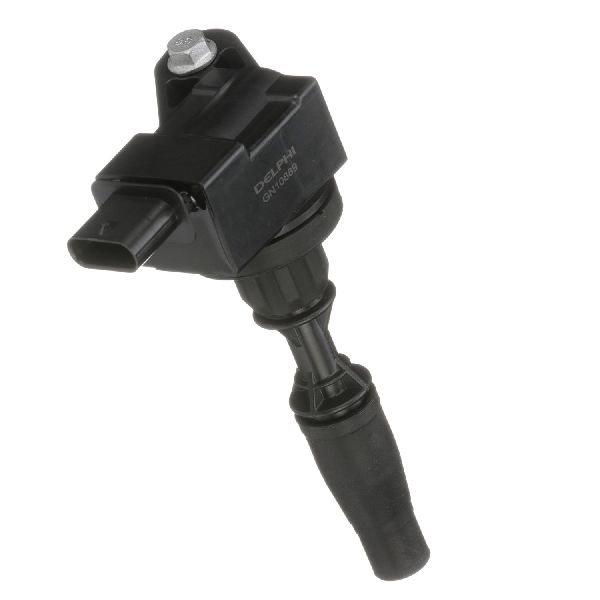
- Ignition Coil
(OEM #ACDelco 12707304 (for 3.6L LGX) or 12741091 (for 2.0L LSY))— This is one of the most common failure points for a single-cylinder misfire. They are subject to high heat and electrical stress.
Trusted brands: ACDelco, Standard Motor Products (UF830), Delphi
OEM price range: $35-$60
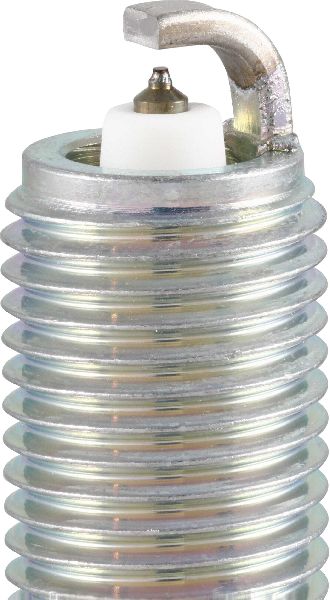
Aftermarket price range: $25-$50 - Spark Plug
(OEM #ACDelco 41-166 or 12646780 (for 3.6L LGX); ACDelco 55504354 (for 2.0L LSY))— Spark plugs are a standard maintenance item that wear out over time, leading to a weak or inconsistent spark.
Trusted brands: ACDelco, NGK
OEM price range: $15-$30
Aftermarket price range: $10-$25 - Active Fuel Management (AFM) Oil Control Valve Solenoid
(OEM #ACDelco 12690388)— Specifically cited in TSB #21-NA-036 and PIP5824C as a cause for P0302 on the 3.6L V6 engine due to damage or oil leaks.
Trusted brands: ACDelco
OEM price range: $70-$120
Aftermarket price range: $50-$100
Related Codes That Often Appear With This One
- P0300 — If the misfire is intermittent or starting to affect other cylinders, a P0300 (Random/Multiple Cylinder Misfire) may be stored as well.
- P0305 — TSB #21-NA-036 and PIP5824C specifically mention that a faulty OCV solenoid or rocker arm can cause misfires on either cylinder 2 or 5, as these are both AFM cylinders on the same bank of the 3.6L V6 engine.
Technical Service Bulletins (TSBs) & Recalls
- Bulletin #21-NA-036: Describes a diagnostic procedure for a misfire on cylinders 2 and/or 5, pointing to a potentially damaged OCV solenoid or an issue with the valve rockers. It applies to a wide range of GM vehicles with the 3.6L LGX engine.
- Bulletin #PIP5824C: Focuses on misfires on cylinders 2 or 5 in 2021-2024 models with the 3.6L LGX/LGZ engines, often at very low mileage. It points to faulty AFM rockers/SRFFs as a primary cause and provides a diagnostic path starting with swapping the OCV solenoid.
Platform-Specific Known Issues
- Per GM Technical Service Bulletin #21-NA-036, a misfire on cylinder 2 (or 5) on the 3.6L V6 engine may be caused by a damaged Active Fuel Management (AFM) Oil Control Valve (OCV) solenoid. The bulletin notes that the end of the solenoid can break off and remain in the camshaft cover, requiring removal before a new solenoid can be installed.
- On the 3.6L V6 engine, replacing the spark plugs is a labor-intensive job that requires the removal of the upper intake manifold to access the rear bank of cylinders. This increases the cost and complexity of what is normally a simple maintenance item.
- TSB PIP5824C identifies a potential issue with faulty rocker arms on AFM cylinders (#2 and #5) for 2021-2024 models, often occurring at very low mileage (under 1500 miles), which can cause a persistent misfire.
Mechanic-Grade Diagnostic Values
- Ignition Coil Resistance (3.6L V6) — expected: 3-12 kΩ. Failure: A reading outside of this range, or significantly different from other coils, indicates a faulty coil.
- Fuel Injector Resistance (General GM) — expected: ~11.0 to 14.5 Ohms. Failure: A reading of 'OL' (Open Loop) or 0 ohms indicates a failed injector coil. Readings should be consistent across all injectors.
- Fuel Pressure (3.6L LGX) — expected: Low side: 345-517 kPa (50-75 psi) at idle. High side: 2-15 MPa (290-2175 psi) depending on load.. Failure: Low fuel pressure can cause lean misfires, but this would typically affect multiple cylinders and set other codes.
Hidden / Shadow Codes Worth Checking
- Misfire History Counters: A professional scan tool like the GM GDS2 can display current and historical misfire counts for each individual cylinder, even if they haven't reached the threshold to set a specific P030x code. This is invaluable for diagnosing intermittent or developing issues. (see via GM GDS2 (Global Diagnostic System 2) or high-end professional scan tool with GM-specific software.)
Scan Tool Commands That Help
- GDS2 (GM Diagnostic Software): Cylinder Power Balance Test — This function allows the technician to sequentially disable one fuel injector at a time and observe the drop in engine RPM. If disabling cylinder #2 causes little or no change in RPM, it confirms that cylinder is not contributing power, pinpointing the misfire location.
- GDS2 (GM Diagnostic Software): Fuel Injector Balance Test — This test commands each injector to fire for a specific duration while measuring the corresponding drop in fuel rail pressure. A smaller-than-expected pressure drop for cylinder #2 would indicate a clogged or failing injector.
- GDS2 (GM Diagnostic Software): AFM Solenoid Control — For the 3.6L V6, this allows a technician to manually command the Active Fuel Management system on and off to see if the misfire on cylinder 2 or 5 is directly related to an AFM event, helping to diagnose the OCV solenoid or lifters per TSB PIP5824C.
Wiring & Ground Locations
- G101 / G106 — G101 is typically located on the lower front of the engine block. It may jumper to G106, located on the front center of the frame cross rail under the crank pulley.. This ground point serves the Engine Control Module (ECM) and Transmission Control Module (TCM). A poor connection here can cause a wide range of erratic engine behavior, including false misfire detection.
- G102 — Typically located at the left rear of the engine.. This is a primary ground point for the ignition coils. Corrosion or a loose connection at G102 could cause a weak spark and misfires, potentially affecting multiple cylinders but sometimes isolating to one.
- Cylinder 2 Ignition Coil Connector — On the 3.6L V6, Bank 2 (front/radiator side), passenger side cylinder. On the 2.0L I4, the second coil from the front of the engine.. The connector itself or its wiring can become damaged. A technician would test for 12V+ power on the pink wire (key on) and check for a pulsing ground signal from the ECM on the signal wire while cranking.
OEM Part Supersession History
12690388 (AFM Oil Control Valve Solenoid)→This part number is listed as discontinued by some GM parts suppliers and may have been replaced by other part numbers in different applications, though it is still the number cited in TSBs. One source shows it being replaced by 12725132, but this appears to be an ECM, not a solenoid, indicating a potential data error in that source.— Part revision or consolidation.
Heads up: Always verify the correct part number with a dealer using the vehicle's VIN, as multiple revisions exist for engine control components.
Model Year Variations Within This Range
- 2021-2024: TSB PIP5824C highlights an issue with faulty rocker arms/SRFFs on cylinders 2 and 5 for these model years, particularly at very low mileage (2-1500 miles). This adds a specific mechanical failure point to check for misfires on these cylinders that may be less common on 2020 models.
Helpful Videos
Used OEM Parts in Stock

New Aftermarket Parts Available


The information in this article is provided for general reference and educational purposes only. Vehicle specifications, procedures, and part compatibility can vary by production date, trim level, and region. Always consult your vehicle's factory service manual and verify part numbers before purchasing or performing repairs. Safety-critical components such as airbags, seat belts, and braking systems should be installed by a qualified professional.
- Cadillac XT6:
- 🎬 Helpful Videos
- 🛍️ Shop This Part
- What's Unique About the 2020-2022 Cadillac XT6
- Diagnostic Flowchart
- Symptoms You May Notice
- Most Likely Causes
- Rare But Worth Checking
- Diagnosis Steps
- Parts You'll Likely Need
- Related Codes That Often Appear With This One
- Technical Service Bulletins (TSBs) & Recalls
- Platform-Specific Known Issues
- Mechanic-Grade Diagnostic Values
- Hidden / Shadow Codes Worth Checking
- Scan Tool Commands That Help
- Wiring & Ground Locations
- OEM Part Supersession History
- Model Year Variations Within This Range
- 🎟️ Get 5% Off