

P0302 on 2010-2017 Cadillac Escalade: Cylinder 2 Misfire Causes & Fixes
P0302 on a 2010-2017 Escalade is a misfire on cylinder #2. The most common causes are a bad spark plug, ignition coil, or spark plug wire. However, this engine is prone to Active Fuel Management (AFM) lifter failure, which is a more serious and expensive repair that also causes this code. For 2015+ models with the L86 engine, carbon buildup on intake valves is also a possible cause.
- P0302 is a misfire on cylinder 2, the front cylinder on the passenger side.
- Always start diagnosis with the simple, high-probability items: check for a loose spark plug wire, swap the ignition coil to another cylinder, and inspect the spark plug.
- Be aware that these 6.2L V8 engines have a known issue with Active Fuel Management (AFM) lifters failing. If ignition and fuel system checks don't resolve the misfire, the cause is likely a mechanical problem with a lifter.
- Do not ignore a flashing Check Engine Light, as this signals a severe misfire that can quickly ruin your catalytic converter, a much more expensive repair.
What's Unique About the 2010-2017 Cadillac ESCALADE
While ignition issues are common on any vehicle, the 6.2L V8 in the Escalade has two well-documented weak points that can cause a P0302 code. First, a GM Technical Service Bulletin (TSB #PIP4819A) specifically calls out loose spark plug wires as a cause for misfires. Second, and more critically, these engines use an Active Fuel Management (AFM) system to save fuel, but the specialized lifters are a known failure point. A collapsed or stuck AFM lifter is a very common cause for a single-cylinder misfire on this platform, often accompanied by a distinct ticking noise. This is a major mechanical repair. Additionally, the 2015-2017 models with the L86 engine feature direct injection, which makes them susceptible to carbon buildup on intake valves, another potential cause of misfires not seen in the earlier L94 engine.
Diagnostic Flowchart
Tap your situation to follow the diagnostic path that matches what you're seeing on this vehicle.
Generation note: This range covers the end of the third generation (2010-2014, GMT900 platform with the L94 V8) and the start of the fourth generation (2015-2017, K2XX platform with the L86 V8). Both engines are 6.2L V8s with Active Fuel Management (AFM), and both are susceptible to ignition faults and AFM lifter failure. However, the 2015+ L86 engine uses direct injection, making it prone to carbon buildup on intake valves, a cause not applicable to the L94. The two engines also use different spark plugs and ignition coils.
Symptoms You May Notice
- Rough or shaking idle
- Hesitation or stumbling during acceleration
- Reduced engine power
- Solid or flashing Check Engine Light
- Smell of unburnt fuel from the exhaust
- Audible ticking or tapping sound from the engine, especially if an AFM lifter has failed
- Replacing only the spark plug without checking the coil or wire. The 'swap test' is crucial to avoid buying unnecessary parts.
- Replacing ignition components repeatedly when the underlying cause is a mechanical failure like a bad AFM lifter.
- On 2015+ models, overlooking carbon buildup on intake valves as a potential cause after ignition components check out.
Most Likely Causes
- Faulty Spark Plug 🔴 High Probability Spark plugs are a regular maintenance item. Oil fouling from PCV issues or wear from high mileage are common. Using incorrect plugs can also cause issues.
How to confirm: Remove the spark plug from cylinder 2 and inspect it for wear (worn electrode), damage (cracked insulator), or fouling (black carbon or wet with oil/fuel). A cracked porcelain insulator is a common failure point. Compare it to a new plug.
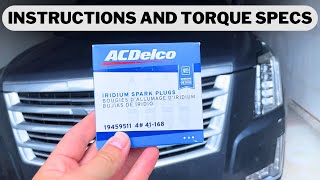
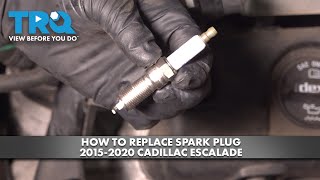
Typical fix: Replace the spark plug. It is highly recommended to replace all 8 spark plugs at the same time with high-quality Iridium plugs. Ensure you use the correct plug for your specific engine (L94 vs L86). 🎬 Watch: Step-by-step guide to replacing spark plugs on 2015+ models.
Est. part cost: $8-$20 per plug - Bad Ignition Coil 🔴 High Probability Coil-on-plug designs are reliable but can fail from heat and vibration over time, leading to a weak or no-spark condition.
How to confirm: Swap the ignition coil from cylinder 2 with another cylinder (e.g., cylinder 4, the next one back on the passenger side). Clear the codes and drive. If the code changes to P0304, the coil is faulty.
Typical fix: Replace the failed ignition coil. Many owners choose to replace the corresponding spark plug at the same time. Use a quality OEM or aftermarket brand.
Est. part cost: $40-$90 - Loose or Faulty Spark Plug Wire 🔴 High Probability A specific GM Technical Service Bulletin (#PIP4819A) identifies loose spark plug wires as a known cause of misfires on these engines. The connection at the coil or plug can loosen over time.
How to confirm: Visually inspect the spark plug wire for cylinder 2. Ensure it is fully seated on both the ignition coil and the spark plug with a distinct 'click'. Check for any signs of arcing (white marks), burns, or physical damage.
Typical fix: Reseat the wire firmly. If damaged, replace the spark plug wire set. It's best practice to replace them as a complete set with a quality brand like ACDelco or NGK.
Est. part cost: $50-$100 for a set - Failed Active Fuel Management (AFM) Lifter 🟡 Medium Probability The AFM system deactivates cylinders to save fuel. The specialized lifters are a well-documented weak point across many GM V8s, prone to collapsing or getting stuck, which prevents the valve from opening. This is a common cause of persistent single-cylinder misfires that aren't fixed by ignition or fuel parts. A class-action lawsuit was filed concerning this issue across many GM vehicles.
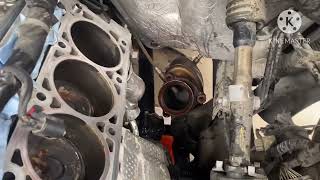
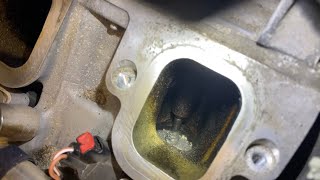
How to confirm: This is a mechanical issue. A key symptom is a distinct ticking or tapping noise from the engine bay. After ruling out ignition and fuel, a professional mechanic will perform a compression test. Low or inconsistent compression on cylinder 2 is a strong indicator. Diagnosis is confirmed by removing the valve cover and observing that the rocker arms for cylinder 2 are not moving 🎬 See a partial engine teardown showing a failed AFM lifter. while the engine is running.
Typical fix: This is a major and expensive repair. It involves removing the cylinder head to replace the failed lifters on that bank. Per GM guidance, the camshaft should also be inspected for damage and replaced if necessary. Many owners and shops recommend replacing all lifters, or at least all AFM lifters, the Valve Lifter Oil Manifold (VLOM), and performing an 'AFM delete' which involves installing a non-AFM camshaft and lifters and reprogramming the ECU.
Est. part cost: $400-$1200+ for parts, depending on whether the camshaft is replaced or an AFM delete kit is used. - Clogged or Faulty Fuel Injector ⚪ Low Probability On the 2015+ L86 direct-injection engines, carbon buildup on injectors is a known issue. On all models, injectors can fail electrically or become clogged. Coolant leaks from heater hoses have also been known to drip onto and damage the injector or its connector on the passenger side.
How to confirm: After ruling out ignition issues, swap the fuel injector from cylinder 2 with another cylinder. If the misfire code follows the injector, it is the cause. This is more labor-intensive than an ignition coil swap. A mechanic can also perform a fuel injector balance test with a scan tool.
Typical fix: Replace the faulty fuel injector. For L86 engines, it's important to note that different flow rate injectors may be used, so verifying the correct part number is critical.
Est. part cost: $70-$250 per injector
Rare But Worth Checking
- Low Engine Compression: Beyond an AFM lifter, other mechanical issues like a loose valve seat, bent pushrod, broken valve spring, or worn piston rings can cause a loss of compression and a P0302 code. A compression test and cylinder leak-down test are required for diagnosis.
- Carbon Buildup on Intake Valves (2015-2017 L86): The L86 engine uses direct injection, where fuel is sprayed directly into the cylinder. This means fuel detergents don't wash over the intake valves, allowing carbon deposits to build up over time. This can restrict airflow into cylinder 2, causing a misfire. This requires physical cleaning, often through walnut blasting.
- Bad Engine Ground Strap: A corroded or loose ground strap between the engine and chassis can cause a host of strange electrical problems, including misfires that can be isolated to a single bank of cylinders. Visually inspect the main ground connections for tightness and corrosion.
Diagnosis Steps
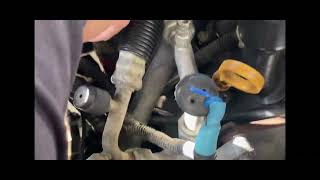
- Read the trouble codes with an OBD-II scanner. Confirm P0302 is present and check for any other codes, noting if the Check Engine Light is flashing. 🎬 Watch: Real-world diagnosis of a P0302 misfire on a 6.2L Escalade.
- Inspect the spark plug wire for cylinder 2 (front passenger side). Ensure it is secure on the coil and plug. Check for damage. This is a known issue per TSB #PIP4819A.
- Swap the ignition coil from cylinder 2 with the coil from cylinder 4 (the next one back). Clear the codes and drive. If the code changes to P0304, the coil is bad.
- If the code remains P0302, remove and inspect the spark plug from cylinder 2. Look for wear, damage, or fouling. Replace if necessary, ensuring the correct part number for your engine.
- Listen for a distinct ticking/tapping noise from the passenger side valve cover area. A rhythmic tick that increases with engine RPM is a classic symptom of a failed AFM lifter.
- If ignition components are confirmed good, the next step is to check the fuel injector. This can be done by swapping the injector with another cylinder or by performing a fuel injector balance test with a capable scan tool.
- If ignition and fuel are ruled out, perform an engine compression test on cylinder 2. A significantly lower or inconsistent reading compared to other cylinders points to a mechanical problem like a bad lifter, valve seat issue, or other internal engine damage.
Parts You'll Likely Need
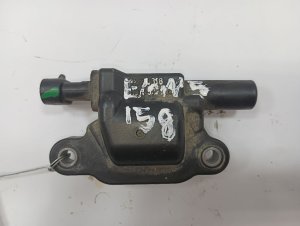
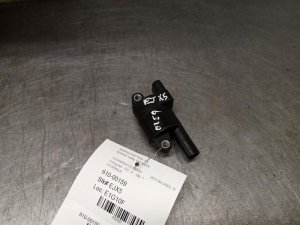
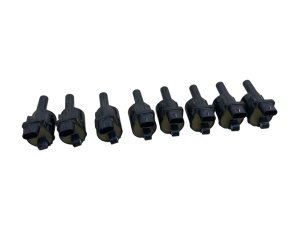
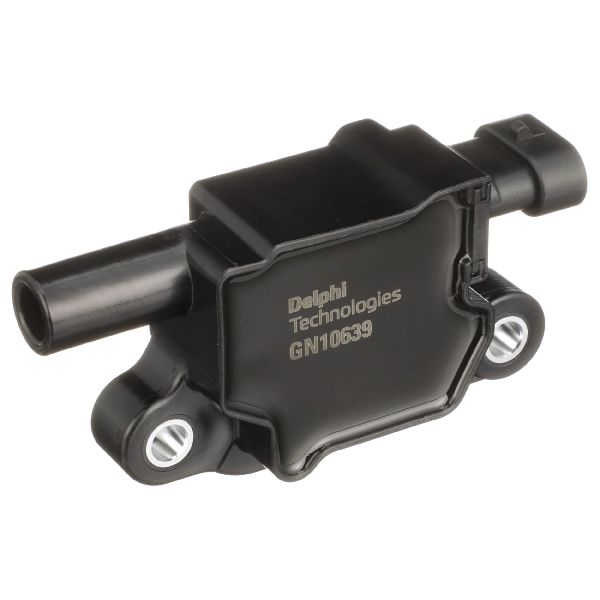
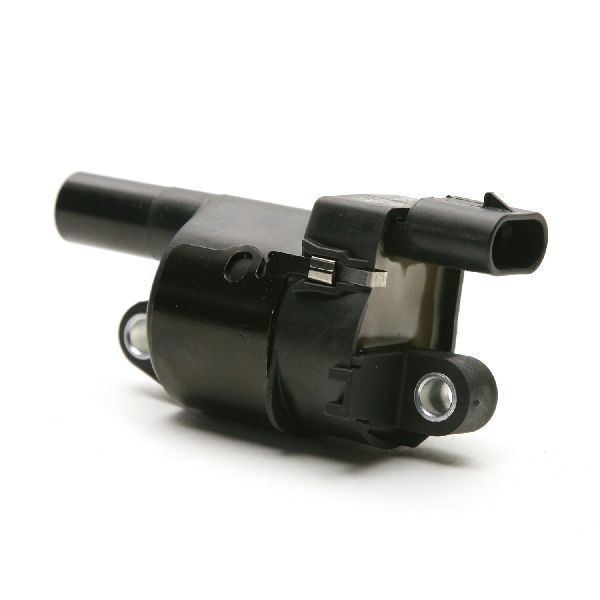
- Ignition Coil
(OEM #12611424 (L94) / 12708496 (L86))— A very common failure point for misfires. Easy to diagnose by swapping with an adjacent cylinder. Part numbers differ between Gen 3 and Gen 4 engines.
Trusted brands: ACDelco, Delphi, NGK
OEM price range: $60-$90
Aftermarket price range: $35-$60 - Spark Plug
(OEM #41-110 (L94) / 41-162 (L86))— A standard wear item and the most common cause of a single cylinder misfire. The L94 (2010-14) and L86 (2015-17) use different plugs. The 41-162 is a revised, slightly longer plug for the newer direct-injection engine.
Trusted brands: ACDelco, NGK
OEM price range: $12-$20
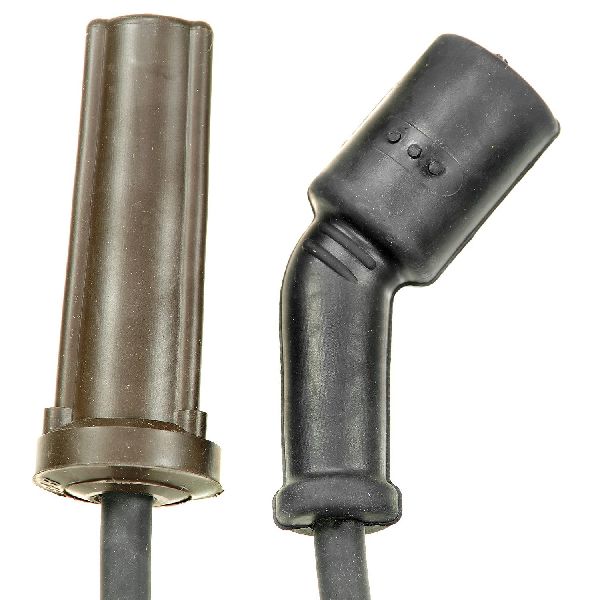
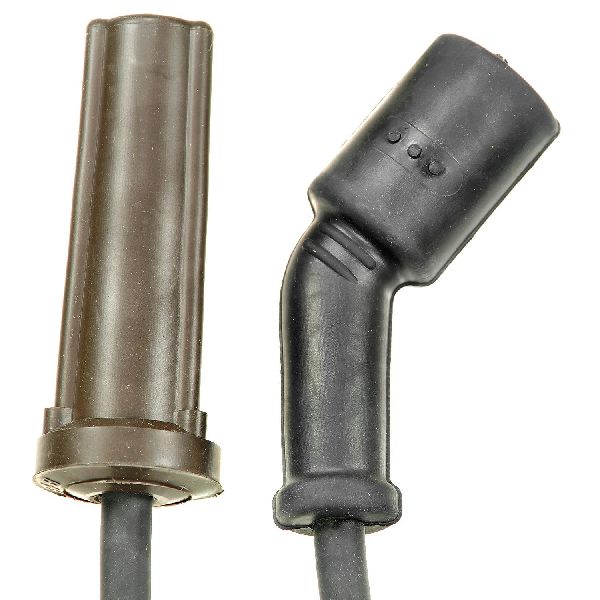
Aftermarket price range: $8-$15 - Spark Plug Wire Set
(OEM #9748RR (ACDelco))— A known issue per TSB #PIP4819A. Wires can become loose or fail from heat. It's recommended to replace as a set.
Trusted brands: ACDelco, NGK/NTK
OEM price range: $80-$120
Aftermarket price range: $50-$80 - AFM Lifter Replacement Kit
(OEM #Varies, see notes)— For the common AFM lifter failure. Kits often include new lifters (AFM and standard), head gaskets, head bolts, intake gaskets, and a new camshaft if needed. An 'AFM Delete Kit' is a popular alternative that replaces AFM components with standard LS parts.
Trusted brands: General Motors, Texas Speed & Performance, Brian Tooley Racing
OEM price range: $800-$1500
Aftermarket price range: $400-$1000
Related Codes That Often Appear With This One
- P0300 — If the misfire is severe or intermittent, the PCM may also log a P0300 for 'Random/Multiple Cylinder Misfire' in addition to the specific P0302.
- P0430 — If the vehicle is driven for an extended period with a misfire on Bank 2 (passenger side), unburnt fuel can overheat and destroy the Bank 2 catalytic converter, leading to the 'Catalyst System Efficiency Below Threshold' code for that bank.
- P3400 / P3441 — These codes relate to the Cylinder Deactivation System. If seen with a P0302, it strongly points towards a failure in the AFM system, such as a stuck lifter on an AFM cylinder (1, 4, 6, or 7) or a faulty Valve Lifter Oil Manifold (VLOM). While cylinder 2 is not an AFM cylinder, a fault in the system can sometimes trigger misfires on other cylinders.
Technical Service Bulletins (TSBs) & Recalls
- Addresses engine misfires (P0300-P0308) and instructs technicians to inspect for and replace loose spark plug wires.
- Covers engine misfire/tick noise (P0300) caused by a collapsed/stuck AFM lifter. Instructs technicians to inspect the camshaft for damage when replacing lifters and to replace the camshaft if damage is found.
Platform-Specific Known Issues
- AFM Lifter Failure: The Active Fuel Management system is a known major issue. A collapsed lifter is a frequent cause of P030x codes on these 6.2L V8 engines that is not related to simple ignition or fuel problems. This has been the subject of class-action lawsuits.
- Loose Spark Plug Wires: Per TSB #PIP4819A, simply having a loose spark plug wire connection is a documented cause for misfires and should be checked first.
Mechanic-Grade Diagnostic Values
- Low-Side Fuel Pressure (2010-2014 L94 Port Injection) — expected: 81-87 PSI. Failure: Pressure below this range indicates a weak in-tank fuel pump.
- High-Side Fuel Pressure (2015-2017 L86 Direct Injection) — expected: ~300 PSI at idle, rising to over 2,000 PSI under load.. Failure: Inability to build pressure under load points to a failing high-pressure fuel pump (HPFP).
- Fuel Injector Resistance (L94 Port Injection) — expected: ~12.0-12.5 Ohms. Failure: A reading significantly higher (open) or lower (shorted) indicates a failed injector coil.
- Misfire Counters (Mode $06) — expected: Near zero for all cylinders on a healthy engine.. Failure: A high and incrementing count for cylinder 2 confirms the misfire is actively occurring.
Scan Tool Commands That Help
- GDS2 / Tech2: Cylinder Power Balance — To isolate a misfiring cylinder by sequentially deactivating each cylinder's fuel injector and measuring the corresponding drop in engine RPM. A cylinder (like #2) with a minimal RPM drop is the one not contributing power correctly.
- GDS2 / Tech2: AFM Cylinder Deactivation / Cylinder Deactivation Test — To manually command the Active Fuel Management system on and off. This helps determine if the misfire is related to AFM operation, strongly pointing to a failing AFM lifter or solenoid if the misfire appears or disappears with AFM engagement.
- GDS2 / Tech2: Fuel Injector Balance Test — This test fires each injector for a set time and measures the fuel pressure drop. If cylinder 2's injector causes a smaller pressure drop than the others, it indicates it's clogged or failing.
Wiring & Ground Locations
- G103 — On the front of the right (passenger side) cylinder head.. This is a primary engine ground. A poor connection here can cause erratic electrical behavior for components on Bank 2 (including the ignition coil and injector for cylinder 2), leading to a misfire.
- Engine to Chassis Ground Strap — Typically runs from the engine block to the vehicle's frame or firewall.. A corroded or loose main ground strap can create a host of electrical issues, including weak spark across one or more cylinders, which can manifest as a P0302 code.
Real Owner Repair Stories
- YouTube channel 'DiagnoseDan' (2009 Cadillac Escalade 6.2L (L92, similar architecture to L94)) — Persistent P0302 misfire.
❌ Tried (didn't work) Swapping ignition coil, Swapping spark plug wire
✅ What actually fixed it A loose intake valve seat on cylinder #2 was discovered. The compression test reading was inconsistent, bouncing between 150-165 PSI, while good cylinders were a steady 165 PSI. This pointed to a mechanical valve train issue, which was confirmed by removing the cylinder head. - Reddit user in r/Cadillac (2018 Cadillac Escalade (L86 engine)) — Lifter tick noise, which is commonly associated with misfire codes.
❌ Tried (didn't work) Initial diagnosis was uncertain, with quotes ranging from $2.5k to suggestions of replacing the car.
✅ What actually fixed it Another user confirmed their similar issue was fixed by replacing the failed AFM lifters and the camshaft, as the bad lifter can damage the cam lobes.
OEM Part Supersession History
12571595, 12619820, 12639516→12698946, now 12740071— Multiple revisions of the Active Fuel Management (AFM) lifter have been released by GM to address the high failure rate.
Heads up: While physically interchangeable, it is critical to replace lifters as a bank or full set and inspect the camshaft for wear, as a new lifter can be quickly destroyed by a damaged cam lobe from a previous failure.12609749 (For L94 engine, 2010-2014)→N/A - This is the primary part number for the port-injected engine.
Heads up: This injector is NOT compatible with the 2015+ L86 direct-injection engine. The L86 uses a completely different high-pressure direct injector, such as part number 12679776.
Model Year Variations Within This Range
- 2010-2014: These models use the 6.2L L94 V8 with port fuel injection and are paired with the 6L80 6-speed automatic transmission. Misfire causes are typically ignition or AFM-related.
- 2015: The 2015 model year was a transition. Early 2015 models have the L86 V8 but retain the 6L80 6-speed transmission and older Cadillac crest emblem. Mid-year 2015.5 models introduced the 8L90 8-speed transmission, wireless charging, and the updated crest emblem.
- 2015-2017: These models use the 6.2L L86 V8 with direct injection. This introduces new potential causes for P0302 not seen on earlier models, such as carbon buildup on intake valves and failure of the high-pressure fuel pump.
Helpful Videos
Used OEM Parts in Stock
New Aftermarket Parts Available


The information in this article is provided for general reference and educational purposes only. Vehicle specifications, procedures, and part compatibility can vary by production date, trim level, and region. Always consult your vehicle's factory service manual and verify part numbers before purchasing or performing repairs. Safety-critical components such as airbags, seat belts, and braking systems should be installed by a qualified professional.
- Cadillac ESCALADE:
- 🎬 Helpful Videos
- 🛍️ Shop This Part
- What's Unique About the 2010-2017 Cadillac ESCALADE
- Diagnostic Flowchart
- Symptoms You May Notice
- Most Likely Causes
- Rare But Worth Checking
- Diagnosis Steps
- Parts You'll Likely Need
- Related Codes That Often Appear With This One
- Technical Service Bulletins (TSBs) & Recalls
- Platform-Specific Known Issues
- Mechanic-Grade Diagnostic Values
- Scan Tool Commands That Help
- Wiring & Ground Locations
- Real Owner Repair Stories
- OEM Part Supersession History
- Model Year Variations Within This Range
- 🎟️ Get 5% Off