

P0302 on 2020-2022 Cadillac CT5: Cylinder 2 Misfire Causes & Fixes
P0302 on a Cadillac CT5 indicates a misfire in cylinder 2. The most common causes are a faulty ignition coil or a worn spark plug. However, on models with the 3.0L V6 engine, a known issue is a failed Active Fuel Management (AFM) oil control valve solenoid, as documented by GM in technical service bulletin #21-NA-036, which can cause misfires on cylinders 2 and/or 5.
- P0302 signifies a misfire on cylinder 2.
- Start your diagnosis with the simple and common fixes: check the ignition coil (by swapping it) and the spark plug for cylinder 2.
- If your CT5 has the 3.0L V6 engine, be aware of the known issue with the AFM oil control solenoid (TSB #21-NA-036) as a likely cause.
- A flashing check engine light is serious. Do not continue to drive, as you risk damaging the catalytic converter.
- When replacing spark plugs, it's best to replace them all to maintain engine balance and prevent future misfires.
What's Unique About the 2020-2022 Cadillac CT5
While P0302 is a generic code, its diagnosis on the Cadillac CT5 with the 3.0L Twin-Turbo V6 (LGY) engine has a specific nuance. General Motors issued Technical Service Bulletin (TSB) #21-NA-036 for this platform regarding misfires on cylinders 2 and 5. These are the cylinders equipped with Active Fuel Management (AFM), and a faulty oil control valve solenoid can leak or break, causing improper oil pressure to the AFM lifters. This leads directly to a P0302 code, a scenario less common on engines without this specific AFM system design.
Diagnostic Flowchart
Tap your situation to follow the diagnostic path that matches what you're seeing on this vehicle.
Symptoms You May Notice
- Rough or shaking idle
- Hesitation or stumbling during acceleration
- Reduced engine power
- Flashing or solid Check Engine Light
- Decreased fuel economy
- Slight smell of gasoline from the exhaust
- Engine noise described as a tick or rattle (in some cases related to AFM components)
- Replacing oxygen sensors. O2 sensors often report errors as a result of the misfire (detecting unburnt fuel), but they are rarely the cause of a single-cylinder misfire.
- Replacing the catalytic converter. A misfire can damage a catalytic converter, but a bad converter does not typically cause a single-cylinder misfire code.
Most Likely Causes
- Faulty Ignition Coil 🔴 High Probability Coil-on-plug systems are common failure points on modern engines due to constant exposure to high heat and vibration.
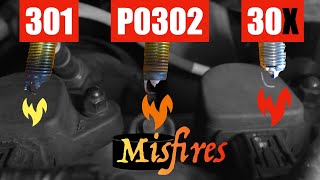
How to confirm: The easiest way to confirm a bad coil is to swap the ignition coil from cylinder 2 with another cylinder (e.g., cylinder 1). Clear the codes and drive the vehicle. If the code changes to P0301, the ignition coil is faulty. 🎬 See how to diagnose if your coil or plug is failing.
Typical fix: Replace the faulty ignition coil. It's often recommended to replace the spark plug at the same time.
Est. part cost: $40-$90 - Worn or Fouled Spark Plug 🔴 High Probability Spark plugs are a regular maintenance item. Turbocharged, direct-injection engines like those in the CT5 are sensitive to spark quality for complete combustion and can be prone to carbon fouling.
How to confirm: Remove the spark plug from cylinder 2 and inspect it. Look for a worn electrode, carbon buildup, or fouling from oil or coolant. If oil or coolant is present, it may indicate a more serious issue like a valve cover leak or the porous cylinder head condition described in TSB #21-NA-147.
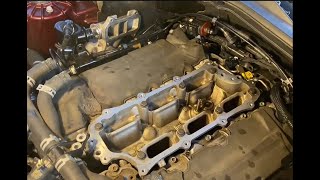
Typical fix: Replace the spark plug. It is best practice to replace all spark plugs as a set 🎬 Watch: Step-by-step spark plug replacement for the 3.0L V6 engine. to ensure even performance.
Est. part cost: $15-$30 per plug - Damaged AFM Oil Control Valve (OCV) Solenoid (3.0L V6 Only) 🟡 Medium Probability A known issue documented in TSB #21-NA-036 affects the 3.0L LGY V6 engine. The solenoid can break or leak, causing improper oil pressure to the Active Fuel Management lifters on cylinder 2, resulting in a misfire. This issue specifically targets cylinders 2 and 5, the AFM cylinders.
How to confirm: Visually inspect the OCV solenoid located in the camshaft cover for cylinder 2. Per the TSB, check if it is damaged, leaking, or if the end has broken off inside the bore. A diagnostic technique is to swap the solenoids between the left and right banks; if the misfire moves to cylinder 5, the solenoid is confirmed as the fault.
Typical fix: Replace the damaged AFM Oil Control Valve solenoid and its O-rings. Ensure any broken pieces are removed from the camshaft cover bore using a pick tool.
Est. part cost: $50-$120 - Clogged or Faulty Fuel Injector 🟡 Medium Probability Direct injection systems operate at very high pressures and can be sensitive to fuel quality, leading to deposits that can clog injectors. Carbon buildup is a known issue on direct injection engines.
How to confirm: A professional can perform a fuel injector balance test (AFIT test). A DIY method is to listen to the injector with a mechanic's stethoscope for a consistent clicking sound. You can also swap injectors between cylinders, but this is more labor-intensive than swapping coils.
Typical fix: Clean or replace the faulty fuel injector.
Est. part cost: $100-$250
Rare But Worth Checking
- Porous Cylinder Head: According to TSB #21-NA-147, some cylinder heads may have porosity issues from manufacturing, allowing oil or coolant to leak directly into the spark plug tube and foul the plug. This is not a leak from above (like a valve cover gasket) but a leak through the head material itself. The fix is a complete cylinder head replacement.
- Faulty AFM Rocker Arm / Lifter (3.0L V6 Only): If the OCV solenoid is functioning correctly, the mechanical components of the AFM system, such as the switching roller finger followers (rockers) or hydraulic lash adjusters (lifters), could be failing to latch or unlatch properly. TSB #21-NA-036 advises that if the solenoid is not the cause, the next step is to inspect the rockers and lifters for the affected cylinder.
Diagnosis Steps
- Read the trouble codes with an OBD-II scanner.
- Identify the engine in the vehicle 🎬 Watch this simple breakdown of what a P0302 code means. (2.0L I4 or 3.0L V6) as the diagnostic path may differ.
- Swap the ignition coil from cylinder 2 with an adjacent cylinder (e.g., cylinder 1). Clear the codes and see if the misfire code follows the coil (e.g., P0301). If it does, the coil is bad.
- If the misfire remains on cylinder 2, remove and inspect the spark plug for wear, damage, or fouling from oil or coolant.
- If the vehicle has the 3.0L V6 engine, inspect the AFM Oil Control Valve (OCV) solenoid for cylinder 2 as described in TSB #21-NA-036. Check for physical damage, leaks, or a broken tip stuck in the camshaft cover. If unsure, swap the solenoid with the one from the opposite bank and see if the misfire moves to cylinder 5 (P0305).
- Listen to the fuel injector on cylinder 2 with a stethoscope for a steady clicking noise. Compare the sound to an adjacent injector.
- If the spark plug was fouled with oil or coolant, investigate for a leaking valve cover gasket or the possibility of a porous cylinder head (TSB #21-NA-147), which is a leak from within the spark plug tube itself.
- If other steps do not identify the cause on the 3.0L V6, the issue may be with the AFM rocker arms or lifters, which requires removing the camshaft cover for inspection.
- If all else fails, perform an engine compression test on cylinder 2 to check for mechanical issues like bad piston rings or valves.
Parts You'll Likely Need
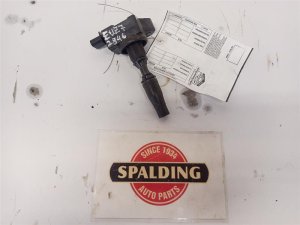
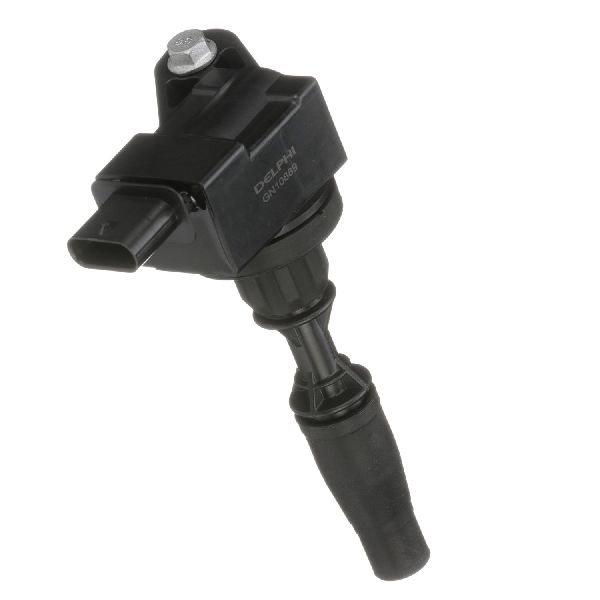
- Ignition Coil
(OEM #12716099 (for 3.0L LGY) / 12699539 (for 2.0L LSY))— A common failure point causing a lack of spark. It's one of the most frequent solutions for a single-cylinder misfire.
Trusted brands: ACDelco, Delphi, NGK
OEM price range: $70-$110
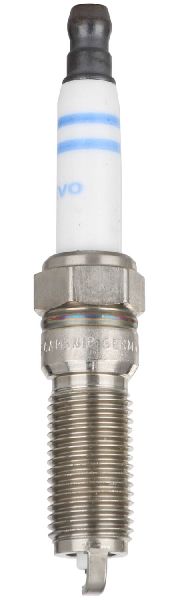
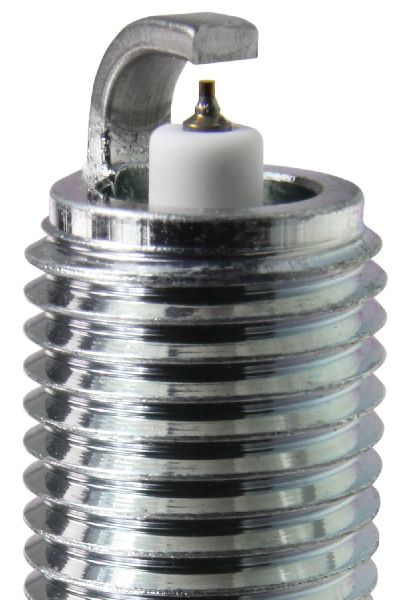
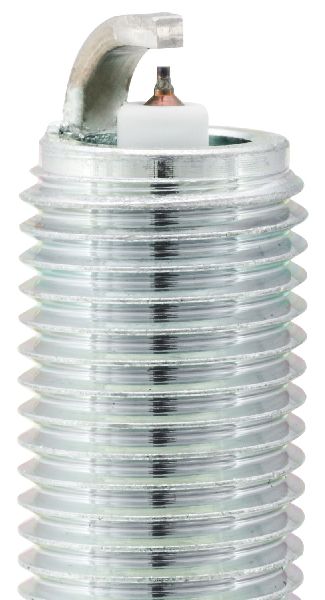
Aftermarket price range: $40-$90 - Spark Plug
(OEM #41-162 (for 3.0L LGY) / 41-166 (for 2.0L LSY))— A standard wear item essential for proper combustion. A worn or fouled plug is a primary cause of misfires.
Trusted brands: ACDelco, NGK
OEM price range: $20-$30
Aftermarket price range: $15-$25 - AFM Oil Control Valve Solenoid
(OEM #12708425 (or 12687167 as a possible alternative))— Specific to the 3.0L V6, this part is known to fail as per TSB #21-NA-036, causing a misfire on cylinder 2. One source lists part number 12687167 for this application.
Trusted brands: ACDelco, GM Genuine
OEM price range: $75-$120
Aftermarket price range: $50-$90
Related Codes That Often Appear With This One
- P0300 — If the misfire is severe or intermittent, the ECM may also log a P0300 (Random/Multiple Misfire) code alongside the specific cylinder code.
- P0305 — On the 3.0L V6 engine, P0302 is often seen with P0305 because cylinders 2 and 5 are the two cylinders controlled by the Active Fuel Management (AFM) system. A fault in this system, like the one described in TSB #21-NA-036, can affect both.
Technical Service Bulletins (TSBs) & Recalls
- 21-NA-036: Information on Malfunction Indicator Lamp (MIL) Illuminate
Platform-Specific Known Issues
- TSB #21-NA-036: On 2020-2022 models with the 3.0L V6 engine, a damaged Active Fuel Management (AFM) Oil Control Valve (OCV) solenoid can cause an oil leak or improper oil pressure, leading to misfires specifically on cylinder 2 and/or 5. The bulletin advises inspecting for a broken solenoid tip stuck in the camshaft cover and provides images for comparison. If the solenoid is not the cause, it directs technicians to inspect the AFM rocker arms and lifters.
- TSB #21-NA-147: Affects vehicles with both LSY and LGY engines. It addresses a condition where fluid (oil or coolant) is found in the spark plug tubes. This is caused by porosity in the cylinder head from manufacturing, not a gasket leak. The only fix is cylinder head replacement.
Mechanic-Grade Diagnostic Values
- Ignition Coil Primary Resistance — expected: 0.4 to 0.6 Ohms. Failure: A reading outside this range suggests a faulty coil.
- Ignition Coil Secondary Resistance — expected: 5,000 to 7,200 Ohms. Failure: A reading outside this range suggests a faulty coil.
- Low-Side Fuel Pressure (Key On, Engine Off prime pulse) — expected: 55-60 PSI. Failure: Pressure below this range may indicate a weak in-tank fuel pump.
- Engine Compression (3.0L LGY Turbo V6) — expected: 170-200 PSI average, no cylinder below 100 PSI. Failure: A cylinder reading significantly lower than others, or below the minimum, indicates a mechanical engine problem.
- Engine Compression (2.0L LSY I4) — expected: 170-200 PSI average, no cylinder below 100 PSI. Failure: A cylinder reading significantly lower than others, or below the minimum, indicates a mechanical engine problem.
Hidden / Shadow Codes Worth Checking
- Mode 6, Test ID $A2-$AB: Mode 6 data allows access to raw misfire counts for each cylinder before they are high enough to trigger a P030x code. Test ID $A3 corresponds to Cylinder 2 misfire counts for the last 10 driving cycles. (see via A professional scan tool with Mode 6 capability. This data is not typically visible on basic code readers.)
Scan Tool Commands That Help
- GDS2 (GM Global Diagnostic System 2): Cylinder Deactivation / AFM Control — For the 3.0L V6, this allows a technician to command the Active Fuel Management system on and off to see if the misfire on cylinder 2 is related to AFM component operation (lifters, OCV solenoid).
- GDS2 (GM Global Diagnostic System 2): Fuel Injector Balance Test — This function commands each injector to fire for a set duration and measures the corresponding drop in fuel rail pressure. It can definitively identify a clogged or weak injector on cylinder 2 without physically removing it.
- GDS2 (GM Global Diagnostic System 2): Network Communication Status — If multiple seemingly unrelated codes are present or if the scan tool has trouble communicating, checking the status of CAN bus 2 can identify module communication problems that might mimic engine faults.
Wiring & Ground Locations
- Engine Block Ground — There is a main heavy gauge ground strap from the right frame rail to the engine block, typically near the transmission bellhousing area.. A poor engine ground can cause unstable voltage to sensors and ignition components, leading to intermittent and hard-to-diagnose misfires on any cylinder.
- Cylinder Head Grounds — Braided ground straps often run from the rear of each cylinder head to the firewall/cowl.. These grounds are critical for the ignition system. The ignition coils are grounded through the cylinder head, so a poor connection here can directly cause a weak spark and misfires.
- 5V Reference Circuit — Not a single point, but a network of wiring providing 5 volts from the ECM to various sensors. Some GM vehicles use two separate 5V reference circuits.. A short-to-ground on a 5V reference circuit can cause multiple sensors to fail, potentially leading to misfires. While less common for a single-cylinder misfire, it's a possibility if other seemingly unrelated codes are present.
Helpful Videos

Used OEM Parts in Stock


New Aftermarket Parts Available


The information in this article is provided for general reference and educational purposes only. Vehicle specifications, procedures, and part compatibility can vary by production date, trim level, and region. Always consult your vehicle's factory service manual and verify part numbers before purchasing or performing repairs. Safety-critical components such as airbags, seat belts, and braking systems should be installed by a qualified professional.
- Cadillac CT5:
- 🎬 Helpful Videos
- 🛍️ Shop This Part
- What's Unique About the 2020-2022 Cadillac CT5
- Diagnostic Flowchart
- Symptoms You May Notice
- Most Likely Causes
- Rare But Worth Checking
- Diagnosis Steps
- Parts You'll Likely Need
- Related Codes That Often Appear With This One
- Technical Service Bulletins (TSBs) & Recalls
- Platform-Specific Known Issues
- Mechanic-Grade Diagnostic Values
- Hidden / Shadow Codes Worth Checking
- Scan Tool Commands That Help
- Wiring & Ground Locations
- 🎟️ Get 5% Off