

P0301 on 2010-2015 Toyota Prius: Cylinder 1 Misfire Causes and Fixes
On a 2010-2015 Prius, P0301 is often caused by a clogged EGR circuit and intake manifold, leading to a misfire in cylinder 1. Other common causes are a failed ignition coil or worn spark plug. A more serious, but well-documented, issue is a failing head gasket, which often presents with the same code after a cold start.
- P0301 on a 2010-2015 Prius is not just a simple spark plug or coil issue; it's very often a symptom of a clogged EGR system.
- The most effective diagnostic step after checking the coil and plug is to inspect the intake manifold for carbon buildup.
- A rough, shaking engine only on cold starts is a classic symptom of a failing head gasket on this car, a known and expensive issue.
- Cleaning the EGR cooler and intake manifold is a common DIY fix that can save a lot of money, but it is labor-intensive.
- Ignoring a misfire can lead to costly catalytic converter damage.
What's Unique About the 2010-2015 Toyota PRIUS

The third-generation Prius (2010-2015) is uniquely prone to misfires caused by a poorly designed Exhaust Gas Recirculation (EGR) system. The EGR cooler and intake manifold passages get clogged with carbon, unevenly distributing air and exhaust gas to the cylinders and causing misfires, particularly in cylinder 1. This issue is so common that Toyota issued a Technical Service Bulletin (T-SB-0116-15 REV) recommending the replacement of the intake manifold. Additionally, these engines are known for head gasket failures, which often first appear as a cold-start misfire with codes like P0301 as coolant seeps into the cylinder overnight. Many experts believe that a clogged EGR system can contribute to head gasket failure over time.
Diagnostic Flowchart

Tap your situation to follow the diagnostic path that matches what you're seeing on this vehicle.
Symptoms You May Notice

- Check Engine Light is on or flashing
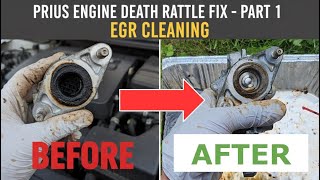
- Engine shaking violently (the "death rattle") for 5- 🎬 Watch: How to diagnose and fix the Prius death rattle.10 seconds on a cold start, which then smooths out.
- Knocking or rattling sound from the engine at startup that may go away after a few seconds.
- Hesitation or stumbling during light acceleration, which may disappear when flooring the gas pedal.
- Noticeable loss of fuel economy.
- Loss of power
- Gurgling or water-rushing sound from behind the dashboard upon startup or shutdown, indicating air in the cooling system (a strong sign of head gasket failure).
- Replacing only the spark plug or ignition coil without checking for a clogged EGR system. If the misfire returns, especially during light acceleration or on cold starts, the root cause is likely carbon buildup or a head gasket leak.
- Cleaning the EGR system when the head gasket has already failed. If symptoms like coolant loss or a startup rattle persist after a full EGR cleaning, the head gasket is the next logical culprit.
Most Likely Causes

- Clogged EGR System and Intake Manifold 🔴 High Probability The EGR circuit design on the 2ZR-FXE engine allows excessive carbon to build up, clogging the EGR cooler, valve, and small passages in the intake manifold. This restricts airflow, often affecting cylinder 1 the most, leading to a misfire. This is documented in Toyota TSB T-SB-0116-15 REV.
How to confirm: Visually inspect the EGR pipe, EGR cooler, and intake manifold ports for heavy, black carbon deposits. The passages for cylinder 1 and 2 are often the most restricted. The issue is often accompanied by code P0401 (EGR Flow Insufficient).
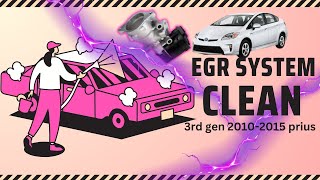
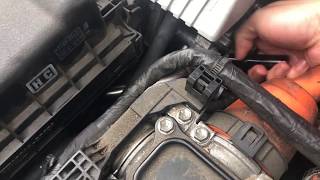
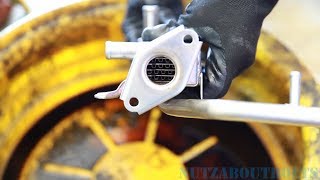
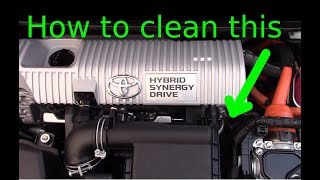
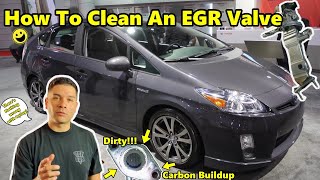
Typical fix: Thoroughly clean the EGR cooler, EGR valve, EGR pipe, and intake manifold passages. Many owners use brake cleaner, oven cleaner, or pressure washers to dissolve the hard carbon deposits. 🎬 See the science behind cleaning your Prius EGR system. Due to the difficulty in cleaning, Toyota's official fix is to replace the intake manifold assembly. Many DIYers recommend buying a clean, used EGR cooler/valve assembly online to swap in, reducing vehicle downtime.
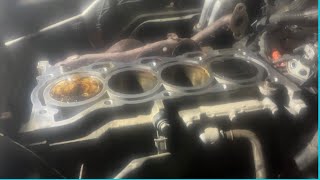
Est. part cost: $50-$150 (for gaskets, PCV valve, and cleaning supplies) or $250-$400 (for a new manifold) - Failing Head Gasket 🟡 Medium Probability The 2ZR-FXE engine in this Prius generation is known for head gasket failures, often occurring after 150,000 miles. A small leak allows coolant into the cylinder overnight, causing a rough, shaky startup and a misfire code until the coolant is burned off. This happens because as the engine cools, a vacuum can pull coolant past the compromised gasket into the cylinder.
How to confirm: Check for symptoms like unexplained coolant loss (reservoir level dropping below the seam), a gurgling sound from the dashboard, or white smoke from the exhaust. A definitive diagnosis can be made with a chemical block test (checking for exhaust gases in the coolant) or a cylinder leak-down test. Some owners use a boroscope to look for a 'steam-cleaned' or unusually clean piston top in cylinder 1, which indicates coolant has been burning off.
Typical fix: Replace the head gasket and check the cylinder head for warping. This is a major and expensive repair. It is critical to also clean the entire EGR circuit during this repair, as a clogged EGR is a suspected root cause of the overheating that leads to head gasket failure.
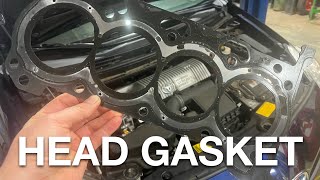
Est. part cost: $650-$700 for an OEM head gasket kit and associated parts. Shop totals often 🎬 Watch: A step-by-step guide to replacing the head gasket. reach $2,200-$4,000, with some dealers quoting over $7,000 for an engine replacement. - Failed Ignition Coil 🟡 Medium Probability
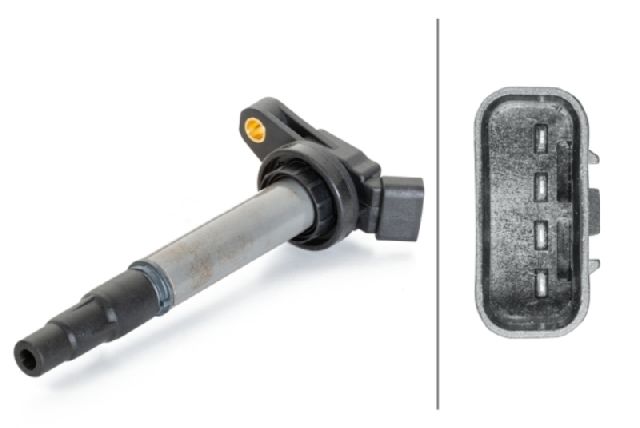
How to confirm: Swap the ignition coil from cylinder 1 with another cylinder (e.g., cylinder 2). Clear the codes and drive the car. If the code changes to P0302, the ignition coil is faulty.
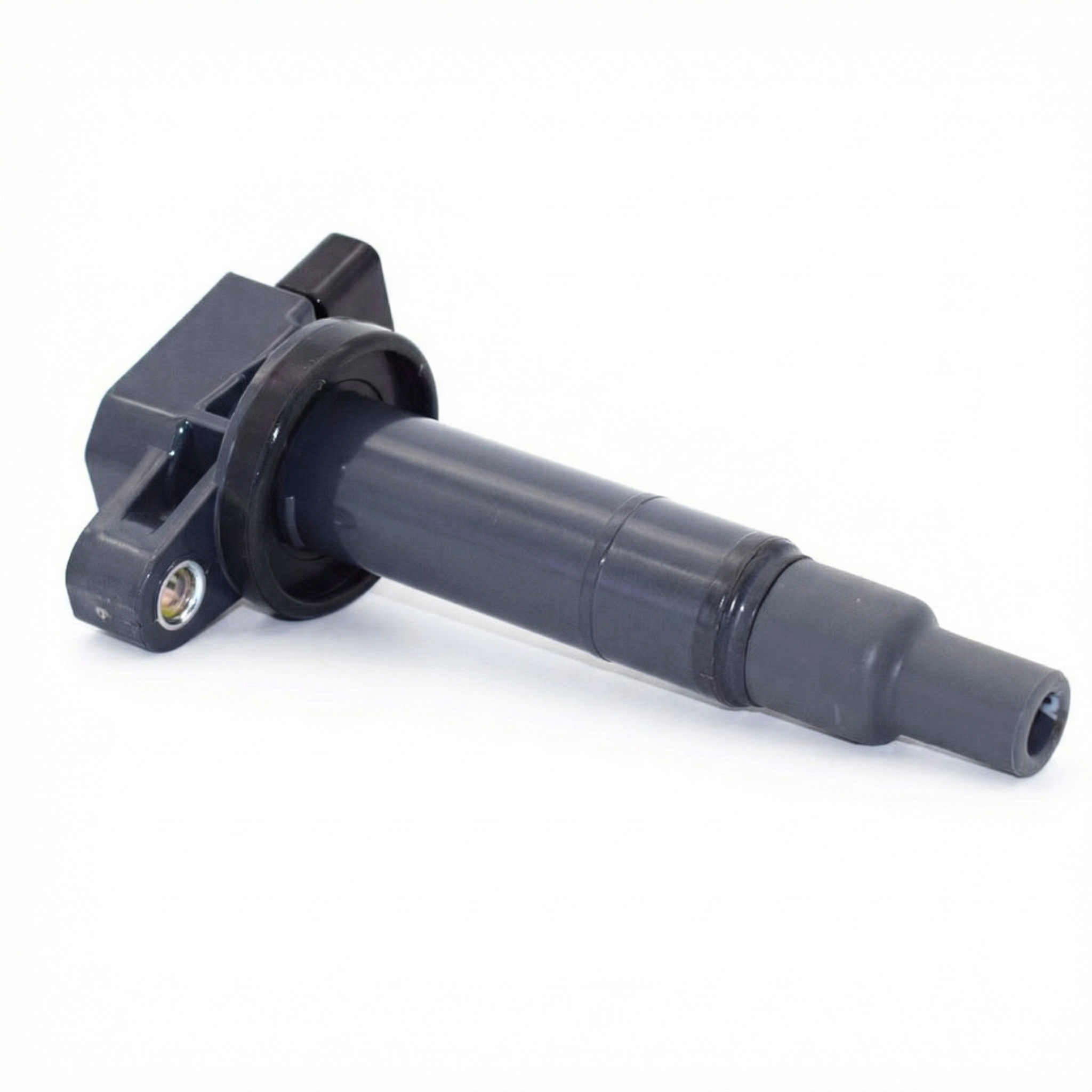
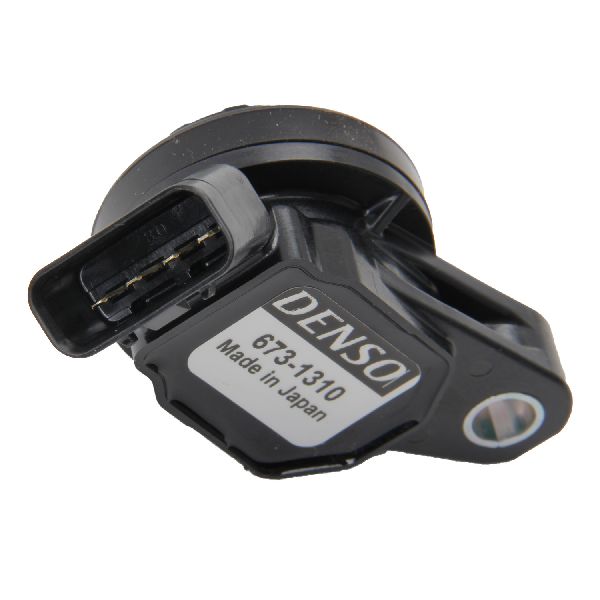
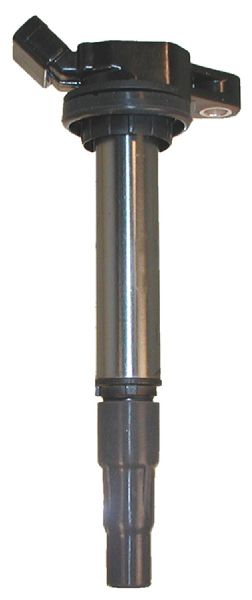
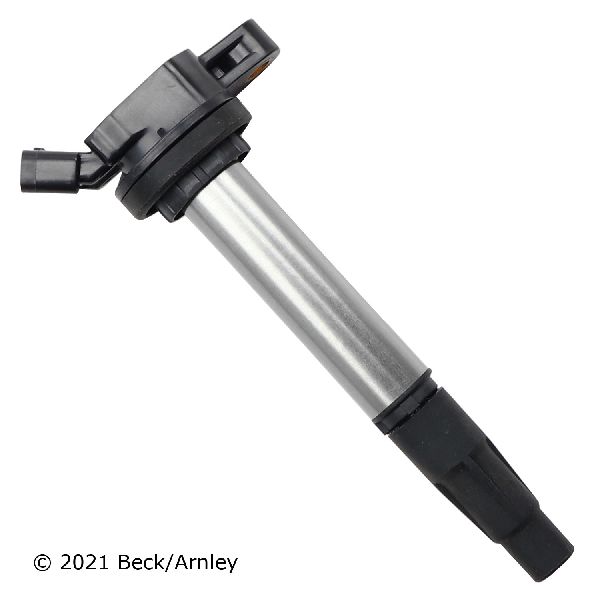
Typical fix: Replace the faulty ignition coil. It is often recommended to replace all four if they are original and high-mileage.
Est. part cost: $40-$90 per coil for a quality aftermarket brand like Denso or NGK. - Worn or Fouled Spark Plug 🟡 Medium Probability
How to confirm: Remove the spark plug from cylinder 1 and inspect it. Look for a worn electrode, heavy carbon buildup, or signs of oil or coolant fouling (which would point to other issues like head gasket failure).
Typical fix: Replace the spark plugs. Toyota specifies iridium plugs (Denso or NGK), which should be changed at the 120,000-mile service interval.
Est. part cost: $10-$25 per plug - Dirty or Faulty Fuel Injector ⚪ Low Probability
How to confirm: After ruling out spark and coil issues, you can swap the fuel injector from cylinder 1 with another cylinder to see if the misfire follows. This is more labor-intensive than swapping a coil.
Typical fix: Clean or replace the faulty fuel injector. Sometimes running a high-quality fuel system cleaner can resolve a minor clog.
Est. part cost: $70-$150 per injector
Rare But Worth Checking
- Faulty PCV Valve: A stuck-open PCV valve can allow excess oil into the intake manifold, contributing to carbon buildup and potentially fouling spark plugs. It's a low-cost part often replaced preventatively during an EGR cleaning.
Diagnosis Steps
- Read the trouble codes with an OBD-II scanner. Note the specific code (P0301) and check the freeze-frame data to see the engine conditions (speed, load, temperature) when the misfire occurred.
- Check for classic Gen 3 Prius symptoms: Does the engine shake violently on a cold start? Do you hear a rattling or gurgling noise? This points towards EGR or head gasket issues.
- Perform an ignition coil swap. Move the coil from cylinder 1 to cylinder 2. Clear the codes. If the misfire moves to cylinder 2 (P0302), the coil is bad.
- If the misfire remains on cylinder 1, inspect the spark plug. Replace it if it's worn, fouled, or past its service life. A coolant-fouled plug is a strong indicator of a head gasket leak.
- If the ignition system is good, the next most likely cause is the EGR system. This is especially true if you also have a P0401 code. Inspect the intake manifold ports. If they are clogged with carbon, the entire EGR circuit (cooler, valve, pipe) and intake manifold must be removed and cleaned thoroughly.
- If symptoms point to a head gasket issue (coolant loss, white smoke, gurgling sound), perform a chemical block test or have a shop perform a cylinder leak-down test to confirm before proceeding with this expensive repair.
- Use a boroscope to visually inspect the top of the piston in cylinder 1. An unusually clean, 'steam-cleaned' appearance is a tell-tale sign of a coolant leak into the cylinder.
Parts You'll Likely Need
- Intake Manifold
(OEM #17120-37054)— Toyota's official fix for misfires caused by EGR clogging is to replace the manifold, as cleaning the small passages is difficult and labor-intensive.
Trusted brands: Toyota (OEM)
OEM price range: $300-$400
Aftermarket price range: $150-$250 - Ignition Coil
(OEM #90919-02258)— A common failure item that directly causes a misfire in a single cylinder.
Trusted brands: Denso, NGK
OEM price range: $70-$90
Aftermarket price range: $40-$60 - Spark Plug
(OEM #Denso SK16R11)— A routine maintenance item. A worn or fouled plug can cause a misfire.
Trusted brands: Denso, NGK
OEM price range: $12-$20
Aftermarket price range: $8-$15 - Head Gasket Set
(OEM #04111-37312)— Required for the head gasket failure repair, a known issue on this engine.
Trusted brands: Toyota (OEM)
OEM price range: $300-$400
Aftermarket price range: $150-$250
Related Codes That Often Appear With This One
- P0300 — Indicates a random or multiple cylinder misfire. This can occur with P0301 if the underlying issue, like a clogged EGR or failing head gasket, begins to affect other cylinders.
- P0302, P0303, P0304 — These codes indicate misfires in cylinders 2, 3, and 4, respectively. They often appear alongside P0301 when the cause is systemic, such as a severely clogged intake manifold or a significant head gasket leak.
- P0401 — Indicates "EGR Flow Insufficient." This code is a strong clue that the EGR system is clogged and is likely the root cause of the misfire codes.
Technical Service Bulletins (TSBs) & Recalls
- T-SB-0116-15 REV: Documents a "runs rough" condition with misfire codes (P0300-P0304) during light acceleration due to the EGR system. The official fix is to replace the intake manifold.
- T-SB-0147-16: Mentions vibration and rough idle at cold start associated with misfire codes P0300-P0304.
- T-TT-0310-14: Notes that a knocking sound or rough running on a cold start may occur with misfire codes P0300-P0304.
- T-SB-0075-13: Addresses code P0401 (Insufficient EGR Flow) and an improved EGR valve design for 2010-2012 models, highlighting the known issues with the system.
Platform-Specific Known Issues
- EGR System Clogging: The primary unique issue for this platform. Carbon from the exhaust clogs the EGR cooler, valve, and intake manifold, causing misfires, rough running, and knocking, especially under light acceleration. This is documented in TSB T-SB-0116-15 REV. Preventative cleaning every 50k-100k miles is recommended by many owners to prevent this and related head gasket issues.
- Head Gasket Failure: A well-documented, common failure on high-mileage Gen 3 Priuses. A leak between a coolant passage and a cylinder causes coolant to enter the combustion chamber, resulting in a misfire (often P0301) and a violent engine shake on cold starts. This is considered a major repair. Many in the community believe that the increased engine temperatures from a clogged EGR system are a primary contributor to premature head gasket failure.
Mechanic-Grade Diagnostic Values
- Fuel Injector Resistance — expected: 11.6 to 12.4 Ω at 20°C (68°F). Failure: Resistance outside of the specified range.
- Fuel Pressure — expected: 304 to 343 kPa (44 to 50 psi) with the fuel pump operating.. Failure: Pressure below specification may indicate a weak pump or leak; pressure above may indicate a faulty regulator.
- Freeze Frame Data - Long Term Fuel Trim (Long FT#1) — expected: Ideally close to 0%. Consistently high positive values (e.g., > +10%) can indicate a vacuum leak, while high negative values can indicate a rich condition.. Failure: Significantly deviated values at the time of the misfire can point towards an air/fuel mixture problem rather than ignition.
Hidden / Shadow Codes Worth Checking
- Mode 6, Test ID $A2-$A5, Component ID $01-$04: This is not a DTC, but a diagnostic monitor in the OBD-II system. It provides raw misfire counts for each cylinder (CIDs $01-$04 correspond to cylinders 1-4) for the last 10 driving cycles. A high count for cylinder 1, even without a P0301 code, can indicate an intermittent or developing issue. (see via A professional scan tool like Toyota Techstream or an advanced OBD-II scanner capable of reading Mode 6 data.)
Scan Tool Commands That Help
- Toyota Techstream: Active Test: Control the Injection Volume for All Cylinder — This allows a technician to command specific changes to fuel injection and observe the effect on engine performance, helping to isolate whether a misfire is fuel-related.
- Toyota Techstream: Utility: Misfire Count — To view the live misfire counters for each cylinder while the engine is running. This is extremely useful for confirming the misfire is happening in real-time on cylinder 1 and seeing if it's affected by engine load or RPM changes.
Wiring & Ground Locations
- Ground Points: IA, IB, IC — These are the primary engine ground points. They are located on the left side of the engine compartment, on the cylinder head and engine block.. A poor ground at these locations can cause erratic behavior in the ignition coils and injectors, leading to misfires. The ignition coils are grounded via the cylinder head cover, which relies on these main ground points.
- Ignition Coil Connector (No. 1) — 4-pin connector on the ignition coil for cylinder 1 (passenger side).. Technicians test for 12V power, ground, the IGT (trigger) signal from the ECM, and the IGF (confirmation) signal at this connector. A missing signal here points to a wiring or ECM issue, not a faulty coil.
Real Owner Repair Stories
- YouTube user 'Fix It Angel' (2012 Toyota Prius) — Check Engine Light with code P0301, severe engine knocking/shaking only on cold start.
❌ Tried (didn't work) Initially tried a fuel injection service, which seemed to help but the problem returned.
✅ What actually fixed it The final fix was a complete cleaning of the EGR system (cooler, pipe, valve) and the intake manifold, along with replacing the PCV valve. The EGR cooler was found to be 90% blocked and the EGR pipe was 80% blocked. After the cleaning, the cold start rattle and P0301 code were eliminated. - PriusChat forum user (2011 Toyota Prius at 245k miles) — Engine shaking/rattling mid-day as if it were a cold start, followed by a flashing check engine light and P0301 code.
❌ Tried (didn't work) The owner had already cleaned the EGR circuit and replaced the PCV valve at 233k miles, so they initially ruled that out.
✅ What actually fixed it The consensus from veteran forum members was that these are classic end-stage head gasket failure symptoms. The recommended next step was a boroscope inspection of cylinder 1 to look for coolant intrusion (a 'steam-cleaned' piston) or a cylinder leak-down test to confirm the diagnosis before undertaking the head gasket replacement.
OEM Part Supersession History
17120-37050, 17120-37051, 17120-37052, 17120-37053→17120-37054— Toyota has released multiple revisions of the intake manifold. While not officially stated, it is believed these revisions were attempts to mitigate the carbon buildup issue that leads to misfires.
Heads up: All part numbers are interchangeable, but using the latest version (17120-37054) is recommended when replacing. Confusingly, some new replacement manifolds may still have an older part number physically stamped on them.
Model Year Variations Within This Range
- 2010-2015: The core 2ZR-FXE engine is mechanically identical throughout the 2010-2015 model years for the standard Prius. While there were minor updates to address things like oil consumption in later years (updated pistons/rings around 2014-2015), the fundamental design of the EGR system and its propensity to clog, and the potential for head gasket failure, remains consistent across the entire generation.
Helpful Videos
Used OEM Parts in Stock


New Aftermarket Parts Available


The information in this article is provided for general reference and educational purposes only. Vehicle specifications, procedures, and part compatibility can vary by production date, trim level, and region. Always consult your vehicle's factory service manual and verify part numbers before purchasing or performing repairs. Safety-critical components such as airbags, seat belts, and braking systems should be installed by a qualified professional.
- Toyota PRIUS:
- 🎬 Helpful Videos
- 🛍️ Shop This Part
- What's Unique About the 2010-2015 Toyota PRIUS
- Diagnostic Flowchart
- Symptoms You May Notice
- Most Likely Causes
- Rare But Worth Checking
- Diagnosis Steps
- Parts You'll Likely Need
- Related Codes That Often Appear With This One
- Technical Service Bulletins (TSBs) & Recalls
- Platform-Specific Known Issues
- Mechanic-Grade Diagnostic Values
- Hidden / Shadow Codes Worth Checking
- Scan Tool Commands That Help
- Wiring & Ground Locations
- Real Owner Repair Stories
- OEM Part Supersession History
- Model Year Variations Within This Range
- 🎟️ Get 5% Off