

P0301 on 2004-2010 Saturn VUE: Cylinder 1 Misfire Causes and Fixes
P0301 means cylinder 1 is misfiring. On a Saturn VUE, this is most often caused by a worn spark plug or a faulty ignition coil. On 2.2L engines, the entire ignition coil cassette may need replacement. On V6 models, a leaking valve cover gasket that fouls the coil boot is also a very common cause. For 2008-2010 V6 models, a stretched timing chain is also a possible, more severe cause.
- P0301 indicates a misfire in cylinder 1.
- The most likely causes are a bad spark plug or ignition coil.
- On V6 models, check for oil in the spark plug tube, which points to a leaking valve cover gasket as the root cause.
- On 2.2L models, the entire ignition coil cassette is a common failure point.
- Do not drive with a flashing check engine light to avoid damaging the catalytic converter.
What's Unique About the 2004-2010 Saturn VUE
The 2004-2010 Saturn VUE spans two distinct generations with different engines, which affects how P0301 is diagnosed. First-generation (2004-2007) models with the 2.2L Ecotec engine use a single ignition coil cassette, where a failure of the integrated Ignition Control Module (ICM) often requires replacing the entire unit. First-gen V6 models, particularly the 3.5L Honda V6, are known for valve cover gasket leaks that allow oil to seep into the spark plug tubes, fouling the ignition coil boots and causing misfires. Second-generation (2008-2010) models with the 3.6L GM V6 have a well-documented issue with stretched timing chains that can cause misfires, often accompanied by codes P0016 or P0017.
Diagnostic Flowchart
Tap your situation to follow the diagnostic path that matches what you're seeing on this vehicle.
Generation note: The 2004-2010 range covers two VUE generations. The first generation (2004-2007) used a 2.2L GM Ecotec I4, a 3.0L GM V6, or a 3.5L Honda V6. The second generation (2008-2010) used different 2.4L I4, 3.5L V6, and 3.6L V6 GM engines. The cause of a P0301 can vary significantly between these powerplants, from ignition modules on the 2.2L, to oil leaks on the Honda 3.5L, to timing chains on the GM 3.6L.
Symptoms You May Notice
- Engine shaking, shuddering, or rough idling.
- Hesitation or stumbling during acceleration.
- Noticeable loss of engine power.
- Flashing or solid Check Engine Light.
- Decreased fuel economy.
- Smell of raw gasoline from the exhaust.
- Replacing the ignition coil on a V6 model without addressing the underlying oil leak from the valve cover gasket. The new coil will soon fail from oil contamination.
Most Likely Causes
- Worn or Faulty Spark Plug 🔴 High Probability
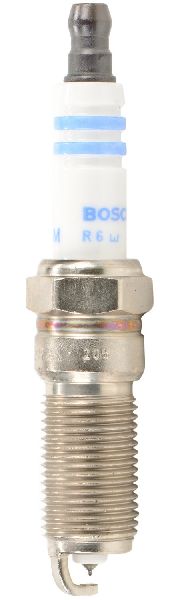
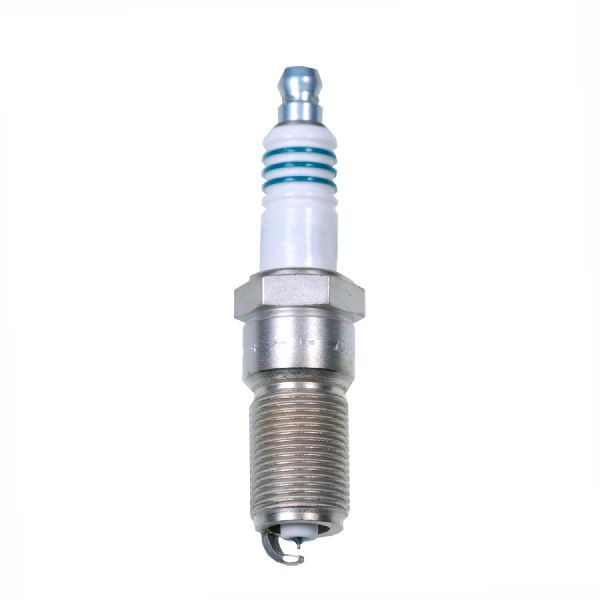
How to confirm: Remove the spark plug from cylinder 1. Inspect it for excessive wear, fouling (black, sooty deposits), or damage to the electrode. Compare it to a new plug. A worn plug is a very common cause of a single-cylinder misfire. 🎬 See this walkthrough on how to diagnose a cylinder 1 misfire.
Typical fix: Replace the spark plug. It is recommended to replace all spark plugs at the same time for even performance. Use OEM-spec plugs like ACDelco or NGK.
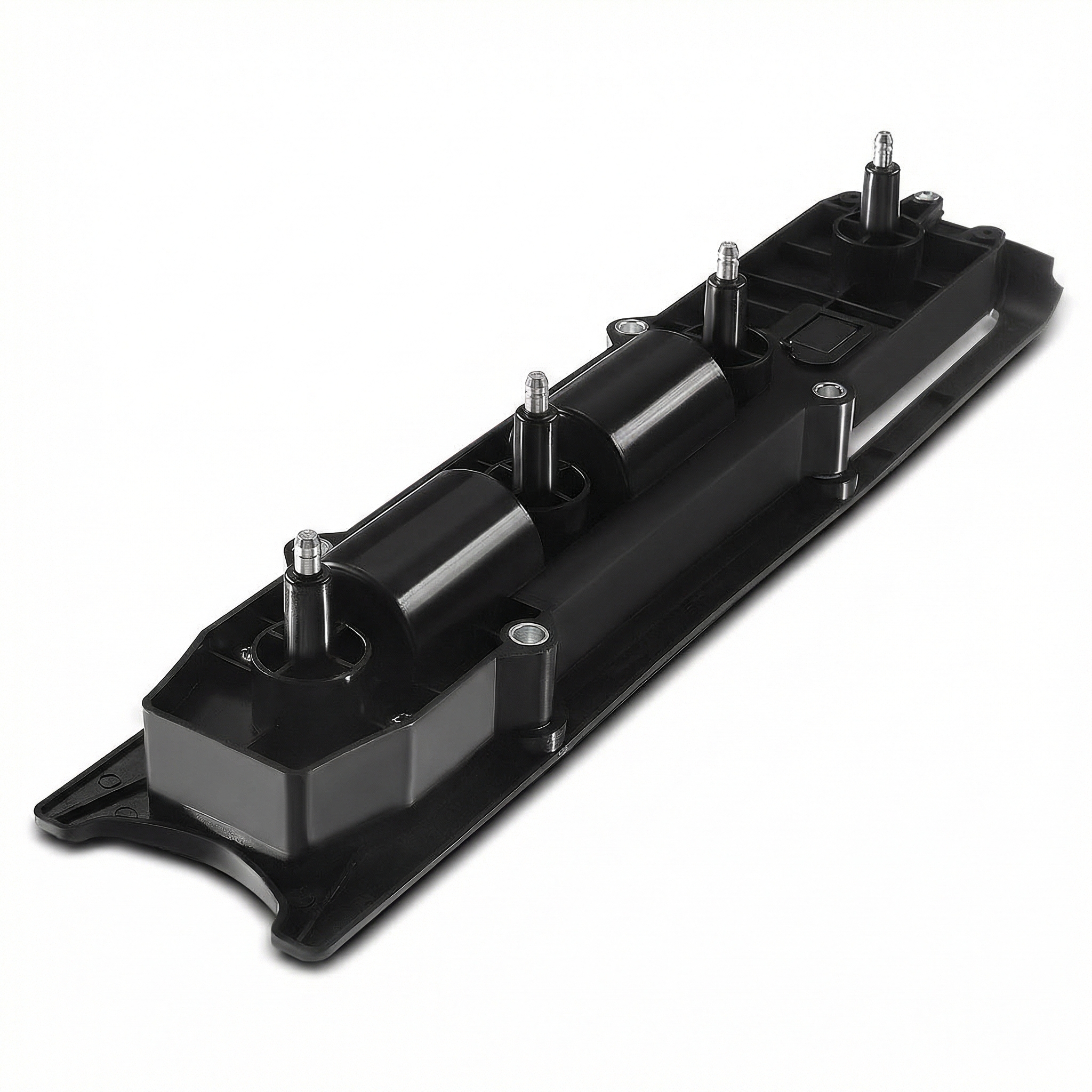
Est. part cost: $5-$20 per plug - Faulty Ignition Coil or Ignition Module (2.2L) 🔴 High Probability On 2.2L Ecotec engines, the entire ignition module/coil cassette is a common failure point, as the Ignition Control Module (ICM) is integrated into the assembly. On V6 models, individual coils can fail.
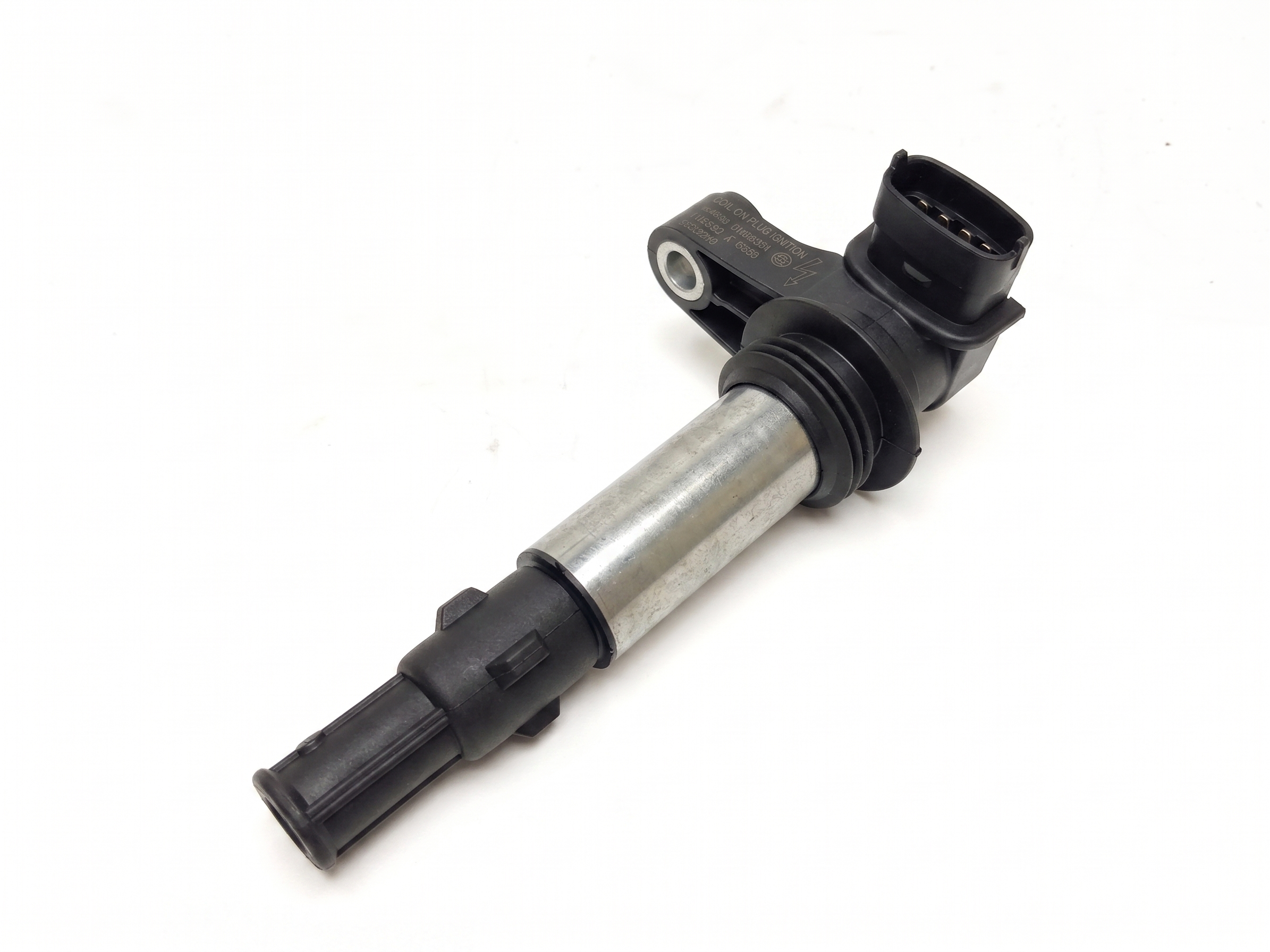
How to confirm: For V6 engines with individual coils, swap the ignition coil from cylinder 1 with another cylinder (e.g., cylinder 2). Clear the codes and drive the vehicle. If the code changes to P0302, the ignition coil is faulty. For 2.2L engines, this test is not possible; diagnosis is more complex, but the cassette is a prime suspect if plugs are good.
Typical fix: Replace the faulty ignition coil (V6) or the entire ignition coil cassette (2.2L). A common part for the 2.2L is the ACDelco D592A module.
Est. part cost: $40-$80 for a single coil, $100-$200 for a 2.2L coil cassette - Leaking Valve Cover Gasket (V6 Models) 🟡 Medium Probability The Honda-sourced 3.5L V6 (2004-2007) and other GM V6 engines are known for valve cover gaskets that leak oil directly into the spark plug tubes.
How to confirm: When removing the ignition coil from cylinder 1, check for liquid oil in the spark plug tube or on the coil boot. The boot may appear swollen or degraded. This is a tell-tale sign.
Typical fix: Replace the valve cover gasket, the spark plug tube seals, and the oil-soaked ignition coil boot and spark plug. The coil itself may be reusable if cleaned thoroughly. A common gasket set for the Honda 3.5L V6 is Fel-Pro VS 50607 R.
Est. part cost: $30-$60 for a gasket set - Clogged or Faulty Fuel Injector 🟡 Medium Probability
How to confirm: After ruling out spark issues, swap the fuel injector from cylinder 1 with another cylinder. If the misfire code follows the injector, the injector is the cause. This is a more involved diagnostic step. A technician can also perform a fuel injector balance test.
Typical fix: Replace the faulty fuel injector.
Est. part cost: $50-$150 - Intake Manifold Gasket Leak ⚪ Low Probability The intake manifold gasket, particularly on the 2.2L Ecotec engine, can fail and cause a vacuum leak near the cylinder 1 runner.
How to confirm: With the engine running, carefully spray brake cleaner or a combustible fluid around the intake manifold gasket near cylinder 1. If the engine idle changes or stumbles, a leak is present. This is a common diagnostic technique discussed in owner forums.
Typical fix: Replace the intake manifold gasket.
Est. part cost: $20-$50
Rare But Worth Checking
- Stretched Timing Chain (3.6L V6): On 2008-2010 models with the 3.6L LY7 V6, premature timing chain stretching is a known, significant issue. This can alter cam/crank correlation, causing misfires. This issue is often preceded by a rattling noise on startup and may be accompanied by codes like P0008, P0016, or P0017. 🎬 Watch: How to test for 3.6L timing chain stretch issues. This is a major and expensive repair.
- Low Engine Compression: This indicates a serious mechanical engine problem, such as worn piston rings, a bad valve, or a blown head gasket. A compression test is needed to confirm.
- Carbon Buildup on Valves: GM TSB 16-NA-383 notes that heavy carbon deposits on intake or exhaust valves can cause them to stick, leading to misfires. This is more common on higher mileage engines and can be diagnosed with a borescope. The fix involves a chemical cleaning procedure.
- Incorrectly Installed Aftermarket Alarm: A GM Technical Service Bulletin (02-06-05-004b) warns that improperly installed aftermarket alarms that interrupt the ignition circuit can cause random misfire codes.
Diagnosis Steps
- Read the trouble codes with an OBD-II scanner. Note any other codes present, especially P0300 or P0016/P0017.
- Locate cylinder 1. On I4 engines, it is the cylinder closest to the drive belts. On V6 engines, it is typically the front cylinder on the bank closer to the firewall (rear bank), but consult a diagram for your specific engine.
- Inspect the spark plug in cylinder 1 for wear, damage, or fouling.
- On V6 models, inspect the spark plug tube for oil contamination. If oil is present, the valve cover gasket is the likely root cause.
- Swap the ignition coil from cylinder 1 with an adjacent cylinder. Clear the codes, drive the vehicle, and see if the misfire code moves to the new cylinder. If it does, the coil is bad.
- If the misfire remains on cylinder 1, the problem is likely with the spark plug, fuel injector, or a mechanical issue.
- Check for vacuum leaks around the intake manifold, especially near the runner for cylinder 1, by spraying carb cleaner and listening for an idle change.
- If ignition and fuel components are confirmed good, perform a compression test on cylinder 1 to check for mechanical engine health, such as bad rings or valves.
- On 3.6L V6 models, listen for a rattling noise on startup, which could indicate a timing chain issue.
Parts You'll Likely Need
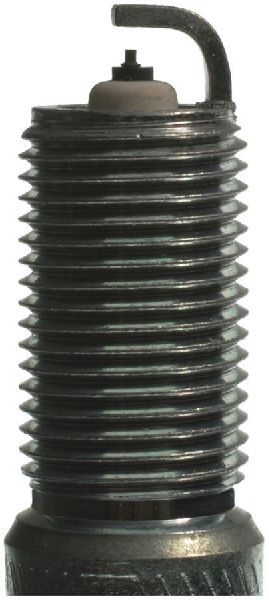
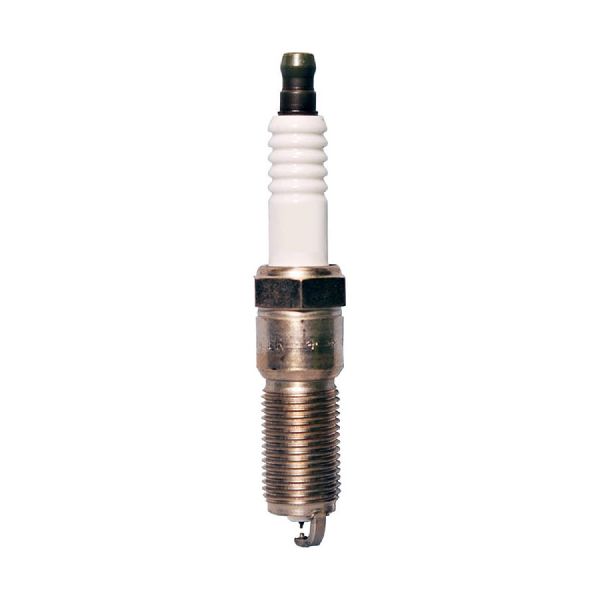
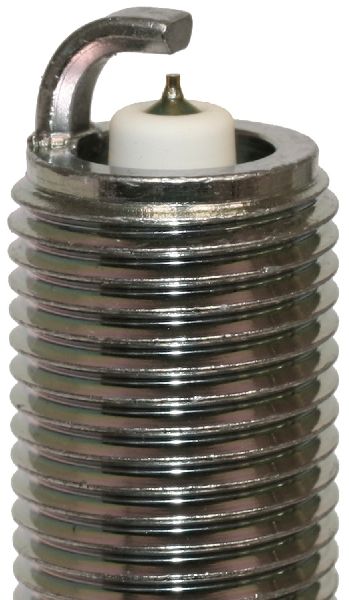
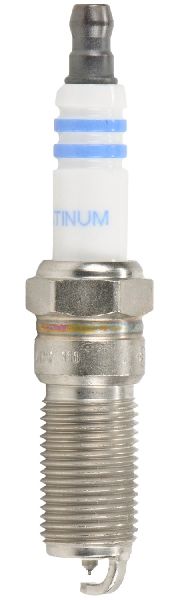
- Spark Plug
(OEM #ACDelco 41-103 (for 3.6L V6))— Spark plugs are a routine maintenance item and the most common failure point for a single-cylinder misfire.
Trusted brands: ACDelco, NGK, Denso
OEM price range: $10-$25
Aftermarket price range: $5-$20 - Ignition Coil
(OEM #ACDelco D515C (for 3.6L V6))— The second most common cause after spark plugs. On V6 models, it's an individual coil; on the 2.2L, it's part of a cassette.
Trusted brands: ACDelco, Delphi
OEM price range: $70-$120
Aftermarket price range: $40-$80 - Ignition Control Module / Coil Cassette (2.2L Ecotec)
(OEM #ACDelco D592A or equivalent)— For the 2.2L engine, the entire cassette which houses the coils and the failure-prone Ignition Control Module (ICM) is a common repair.
Trusted brands: ACDelco, Delphi
OEM price range: $150-$250
Aftermarket price range: $100-$180 - Valve Cover Gasket Set (V6 Models)
(OEM #Fel-Pro VS 50607 R (for 3.5L Honda V6, 2004-07))— A leaking gasket is a frequent root cause of coil failure on V6 engines.
Related Codes That Often Appear With This One
- P0300 — If the misfire is intermittent or affects multiple cylinders, a P0300 (Random Misfire) code may appear alongside P0301.
- P0302, P0303, P0304, etc. — If other cylinders are also misfiring, their respective codes will be stored. This points towards a common problem like low fuel pressure or a major vacuum leak.
- P0016 / P0017 — On the 3.6L V6 engine, these camshaft/crankshaft correlation codes appearing with a P0301 are a strong indication that the root cause is a stretched timing chain.
Technical Service Bulletins (TSBs) & Recalls
- Addresses an intermittent misfire on cylinder 1 during a left turn (or cylinder 4 on a right turn). This is caused by fuel contaminants sloshing in the returnless fuel rail and temporarily clogging the injector inlet.
- Warns that improperly installed aftermarket alarms that interrupt the ignition circuit can cause random misfire codes.
- Provides information on rough idle and misfire DTCs (P0300-P0308) caused by heavy carbon buildup on intake and/or exhaust valves, which can cause them to stick. Recommends using GM's Top Engine Cleaner.
Platform-Specific Known Issues
- On V6 models, especially the 3.5L Honda engine, oil leaking from the valve cover gasket into the spark plug wells is a very common cause of misfires. Simply replacing the coil without the gasket will lead to a repeat failure.
- On 2.2L Ecotec engines, the entire ignition coil cassette, which includes the ignition control module (ICM), is a known weak point that can cause single or multiple misfires.
- On 2008-2010 models with the 3.6L V6, a P0301 code, especially if accompanied by a startup rattle or codes like P0016/P0017, should lead to an inspection of the timing chains for stretching.
Mechanic-Grade Diagnostic Values
- Fuel Injector Resistance — expected: Typically 10-18 Ohms, but the most important factor is that all injectors are within 0.5 Ohms of each other.. Failure: An injector with a resistance reading that is significantly different from the others is likely faulty.
- Ignition Coil Primary Resistance (Waste Spark) — expected: ~1.0 Ohm. Failure: A reading that is significantly higher or shows an open circuit (OL).
- Ignition Coil Secondary Resistance (Waste Spark) — expected: ~12,000 - 13,000 Ohms (12-13 kOhms). Failure: A reading far outside the specification or an open circuit (OL).
Hidden / Shadow Codes Worth Checking
- Mode 6, Test ID $53 (example): Professional scan tools can access Mode 6 data, which contains misfire counts for each cylinder from the current and previous 10 driving cycles. This allows a technician to see which cylinder is misfiring even if the count isn't high enough to trigger a P0301 code and turn on the check engine light. (see via A professional-grade scan tool (like a GM Tech2 or equivalent) with the ability to display Mode 6 data. The tool deciphers the hexadecimal Test IDs (TIDs) and Component IDs (CIDs) into readable data.)
Scan Tool Commands That Help
- GM Tech2 / Professional Scan Tool: Crankshaft Position Relearn (CASE Relearn) — This procedure is required to recalibrate the crankshaft position sensor's learned values in the PCM. It should be performed after replacing the crankshaft position sensor, timing chain/components, or sometimes the PCM itself to prevent misfire detection issues.
- GM Tech2 / Professional Scan Tool: View Misfire Data — To confirm in real-time which cylinder is misfiring and see the number of misfire events. This is the first step in confirming a P0301 is an active problem on cylinder 1 versus a historical or intermittent issue.
- Professional Scan Tool: Fuel Injector Balance Test — To test if each injector is delivering a comparable amount of fuel. The test fires each injector for a set duration and measures the corresponding drop in fuel pressure. A smaller pressure drop for cylinder 1 would indicate a clogged or failing injector.
Wiring & Ground Locations
- Ignition Coil Ground (Bank 1) — On 2008 3.6L V6 models, the ground wire for the rear bank of ignition coils (cylinders 1, 3, 5) routes from the main harness near the throttle body, along the front valve cover with the cam sensor wires, and then grounds to the engine block down near the power steering pump reservoir.. This wire is known to become brittle with age and can break, especially after being disturbed during a repair like a valve cover gasket replacement. A break here will cause an open circuit and misfires on all three cylinders in that bank (P0301, P0303, P0305).
- G106 — On 2008 VUE models (both 2.4L and 3.5L/3.6L), this ground is located on the engine at the left front top corner.. This is a primary ground point for the Engine Control Module (ECM) and other critical engine components. A loose or corroded G106 can cause a multitude of issues, including erratic sensor readings and misfires.
- G105 — On a 2006 VUE, this ground is at the left rear of the engine. On a 2008 VUE, it is also listed at the left rear of the engine.. This is an engine compartment ground point. While less directly tied to the ignition system than G106, poor grounds in the engine bay can cause unpredictable electrical problems that can lead to misfire codes.
Real Owner Repair Stories
- Reddit user in /r/Saturn_Cars (2008 Saturn Vue 3.6L V6) — Misfires on cylinders 1, 3, and 5 with open circuit codes on a scan tool immediately after replacing valve cover gaskets.
❌ Tried (didn't work) Initial diagnosis pointed towards an issue with the recent valve cover gasket job or damage to the coils during the work.
✅ What actually fixed it The ground wire for the entire rear bank of ignition coils (1, 3, 5) had become brittle and broken during the repair. The user located the break in the harness near the power steering pump reservoir and repaired the wire, which resolved the misfires. - Car Doctor Channel on YouTube (2004 Saturn Vue with 3.5L Honda V6 engine) — Flashing check engine light, rough running, and multiple misfire codes stored including P0300, P0301, P0302, P0303, P0304, P0305, P0306.
❌ Tried (didn't work) A simple coil and plug swap would not have fixed the root cause.
✅ What actually fixed it The spark plug for cylinder 4 had been ejected from the cylinder head, stripping the threads. This destroyed the ignition coil and caused a severe misfire. The fix required tapping the cylinder head and installing a spark plug thread insert (heli-coil), along with replacing the broken spark plug and destroyed ignition coil.
"I Checked Everything" — The Actual Cause
- In a documented case on a 2008 VUE 3.6L V6, misfires on cylinders 1, 3, and 5 were present. A smoke test, which checks for vacuum leaks, would have come back clean. The actual cause was a broken ground wire for that bank of ignition coils, an electrical fault that is completely independent of the air intake system.
When the Usual Fixes Don't Work
- While Pass 2 correctly identifies common causes, real-world scenarios show that repairs can induce new, unrelated problems. In one case involving a 2008 3.6L V6, a P0301 code (along with P0303 and P0305) appeared immediately after a valve cover gasket replacement. The mechanic's first instinct might be to blame the new gasket or a damaged coil. However, the actual root cause was a brittle ignition coil ground wire that was disturbed and broke during the job. This highlights that when a new code appears after a repair, the cause may be an adjacent component that was inadvertently damaged, not the new parts themselves.
OEM Part Supersession History
Varies (Early GM 3.6L LY7 Timing Chains)→Varies (Later revision GM kits or aftermarket equivalents like Cloyes 9-0753S)— The original timing chains on the 2008-2009 3.6L LY7 V6 were prone to premature stretching due to design and lubrication factors. Later parts feature an improved design for better durability.
Heads up: When replacing timing chains on an LY7 engine, it is critical to use a new, revised design kit. Using old stock or an incorrect kit will lead to a repeat failure.
Model Year Variations Within This Range
- 2008-2009 (3.6L V6): These model years primarily used the LY7 version of the 3.6L V6, which is most susceptible to the premature timing chain stretching issue. While possible on 2010 models, the risk is considered higher on the earlier second-generation V6 VUEs.
- 2004-2007 (3.5L V6): These models used a Honda J35 V6. A unique, though rare, failure mode for this engine is the stripping of spark plug threads from the aluminum cylinder heads, which is not a common issue on the GM-based engines.
Helpful Videos
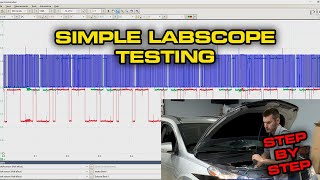
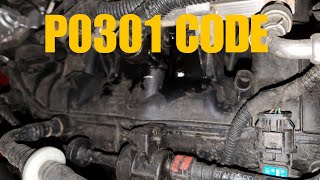
Used OEM Parts in Stock
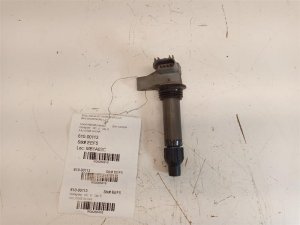
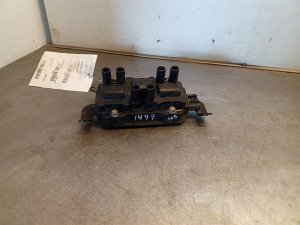

New Aftermarket Parts Available

The information in this article is provided for general reference and educational purposes only. Vehicle specifications, procedures, and part compatibility can vary by production date, trim level, and region. Always consult your vehicle's factory service manual and verify part numbers before purchasing or performing repairs. Safety-critical components such as airbags, seat belts, and braking systems should be installed by a qualified professional.
- Saturn VUE:
- 🎬 Helpful Videos
- 🛍️ Shop This Part
- What's Unique About the 2004-2010 Saturn VUE
- Diagnostic Flowchart
- Symptoms You May Notice
- Most Likely Causes
- Rare But Worth Checking
- Diagnosis Steps
- Parts You'll Likely Need
- Related Codes That Often Appear With This One
- Technical Service Bulletins (TSBs) & Recalls
- Platform-Specific Known Issues
- Mechanic-Grade Diagnostic Values
- Hidden / Shadow Codes Worth Checking
- Scan Tool Commands That Help
- Wiring & Ground Locations
- Real Owner Repair Stories
- "I Checked Everything" — The Actual Cause
- When the Usual Fixes Don't Work
- OEM Part Supersession History
- Model Year Variations Within This Range
- 🎟️ Get 5% Off