

P0301 on 2010-2014 Land Rover Range Rover: Cylinder 1 Misfire Causes & Fixes
P0301 indicates a misfire on cylinder 1 of your Range Rover's 5.0L V8 engine. The most common causes are a bad ignition coil or a worn spark plug. A faulty fuel injector is also a known issue on this direct-injection engine. Expect to pay $50-$150 for a DIY coil and plug replacement, but injector issues are more costly.
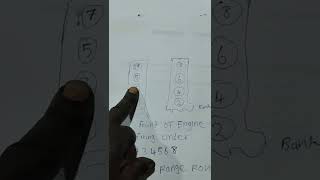
- P0301 is a misfire on cylinder 1, which is the front-most cylinder on the passenger side.
- Start your diagnosis by swapping the ignition coil from cylinder 1 to another cylinder to see if the misfire code follows it.
- The most likely parts needed are an ignition coil and/or a spark plug.
- Do not drive extensively with a flashing check engine light, as you risk damaging your catalytic converters.
- If coils and plugs don't fix the issue, a faulty fuel injector is the next most likely cause on this specific vehicle.
What's Unique About the 2010-2014 Land Rover RANGE ROVER
The 5.0L V8 (AJ133) engines in this generation of Range Rover are powerful direct-injection units but are sensitive to several key issues. While standard ignition component failure is common, these engines are also susceptible to fuel injector issues and, more seriously, timing chain problems. Land Rover issued a technical service bulletin (LTB00409NAS3) noting that poor fuel quality can cause incomplete combustion, leading to misfires like P0301. Furthermore, premature wear of the timing chain guides and tensioners, 🎬 See this breakdown of common timing chain guide failures. a widely documented problem for earlier 5.0L V8s, can cause timing to jump, leading to misfires and potentially catastrophic engine damage.
Diagnostic Flowchart
Tap your situation to follow the diagnostic path that matches what you're seeing on this vehicle.
Generation note: This range covers the end of the L322 generation (2010-2012) and the beginning of the L405 generation (2013-2014). Both generations in these years primarily use the 5.0L V8 engine (naturally aspirated and supercharged), so the causes and diagnostic procedures for P0301 are very similar across the entire year range.
Symptoms You May Notice
- Rough or shaky idle
- Hesitation or stumbling during acceleration, especially under light load
- Flashing or solid Check Engine Light
- Reduced engine power and "Restricted Performance" message on the dash
- Smell of unburnt gasoline from the exhaust
- Hard starting
- Replacing only the spark plugs when the ignition coil is the actual cause. The diagnostic swap test is crucial to avoid this.
- Assuming a major engine problem before thoroughly testing the ignition and fuel systems, which are far more common failure points.
- Replacing a fuel injector without first attempting to clean the fuel system or confirming the injector has failed electronically or is physically clogged.
Most Likely Causes
- Faulty Ignition Coil 🔴 High Probability Coil-on-plug systems are exposed to significant heat and vibration in the V-configured engine bay, leading to eventual failure. This is a very common failure point on the Land Rover 5.0L V8, as corroborated by numerous owner forums.
How to confirm: The easiest method is to swap the ignition coil from cylinder 1 with another cylinder (e.g., cylinder 3, which is on the same bank). Clear the codes and drive the vehicle. If the code changes to P0303, the ignition coil is the culprit. This is a standard diagnostic step recommended by owners and technicians alike.
Typical fix: Replace the faulty ignition coil. Many owners choose to replace all spark plugs at the same time as a preventative measure. It is also wise to apply dielectric grease to the new coil boot.
Est. part cost: $40-$100 - Worn or Fouled Spark Plug 🔴 High Probability Spark plugs are a regular maintenance item with a finite lifespan. If they are past their service life (typically recommended around 60,000-80,000 miles) or have been fouled by oil or carbon deposits, they can fail to produce a strong enough spark to ignite the air-fuel mixture.
How to confirm: After confirming the ignition coil is good, remove the spark plug from cylinder 1. Inspect it for wear (worn electrode), damage to the porcelain, or heavy deposits of carbon or oil. A visual inspection is often sufficient.
Typical fix: Replace the spark plug in cylinder 1. It is best practice to replace all 8 spark plugs as a set if they are near the end of their service interval to ensure consistent performance. Ensure they are gapped correctly per manufacturer specifications.
Est. part cost: $15-$30 per plug - Faulty Fuel Injector 🟡 Medium Probability The 5.0L V8 uses high-pressure direct injection. These injectors can become clogged from fuel contaminants or carbon buildup, or fail electronically. Land Rover has acknowledged issues with fuel injectors on these engines. TSB LTB00409NAS3 mentions that misfires can be caused by 'poor fueling' leading to incomplete combustion. A failing injector can also leak, causing a rich condition.
How to confirm: This is more difficult to diagnose. If the coil and plug are confirmed good, a technician can perform a fuel injector balance test. Swapping injectors is possible but is much more labor-intensive than swapping coils and requires special tools for removal. Listening to the injector with a mechanic's stethoscope for a consistent 'clicking' sound can also provide clues.
Typical fix: Replace the faulty fuel injector. It is often recommended to replace all injectors on the same bank, or even all 8, if they are original and high-mileage, as others may soon fail. Using a fuel system cleaner like BG 44K is sometimes suggested as a first step for a potentially clogged injector.
Est. part cost: $100-$250
Rare But Worth Checking
- Vacuum Leak: A leak in a vacuum hose or intake manifold gasket near cylinder 1 can lean out the air-fuel mixture and cause a misfire. This would often be accompanied by other codes, like a P0300 or lean codes (P0171, P0174). A smoke test is the most effective way to find a vacuum leak. A torn PCV valve diaphragm is a common source of unmetered air on these engines.
- Low Engine Compression: This is a serious mechanical issue, such as a worn piston ring, a burnt valve, or a leaking head gasket. A compression test is needed to diagnose this. A normal result for the 5.0L engine is around 175 PSI. This is an unlikely but possible cause if all ignition and fuel system checks pass.
- Stretched Timing Chain / Guide Failure: The AJ133 5.0L V8, particularly in the 2010-2012 model years, is known for issues with timing chain tensioners and guides. A stretched chain can cause camshaft timing to be off, leading to misfires. A key symptom is a metallic rattle from the front of the engine on a cold start, lasting for a few seconds. This is a major repair and should be investigated if other causes are ruled out, especially on higher-mileage vehicles.
- Intake Valve Carbon Buildup: As a direct-injection engine, the intake valves are not washed by fuel. Over time, carbon can build up on the back of the valves, restricting airflow into the cylinder and causing misfires, especially on cold starts. This typically requires professional cleaning (e.g., walnut blasting).
Diagnosis Steps
- Read the trouble codes with an OBD-II scanner and confirm P0301 is present. Note any other codes, especially P0300, P0316, or lean/rich codes.
- Identify cylinder 1: It is the front-most cylinder on the passenger side (right side) of the engine.
- Swap the ignition coil from cylinder 1 with the coil from cylinder 3 (the next one back on the same side).
- Clear the codes and test drive the vehicle until the check engine light returns.
- Re-scan the codes. If the code is now P0303, the ignition coil is faulty and needs replacement.
- If the code remains P0301, the coil is likely good. Inspect the spark plug from cylinder 1 for wear, fouling, or damage. If in doubt, swap it with cylinder 3's plug.
- Clear codes and test drive again. If the code changes to P0303, the spark plug is faulty.
- If the code remains P0301, the issue is likely not the coil or plug. The next step is to investigate the fuel system. Consider using a quality fuel injector cleaner (like BG 44K) as a first, inexpensive step.
- Listen to the cylinder 1 fuel injector with a mechanic's stethoscope. It should have a regular, audible clicking sound. Compare it to the sound of the injector on cylinder 3.
- If the injector is suspect, professional diagnosis (balance test) or replacement is the next step. Injector replacement is an advanced DIY job requiring a special puller tool.
- If ignition and fuel seem okay, check for vacuum leaks around the intake manifold near cylinder 1 using a smoke machine. Pay close attention to the PCV valve diaphragms on the valve covers, which can tear.
- If no cause is found, and especially if you hear a rattle on cold starts, investigate the possibility of a timing chain issue. This usually requires a professional.
- As a final step for a persistent misfire, perform a compression test on cylinder 1 to check for mechanical engine problems. A healthy 5.0L engine should have compression around 175 PSI.
Parts You'll Likely Need
- Ignition Coil
(OEM #LR030637)— This is the most common cause of a single-cylinder misfire. They are subject to high heat and fail electronically over time.
Trusted brands: Bosch, Delphi, NGK
Related Codes That Often Appear With This One
- P0300 — If the condition causing the misfire on cylinder 1 is systemic (like a vacuum leak, fuel pressure issue, or stretched timing chain), it will eventually affect other cylinders, triggering a P0300 (Random/Multiple Cylinder Misfire) code.
- P0316 — This code indicates a misfire was detected within the first 1,000 engine revolutions after startup. Land Rover TSBs frequently mention this code appearing alongside specific cylinder misfire codes like P0301, often pointing to cold-start related issues like fuel calibration or carbon buildup.
- P0171 / P0174 — These codes indicate a 'System Too Lean' condition on Bank 1 or Bank 2. If P0171 appears with P0301, it strongly suggests a vacuum leak near cylinder 1 or a clogged fuel injector on that cylinder is causing a lean misfire.
- P0303, P0305, P0307 — These codes indicate misfires on other cylinders on the same bank (Bank 1 - passenger side). If they appear with P0301, it could point to a systemic issue like a vacuum leak affecting that side of the engine, a clogged catalytic converter on Bank 1, or a problem with the Bank 1 camshaft timing.
Technical Service Bulletins (TSBs) & Recalls
- LTB00409NAS3: Notes that engine misfires can be caused by poor fuel quality leading to restricted fuel injectors.
- LTB01023NAS1: Addresses cold-start misfires (below 75°C) related to fuel injection calibration, recommending a software update.
Platform-Specific Known Issues
- Technical Service Bulletin LTB00409NAS3 specifically mentions that misfire codes P0301-P0308 can be caused by poor fuel quality leading to incomplete combustion due to restricted fuel injectors.
- Technical Service Bulletin LTB01023NAS1 addresses cold-start misfires (when coolant temp is below 75°C) that can be caused by a fuel injection calibration issue, requiring a PCM software update at a dealership.
- A known weak point on 2010-2012 5.0L V8 engines is the timing chain tensioners and guides, which can wear prematurely, causing chain slack. A tell-tale sign is a 2-5 second rattle on cold start. This can lead to misfires and eventually catastrophic engine failure if not addressed.
Mechanic-Grade Diagnostic Values
- High-Pressure Fuel Rail Pressure (Warm Idle) — expected: ~500 PSI. Failure: Significantly lower or wildly fluctuating pressure.
- High-Pressure Fuel Rail Pressure (Cold Start, High Idle) — expected: ~2,000 - 2,100 PSI. Failure: Failure to reach this pressure on startup can indicate a weak high-pressure fuel pump.
- Low-Pressure Fuel System Pressure (Key On, Engine Off) — expected: ~105 PSI. Failure: Pressure below this specification points to a weak in-tank fuel pump or clogged filter.
- Injector Pulse Width (at idle, via JLR SDD) — expected: ~1.21 - 1.24 ms. Failure: A significantly different pulse width on one cylinder compared to others can indicate a faulty injector or a compensation for another issue.
- Short Term Fuel Trim (at idle) — expected: -3% to +3%. Failure: High positive trims (e.g., >10%) indicate the engine is adding fuel to compensate for unmetered air (vacuum leak) or a clogged injector.
- Engine Compression — expected: ~175 PSI per cylinder. Failure: A cylinder with significantly lower pressure than others indicates a mechanical engine problem (valves, rings, head gasket).
Hidden / Shadow Codes Worth Checking
- P0301-00: The '-00' suffix is a manufacturer-specific identifier that provides additional detail over the generic P0301 code. It confirms the fault type and status within the JLR diagnostic system. (see via Dealer-level diagnostic tools like JLR SDD (Symptom Driven Diagnostics) or advanced aftermarket scanners (e.g., MUCAR CS4).)
Scan Tool Commands That Help
- JLR SDD / High-End Scanners: Injector Pulse Width Test — After confirming spark is good, this test helps determine if the ECM is commanding the injector for cylinder 1 differently than others, or if its response is lagging, pointing to a potential injector issue.
- JLR SDD / High-End Scanners: Relative Compression Test — As a non-invasive alternative to a manual compression test. It analyzes crankshaft speed during cranking to detect a cylinder with lower compression, helping to quickly identify a potential mechanical fault without removing spark plugs.
- JLR SDD / High-End Scanners: Reset Adaptations / Clear Learned Values — After replacing a component like a fuel injector or MAF sensor, this function should be used to clear the long-term fuel trims and other learned engine parameters, allowing the ECM to relearn values with the new part.
Real Owner Repair Stories
- Land Rover Forums user 'Red Top Engine' (2012 Land Rover LR4 (5.0L V8)) — Rough idle on cold startup, hesitation under load, flashing check engine light, 'Restricted Performance' mode.
❌ Tried (didn't work) The owner had previously rebuilt the engine, replacing most sensors and actuators., Initial diagnosis pointed towards a faulty fuel injector., Replacing the spark plug in cylinder 1 had no effect.
✅ What actually fixed it A faulty ignition coil on cylinder 1. The coil was a non-OEM part that had been purchased less than a year prior, and it failed prematurely. The owner confirmed the fix by swapping it with a spare coil, which immediately resolved the stumbling and hesitation.
"I Checked Everything" — The Actual Cause
- A torn PCV (Positive Crankcase Ventilation) valve diaphragm can cause a persistent lean condition and misfires. This is often missed because the leak is internal to the valve cover assembly. A technician might perform a smoke test on the intake tract and find no leaks, but the unmetered air is actually being drawn through the torn diaphragm inside the PCV housing on the valve cover. In some cases, the entire valve cover assembly must be replaced because the internal baffles have failed, causing the new diaphragm to fail quickly.
When the Usual Fixes Don't Work
- While a faulty ignition coil is a very common cause, do not assume a recently replaced coil is good, especially if it is not an OEM part. In one documented case, a non-OEM coil failed in less than a year, causing a persistent P0301 after an engine rebuild. The owner initially suspected a more complex issue like a fuel injector before confirming the nearly-new coil was the culprit. This highlights the importance of using high-quality parts and not ruling out components just because they are new.
OEM Part Supersession History
LR030637→LR084889— Standard part revision and supplier change over the vehicle's lifecycle.
Model Year Variations Within This Range
- 2010-2011: These earlier models of the AJ133 engine are equipped with earlier-design timing chain tensioners and plastic guides that are more susceptible to wear and failure, a known cause of misfires and catastrophic engine damage.
- 2012-2014: For the 2012 model year, JLR updated the AJ133 engine with improved timing chain components, including an 8mm pitch chain and more durable guides, reducing (but not entirely eliminating) the risk of premature timing failure.
- 2010-2014 (Supercharged): Supercharged models use numerous plastic cooling components, such as the front crossover pipe and rear heater manifold, which are prone to cracking with age and heat cycles. A coolant leak can lead to overheating and subsequent head gasket failure, causing misfires. Upgraded aluminum versions are a common reliability modification.
Helpful Videos
![P0301-P0308 | Spark plugs Replacement for Range Rover 5.0 [L405-L494]](https://img.youtube.com/vi/TgzRoSfT-J8/mqdefault.jpg)

We Have This Part in Stock



The information in this article is provided for general reference and educational purposes only. Vehicle specifications, procedures, and part compatibility can vary by production date, trim level, and region. Always consult your vehicle's factory service manual and verify part numbers before purchasing or performing repairs. Safety-critical components such as airbags, seat belts, and braking systems should be installed by a qualified professional.
- Land Rover RANGE ROVER:
- 🎬 Helpful Videos
- 🛍️ Shop This Part
- What's Unique About the 2010-2014 Land Rover RANGE ROVER
- Diagnostic Flowchart
- Symptoms You May Notice
- Most Likely Causes
- Rare But Worth Checking
- Diagnosis Steps
- Parts You'll Likely Need
- Related Codes That Often Appear With This One
- Technical Service Bulletins (TSBs) & Recalls
- Platform-Specific Known Issues
- Mechanic-Grade Diagnostic Values
- Hidden / Shadow Codes Worth Checking
- Scan Tool Commands That Help
- Real Owner Repair Stories
- "I Checked Everything" — The Actual Cause
- When the Usual Fixes Don't Work
- OEM Part Supersession History
- Model Year Variations Within This Range
- 🎟️ Get 5% Off