

P0301 on 2008-2012 Land Rover LR2: Cylinder 1 Misfire Causes and Fixes
P0301 means cylinder 1 is misfiring on your LR2. The most common causes are a bad ignition coil or spark plug. However, a known issue on this vehicle is a failing fuel injector, as documented in Land Rover TSB SSM71894. Diagnosis should start with swapping the coil and plug, but be prepared for a potential injector replacement, which is a known weak point on the shared Volvo SI6 engine platform.
- P0301 indicates a misfire in cylinder 1, which is on the passenger side.
- While coils and plugs are common causes, the fuel injector is a known weak point on this specific Land Rover/Volvo engine.
- Always diagnose by swapping the coil first, then the spark plug, before suspecting the fuel injector.
- A flashing check engine light indicates a severe misfire that can damage the catalytic converter; stop driving immediately.
What's Unique About the 2008-2012 Land Rover LR2
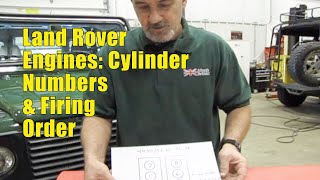
While most vehicles get misfire codes from worn spark plugs or ignition coils, the 2008-2012 Land Rover LR2's 3.2L engine (a Volvo SI6 design) has a documented history of fuel injector failures causing these symptoms. Land Rover issued Technical Service Bulletin SSM71894 specifically to investigate injector failures that lead to cold start misfires and rough running, often storing codes like P0301. 🎬 Watch: Identify your cylinder numbers and firing order here. This makes the fuel injector a more likely culprit on the LR2 and its platform mates (like the Volvo XC90, S80, etc.) compared to other vehicles with the same code.
Diagnostic Flowchart
Tap your situation to follow the diagnostic path that matches what you're seeing on this vehicle.
Symptoms You May Notice
- Rough idle, especially on cold start
- Engine hesitation or stumbling during acceleration
- Flashing or solid Check Engine Light
- Reduced engine power and performance, sometimes triggering 'Restricted Performance' mode
- Decreased fuel economy
- Smell of unburned gasoline from the exhaust
- Replacing only the spark plugs when the underlying cause is a faulty ignition coil or fuel injector.
- Replacing ignition coils with cheap aftermarket parts that fail quickly.
- Assuming the misfire is ignition-related without considering the high probability of a fuel injector issue on this specific engine platform.
Most Likely Causes
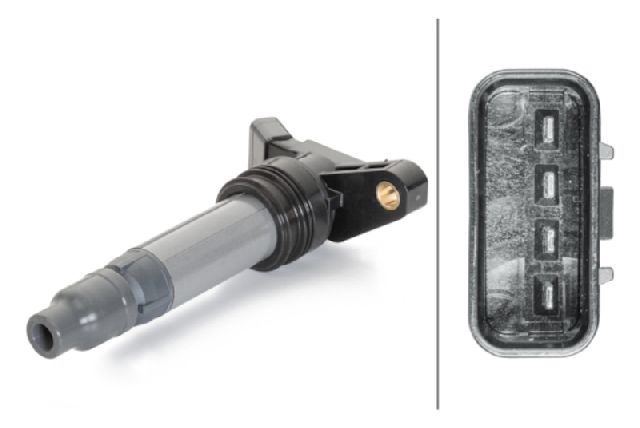
- Faulty Ignition Coil 🔴 High Probability Coil-on-plug systems are exposed to significant heat and vibration, leading to eventual failure. Aftermarket coils have been reported to fail prematurely. On the Volvo SI6 engine family, a shorted coil can also blow the corresponding fuse (F35 on some Volvos), causing a no-start condition.
How to confirm: Swap the ignition coil from cylinder 1 with the coil from another cylinder (e.g., cylinder 2). Clear the codes and drive the vehicle. If the code changes to P0302, the ignition coil is faulty. Do not run the engine while pulling the coil off the spark plug, as this can cause a voltage spike and damage the coil or PCM.
Typical fix: Replace the faulty ignition coil. It is often recommended to replace all six coils and spark plugs at the same time for preventative maintenance. Using genuine OEM or high-quality aftermarket brands like Bosch is recommended.
Est. part cost: $88 - $142 for one OEM coil. - Failing Fuel Injector 🔴 High Probability Land Rover TSB #SSM71894 was issued to investigate fuel injector failures on this platform, which cause cold start misfires and rough running. This is a known weak point. Forum users report that clogged injectors are a common cause of persistent single-cylinder misfires after ignition components have been ruled out.
How to confirm: If swapping the coil and plug does not resolve the misfire on cylinder 1, the injector is the next likely cause. A simple test is to measure the resistance of each injector with a multimeter; they should all be within 0.5 ohms of each other (typically 11.8-12.3 ohms). A professional can perform a fuel injector balance test or you can swap the injector from cylinder 1 to another cylinder to see if the misfire code follows.
Typical fix: Replace the fuel injector for cylinder 1. Given the labor involved to access the fuel rail, some owners opt to replace all six injectors at once. Sending the injectors out for professional cleaning and flow testing is also a viable, often cheaper, option.
Est. part cost: $364 - $370 for one OEM injector. - Worn or Fouled Spark Plug 🟡 Medium Probability Spark plugs are a standard maintenance item that wear out over time. An incorrect gap or carbon/oil fouling can prevent a strong spark, causing a misfire.
How to confirm: After confirming the coil is good, remove the spark plug from cylinder 1. Inspect it for wear (worn electrode), damage (cracked porcelain), or fouling (e.g., wet with oil or fuel, or covered in black carbon). Compare it to a new plug.
Typical fix: Replace the spark plug. It is best practice to replace all six spark plugs at the same time with high-quality plugs (e.g., NGK or Bosch) gapped to the correct specification.
Est. part cost: $33 - $135 for a set of six.
Rare But Worth Checking
- Vacuum Leak: A leak in a vacuum hose, intake manifold gasket, or PCV system can introduce unmetered air, leaning out the mixture and causing a misfire. A smoke test is the most effective way to find a vacuum leak.
- Low Engine Compression: Internal engine issues like a worn piston ring, burnt valve, or a leaking head gasket are serious and will cause a persistent misfire. A compression test is required for diagnosis. All cylinders should be within 5-10% of each other. A leak-down test can further pinpoint the source of the compression loss.
- Clogged Fuel Filter: While less likely to cause a single-cylinder misfire, a clogged fuel filter can contribute to lean conditions. On the LR2, the fuel filter is located inside the fuel tank and is difficult to service, so it is often overlooked.
Diagnosis Steps
- Read the code: Use an OBD-II scanner to confirm P0301 is present and check for any other codes. Note if the Check Engine Light is flashing.
- Check for a flashing Check Engine Light: If it's flashing, the misfire is severe and driving should be avoided to protect the catalytic converter.
- Swap the ignition coil: Label and swap the ignition coil from cylinder 1 (passenger side) with cylinder 2. Clear the codes and run the engine. If the code changes to P0302, the coil is bad and needs replacement.
- Swap the spark plug: If the misfire remains on cylinder 1, move the spark plug from cylinder 1 to cylinder 2. If the code follows the plug to P0302, the plug is bad.
- Inspect the fuel injector: If the misfire still stays on cylinder 1, the problem is likely the fuel injector or its wiring. Perform a resistance check on all injectors; they should measure between 11.8 and 12.3 ohms and be within 0.5 ohms of each other. For a definitive diagnosis, swap the injector to another cylinder and see if the code follows.
- Check for compression: If ignition and fuel components are confirmed to be good, perform a compression test on cylinder 1 to rule out mechanical engine problems. A healthy engine should have readings that are consistent across all cylinders (within 10%).
- Check for vacuum leaks: If compression is good, perform a smoke test to check for any leaks in the intake manifold, vacuum lines, or PCV system.
Parts You'll Likely Need
- Ignition Coil
(OEM #LR002954)— A common failure point for misfires and the easiest to diagnose by swapping.
Trusted brands: Bosch, Delphi, NGK
OEM price range: $100-$150
Aftermarket price range: $50-$90 - Fuel Injector
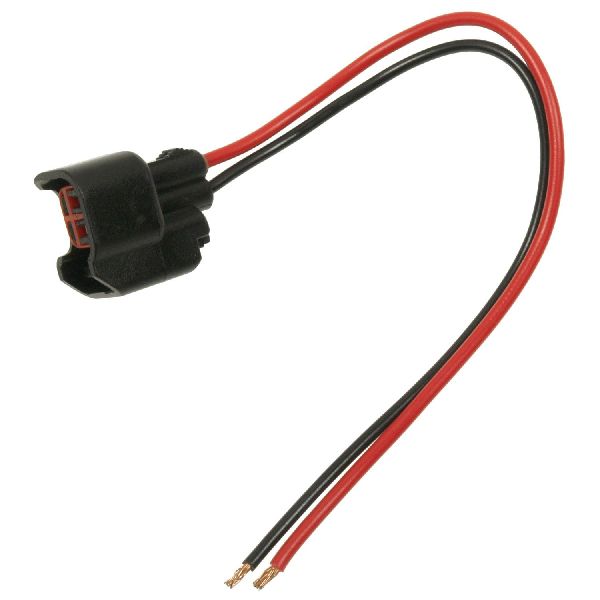
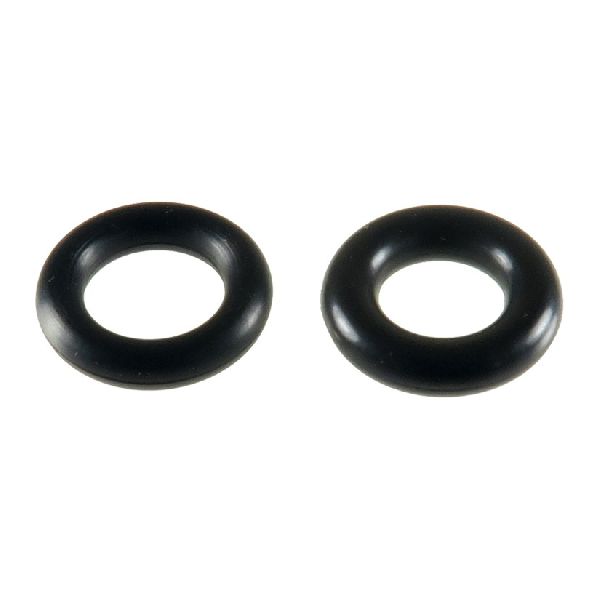
(OEM #LR001982 (cross-references to Volvo 30777501 and Denso 297500-0250))— A known issue for this specific vehicle, as documented by Land Rover TSB #SSM71894, making it a highly probable cause if ignition parts are good.
Trusted brands: Bosch, Denso
OEM price range: $350-$400
Aftermarket price range: $150-$250 - Spark Plug — A standard maintenance item that can cause misfires when worn. Should be replaced with the ignition coil.
Trusted brands: NGK, Bosch
OEM price range: $15-$25 per plug
Aftermarket price range: $8-$15 per plug
Related Codes That Often Appear With This One
- P0300 — Indicates random/multiple cylinder misfires. If the problem with cylinder 1 is intermittent or begins to affect other cylinders, P0300 may appear alongside P0301.
- P0302, P0303, P0304, P0305, P0306 — These codes indicate misfires in other cylinders. Their presence suggests a more widespread issue, such as a failing fuel pump, major vacuum leak, or issues with components shared by all cylinders.
- P0316 — Indicates misfire detected on startup (first 1000 revolutions). This code is often seen with cold-start misfires caused by failing injectors, as mentioned in TSB SSM71894.
Technical Service Bulletins (TSBs) & Recalls
- SSM71894: Mentions misfires at cold start (including P0301, P0300, P0316) and attributes them to potential fuel injector failures, requesting further investigation.
Platform-Specific Known Issues
- Technical Service Bulletin #SSM71894 was issued by Land Rover due to a high number of reported fuel injector failures causing cold start misfires and rough running. The bulletin notes that the manufacturer was actively investigating the root cause of these failures.
- A real-world owner experience on landroverforums.com detailed a lengthy battle with P0301, where after replacing head gaskets, plugs, wires, and coils, the issue persisted. The final step was to investigate the fuel injector, highlighting how it is often the last, and correct, part to be diagnosed.
- Another forum thread on landroverforums.com provides a detailed guide on testing the fuel injectors, including measuring their internal resistance (11.8-12.3 ohms) and noting that a clogged injector can cause a 5% reduction in flow, enough to trigger a misfire code.
Mechanic-Grade Diagnostic Values
- Fuel Rail Pressure at Idle — expected: 3.8 bar (55 psi). Failure: Significantly lower pressure indicates a weak pump or clogged filter; higher pressure could indicate a regulator issue.
- Fuel Injector Resistance — expected: 11.8 - 12.3 ohms. Failure: A reading outside this range, or a variance of more than 0.5 ohms between injectors, indicates a faulty injector.
Scan Tool Commands That Help
- Land Rover SDD (Symptom Driven Diagnostics): Power Balance Test — To identify which cylinder is not contributing equally to engine power, helping to confirm the location of the misfire without swapping parts.
- Land Rover SDD (Symptom Driven Diagnostics): Relative Injector Flow Test / Actuator Activation — To command individual injectors to operate, allowing a technician to listen for the injector's click or measure fuel pressure drop, helping to isolate a faulty injector electronically.
Wiring & Ground Locations
- Engine Ground Strap — Main strap runs from the chassis rail (under the battery tray area) to the gearbox/engine block assembly.. A poor engine ground can cause erratic behavior in all engine electronics, including the ignition coils and injectors, leading to intermittent and hard-to-diagnose misfires.
- ECM Connector Pin (Cylinder 1 Injector) — Based on Volvo SI6 wiring diagrams (shared platform), the Cylinder 1 injector is typically controlled by a specific pin on the Engine Control Module (ECM). For example, on a comparable Volvo, it might be a Green/Brown wire at Pin A:63.. Allows for testing the continuity and voltage of the injector control circuit directly from the ECM, ruling out wiring harness breaks or shorts between the ECM and the injector.
- ECM Connector Pin (Cylinder 1 Ignition Coil) — Similar to the injector, the Cylinder 1 ignition coil signal wire can be located at the ECM connector. On a comparable Volvo, this might be a Blue/Orange wire at Pin A:64.. Essential for diagnosing a no-spark condition that isn't resolved by a new coil. A technician can check for the trigger signal from the ECM at this pin to determine if the fault is with the ECM driver or the wiring.
Real Owner Repair Stories
- landroverforums.com user (Land Rover Discovery II (similar diagnostic process)) — Persistent P0301 misfire for months, decreased performance, especially at wide-open throttle.
❌ Tried (didn't work) Replaced head gasket, Replaced spark plugs, Replaced ignition wires, Replaced ignition coils, Swapped plugs, wires, and coils around to confirm
✅ What actually fixed it The user's final diagnostic step was to investigate the fuel system, specifically the fuel injector for cylinder 1, which is often the last component checked after the entire ignition system is replaced.
"I Checked Everything" — The Actual Cause
- A common pattern on the 3.2L SI6 engine is a torn diaphragm in the PCV (Positive Crankcase Ventilation) system, which is integrated into the oil filter housing assembly. A smoke test of the intake tract may come back clean because the leak is introducing unmetered air from the crankcase itself. Symptoms include lean codes (P2187, P2189), rough idle, and misfires. The failure is often missed because technicians don't test the crankcase system directly.
When the Usual Fixes Don't Work
- While the standard diagnostic procedure is to check spark plugs and ignition coils first, the high incidence of fuel injector failures on this specific engine platform (as noted in TSB SSM71894) means that a persistent P0301 should lead to injector testing much sooner than on other vehicles. Multiple owner accounts confirm replacing the entire ignition system only to find the root cause was a clogged or failed fuel injector, making it a costly misdiagnosis.
OEM Part Supersession History
LR001982→LR001982 (stable part number)— No supersession noted. This part is often cross-referenced and sold under equivalent Volvo (30777501) or Denso (297500-0250) part numbers, which may be more readily available or affordable.LR002954→LR002954 (stable part number)— No supersession noted. This is the consistent OEM part number for the ignition coil for the specified model years.
Helpful Videos

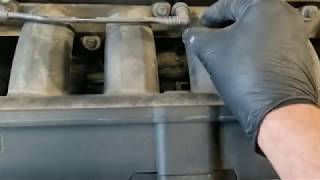
We Have This Part in Stock


The information in this article is provided for general reference and educational purposes only. Vehicle specifications, procedures, and part compatibility can vary by production date, trim level, and region. Always consult your vehicle's factory service manual and verify part numbers before purchasing or performing repairs. Safety-critical components such as airbags, seat belts, and braking systems should be installed by a qualified professional.
- Land Rover LR2:
- 🎬 Helpful Videos
- 🛍️ Shop This Part
- What's Unique About the 2008-2012 Land Rover LR2
- Diagnostic Flowchart
- Symptoms You May Notice
- Most Likely Causes
- Rare But Worth Checking
- Diagnosis Steps
- Parts You'll Likely Need
- Related Codes That Often Appear With This One
- Technical Service Bulletins (TSBs) & Recalls
- Platform-Specific Known Issues
- Mechanic-Grade Diagnostic Values
- Scan Tool Commands That Help
- Wiring & Ground Locations
- Real Owner Repair Stories
- "I Checked Everything" — The Actual Cause
- When the Usual Fixes Don't Work
- OEM Part Supersession History
- 🎟️ Get 5% Off