

P0301 on 2017-2019 Kia Forte: Cylinder 1 Misfire Causes and Fixes
P0301 on a 2017-2019 Kia Forte indicates a misfire in cylinder 1. The most common causes are a faulty ignition coil or a worn spark plug. Kia has issued Technical Service Bulletins (TSB), including a service action (SA321), to address weak ignition coils by replacing the coils or their internal RFI springs. Another TSB calls for an ECU software update to prevent false misfire codes. A DIY fix often involves swapping the cylinder 1 coil with another, which is a reliable diagnostic step and a simp
- P0301 on a 2017-2019 Forte is almost always a bad ignition coil or spark plug on cylinder 1.
- The easiest way to diagnose a bad coil is to swap it with a neighboring cylinder and see if the misfire code follows.
- Due to known issues documented in Kia TSBs, it's wise to consider replacing all four ignition coils and spark plugs for long-term reliability.
- If new coils and plugs don't solve the problem, contact a Kia dealer about the ECU logic update mentioned in TSBs TSBENG204_R1 and TSB_ENG208_R2.
- Do not drive for extended periods with a flashing check engine light, as you risk damaging your catalytic converter.
What's Unique About the 2017-2019 Kia FORTE

The 2017-2019 Forte, equipped with the 2.0L Nu MPI engine, has a well-documented history of ignition system issues leading to P030x misfire codes. Kia acknowledged this by issuing multiple Technical Service Bulletins (TSBs). TSB ENG181_R1 (also known as Service Action SA321) specifically targets 2017-2018 models, instructing dealers to replace all four ignition coils or, in some cases, just the internal Radio Frequency Interference (RFI) springs to resolve the misfires. Additionally, TSBs like ENG208_R2 were released to update the ECU software, which was overly sensitive and could falsely report misfires. These bulletins confirm a known weakness in the factory ignition components and software logic.
Diagnostic Flowchart

Tap your situation to follow the diagnostic path that matches what you're seeing on this vehicle.
Generation note: The 2017-2019 year range covers the end of the second generation (YD, 2017-2018) and the start of the third generation (BD, 2019). Both generations in this period primarily used the 2.0L Nu MPI inline-four engine, and the P0301 causes and fixes are consistent across them. The related TSBs specifically mention the YDm chassis code for the 2017-2018 models. The 2019 model uses an Atkinson Cycle version of the 2.0L Nu engine, which may have different ECU logic but shares many of the same core components.
Symptoms You May Notice
- Rough or shaky idle
- Hesitation or stumbling during acceleration
- Noticeable loss of engine power
- Flashing or solid Check Engine Light
- Reduced fuel economy
- Engine may be hard to start
- Engine vibration felt in the cabin
- Replacing oxygen sensors. While a faulty O2 sensor can affect fuel trim, it's unlikely to cause a consistent misfire on a single cylinder without other accompanying codes.
- Replacing the catalytic converter. A misfire can damage a catalytic converter, but the converter itself does not cause the misfire. The misfire must be fixed first.
Most Likely Causes

- Faulty Ignition Coil 🔴 High Probability Kia issued TSB ENG181_R1 (Service Action SA321) for 2017-2018 models to replace ignition coils or their internal RFI springs due to a high failure rate causing P030x codes. This is the most widely reported cause by owners.
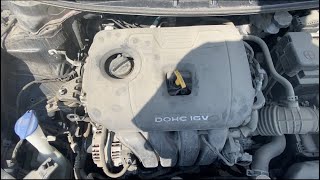
How to confirm: Swap the ignition coil from cylinder 1 with another cylinder (e.g., cylinder 2). Clear the codes and drive. If the code changes to P0302, the coil is faulty. This is a definitive and commonly used DIY diagnostic step. 🎬 Watch: This video shows you how to find and fix the misfire.
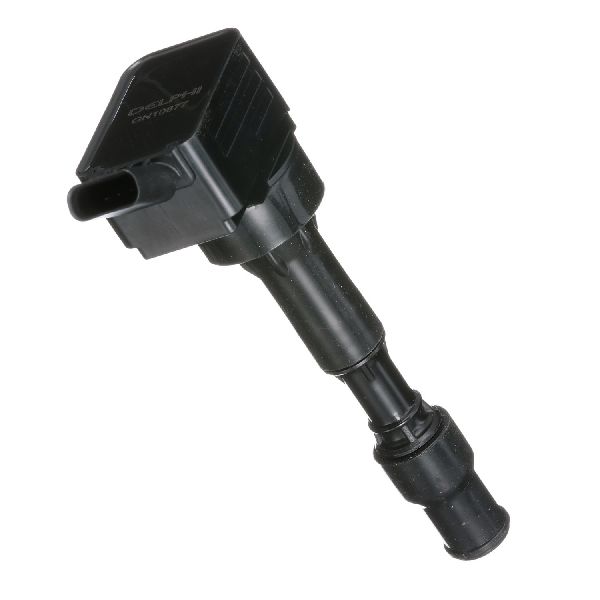
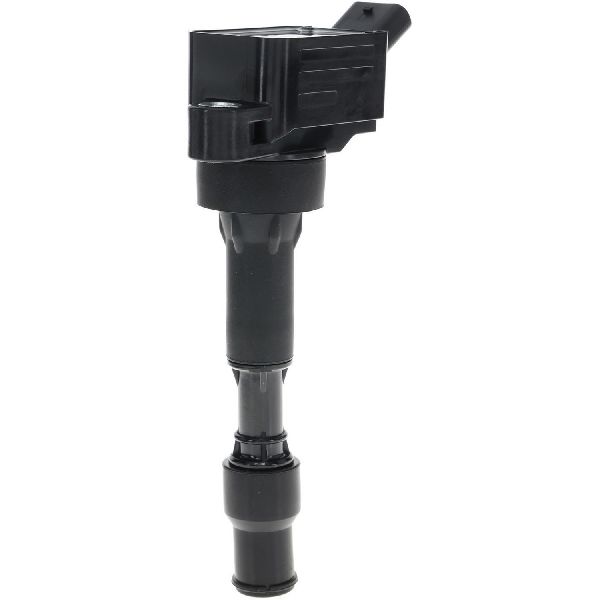
Typical fix: Replace the faulty ignition coil. The TSB and many mechanics suggest replacing all four coils at the same time to prevent future failures, as they tend to fail around the same time.
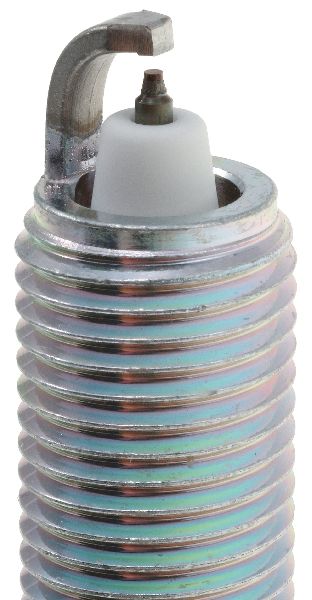
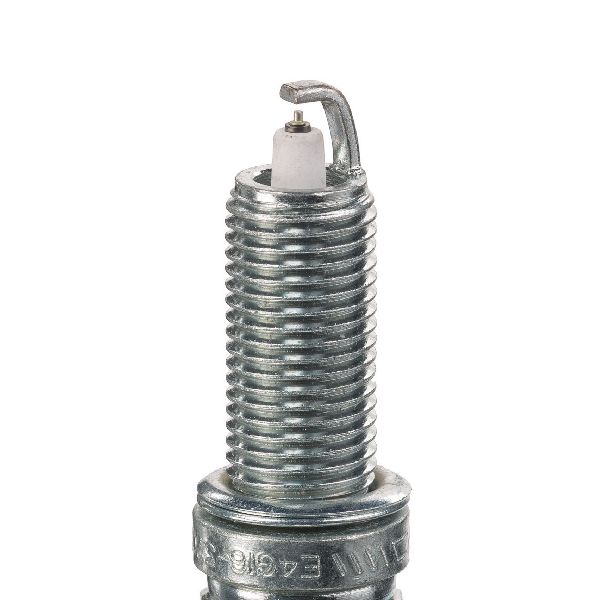
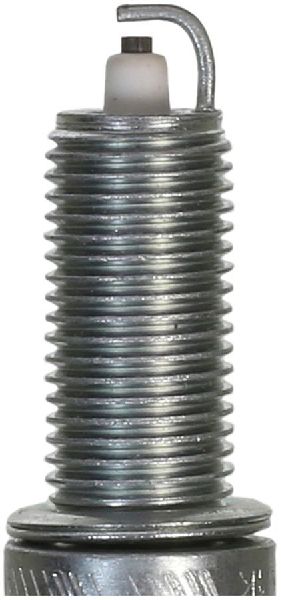
Est. part cost: $50 - $110 - Worn or Fouled Spark Plug 🔴 High Probability Spark plugs are a standard maintenance item. The recommended replacement interval for the Iridium plugs in this engine is typically every 60,000 to 100,000 miles. If the vehicle is high-mileage and they haven't been changed, they are a likely culprit. Some 2018 models were also subject to a service action for factory spark plugs with cracked porcelain.
How to confirm: Remove the spark plug from cylinder 1 and inspect it for wear (worn electrode), carbon buildup, or oil fouling. Compare it to a new plug. You can also swap it with another cylinder's plug to see if the misfire follows the plug.
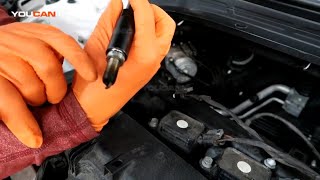
Typical fix: Replace the spark plug in cylinder 1. It is best practice to replace all four spark plugs at the same time with pre-gapped Iridium plugs from a reputable brand like NGK or Denso. 🎬 See this walkthrough for replacing your 2.0L ignition coils and spark plugs.
Est. part cost: $15 - $30 - ECU Software Update Needed 🟡 Medium Probability Kia issued multiple TSBs (TSBENG204_R1, TSB_ENG208_R2) for an 'ECU Logic Improvement' to address false or overly sensitive P030x misfire codes. TSB ENG208 specifies that the ignition coil service action (SA321) should be performed first before this software update is applied.
How to confirm: This can only be confirmed by a Kia dealership with access to their service database and a KDS/GDS diagnostic tool. If you've replaced coils and plugs and the issue persists, this is the next logical step. One owner reported a 'hard reset' of the computer by a shop resolved the issue after parts were replaced.
Typical fix: A Kia dealership will reflash the Engine Control Module (ECM) with the updated software logic. This is often done as part of a 'Service Action,' which may be performed at no cost during the warranty period.
Est. part cost: $0 - $200 (may be covered under warranty or as a service campaign) - Clogged or Faulty Fuel Injector ⚪ Low Probability
How to confirm: After ruling out ignition issues, listen to the injector with a mechanic's stethoscope to ensure it's clicking. A more advanced test involves measuring its resistance with a multimeter or performing a flow test, which usually requires professional tools.
Typical fix: Replace the faulty fuel injector for cylinder 1. It's recommended to also replace the O-rings and seals.
Est. part cost: $70 - $150
Rare But Worth Checking
- Low Engine Compression: While less common, if all ignition and fuel system checks pass, a compression test is necessary. A Reddit user with a 2018 Forte performed a compression test and found 160-180 PSI across all cylinders, ruling this out. Low compression could indicate a more serious internal engine issue like a bad valve, piston ring, or head gasket.
- Vacuum Leak: A vacuum leak can cause a lean condition and misfires, but it usually triggers other codes (like P0171) and affects multiple cylinders. A leak specific to the cylinder 1 intake runner is possible but less common.
- Damaged Coil Pack Connector/Wiring: In some cases, the plastic connector or wiring to the ignition coil can become brittle and break, causing a poor connection. One owner noted the connector on cylinder 1 had clearly been replaced before, suggesting it can be a point of failure. A video guide shows the replacement of the entire ignition coil harness (P/N 27350-2B000) due to broken connector clips.
Diagnosis Steps
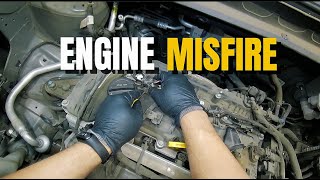
- Read the trouble codes with an OBD-II scanner. Confirm P0301 is present and note any other codes. 🎬 Watch: A helpful guide on common causes and fixes for P0301 codes.
- Check for a flashing Check Engine Light. If flashing, avoid heavy acceleration to protect the catalytic converter.
- Perform the 'coil swap test': Swap the ignition coil from cylinder 1 to cylinder 2. The cylinders are numbered 1-2-3-4 from left to right (passenger to driver side). Clear the codes, run the engine, and re-scan. If the code changes to P0302, the ignition coil is bad.
- If the misfire remains on cylinder 1, inspect the spark plug. Remove it and check for wear, fouling, or damage. If in doubt, swap the spark plug from cylinder 1 to cylinder 3. If the code changes to P0303, the spark plug is bad.
- While the coil is removed, inspect the wiring and connector for the ignition coil on cylinder 1 for any damage, corrosion, or looseness. The plastic clips are known to become brittle.
- If ignition components are good, the next likely causes are a clogged fuel injector or an internal engine issue.
- Before purchasing expensive parts, contact a Kia dealer with your VIN to check for open service campaigns or required ECU software updates related to TSBs ENG181_R1, ENG204_R1, or ENG208_R2.
- If all else fails, perform a compression test on all cylinders to check for mechanical engine health. A healthy engine should have consistent readings across all cylinders, with one owner reporting a healthy range of 160-180 PSI.
Parts You'll Likely Need
- Ignition Coil
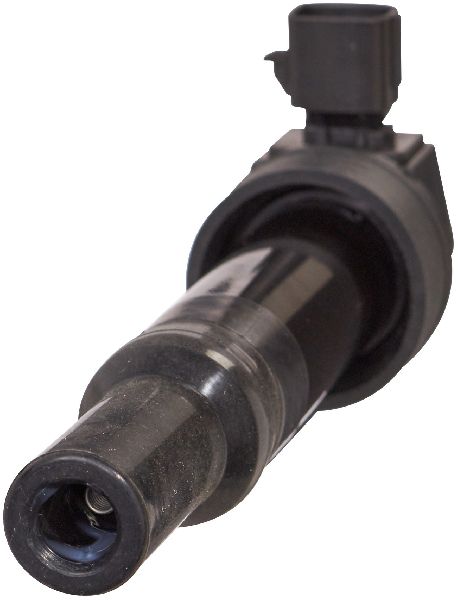
(OEM #27300-2E601)— This is the most common failure part for P0301 on this vehicle, as confirmed by owner experiences and manufacturer TSB SA321. This part is shared with many other Hyundai/Kia 2.0L vehicles.
Trusted brands: Kia/Hyundai (OEM), NGK, Delphi, Bosch, Duralast
OEM price range: $75 - $110
Aftermarket price range: $45 - $80 - Spark Plug
(OEM #18846-11070)— Spark plugs are a routine maintenance item and the second most likely cause of a single-cylinder misfire. The recommended type is Iridium, which comes pre-gapped.
Trusted brands: NGK (SILZKR7B11), Denso
OEM price range: $17 - $25
Aftermarket price range: $10 - $18
Related Codes That Often Appear With This One
- P0300 — If the misfire is intermittent or starting to affect other cylinders, a P0300 (Random/Multiple Cylinder Misfire) may be stored alongside P0301.
- P0302, P0303, P0304 — If the cause is systemic, like an ECU logic issue (per TSBs), bad fuel, or multiple failing coils, you may see misfire codes for other cylinders as well.
- P219C00, P219D00, P219E00, P219F00 — These Air-Fuel Ratio Imbalance codes are specifically mentioned alongside the P030x codes in Kia's ECU update TSBs (ENG208), indicating they can be triggered by the same faulty logic.
Technical Service Bulletins (TSBs) & Recalls
- TSBENG181_R1 (SA321): SERVICE ACTION: IGNITION COIL OR COIL RFI SPRING REPLACEMENT FOR DTC P0300, P0301, P0302, P0303, AND/OR P0304
- TSBENG204_R1: SERVICE ACTION: ECU LOGIC IMPROVEMENT FOR P0300, P0301, P0302, P0303, P0304...
- TSB_ENG208_R2: ECU LOGIC IMPROVEMENT FOR P0300, P0301, P0302, P0303, P0304 AND/OR P219C00-P219F00
- SA342: SERVICE ACTION: SPARK PLUG REPLACEMENT (some 2018MY)
Platform-Specific Known Issues
- Ignition Coil & RFI Spring Failures (SA321): Kia issued Technical Service Bulletin TSBENG181_R1, a 'Service Action' known as SA321, for 2017-2018 Forte models with the 2.0L MPI engine. It addresses a high rate of P030x misfire codes by having dealers replace all four ignition coils or, in some cases, just the internal Radio Frequency Interference (RFI) springs. This confirms a known weakness in the original ignition components.
- ECU Logic Update for False Misfires (SA378): Kia released TSBs like TSBENG204_R1 and TSB_ENG208_R2 to perform an 'ECU Logic Improvement'. The original software was overly sensitive and could register false misfires, triggering codes P0301-P0304 and related air-fuel imbalance codes. Dealers use the Kia Diagnostic System (KDS) to apply the software update, which should be done after addressing any hardware issues like the ignition coils per SA321.
Mechanic-Grade Diagnostic Values
- Ignition Coil Primary Resistance — expected: 0.75 Ω ± 15% at 20°C (68°F). Failure: A reading significantly outside this range indicates a faulty coil.
- Ignition Coil Secondary Resistance — expected: 5.9 kΩ ± 15% at 20°C (68°F). Failure: A reading significantly outside this range indicates a faulty coil.
- Engine Compression — expected: ~160-180 PSI, with minimal variation between cylinders.. Failure: Significantly lower pressure in one cylinder compared to others indicates a mechanical engine problem.
- Live Misfire Count per Cylinder — expected: 0 at idle and under normal load.. Failure: A climbing number of misfires on cylinder 1, even if a P0301 code is not yet set, confirms a real-time misfire event.
Hidden / Shadow Codes Worth Checking
- Live Misfire Data: This is not a stored code but a real-time data parameter (PID) that shows the exact number of misfire events per cylinder. It is more sensitive than the trigger for the P0301 DTC, which requires a certain number of misfires over a specific drive cycle before illuminating the check engine light. (see via This data is accessible using the dealer-level Kia GDS (Global Diagnostic System) or KDS scan tool. Some high-end professional aftermarket scanners may also be able to display this manufacturer-specific data.)
Scan Tool Commands That Help
- Kia GDS / KDS: Actuation Test / Functional Test — After ruling out spark, this function can be used to command a specific fuel injector to open and close. This helps verify if the injector itself and its wiring circuit are functioning, without having to remove it from the engine initially.
- Kia GDS / KDS: Vehicle S/W Management — This function is used to perform the 'ECU Logic Improvement' update as specified in TSBs like TSBENG204_R1 and TSB_ENG208_R2. It should be used when P0301 persists after ignition hardware (coils/plugs) has been confirmed to be good, to rule out false codes from overly sensitive software.
Wiring & Ground Locations
- Ignition Coil Connector — On top of the engine, plugging directly into each of the four ignition coils.. The 2.0L Nu engine uses a 2-pin connector for each coil. The plastic locking clips on these connectors are known to become brittle and break, leading to a poor connection and misfires. A wiring diagram shows the wire colors for the coils are typically Black (ground), Red (power), and White or Pink (signal from ECU).
- Main Cabin Ground Bolt — To the right of the interior fuse panel (driver's side footwell).. A user identified a silver bolt with multiple ground wires attached in this location. While not directly for the ignition coils (which are grounded at the engine), a poor main ground can cause a variety of unpredictable electrical issues, including problems with ECU operation that could lead to misfire detection faults.
- Ignition Coil Harness — Runs across the top of the valve cover, connecting the four ignition coils to the main engine harness.. The entire harness (Kia P/N 27350-2B000 for a similar model) can be replaced if multiple connectors are damaged. This is often a more reliable repair than splicing a single new pigtail connector.
Real Owner Repair Stories
- Reddit user ShyklaBlysh333 in r/kia (2018 Kia Forte, 113,000 miles) — Check engine light on, rough idle and rough start. Drives smooth at speed.
❌ Tried (didn't work) Replaced spark plugs, Replaced ignition coil on cylinder 1 with a new one, Swapped ignition coils between cylinders (misfire stayed on cylinder 1), Checked fuel injectors, Performed a compression test (readings were good at 160-180 PSI across all four cylinders)
✅ What actually fixed it The shop performed a 'hard reset' of the vehicle's computer, which allowed it to recognize the new parts that had been installed. The check engine light went away and the car ran fine afterward. - Reddit user BuckCompton45 in r/kia (2012 Kia Soul+ (similar 2.0L engine family)) — Check engine light, misfire code.
❌ Tried (didn't work) Replaced all 4 spark plugs., Replaced only the single bad coil (P0302). The code later returned as P0301 after moving the new coil to cylinder 1, indicating the new aftermarket part was also faulty.
✅ What actually fixed it Replacing all four ignition coils with a new set resolved the misfire issue completely.
When the Usual Fixes Don't Work
- While the vast majority of P0301 cases on this platform are solved by replacing the ignition coil and/or spark plug, there are documented instances where this does not fix the problem. In one case involving a 2018 Forte, the owner replaced plugs and swapped coils, and even performed a compression test which passed with 160-180 PSI across all cylinders. The misfire on cylinder 1 persisted until a repair shop performed a 'hard reset' of the main computer, suggesting the ECU had failed to adapt to the new parts and was storing a persistent fault. This highlights that in rare cases, the root cause is not the hardware itself but the software's failure to recognize the repair.
OEM Part Supersession History
27300-2E601→No supersession found. This part number remains current.— This part number is used across a wide range of model years (2016-2024) for vehicles with the 2.0L Nu engine, including the Forte, Optima Hybrid, Seltos, and Soul.
Heads up: While the part number for the coil assembly has not changed, Kia issued TSB ENG181_R1 to replace the internal RFI springs of the original coils on 2017-2018 models, indicating a design weakness in the initial production run of this part.
Model Year Variations Within This Range
- 2017-2018: These models, part of the second generation (YD), use the standard 2.0L Nu MPI engine (G4NA). They are the primary subject of TSBs related to ignition coil RFI springs (SA321) and ECU logic updates.
- 2019: The 2019 model, the first year of the third generation (BD), uses a more fuel-efficient Atkinson Cycle version of the 2.0L Nu MPI engine (G4NH), paired with an Intelligent Variable Transmission (IVT). While many ignition and fuel components are shared, the ECU software and fuel management strategies are different, which is relevant for software-related diagnoses.
Helpful Videos

Used OEM Parts in Stock


New Aftermarket Parts Available

The information in this article is provided for general reference and educational purposes only. Vehicle specifications, procedures, and part compatibility can vary by production date, trim level, and region. Always consult your vehicle's factory service manual and verify part numbers before purchasing or performing repairs. Safety-critical components such as airbags, seat belts, and braking systems should be installed by a qualified professional.
- Kia FORTE:
- 🎬 Helpful Videos
- 🛍️ Shop This Part
- What's Unique About the 2017-2019 Kia FORTE
- Diagnostic Flowchart
- Symptoms You May Notice
- Most Likely Causes
- Rare But Worth Checking
- Diagnosis Steps
- Parts You'll Likely Need
- Related Codes That Often Appear With This One
- Technical Service Bulletins (TSBs) & Recalls
- Platform-Specific Known Issues
- Mechanic-Grade Diagnostic Values
- Hidden / Shadow Codes Worth Checking
- Scan Tool Commands That Help
- Wiring & Ground Locations
- Real Owner Repair Stories
- When the Usual Fixes Don't Work
- OEM Part Supersession History
- Model Year Variations Within This Range
- 🎟️ Get 5% Off